Side effects Artemis astronauts could suffer once they return to Earth

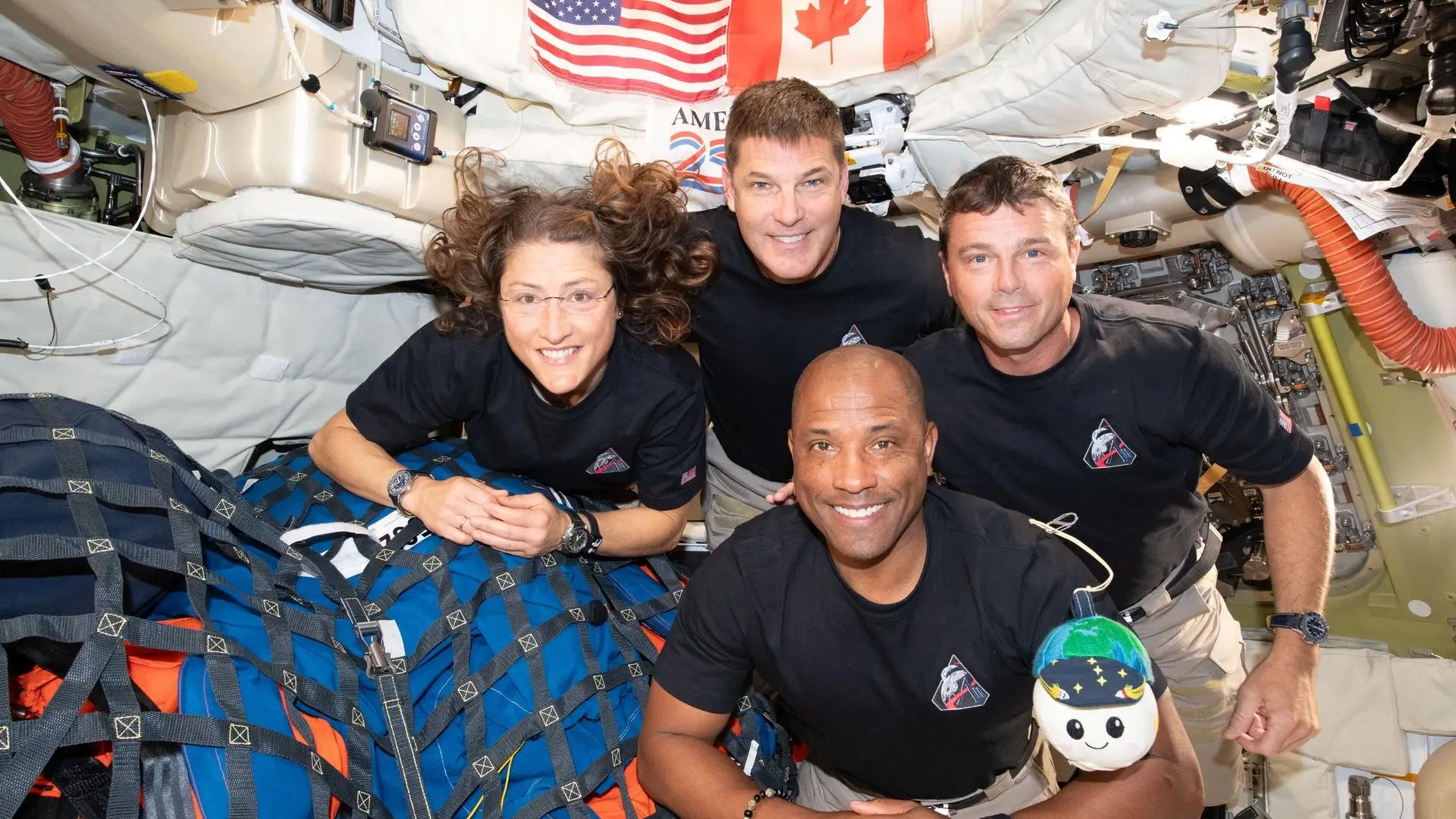
After blasting off into space on a history-making mission to the moon that has lasted for over a week, the astronauts of NASA's Artemis II now have Earth in their sights and are set to splashdown on Friday evening.
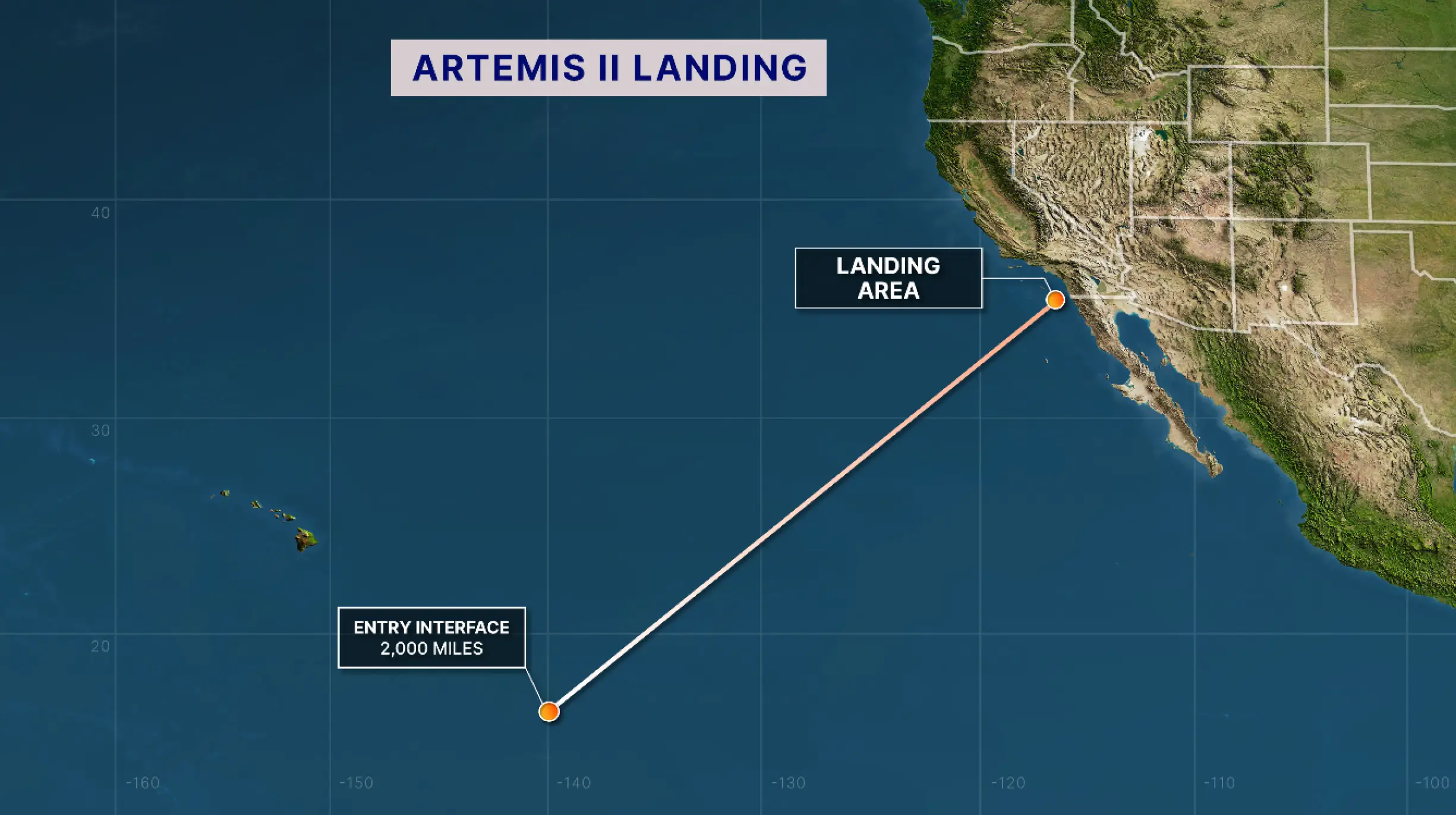
Once they have entered the planet's atmosphere later today, 'riding a fireball' at around 25,000mph, they will be relying on their advanced heat shield to protect them from temperatures roughly half that of the sun as they return from America's first moon mission in 50 years.
If all goes well during the critical landing maneuver, the four astronauts and their re-entry capsule should splashdown just after 8pm EST, in the waters just off San Diego. Then, all they have to do is switch off their space vehicle and wait for the military to recover them.
But once the Artemis II crew have landed on our pale blue dot after an extraordinary 10-day journey through space, their time as an astronaut will not quite be over yet. After a week and half soaring through space in zero-gravity, there may well be some side effects.
Advert
What happens next after splashdown?
Getting the astronauts out of the Orion
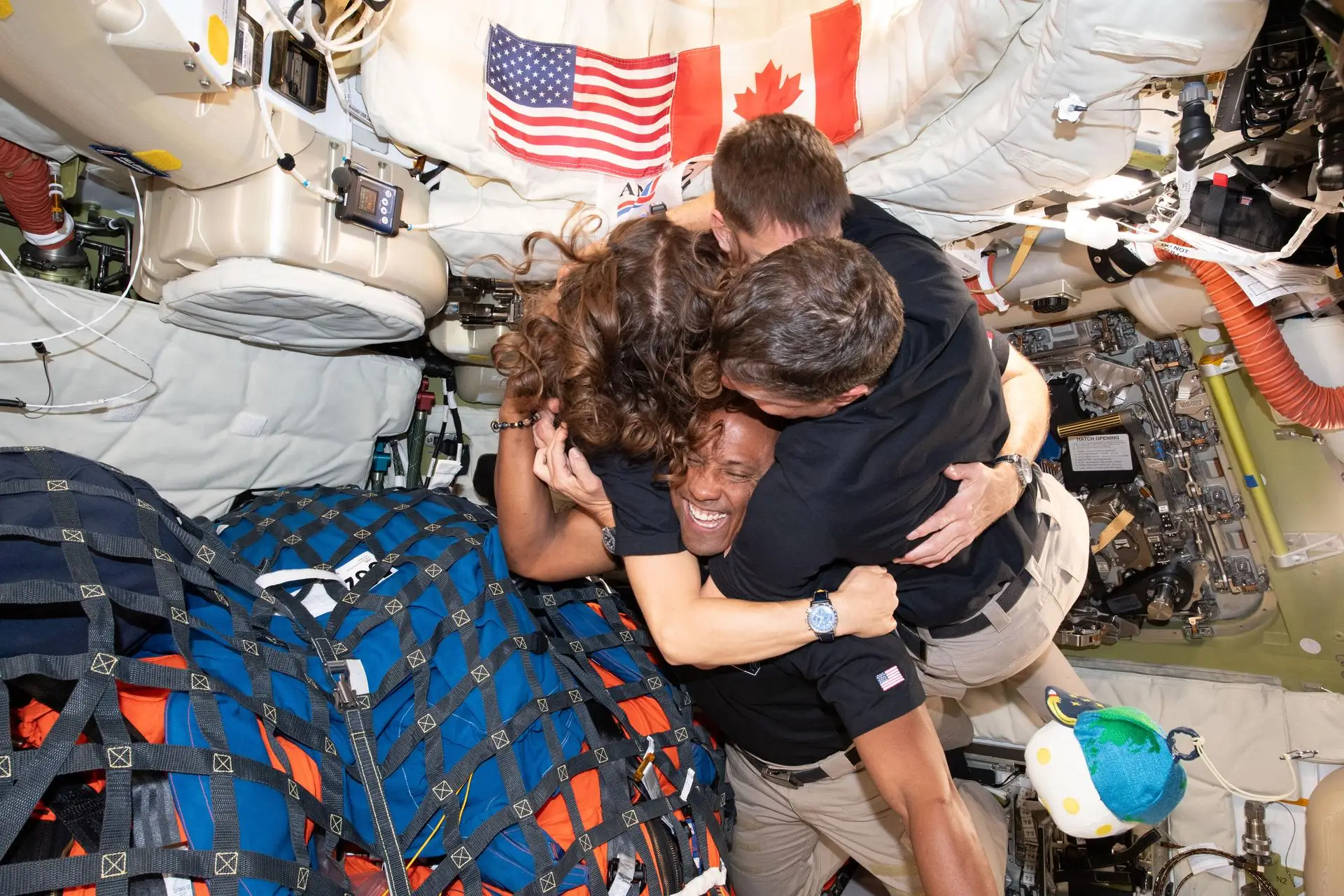
Helping Reid Wiseman, Victor Glover, Christina Koch and Jeremy Hansen safely out of the Orion spacecraft falls to NASA and the Department of War.
NASA-contracted engineer Jason Endley said: "Then that’s where my job comes in, of recovering the crew module alongside all the other NASA and Amentum employees we have on the ship."
Once they land back on Earth, a team of four helicopters will circle the spacecraft - two for rescue, the other two for pictures, according to Florida Today.
One of them will lower a stabilizing collar, which will keep the Orion floating the right way up, if Endley has done his job properly.
Then, once they’re ready, a basket will be sent down to lift the first astronaut up. They’ll all be taken to a nearby naval vessel, the USS John P. Murtha, for a medical checkup, and then transported back to Houston.
What effect will 10 days in space have had on the astronauts’ bodies?
Even though the Artemis II crew have spent a relatively short time in space - poor Suni Williams and Butch Wilmore spent 608 days away from Earth over 2024 and 2025, remember - it will still have had an effect on their bodies.
Kevin Fong, founder of the Centre for Altitude, Space and Extreme Environment Medicine at University College London, told the BBC: “In some experiments with rats, they’ve seen up to a third of muscle from particular muscle groups being lost within seven to 10 days of flight – that’s a huge, huge loss.”
To try and combat muscle loss, the Artemis II team have incorporated workouts into their schedule, on something called a flywheel.
Since the Orion capsule is only 316 cubic feet, about the size of a smallish bedroom according to NPR, workout gear needs to be compact. The flywheel is a bit like a multi-purpose rowing machine.
Since the Orion capsule is only 316 cubic feet, about the size of a smallish bedroom according to NPR, workout gear needs to be compact. The flywheel is a bit like a multi-purpose rowing machine.
Jeremy Hansen explained before launch: “We can change the dynamics of this device so that we can do weightlifting with it. So we can do squats. We can do dead lifts. We can do curls. We can do high pulls.”
What have other astronauts said about readjusting to life on Earth?
NASA astronaut Jasmin Moghbeli, who returned to Earth in 2024 after 200 days in space, said: “With eyes closed, it was almost impossible to walk in a straight line.”
That’s because the inner-ear balance humans use to orient themselves on Earth is effectively tuned out when they are in space.
ESA astronaut Andreas Mogensen, who was on the same mission, said: “I felt wobbly for the first two days. My neck was very tired from holding up my head.”
While NASA’s Jeanette Epps, who spent 235 days in space and returned in October 2024, said the main thing that took some getting used to was the heaviness of Earth.
She said: “You have to move and exercise every day, regardless of how exhausted you feel.”
 William Morgan