Artemis II astronauts prepare for most dangerous phase of mission yet as NASA warns there is 'no plan B'

The astronauts of NASA’s Artemis II are readying to get back home as they prepare for what is widely considered the most dangerous phase of their lunar flyby mission.
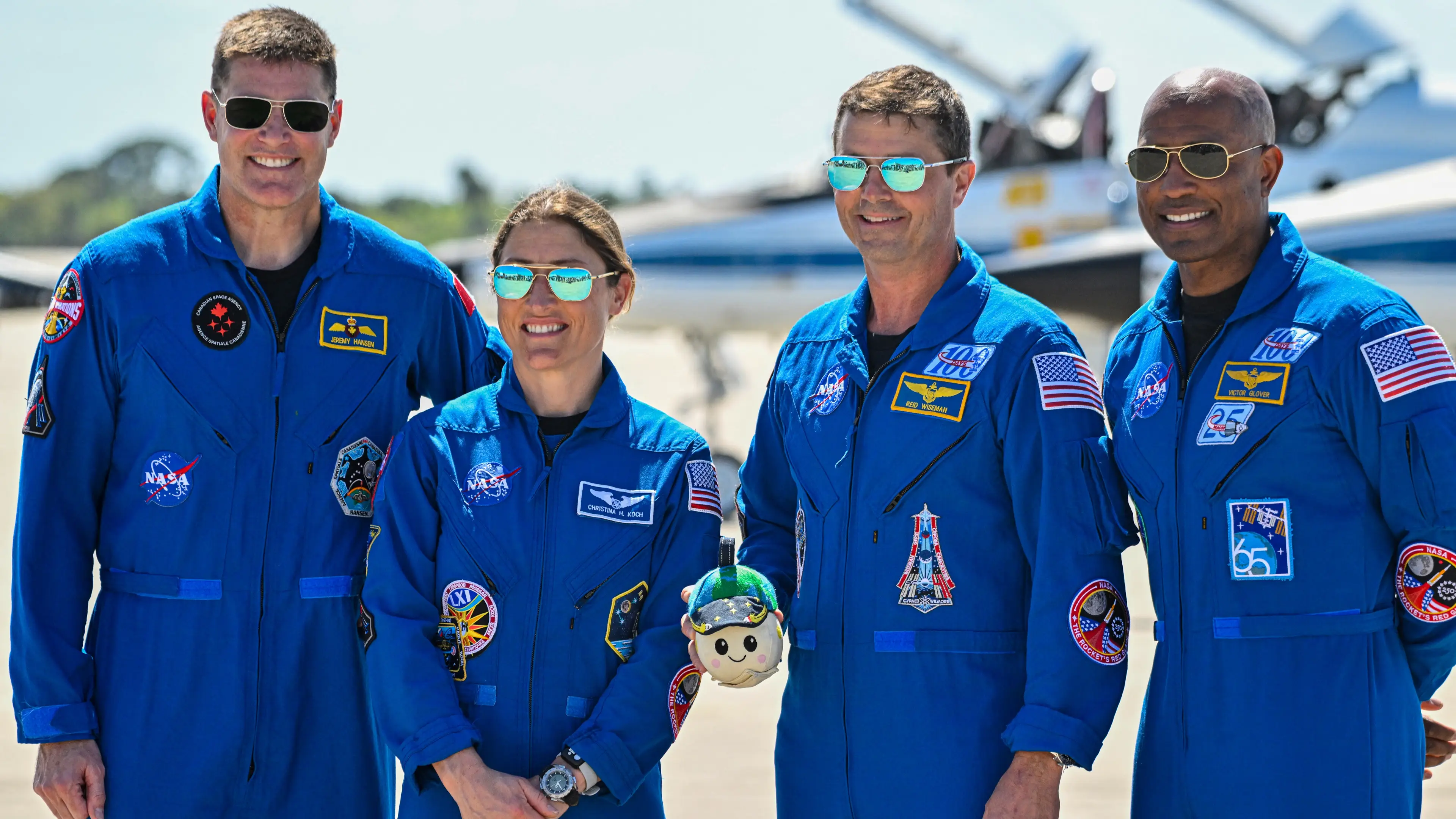
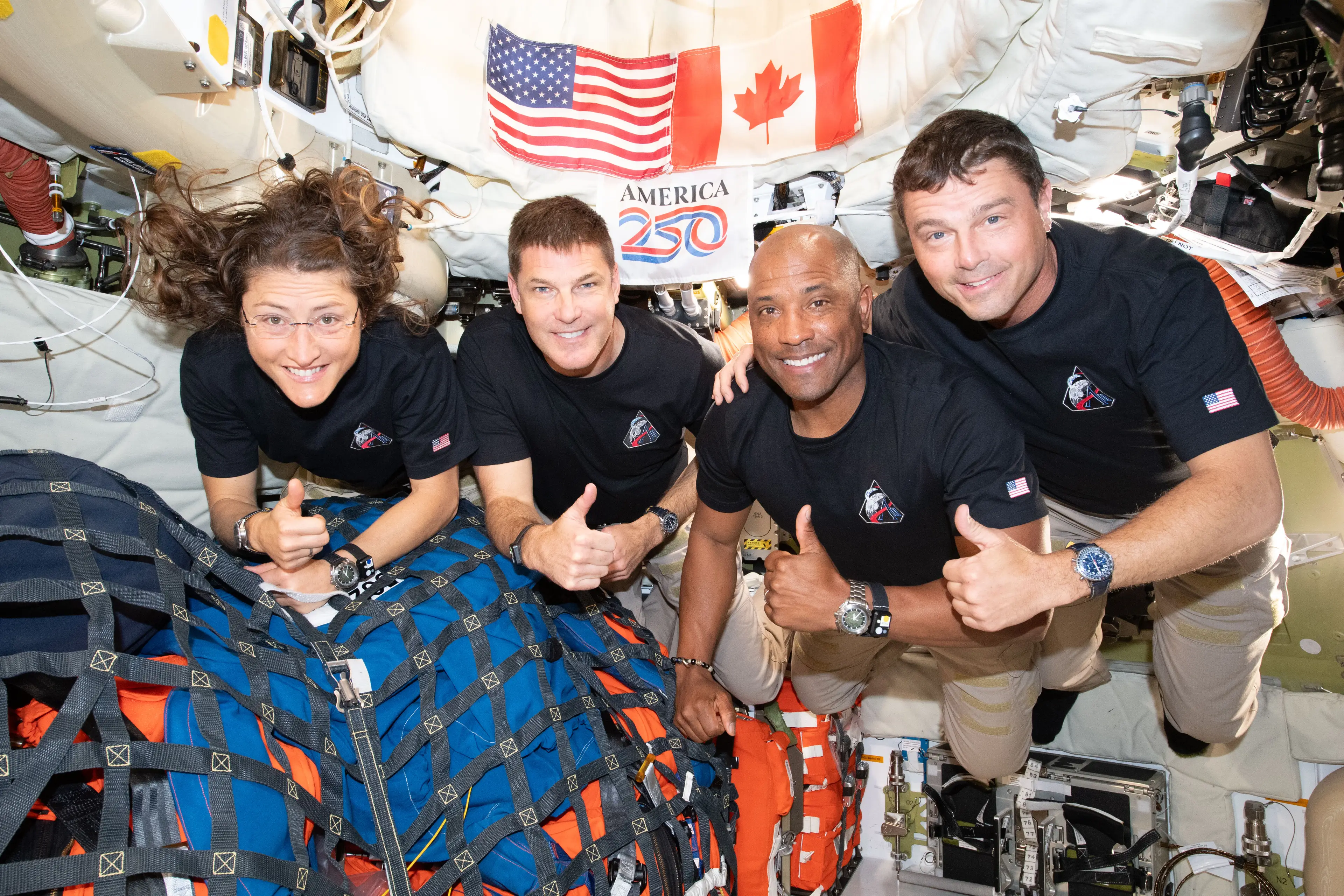
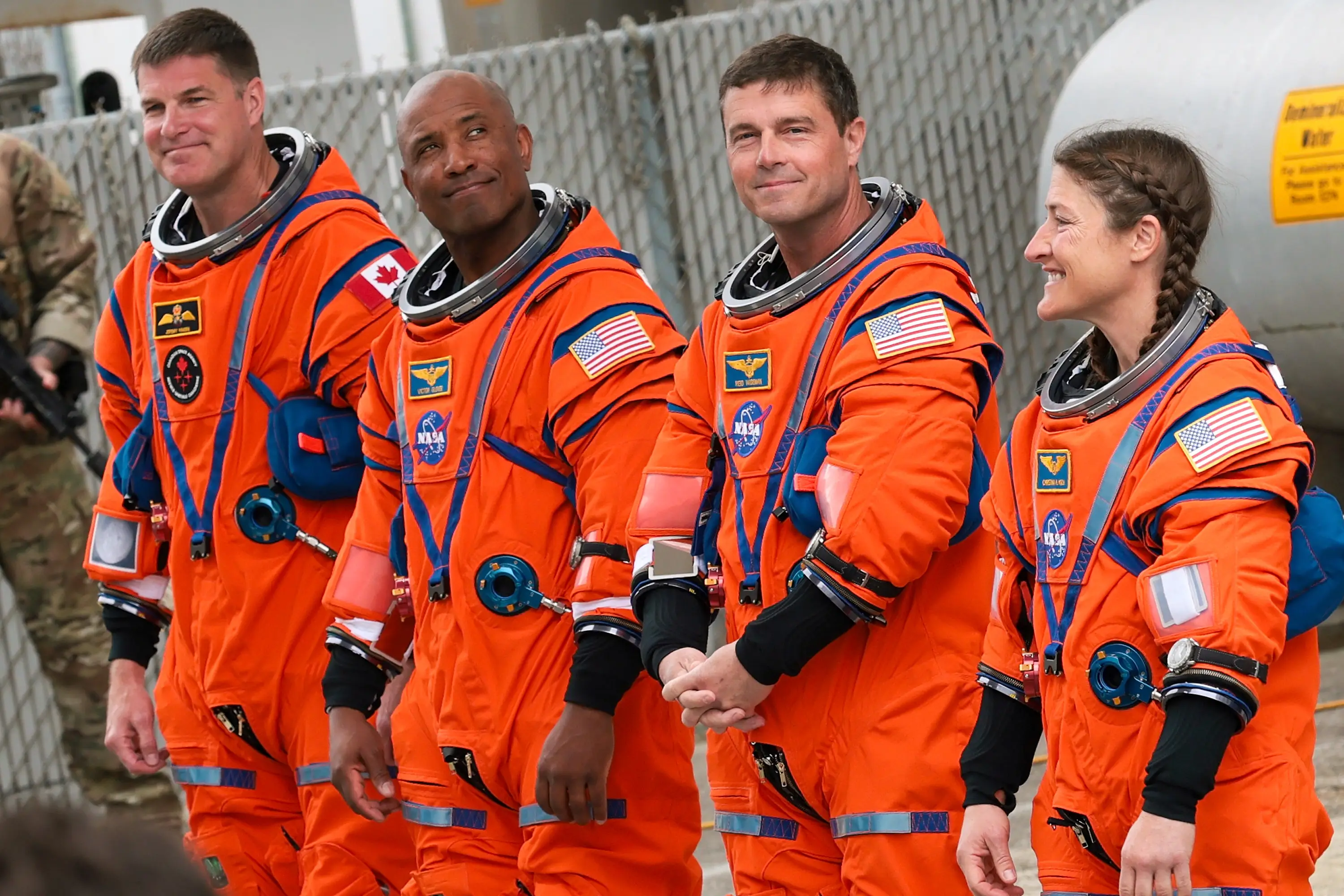
The mission launched on 1 April and is set to conclude on 10 April. That's when the crew — composed of NASA’s Reid Wiseman, Victor Glover, and Christina Koch as well as Canadian astronaut Jeremy Hansen — is expected to reenter the Earth’s atmosphere.
During this delicate phase, the spacecraft Orion relies on a single thermal protection system to withstand the extreme heat of Earth's atmosphere.
As Orion begins its return to Earth, the spacecraft will reach about 76 miles above the planet before its service module separates from the crew capsule. The capsule will then plunge into the atmosphere at speeds nearing 25,000 miles per hour.
Advert
At such speed, the air in front of the spacecraft is violently compressed, causing temperatures on the outside of the capsule to reach nearly 5,000°F (2760°C).
In this final phase, a layer of superheated gas known as plasma forms around the spacecraft. This blocks all radio signals and effectively cuts off communication between the astronauts and mission control for several minutes.
As NASA Administrator Jared Isaacman explained in a press conference held earlier this week, the vehicle that launched Orion on its mission to the Moon — the Space Launch System (SLS), a massive rocket producing 8.8 million pounds of thrust at launch — packed enormous energy into the small spacecraft. This means that this energy must be safely dissipated as Orion re-enters Earth’s atmosphere after its lunar mission.
“In terms of what keeps me up at night, my blood pressure will be elevated until they're under parachutes in the water off the West Coast,” he said.
“There's no plan B there. That is the thermal protection system. The heat shield has to work,” he added.
“I have no doubt the team did a great analysis, made the most of things,” Isaacman continued.
After making it through the most intense heat of reentry, two drogue parachutes will deploy to slow Orion to about 300 miles per hour. Afterwards, a set of pilot parachutes will deploy, followed by three massive main parachutes that further reduce the capsule’s speed to roughly 17 miles per hour before it splashes down safely in the Pacific Ocean.
Isaacman also addressed production on the current programs, adding that NASA is looking to increase manufacturing as it was in the Apollo era of the 1960s, when they built multiple spare components before discarding anything that looked questionable.
“I have no doubt the team did a great analysis, made the most of things,” Isaacman continued.
“Most of the heat shields that we have available are not the right way to do things long term,” he added.
“And we are fixing it going forward. That's why we're increasing production rate, getting back into a good rhythm, getting a little bit closer to goodness there. But it is definitely an area we will all be thinking about until they're on the water.”
The Artemis II crew is now returning home after completing their six-hour lunar flyby, where the astronauts observed the side of the Moon that permanently faces away from Earth.
Their flyby broke the record set by Apollo 13 in 1970, which saw the crew reach 248,655 miles from Earth. The Artemis II crew surpassed this distance by thousands of miles, with Isaacman congratulating them on the historic achievement.
“On the far side of the Moon, 252,756 miles away, Reid, Victor, Christina and Jeremy have now travelled farther from Earth than any humans in history and now begin their journey home,” Isaacman said in a statement on Twitter/X.
"Before they left, they said they hoped this mission would be forgotten, but it will be remembered as the moment people started to believe that America can once again do the near-impossible and change the world.”
Isaacman added that the mission 'isn't over until they're under safe parachutes, splashing down into the Pacific.'
 Stefania Sarrubba