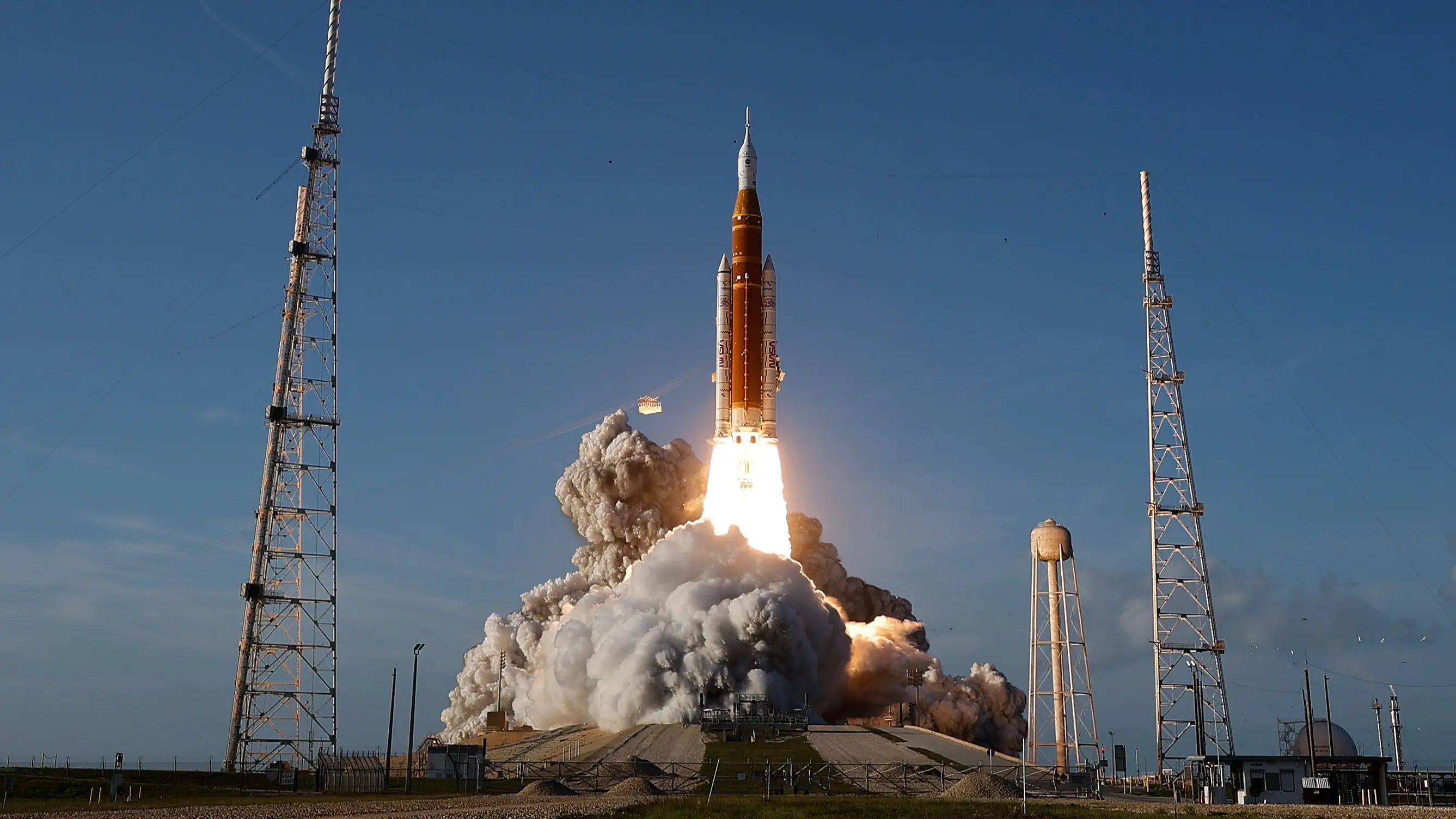
How much Artemis II astronauts are getting paid as they break records

Artemis II has officially broken records by taking humans further from Earth than they have ever travelled before, but does the NASA crew's payday reflect that?
Astronauts Reid Wiseman, Victor Glover, Christina Koch and Jeremy Hansen left Earth to travel to the Moon on Wednesday (April 1).
Having passed by the dark side of the Moon in a flyby, they are now set to return on April 10, having been the first people to go to Earth's only natural satellite since 1972’s Apollo 17.
So far, everything has mostly gone according to plan (aside from the toilet breaking). As expected, the four astronauts lost contact with NASA for 40 long minutes as they flew by the far side of the Moon on Monday (April 6) - which must have been a scary moment for all involved. They're now on their way back to Earth.
Advert
Of course, there are many people who would want to be where they are, but would you be happy with their pay packet?
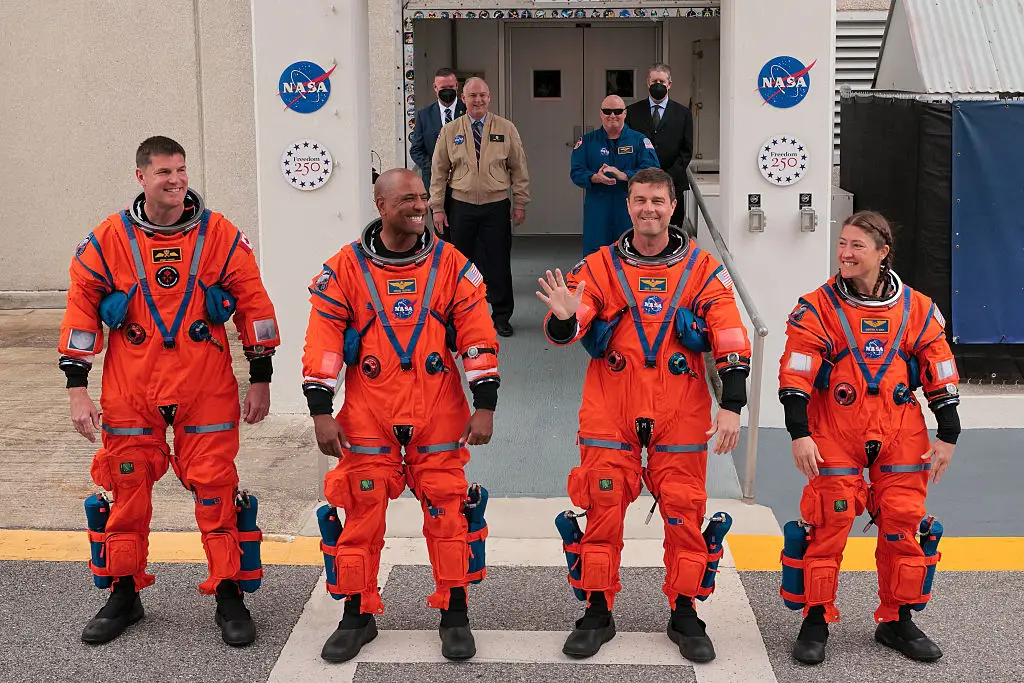
Astronauts working for NASA have to undergo some serious training to be eligible to blast out into space, which requires a working knowledge of space, physical fitness, and science.
However, all astronauts are paid like everyone else in the US government - on a pay scale. For the four space explorers, they’ll be paid via the General Schedule, which could put them between the GS-13 to GS-14 range, depending on their length of service, qualifications and other factors.
According to the sliding scale includes Grades 1 through to 15, with 1 providing the lowest pay at $30,249, and a high of $37,835.
As for Grade 15, a person could see themselves being paid anywhere between $169,279 and $197,200 in Washington (where NASA is headquartered).

If the astronauts were being paid between grades 13 and 14, they could expect to receive anywhere from $120,000 to $190,000.
NASA revealed in 2025 that it pays its astronauts $152,258.00 per year, which is based on its 2024 pay schedules.
It also called this figure an ‘approximation’.
However, nowhere does it list benefits, overtime pay, or compensation if the astronauts stay in space for longer than expected.
Nicole Stott, a retired NASA astronaut, was asked by LADbible last year how much astronauts get paid and responded: "Not a lot."
She added: "Government civil servant. You don't become an astronaut to get paid a lot of money."
Hansen, a Canadian, will be on a different pay scale.
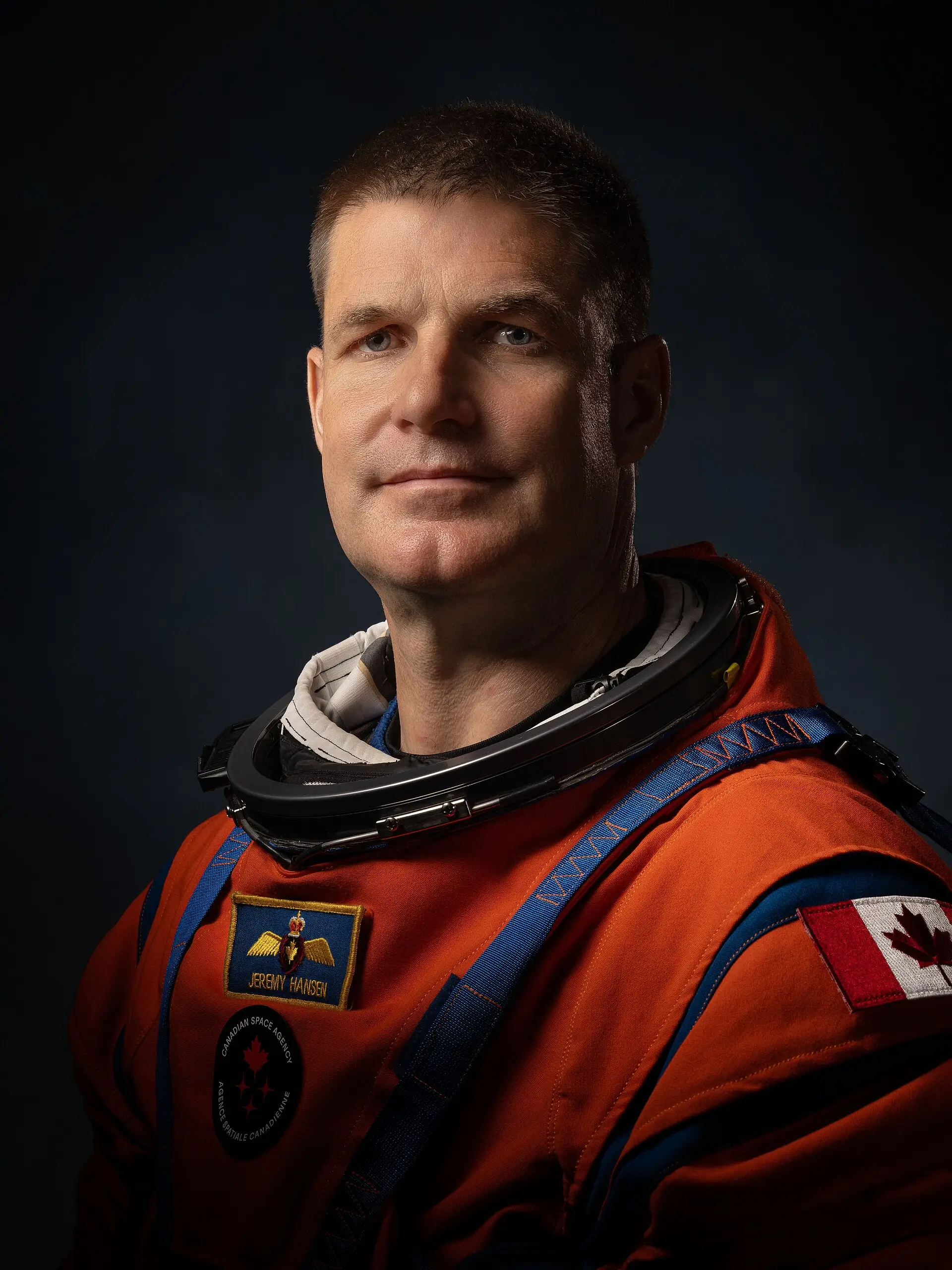
The Canadian Space Agency, quoting 2023 data, pays astronauts between $97,100 to $189,600.
According to Indeed, astronauts have a lot they need to do to prepare for their role.
“While on Earth, they train at facilities such as Johnson Space Center in Houston, gaining proficiency in SCUBA diving, survival scenarios, robotics, and ISS systems,” the job site wrote under its ‘Astronaut’ career page. “Along with technical ability, astronauts must exhibit strong critical-thinking skills, self-discipline, and adaptability—all essential for high-pressure environments and isolated conditions.”
That’s a lot of skill.
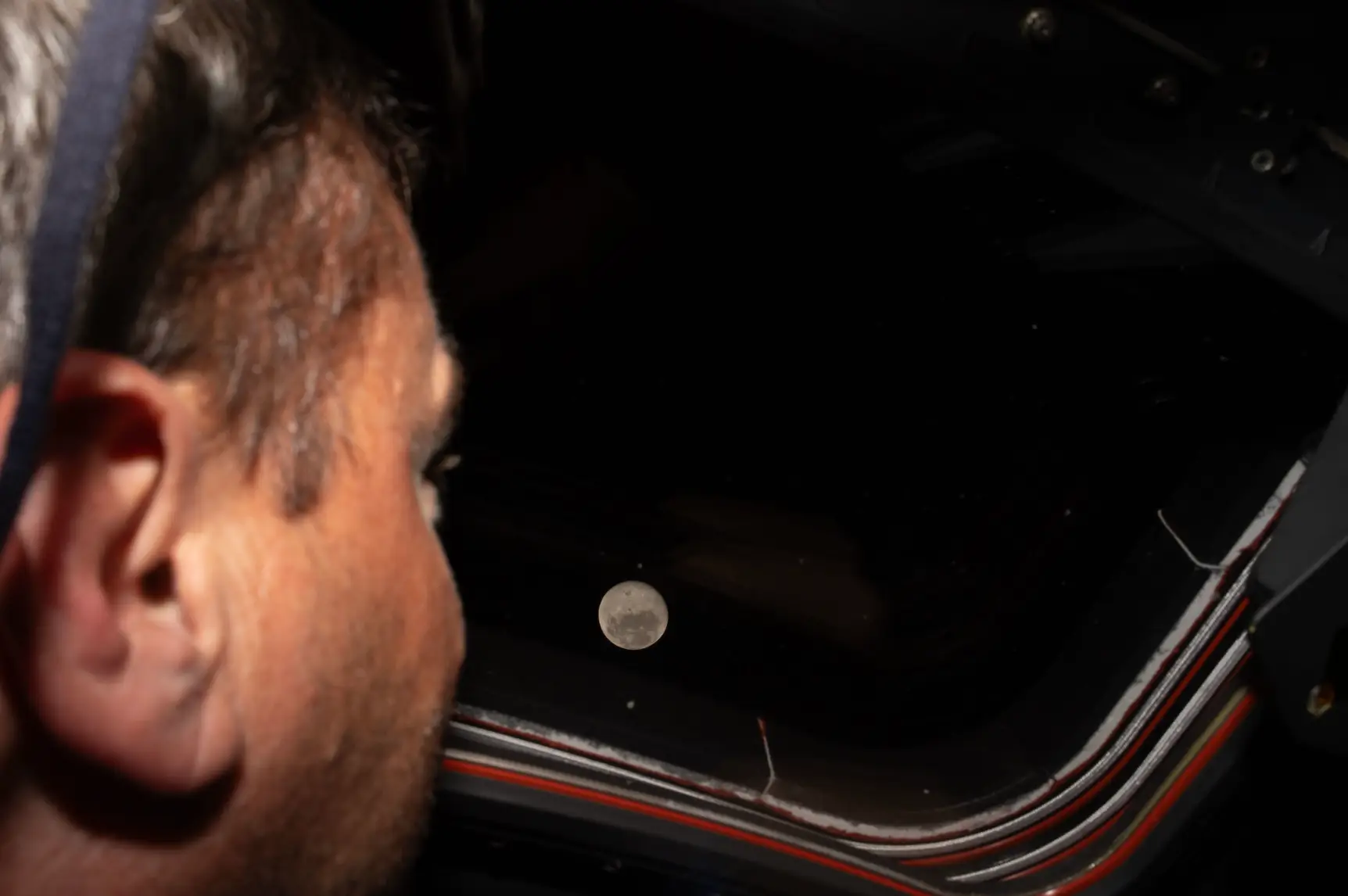
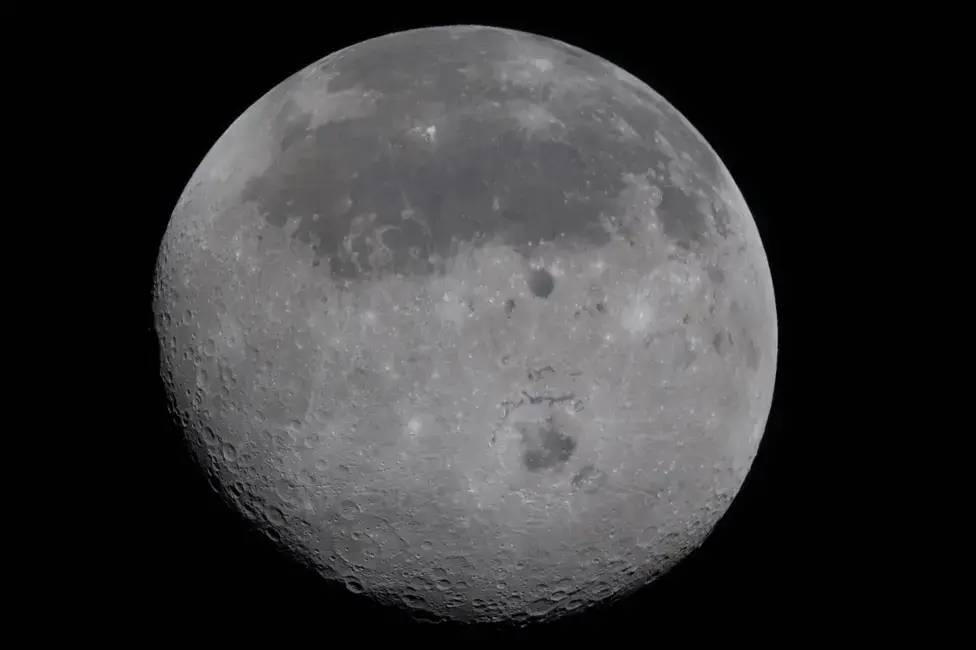
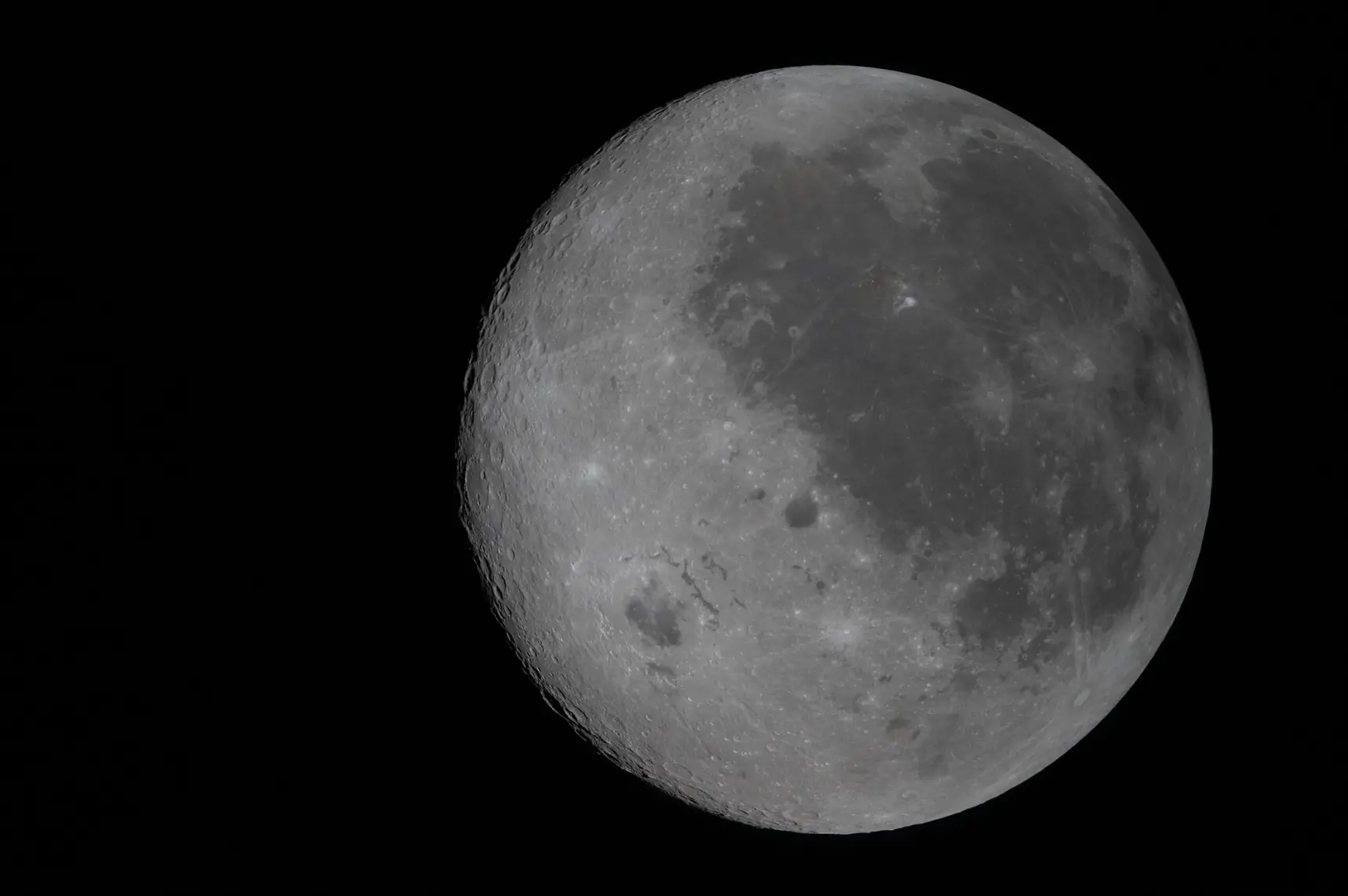
A look at Artemis II's incredible Moon pictures so far
Marking the first time digital cameras have hitched a ride this far into deep space, there are several pieces of camera equipment included in the kit on board for the Artemis II mission. This includes two professional digital SLR cameras - one with a wide‑angle lens and another with an ultra-powerful zoom - as well as a mirrorless camera with a standard lens.
Unusually, the crew also brought iPhones with them up into space, with several photos from inside the Orion craft captured using an iPhone 17 Pro Max. The roster of handheld devices also includes a Nikon D5 and GoPros.
In total, Orion has 32 different cameras and devices, 15 of which are mounted onto the spacecraft itself, and the rest operated by the crew themselves.
NASA says it plans on sharing a lot of this imagery down the line, but we've already been treated to a glimpse of what the crew have captured on their historic mission so far, including a breathtaking full view of our Moon.
Artemis II's approach to the Moon
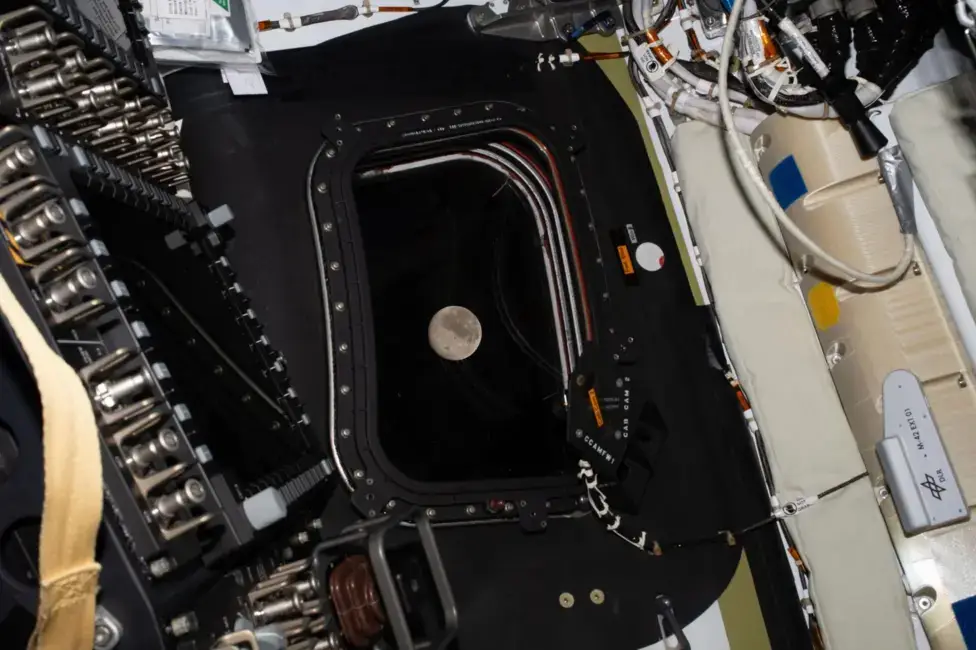
A full view of the Moon
 Britt Jones