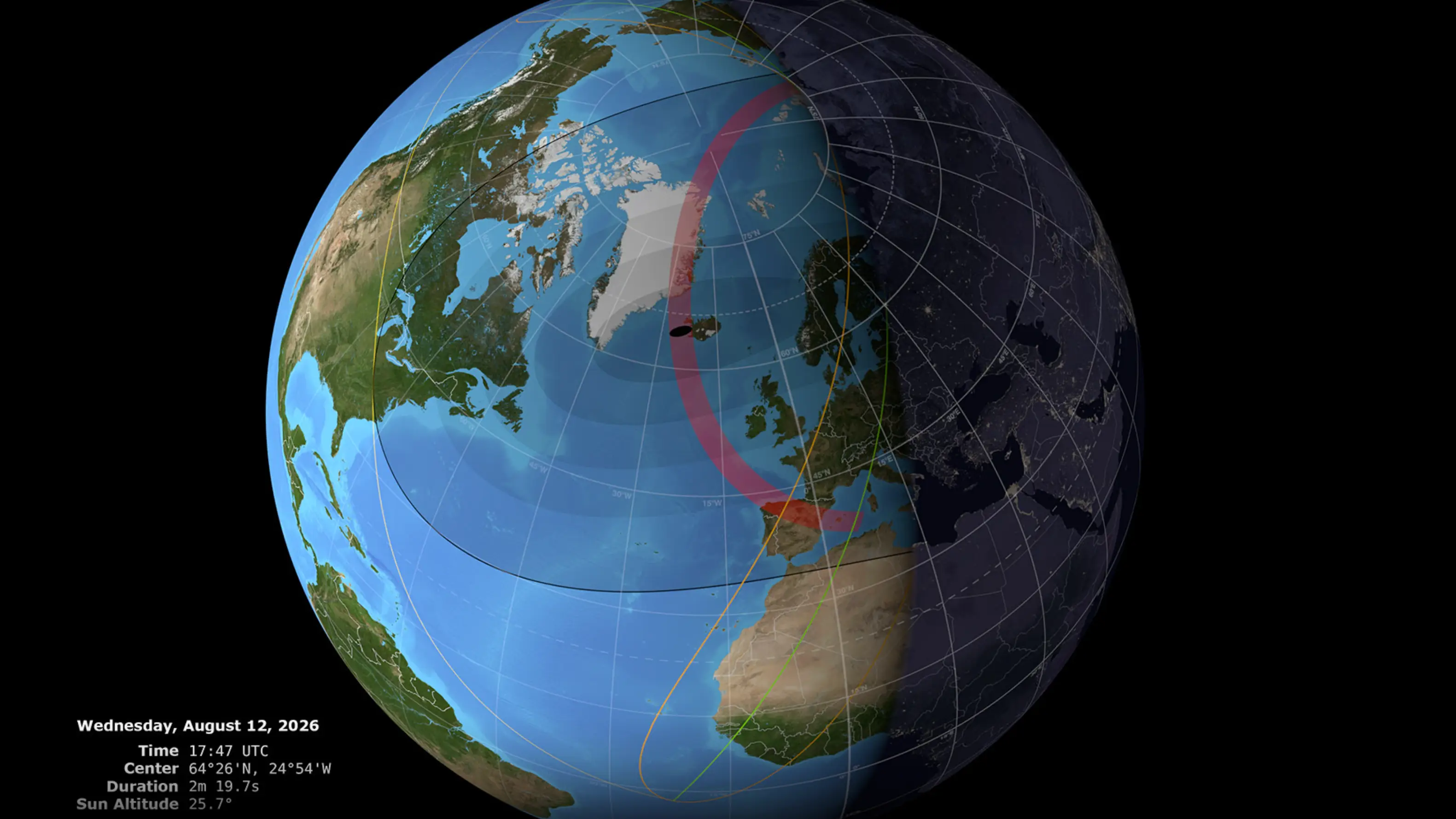
NASA animation shows exactly what Earth will look like during the total solar eclipse

NASA has released two animations which show exactly what different parts of Earth are set to look like during the total solar eclipse.
Today is the day! So get your special glasses, binocular lenses, and telescopes at the ready.
Later tonight, (Wednesday, August 12), a total solar eclipse is set to take place for the first time in, well, a very long time.
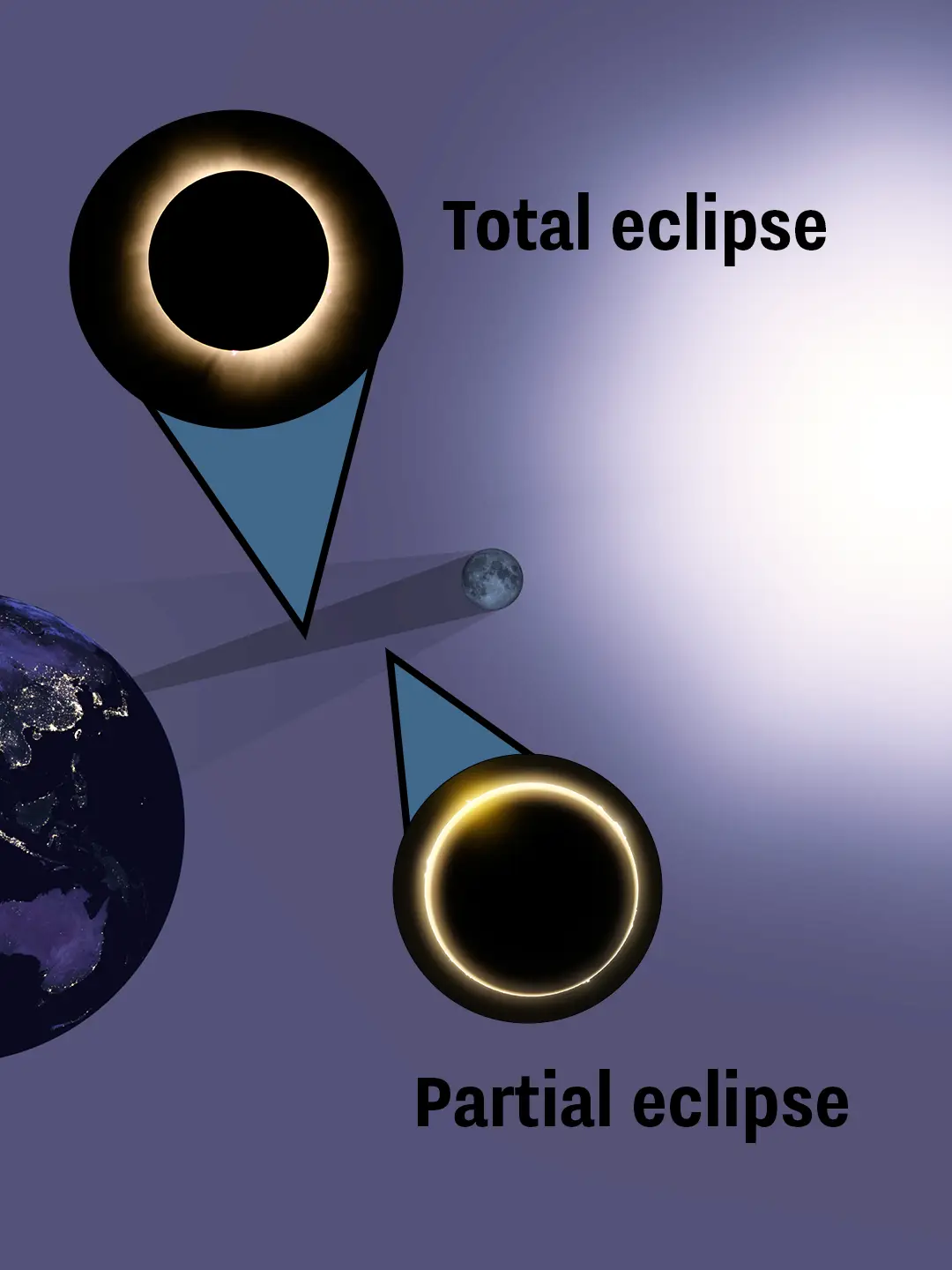
The moon will pass in front of the Sun, blocking it from view completely in some countries, and partially in others.
Advert
In turn, this is set to cast a big old shadow over Earth and given you're unlikely to be jetting out to space anytime soon to watch it from afar, NASA has kindly shared an animation which reveals just what Earth will look like when the eclipse takes place.
NASA explains the 'path of totality begins in far northern Siberia, near the North Pole, and travels south through the oceans of the Arctic and North Atlantic, passing over western Iceland (including Reykjavik) and northern Spain.
"The rest of Europe and parts of North America and Africa experience a partial eclipse."
It then goes on to share two animations.
NASA's animations of what the Earth will look like during the total solar eclipse
The first animation, titled 'Following the Shadow,' sees the virtual camera 'fly on a path that keeps the shadow near the center of the view but makes Earth's rotation difficult to discern'.
The second, named 'Fixed in Space,' sees the camera not move.
"Strictly speaking, the camera is stationary in the J2000 coordinate system centered on Earth — nothing is truly motionless except in relation to a particular reference. Other views are stationary over Iceland and Spain and over the United States," NASA explains.
But where in the world can expect to see a total blackout as a result of the eclipse versus which countries only set to get a partial blackout?
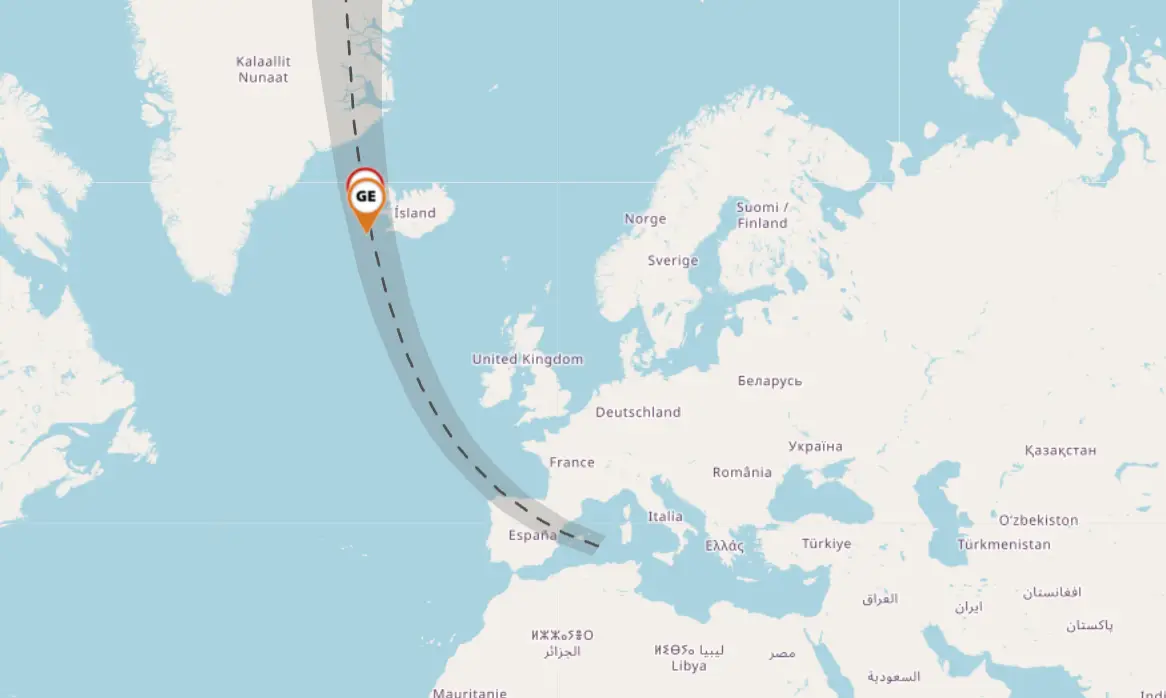
Map shows where in world will go completely dark as Spain gets blackout
Well, Iceland, Spain, Greenland, northern parts of Russia and northeastern areas of Portugal are set to see a total blackout.
People in the UK can expect to see up to 90 percent of the Sun blocked out.
Partial eclipses will be available to spot across Europe, Canada and north-western Africa.
NASA has released a map to show where the eclipse will be visible, marking the 'greatest eclipse' just west of Iceland.
Unfortunately, the US won't see totality this time, so you'll have to watch it unfold online.
But before you get too overexcited and dash outside, make sure to protect your eyes.
Why? Well, you don't want to find out the hard way what happens if you look at a solar eclipse without protection.
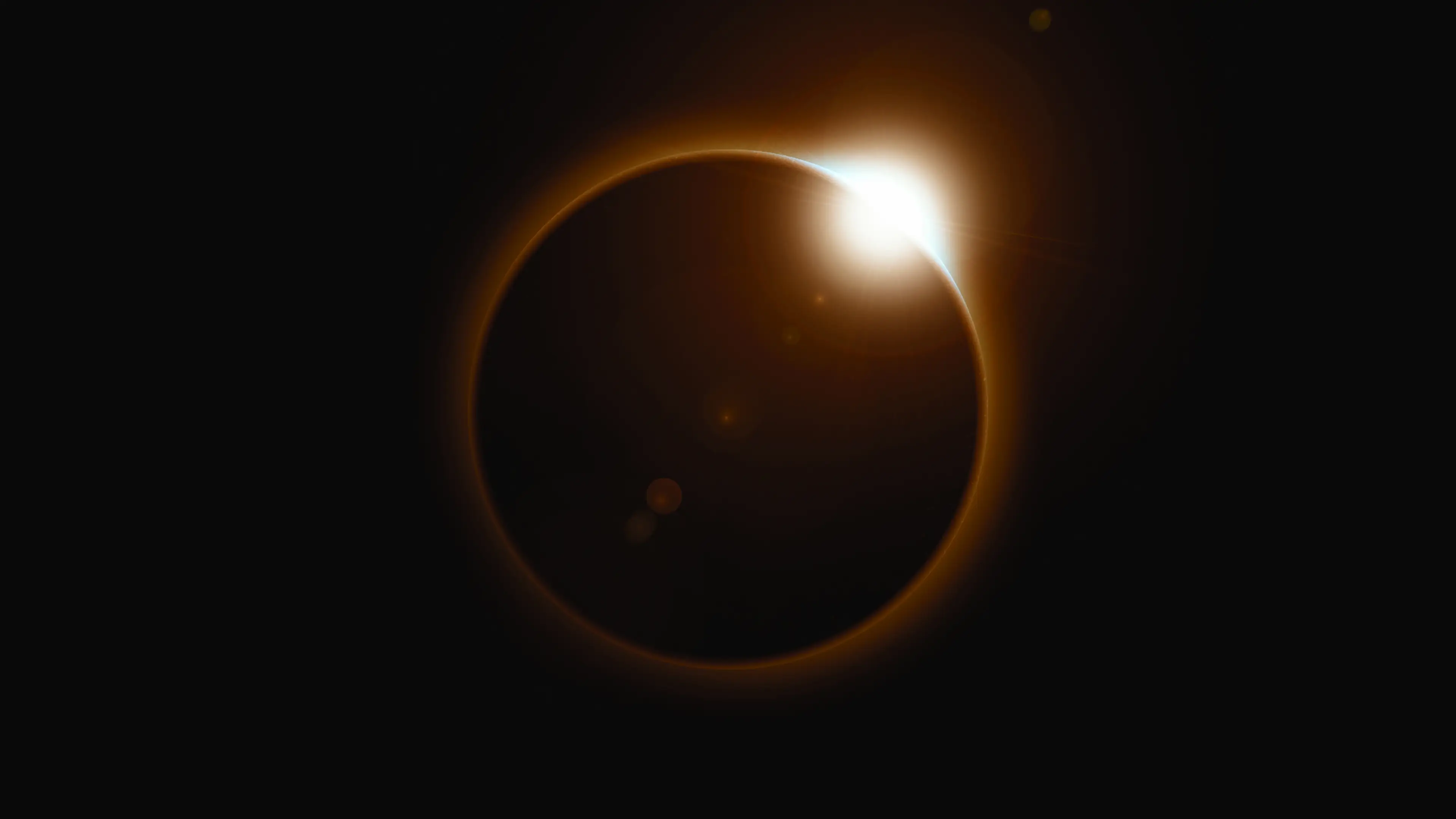
What happens if you look at a solar eclipse
As millions around the world catch a glimpse of the partial solar eclipse, it's certainly worth noting down how dangerous is can be to look directly at it.
You wouldn't look directly into the Sun, right? Well, the same applies to a solar eclipse.
Experts over at NASA have broken down exactly why you shouldn't look directly at one without specialized eye protection, and what exactly happens if you do.
Viewing any part of the Sun directly, or through a camera lens, binoculars, or a telescope without a special-purpose solar filter secured over the front of the optics will instantly cause severe eye injury.
Seema Eye Care Center explains how directly making contact with the Sun during an eclipse can damage the retina - the part of the eye that senses light and helps us see.
The damage, called 'solar retinopathy', can happen very quickly and is often painless, so a person might not even realize it’s happening.
Symptoms of solar retinopathy include:
- Blurry vision
- Blind spots
- Permanent vision loss
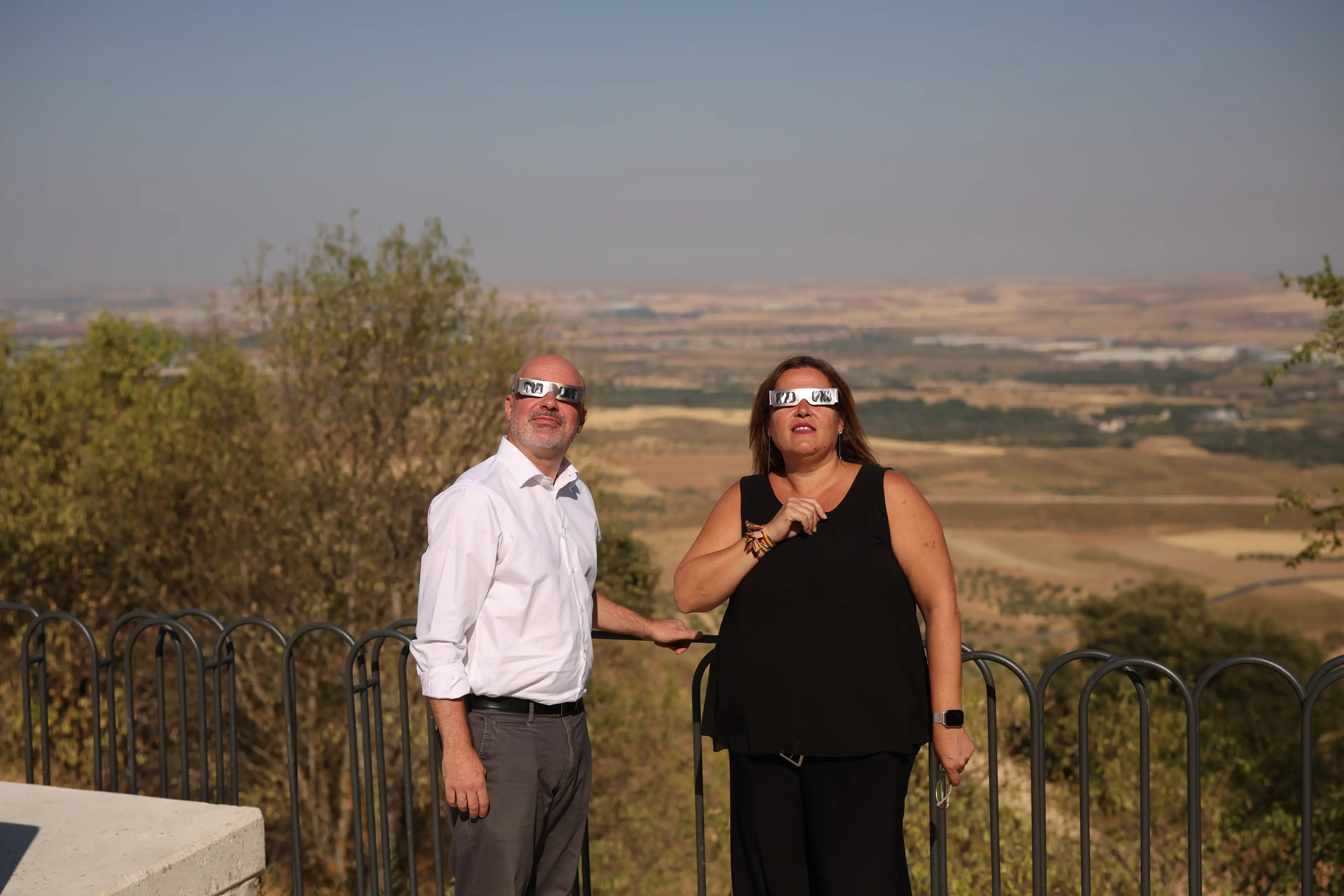
How to watch a solar eclipse safely
When watching a partial or annular solar eclipse directly with your eyes, you must look through safe solar viewing glasses, which are known as 'eclipse glasses', or a safe handheld solar viewer at all times.
Eclipse glasses are not regular sunglasses; regular sunglasses, no matter how dark, are not safe for viewing the Sun.
Always make sure to inspect your eclipse glasses or handheld viewer before use; if torn, scratched, or otherwise damaged, discard the device.
Never look at the Sun through a camera lens, telescope, binoculars, or any other optical device while wearing eclipse glasses or using a handheld solar viewer - the concentrated solar rays will burn through the filter and cause serious eye injury.
Of course, if you do not have eclipse glasses or a handheld solar viewer, you can use an indirect viewing method, which usually consists of a pinhole projector. This has a small opening and projects an image of the Sun onto a nearby surface.
With the Sun at your back, you can then safely view the projected image.
Topics: NASA, Science, Space, Earth, World News
 Poppy Bilderbeck