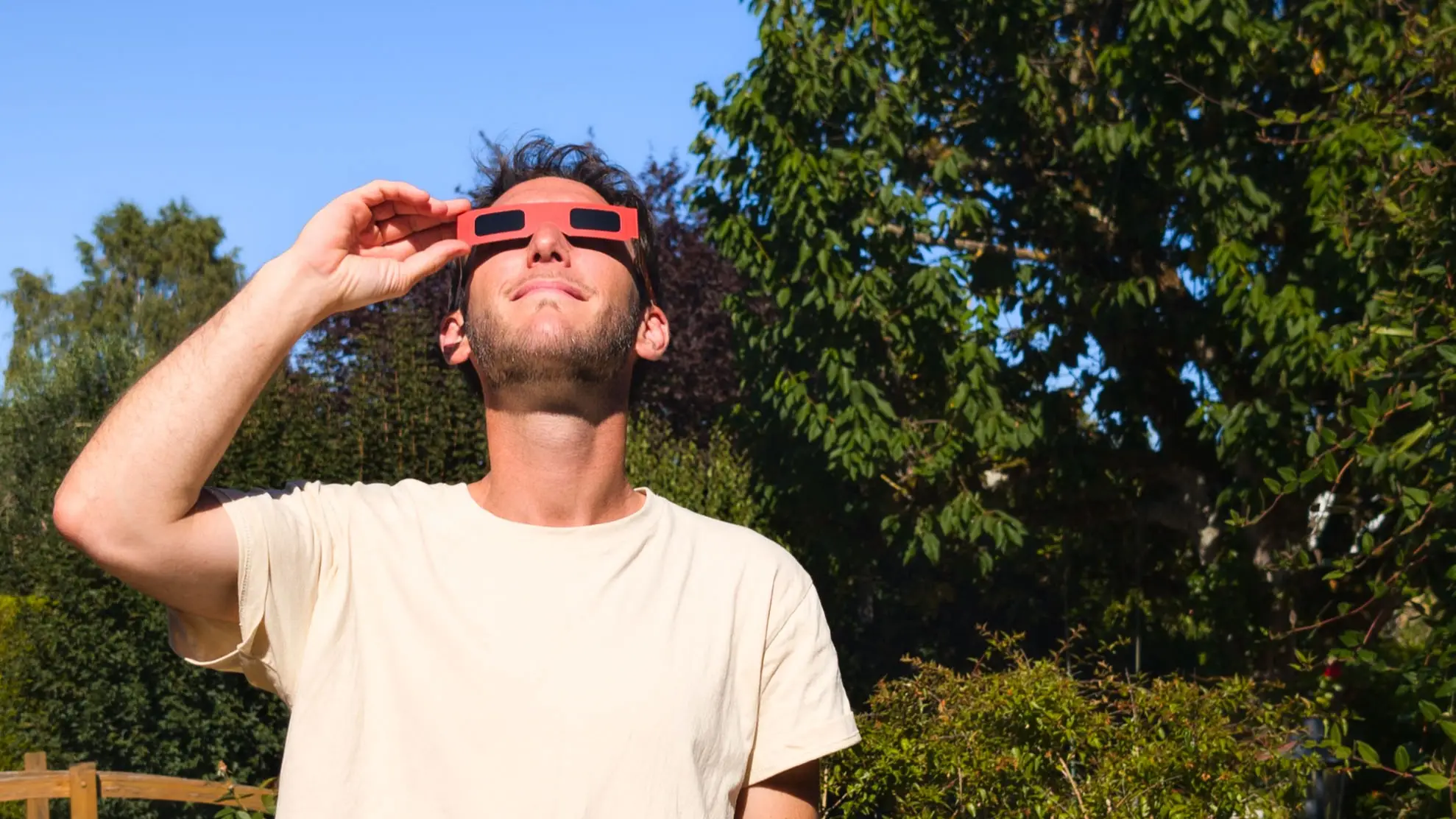
Solar eclipse coincides with second astronomical event in rare moment - and there's more

Four major celestial events are set to take place at the same time, but are you one of the lucky countries set to have the best seats to watch?
For those of us who can't quite remember when their last physics lesson was with school now that long ago, a solar eclipse occurs when the Moon passes between the Earth and the Sun, totally or partly obscuring the view of the Sun if you were to look up at it from Earth.
And a total solar eclipse is set to occur on August 12, 2026 - yes, in just two days time - at 12:15 UTC.
However, that's not it either, the total solar eclipse set to be joined by a Perseid meteor shower, new moon rising and planet alignment in space.
Advert
For the less savvy star gazers among us, here's what you can expect to see...
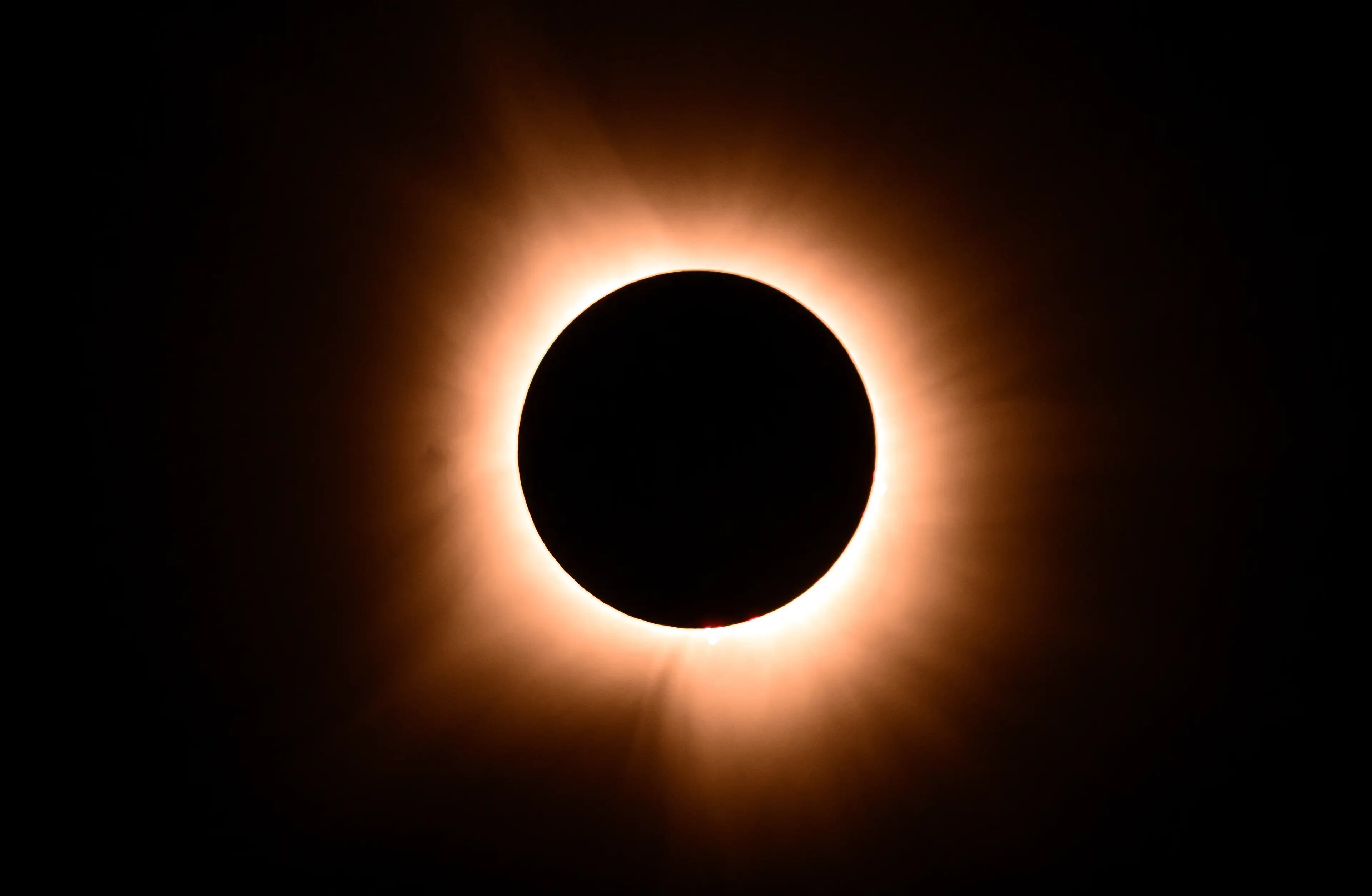
What is the Perseid meteor shower?
The Persieds are a meteor shower - also known as shooting stars - which are caused by debris from comet Swift-Tuttle.
Swift-Tuttle is a comet with a 1995 orbital period of 133 years.
And it's called the Persied meteor shower because the meteors - glowing streak of a burning body of debris - appear from the direction of the constellation of visible stars known as Perseus.
The shower can typically be seen from mid-July onwards, and in 2026 will be active between July 17 and August 24, RMG notes.
The best day to see it however? August 12 and 13, right after the total solar eclipse, the American Meteor Society reports.
And it's particularly special, IFL Science adds, because it's the first time there's potentially been a record of both the Perseid meteor shower and the total eclipse happening on the same day.
Oh and if that wasn't enough cosmic excitement for you either, a six planetary alignment set to take place this week too.
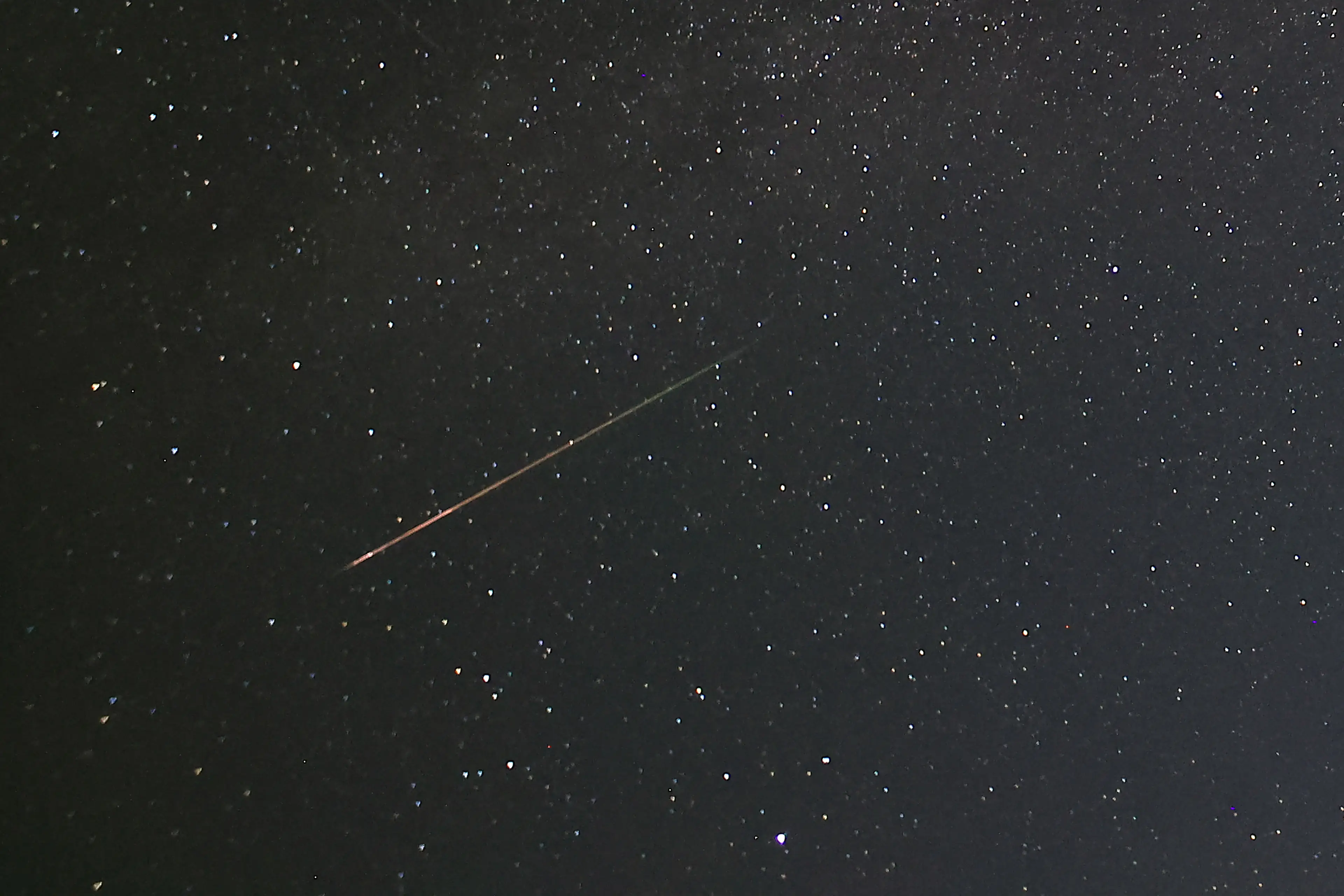
When is the six planetary alignment taking place?
Jupiter, Mercury, Mars, Uranus, Saturn, and Neptune are set to appear side-by-side in the sky on August 12, StarWalk reports.
In fact, it'll take place in the pre-dawn hours lasting for several nights after too, as per The Planetary Society.
A new moon rises
And if that wasn't enough already, a rising new moon is set to appear in the sky on August 12 too at 1:37pm Eastern Time.
But where are the best locations to see it all?
How to see the new moon rise, eclipse, Perseid meteror shower and six planetary alignment
Well, one of the Northern Hemisphere's most anticipated displays, the Perseids are best spotted from northern areas of the US, Canada, much of Europe and northern Asia, AFAR reports.
The path which will see a total eclipse lies across northern Siberia, northern Spain, northeast Portugal, the Arctic, Greenland, Iceland, and the Atlantic Ocean.
Countries which can expect to see a partial eclipse include: The Balkans, Italy, Great Britain, Ireland, France, North Africa and Portugal.
Areas of northern North America, North Africa, West Africa, the rest of Europe will also get a glimpse too.
It goes without saying that ditching the city and going further out of town into areas of countryside is also advised, banishing any artificial light pollution from blocking a clear view of the sky.
Although, when it comes to the planet alignment, while you should be able to spot Mars and Saturn, it'll be tricky to catch Mercury unless with a clear horizon, Jupiter even trickier. And you'll need binoculars for Mercury and Uranus.
Neptune will require a telescope. So, if you've been missing your astrology days, go dust that one off from the attic eh?
Topics: Space
 Poppy Bilderbeck