Astronomer explains why we’ve probably all missed 1,300 lb space probe’s return to Earth, including NASA

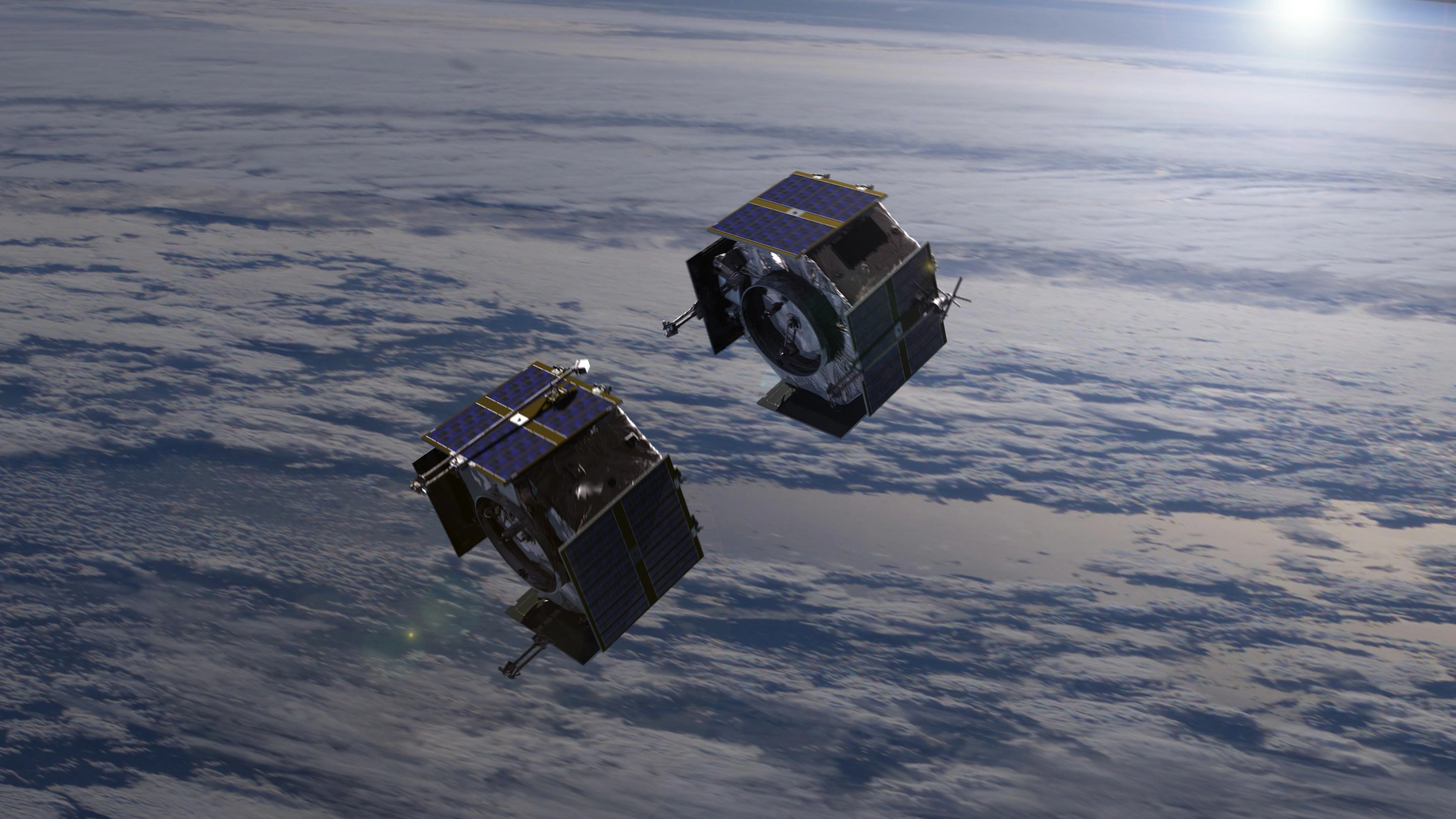
An astronomer has explained why a 1,300 pound NASA space probe has probably already fallen to Earth, and we've likely missed it.
Earlier this week, the US space agency announced one of its Van Allen probes would be crashing back down to our planet eight years early.
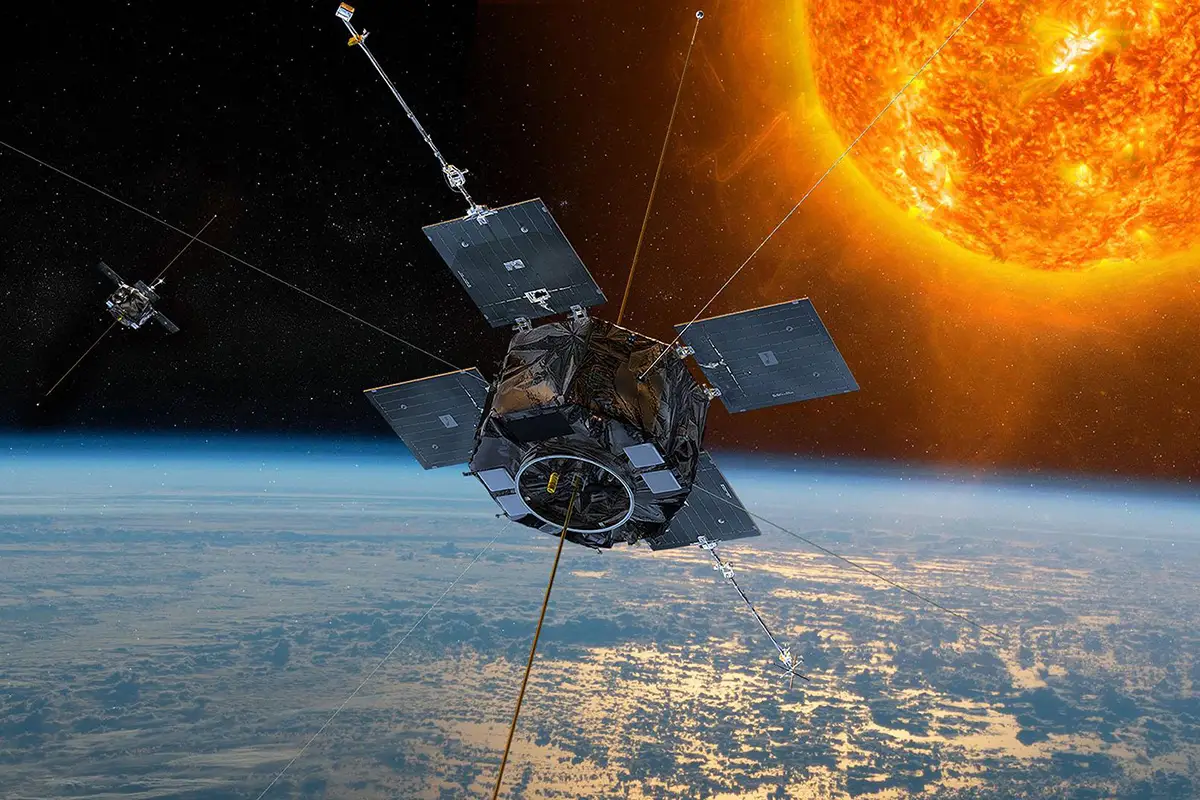
The pair of probes, Van Allen A and B, were launched in 2012 to explore two doughnut-shaped zones of high-energy charged particles in a belt of the same name.
These particles, some 40,000 miles above Earth, are trapped by our planet's magnetic field and protect the planet by absorbing and deflecting solar wind.
Advert
The Van Allen probes were poised for a two-year mission, helping scientists understand how particles are gained and lost.
But they spent the best part of seven years at work, eventually running out of fuel.
Last night (Tuesday March 10), Van Allen probe A, weighing 1,323 pounds, was due to crash back down to Earth, leaving probe B alone in space.
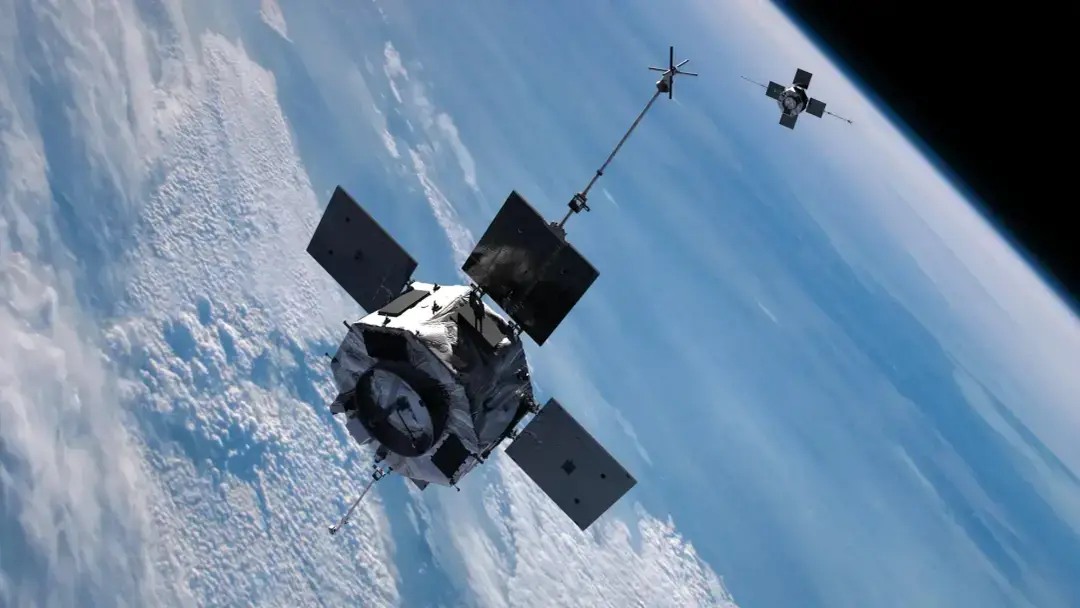
The twin probe is expected to return by 2030.
NASA said it expects most of the Probe A spacecraft to burn up as it travels through the atmosphere, but added 'some components are expected to survive re-entry.'
The space agency added: "The risk of harm coming to anyone on Earth is low - approximately 1 in 4,200.
"NASA and Space Force will continue to monitor the re-entry and update predictions."
At the time of writing, there have been no official updates on the probe's final journey.
But astrophysicist Jonathan McDowell, who works at the Harvard–Smithsonian Center for Astrophysics's Chandra X-ray Center, took to X, formerly Twitter, to explain why that could be.
In his thread, he said: "For multi-tonne satellites we usually get a final 'prediction' with an accurate location and an error bar of one minute that is really a detection from secret infrared satellites. VAP A [Van Allen Probe A] may not be big enough to get one of these..."
He continues: "Instead we may be left with, 'umm, we saw it on Sunday and by Wednesday, our failure to see it again on the radars makes us pretty sure it came down sometime on Monday or Tuesday.' - We may never get better than that. We'll see."
The astronomer added that if the probe was to burn up over a populated area at night, then 'someone may see the reentry and we can say "that's exactly where VAP A would have been at that moment IF it were still in orbit."'
But McDowell digressed: "That coincidence in time and space would give us confidence we'd seen the VAP A reentry and not some other reentry.
"Odds are, though, that it came down over the ocean or in daytime and no-one saw it."
How disappointing...
McDowell shed some light on why NASA drew attention to the probe coming down - aside from it marking a major milestone in the mission.
"NASA say the estimated risk of debris from this reentry causing casualties is about 1 in 4000, which is tiny but not as tiny as the 1 in 10000 threshold that they use to go 'we're not gonna worry about it', which is why this is popping up on the news," he said.
"Even if you live in the target area within 10 degrees of the equator, with perhaps half a billion people in that area, a 1 in 4000 chance of *someone* getting hit is something like a 1 in 2 trillion chance of *YOU* getting hit," McDowell added.
He concluded: "Uncontrolled reentries resulting in entry at an unpredictable time and location are not a good thing for larger spacecraft, and we need to do better in general about designing our spacecraft so they can be deorbited in a controlled way."
The more you know!
Topics: Space, Science, NASA, Earth, Technology
 Ellie Kemp