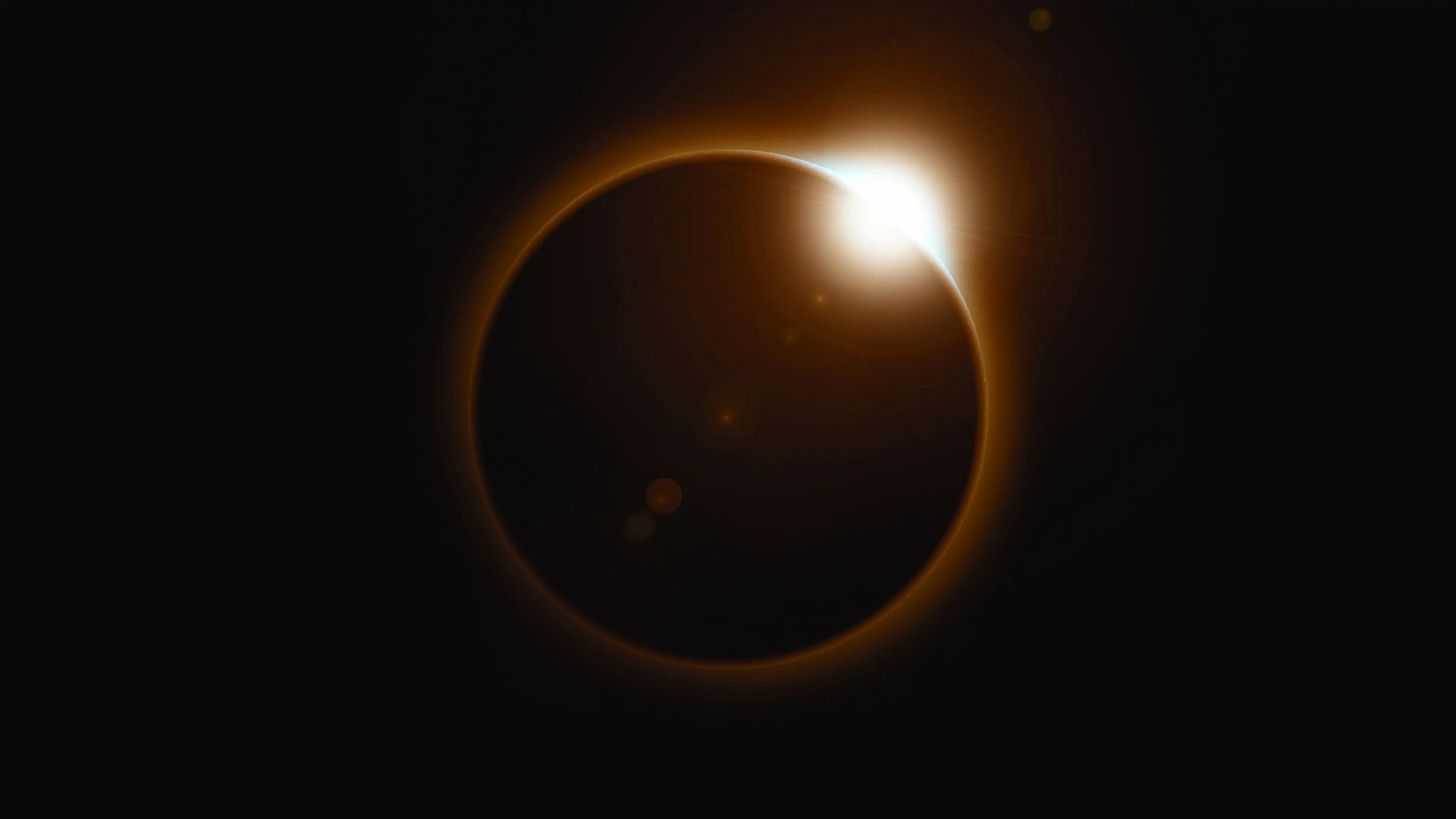
What happens if you look directly at a solar eclipse as warnings issued ahead of sighting

A total solar eclipse is set to take place this week, but how can you see it and also ensure your eyes stay protected?
On August 12, 2025, a total solar eclipse is set to take place at around 1.50pm EDT in the US and 7pm BST in the UK.
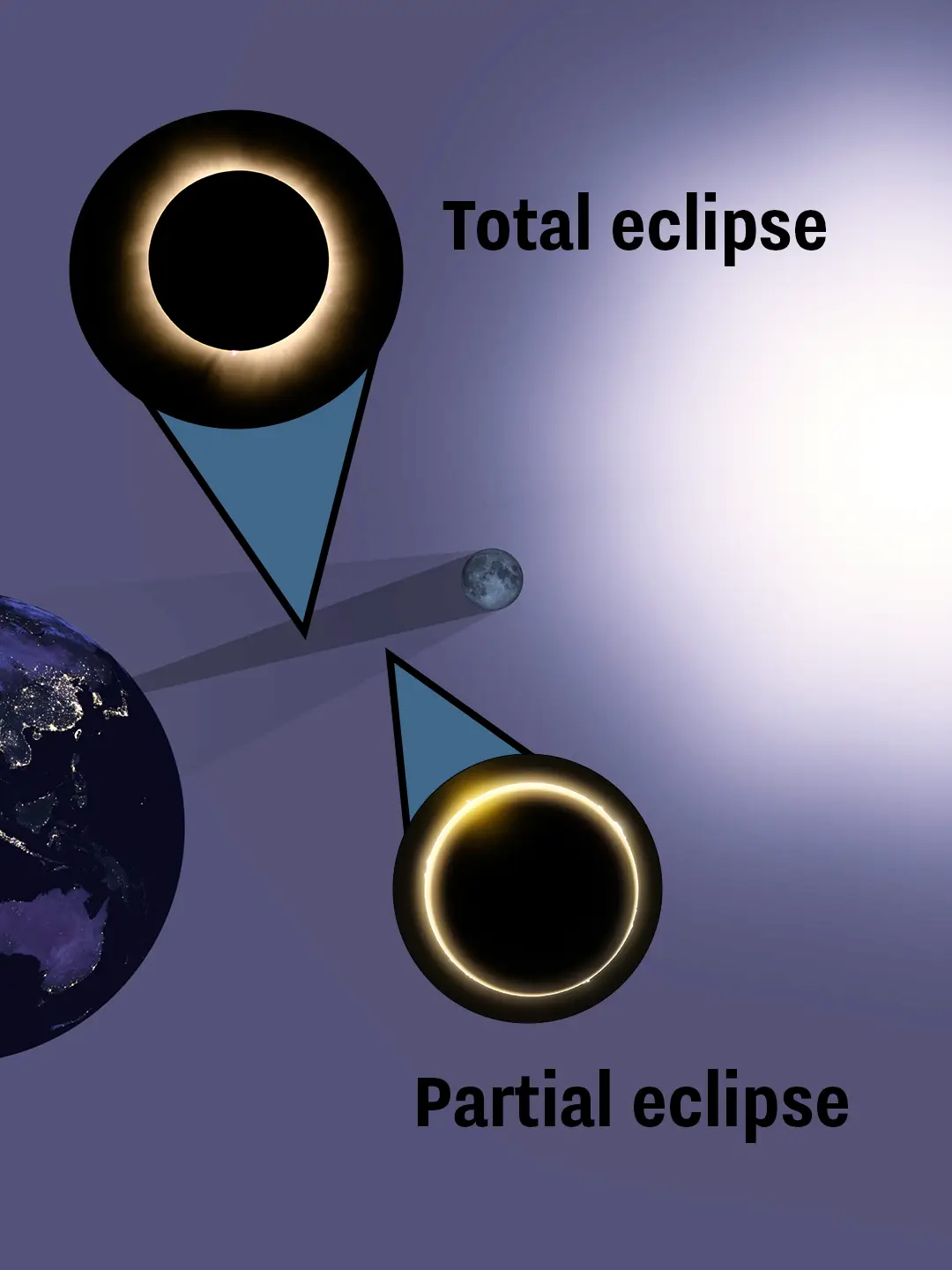
For those who've not kept up with any sorts of physics since dropping to double science at school, a solar eclipse is when the Moon passes between the Earth and the Sun, totally or partly obscuring the view of the Sun if you're looking up at it from Earth. And that's not all.
As if that wasn't enough astronomical events to get excited about, the total eclipse is joined by three other major events.
Advert
But when it comes to the total eclipse, what you may not have been taught at school or know about now, is that it could pose a potential risk to your eyes depending on how you view it.
Yep, there's some health and safety rules and regulations incoming, but you will want to pay attention.
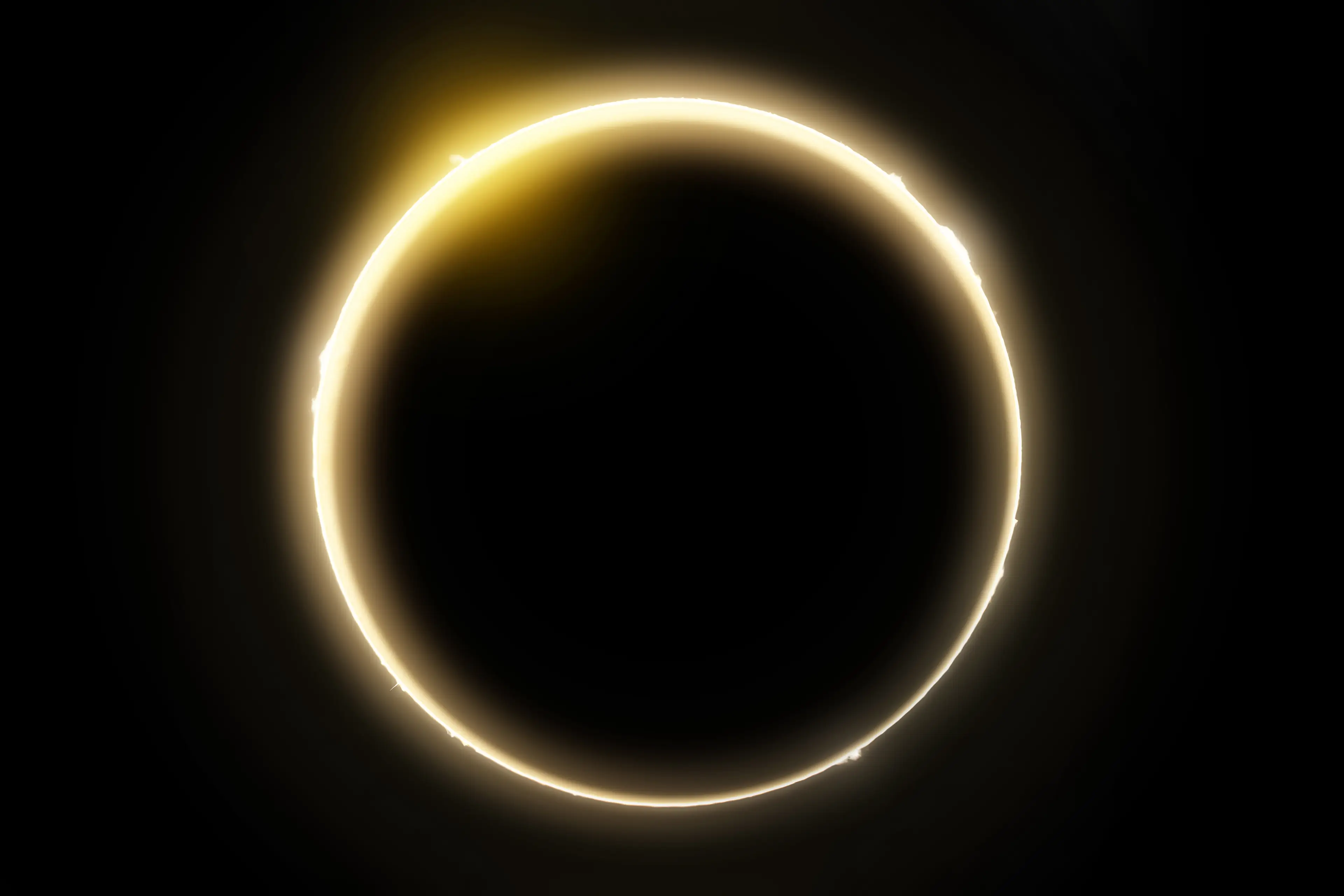
An optometrist's advice for watching the solar eclipse
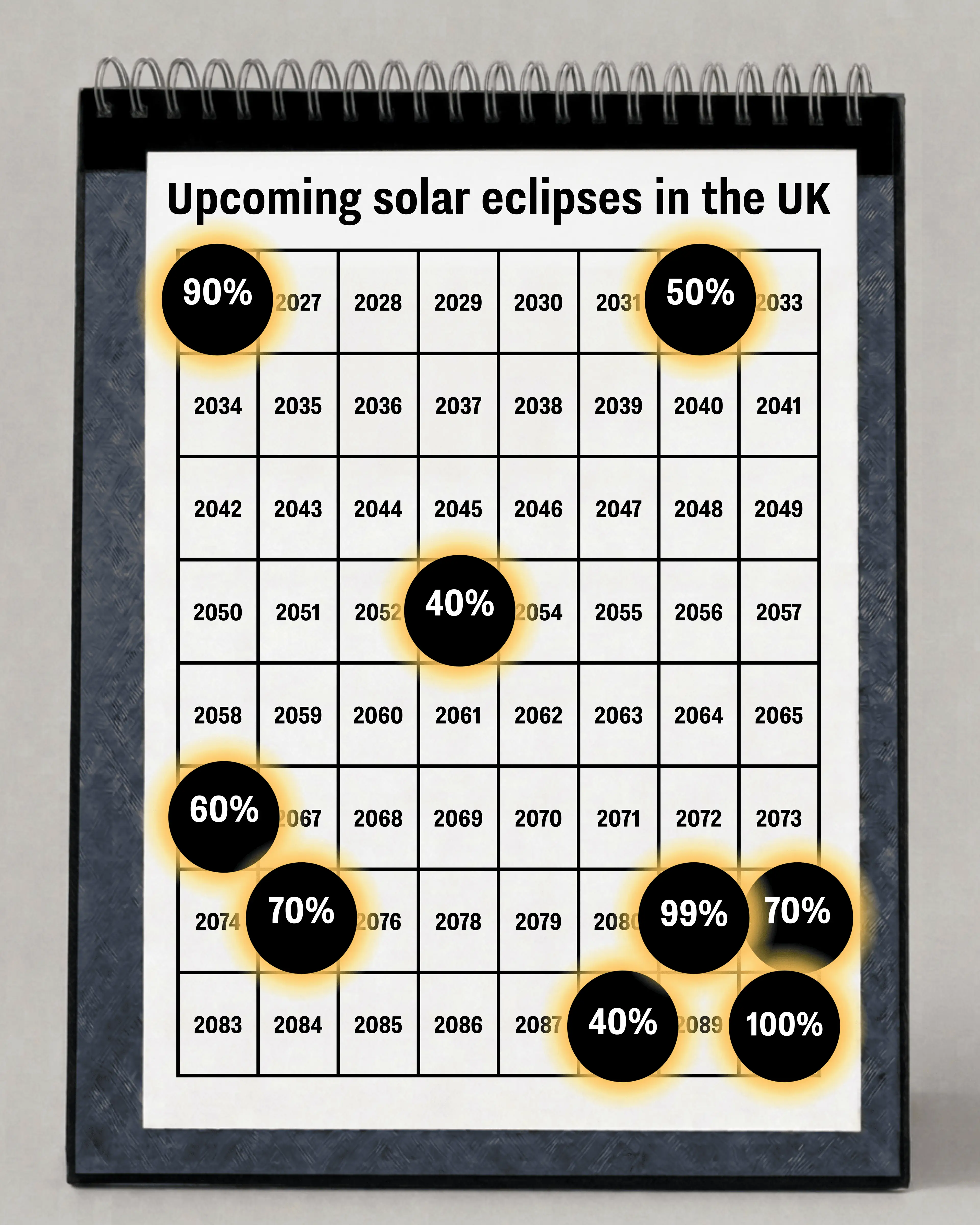
Kyla Black, Boots Opticians Director of Optical Practice, noted the UK is set to see 90 percent of the sun obscured by the Moon.
"While it's tempting to look up and enjoy the moment, it's important to remember that viewing a solar eclipse incorrectly can cause serious and permanent damage to your eyes," he echoed.
Essentially, don't look directly at it with the naked eye, but by wearing 'certified eclipse glasses that meet the international ISO 12312-2 safety standard'.
And no, you can't substitute those with sunglasses. And no, again, not even wearing multiple at the same time can help.
"Another option would be to watch the solar eclipse from the comfort of your own home on a livestream," he adds. “Those that are looking to use a camera and take some photos can use specially designed solar filters. The same filters can also be used for the secret astronomers amongst us who own a telescope or simply a pair of binoculars."
Oh and when it comes to 'fun ideas' such as DIY fillers and pinhole projectors out of cereal boxes, Black notes they're 'dangerous' too.
"Objects such as smoked glass, colour film, floppy disks, X-ray film, and dark sunglasses are unable to block invisible infrared and ultraviolet rays, potentially leading to damage to your eyesight," he reveals.
If any budding astronomer is gazing through a camera, binoculars or telescope, they should make sure they have 'approved solar filters attached' too.
And if all the glasses and lenses have sold out?
How else to watch a solar eclipse safely
If you do not have eclipse glasses or a handheld solar viewer, you can use an indirect viewing method, which usually consists of a pinhole projector. This has a small opening and projects an image of the Sun onto a nearby surface.
With the Sun at your back, you can then safely view the projected image.
But what can happen if you don't heed advice?
What happens if you look at a solar eclipse
As millions around the world catch a glimpse of the partial solar eclipse, it's certainly worth noting down how dangerous is can be to look directly at it.
You wouldn't look directly into the Sun, right? Well, the same applies to a solar eclipse.
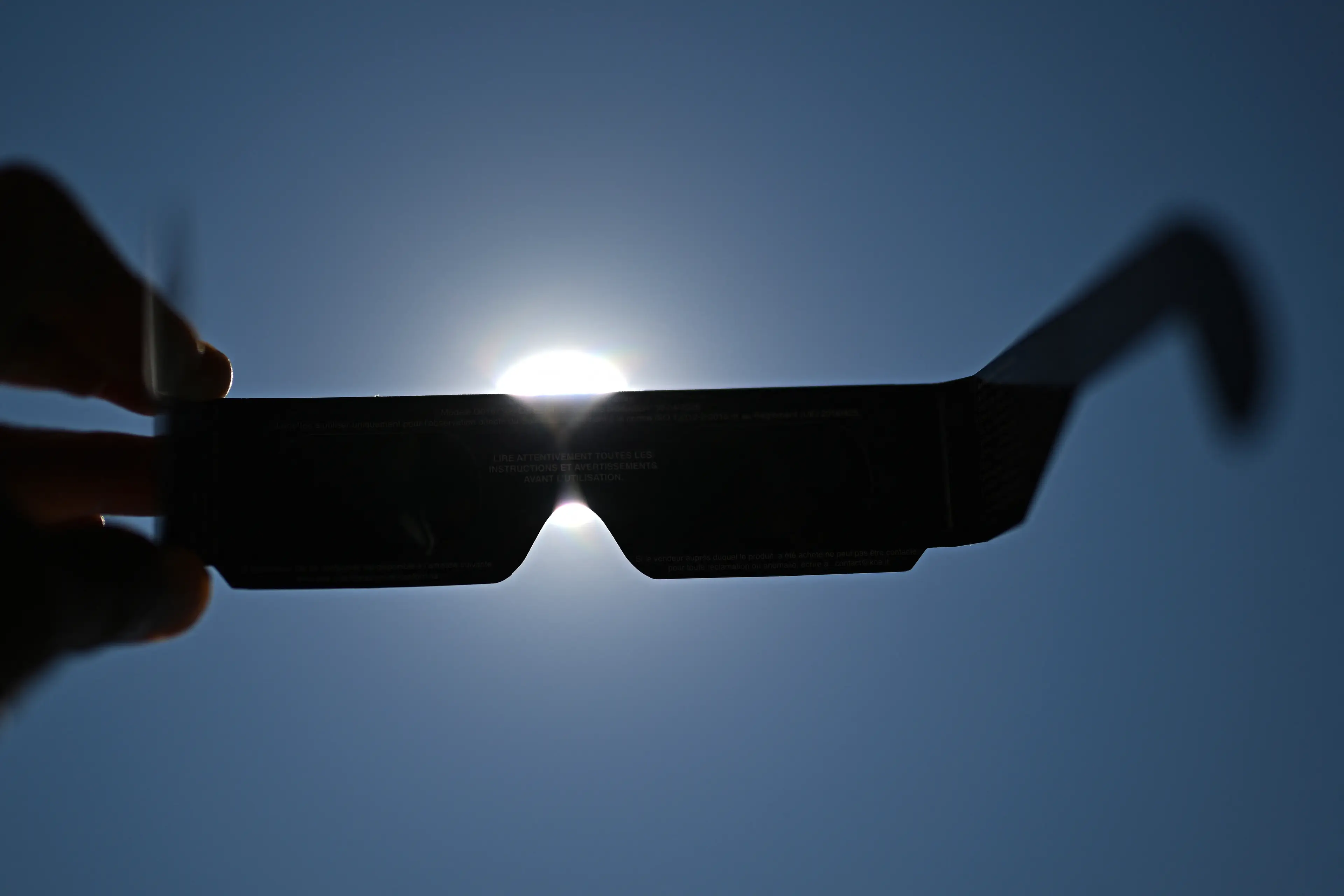
Experts over at NASA have broken down exactly why you shouldn't look directly at one without specialized eye protection, and what exactly happens if you do.
Viewing any part of the Sun directly, or through a camera lens, binoculars, or a telescope without a special-purpose solar filter secured over the front of the optics will instantly cause severe eye injury.
Seema Eye Care Center explains how directly making contact with the Sun during an eclipse can damage the retina - the part of the eye that senses light and helps us see.
The damage, called 'solar retinopathy', can happen very quickly and is often painless, so a person might not even realize it’s happening.
Symptoms of solar retinopathy include:
- Blurry vision
- Blind spots
- Permanent vision loss
So, safety first and all that.
How to make a pinhole projector for a solar eclipse
You don't need fancy, expensive equipment to safely view a solar eclipse, as a pinhole projector can be very easily made at home if you follow these simple steps.
According to NASA, all you'll need is:
- 2 pieces of white paper card
- Aluminium foil
- Tape
- Pin, paper clip, or a pencil
Step one: Start making your pinhole camera
Cut a one-inch to two-inch square or rectangular hole in the middle of one of the pieces of card stock.
Step two: Tape on the foil
Tape a piece of aluminum foil over the hole.
Step three: Poke a hole
Flip over your paper and use your pin, paper clip, or pencil to poke a small hole in the aluminum foil.
Step four: Try it out
Place your second piece of card stock on the ground and hold the piece with aluminum foil above it (foil facing up). Stand with the Sun behind you and view the projected image on the card stock below.
The farther away you hold your camera, the bigger your projected image will be.
However, it's important to remember to never look directly at the Sun without equipment that's specifically designed for looking at the Sun. Sunglasses, binoculars, and telescopes do not count as proper protection.
Topics: Health, World News, Science, UK News
 Poppy Bilderbeck