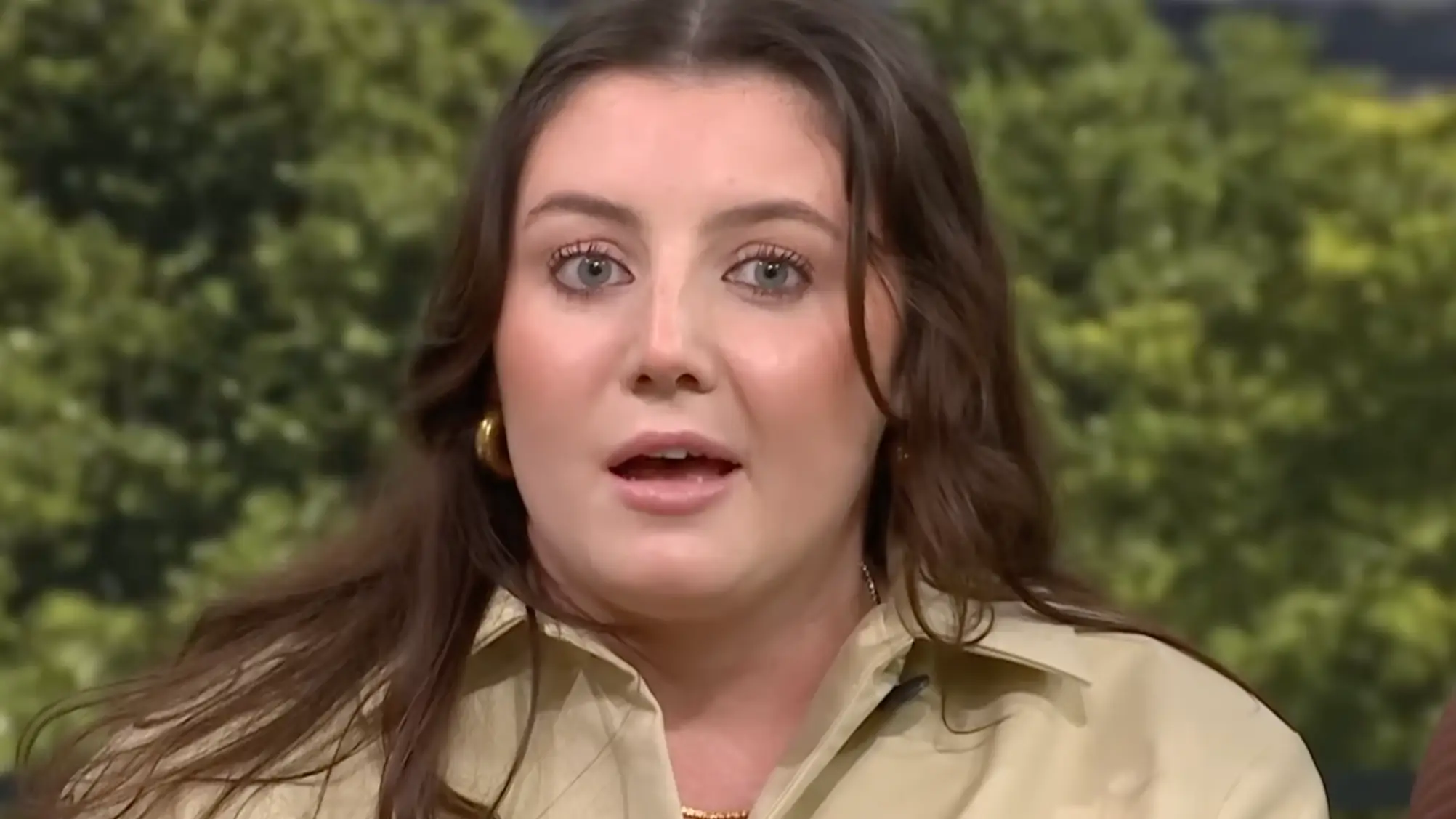
Woman, 26, had no idea she was at risk of a stroke due to condition she was born with

A woman who suffered a stroke aged 26 is spreading awareness about the symptoms after thinking that only older people had them.
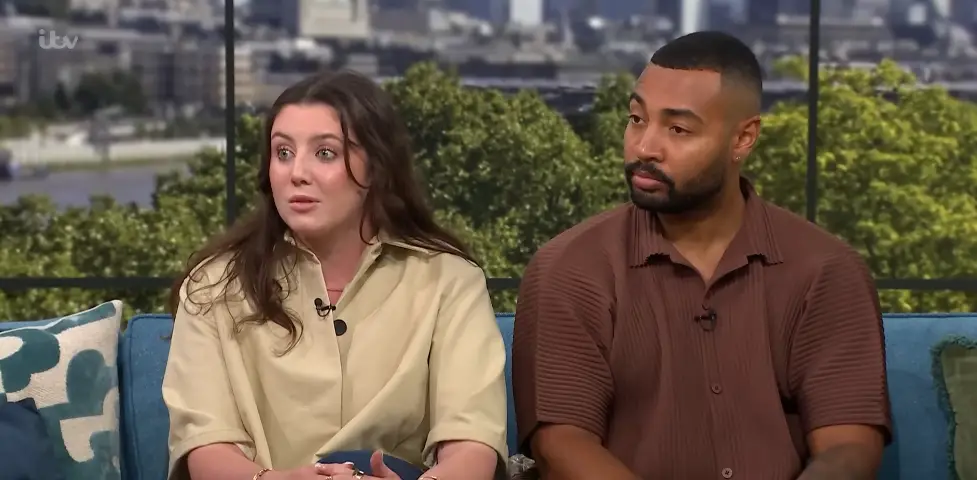
When Niamh Foster rushed to hospital after experiencing symptoms, news of her condition came as a huge shock to her and her partner, Reece Frimpong.
Foster suffered a stroke in her sleep two years ago but it wasn't immediately clear what was happening.
“I was laying in bed. I think it was maybe 2 maybe 3 o’clock in the morning roughly because it was at the time, and I actually had my stroke in my sleep,” she said on This Morning.
Advert
“But I didn’t realise I was having a stroke. I felt really uncomfortable. I felt fidgety. I thought I had cramp on my right hand side.”
The following morning, Niamh and Reece went to the hospital. “It wasn’t until the morning that I woke up and Reece was like getting ready for work and you just presumed I was sleeping in, had a restless night.”
As Reece was getting ready to leave for work, Niamh recalled managing to climb out of bed to go to the bathroom. When she looked in the mirror, she spotted one of the familiar symptoms of a stroke.
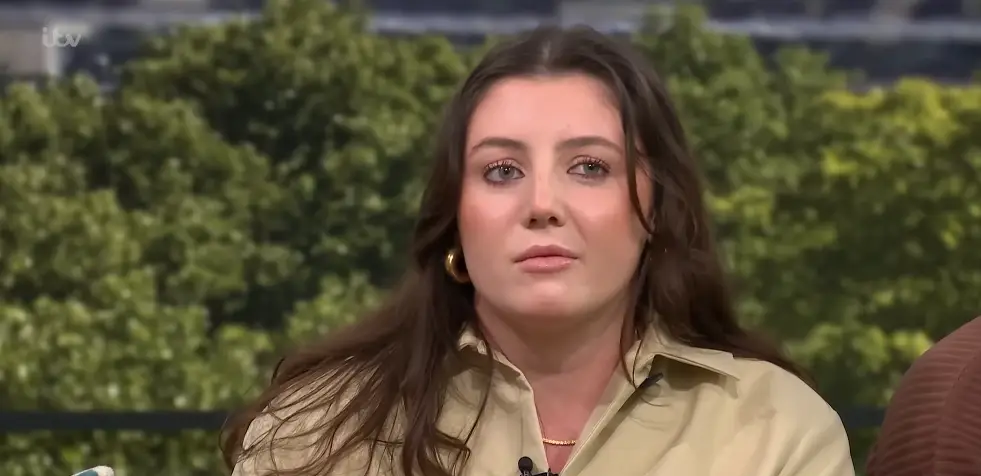
Niamh realised one side of her face had drooped. “But even then, I didn’t think ‘stroke’," she said.
Reece took Niamh to the hospital where she ‘sped through’ A&E (the Emergency Room) and had a MRI and CT scans. It was shortly after when doctors informed her that she had a stroke.
The situation was scary for the couple who were not expecting the news, partly due to Niamh’s age.
“I remember not really realising the gravity of it because I wasn’t really in the know,” Niamh shared. “I didn’t know about stroke. There was no stroke awareness. I thought strokes happened to older people.”
Niamh said she didn’t feel she was in pain prior to the diagnosis, but remembers feeling ‘disorientated’.
“I think my body went into flight or fight mode. It was surreal.”
Niamh said despite the news, she remembered feeling ‘really calm’.
She said: “I remember laying in one of the CT scans and my right arm kept falling off the bed but I didn’t ever think ‘stroke’.”
Doctors discovered that Niamh had a hole in her heart, which is a common defect some people are born with.
Congenital heart defects are the most common type of birth defect. According to the British Heart Foundation, around one in every 100 babies is born with one. In the UK, this is around 13 babies every day.
In the US, one percent, or around 40,000, of babies are born with congenital heart defects, according to the Centers for Disease Control and Prevention (CDC).
According to Dr Zoe Williams, a practicing NHS GP and This Morning’s resident doctor and health expert, age is a risk factor for a stroke but people can have them at any age.
In older people, it is often linked to smoking, high blood pressure, diabetes, or cholesterol. However, when strokes happen to young people, it is typically linked to an undiagnosed congenital heart defect.
Niamh has been in recovery for two years. “It’s been longer than I thought,” she said. She still has occupational therapy (OT) and said it is ‘ongoing’.
How to spot signs of stroke
An easy way to remember the key signs of a stroke and what to do in an emergency is using the acronym FAST.
F - Face: has the person’s face drooped to one side? This could be a sign of sudden muscle weakness or paralysis caused by a blood clot or bleed that has cut off blood and oxygen to the part of the brain that controls facial muscles.
A - Arms: Can they put their arms out straight and keep them there? Is one arm falling back down?
S - Speech: Can the person understand words? Is their speech slurred or are they having difficulty speaking?
T - Time: It’s time to call the emergency services ASAP.
 Greg Harris