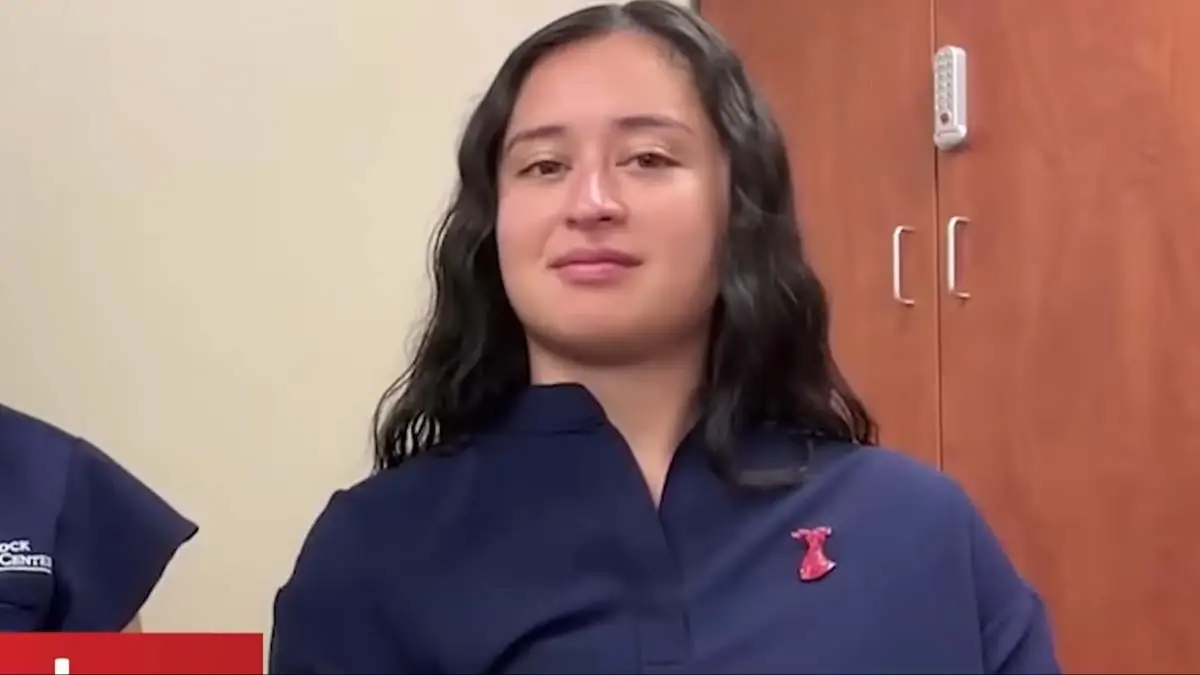
Nurse who had a stroke at age 24 reveals symptoms that helped her husband 'save' her

A 24-year-old nurse who was saved by her husband swiftly recognizing her stroke signs is desperate to spread the word to help others identify whether themselves, or a loved one is having one.
Alex Wilson-Garza from Round Rock, Texas, suffered from a stroke in 2023.
“I just remember that the world suddenly became super dizzy,” she told Inside Edition. Alex said that everything after that 'became a blur,' and she only knows the information she does because of her husband.
He later told her that she was suffering the common symptoms of a stroke, she was slurring her words, couldn’t walk properly and had ‘no control’ over one side of her body. The left side of her face also become droopy, with her husband saying it was 'like her face was melting'.
Advert
Alex's police officer husband, Caleb, took her to the hospital she worked at, where she was seen by her colleagues.
“Even being an ER nurse, there was definitely a denial that there was nothing wrong,” she said.
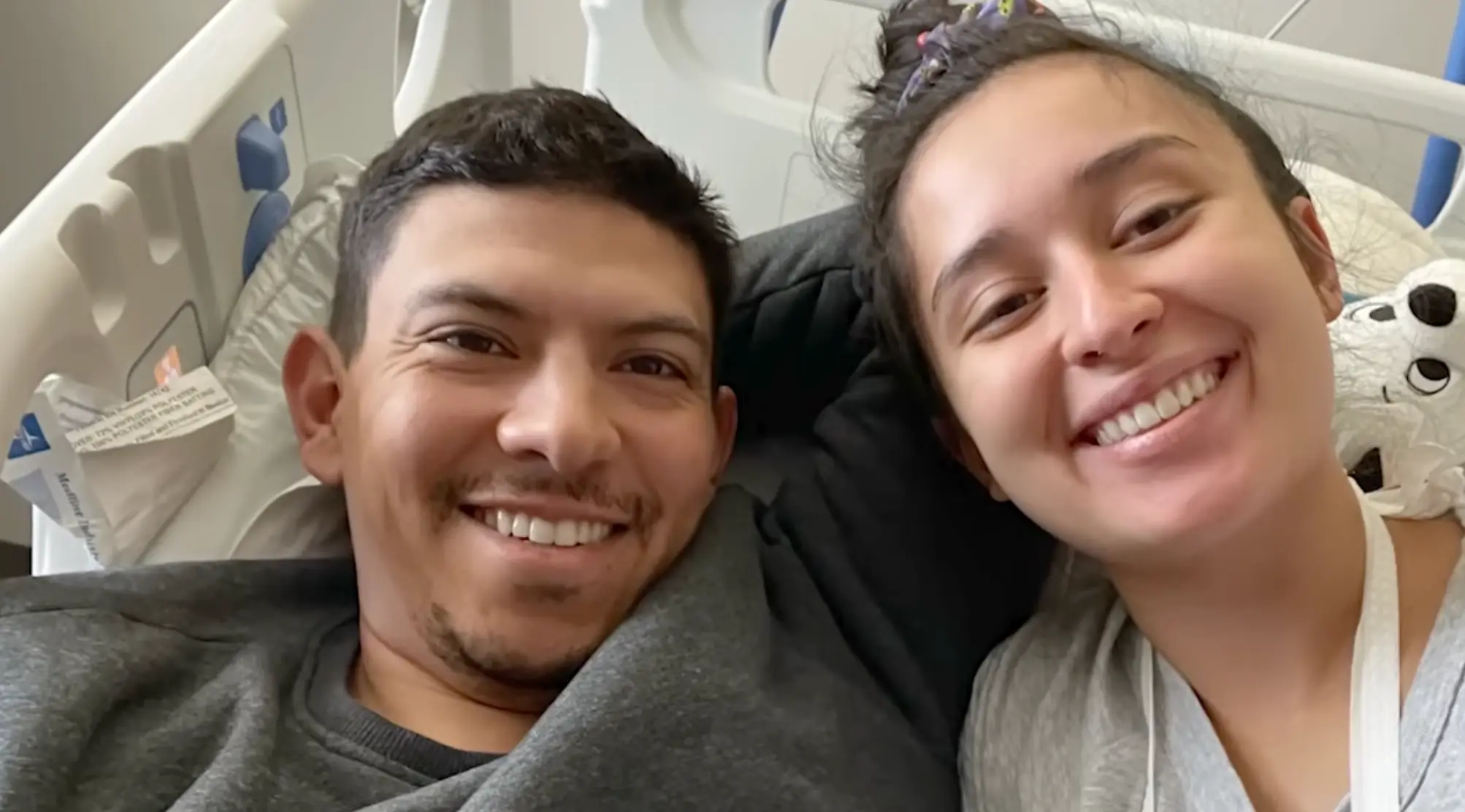
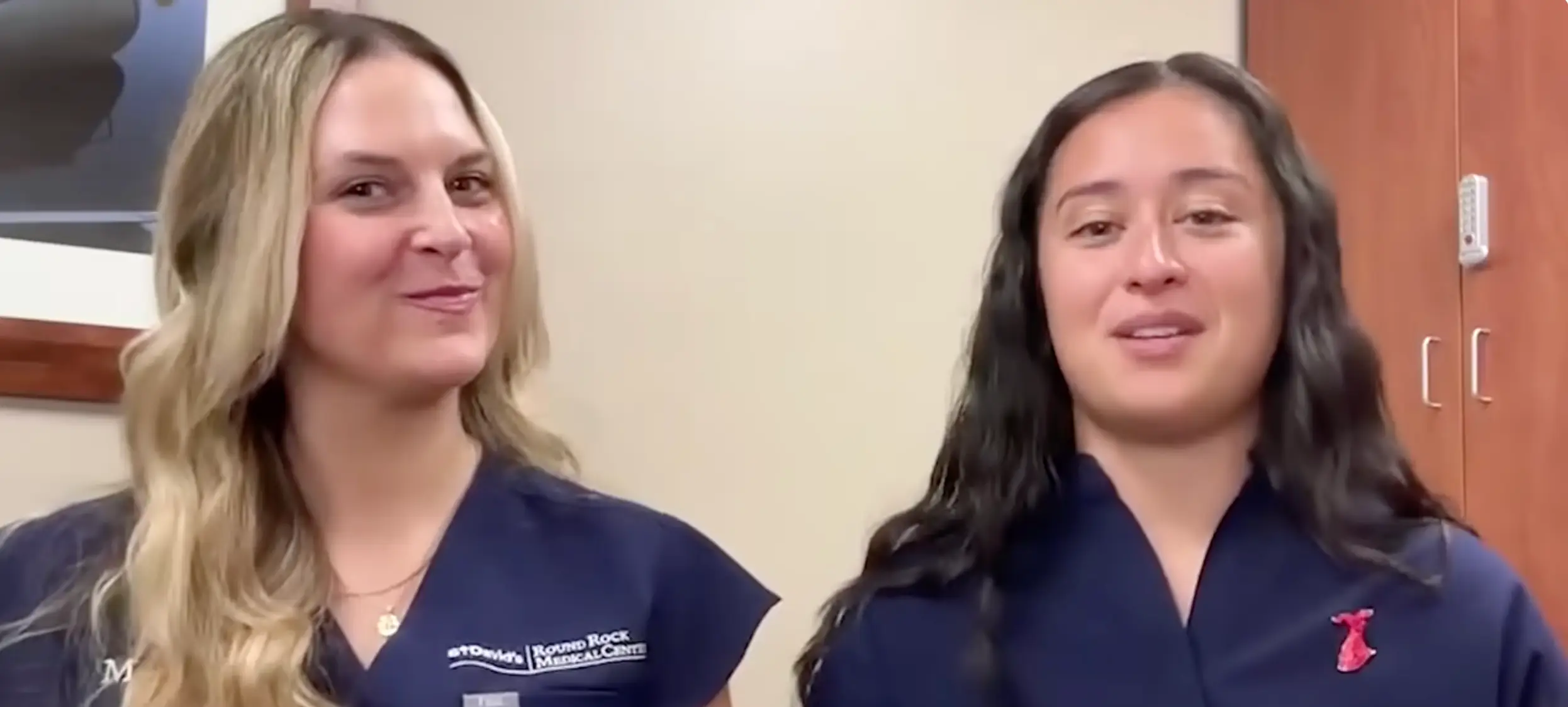
Alex’s colleague who saw her described it as being ‘surreal’.
As Alex got to the hospital within a certain timeframe of her first symptoms, she was able to get a clot busting medication called TPA, she told the outlet, which helped to break up the clot that’s in the brain.
A stroke ‘occurs when something blocks blood supply to part of the brain or when a blood vessel in the brain bursts,’ the CDC states.
It can lead to lasting brain damage, and in the worst case, death.
Alex was in ICU for a few days after the stroke, but because her husband acted so quickly and she was seen shortly after her first symptoms, she now has few long-term effects.
The 24-year-old nurse then expressed how important it was to know the first signs of a stroke, so you or your loved ones can act fast, referring to the acronym, BE FAST.
What is BE FAST?
Used to determine a stroke, the acronym BE FAST is used to gauge whether someone is suffering from a stroke.
B - Balance
E - Eyes - Alex states during some strokes, you can have loss of vision in one of your eyes.
F - Face - whether someone has a facial droopage
A - Arm weakness
S - Speech - slurred speech and difficulty speaking
T - Time - Like Alex’s situation, the faster you act, the less chance of long-term consequences
There are a number of factors that can increase the risk of a stroke, the CDC states. These include high blood pressure, cholesterol, heart disease and diabetes, the CDC states.
They also state that there are certain lifestyle factors that can increase a person’s risk of suffering, which includes factors such as a diet high in saturated fats and too much alcohol and tobacco use.
 Kiesha Dosanjh