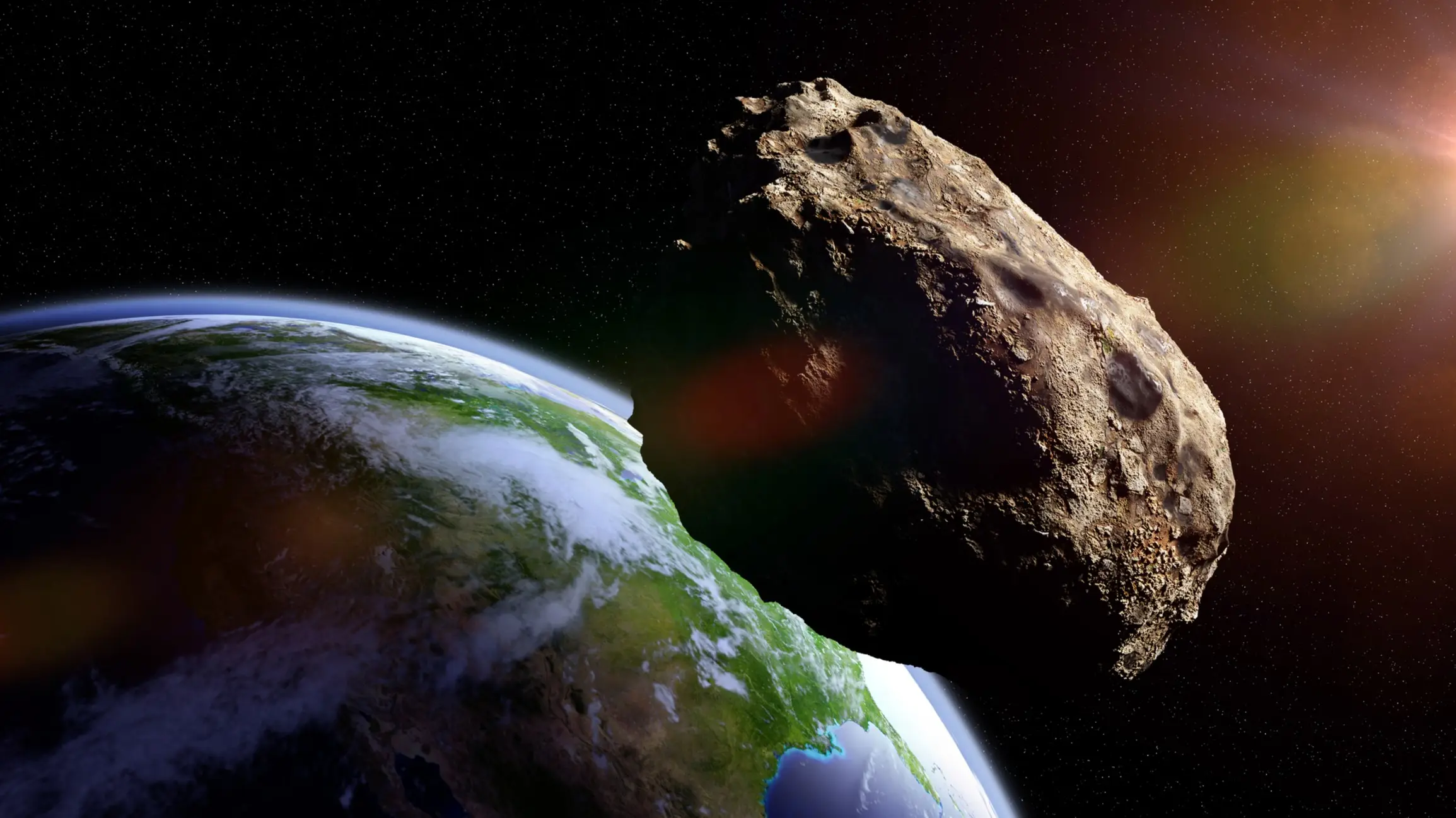
Shocking simulation shows what would happen if 3I/ATLAS collided with Earth as it makes closest approach

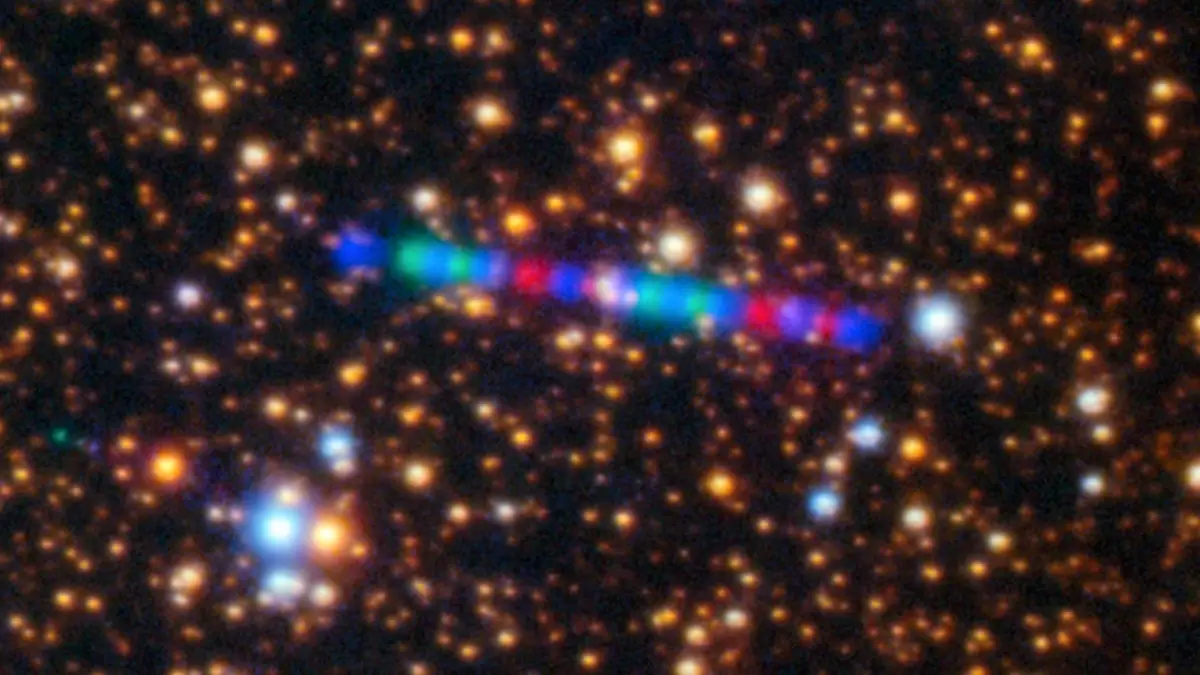
A simulation has shown the devastating impact 3I/ATLAS could have if it crashed into Earth.
The interstellar space object was first identified by the NASA-funded ATLAS telescope in Chile over the summer.
It's since captured the world's attention, while Harvard scientist Avi Loeb floated the idea it could be an unnatural, 'alien' probe as it exhibits multiple odd behaviors.
The US space agency has insisted 3I/ATLAS is simply a comet - although only the third of its kind to originate beyond our own solar system, following 1I/ʻOumuamua in 2017 and 2I/Borisov in 2019.
Advert
The fast-moving space rock made its closest approach to the Sun on October 29, 2025, at about 203 million kilometers.
3I/ATLAS will will make its closest approach to Earth tonight (December 19), at around 1am EST.
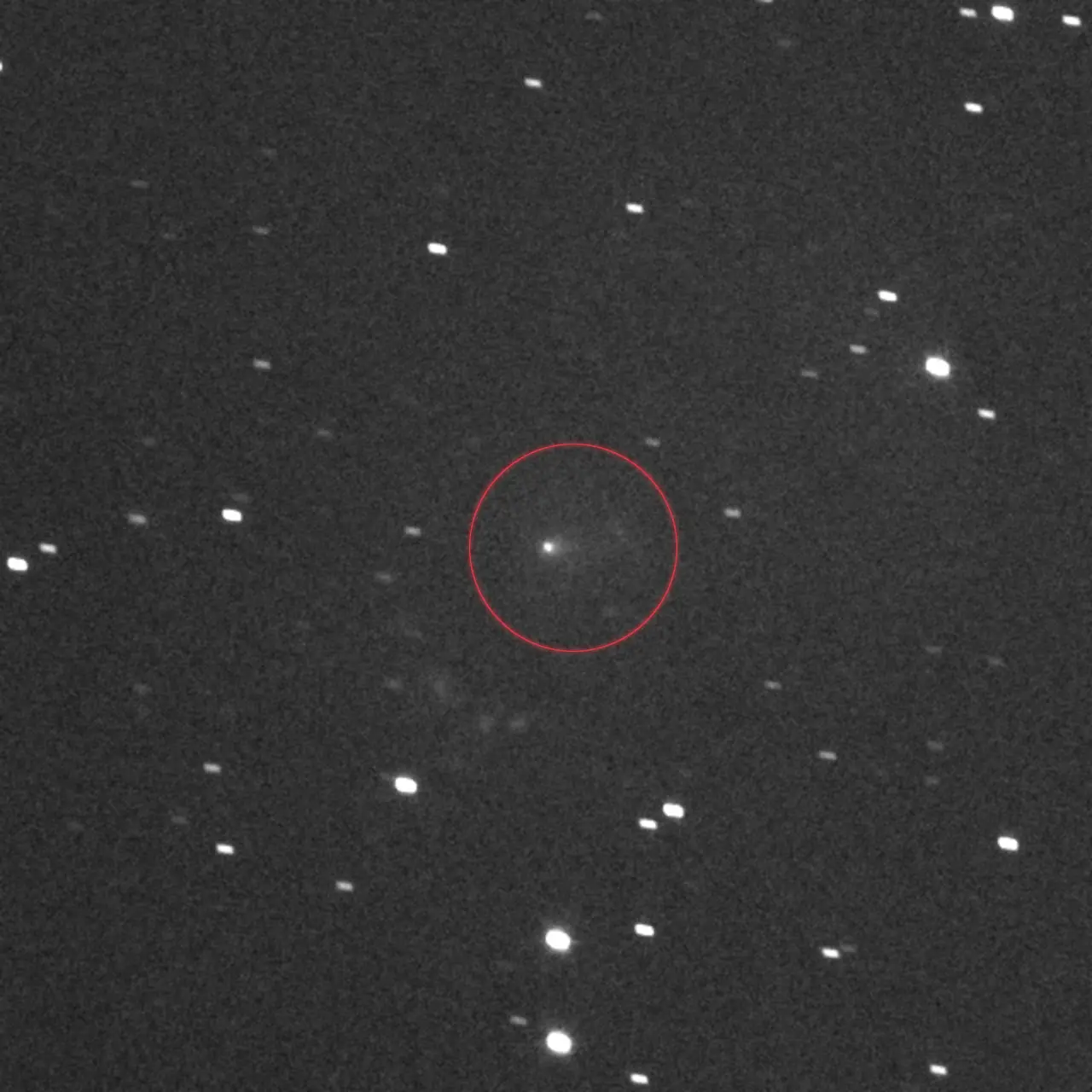
Amateur astronomers can attempt to view the phenomenon with their telescopes as it moves through the constellation Leo.
The Virtual Space Project is also hosting a livestream if that's more your thing.
According to NASA, 3I/ATLAS poses absolutely no threat to us. At its nearest point, it will still be 270 million kilometers from Earth, making a collision impossible.
The rock is set to continue its journey into deep space, never to be seen again.
But, hypothetically, what if it did crash into Earth? We used a comet simulator to find out.
What if 3I/ATLAS hit Earth?
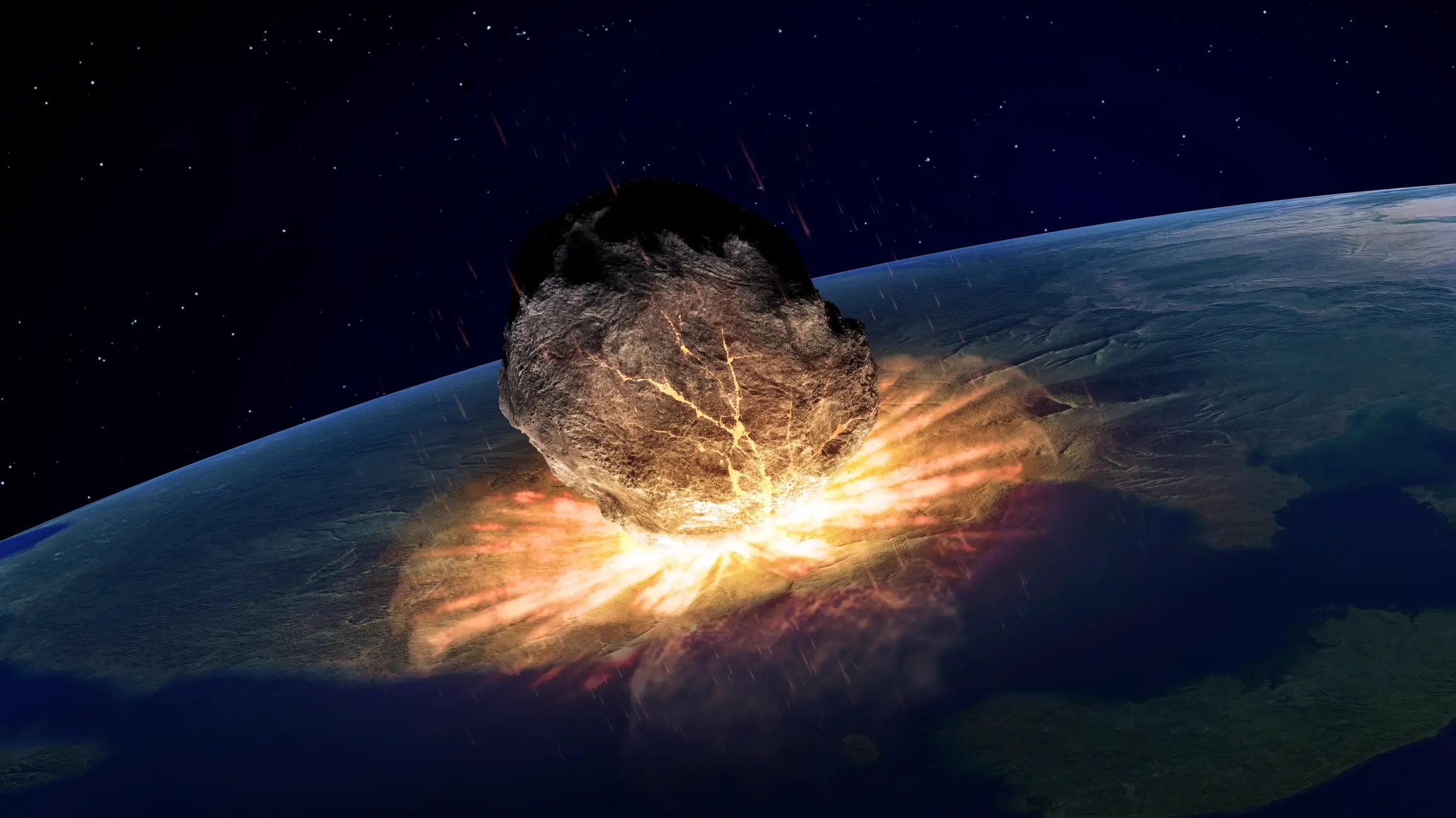
If the interstellar space object crashed into us, it would unleash absolute mayhem.
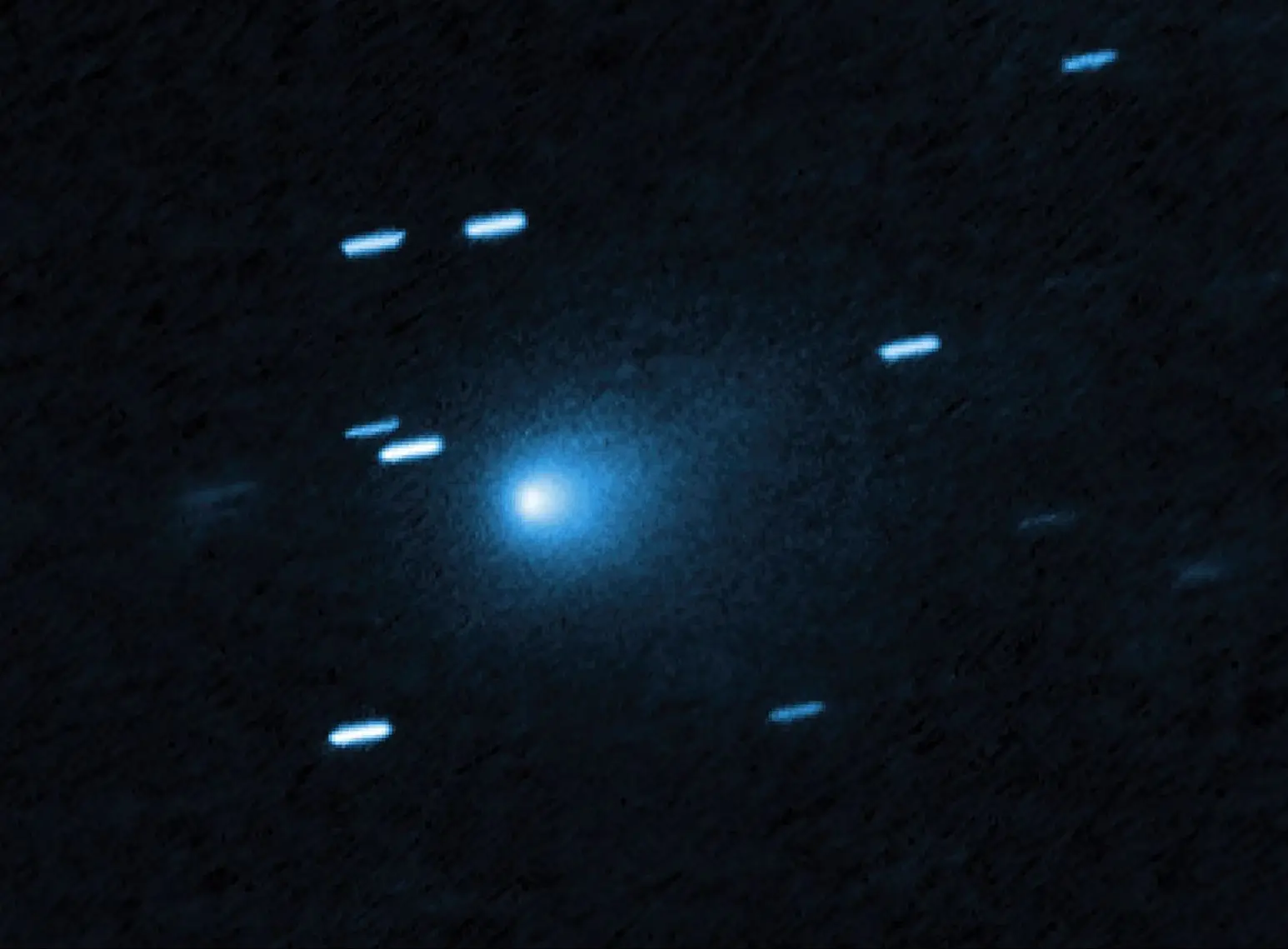
NASA's Hubble Space Telescope estimated the comet's center to be between 440 meters and 5,600 meters in diameter.
It traveled into our solar system at around 221,000 kilometers per hour, speeding up with the help of the Sun's gravity.
But NASA said 3I/ATLAS should leave our solar system at the same speed in entered it.
With that in mind, we entered the details into the Neal Fun asteroid simulator.
The tool has some limits on what you can input, but we used the largest values available: a 1,500 meter wide comet traveling at 100 kilometers a second and hitting Earth at a 45 degree angle.
We chose Washington D.C. as the asteroid's hypothetical target - and its impact would be devastating.
According to the simulator, the crash would create a 27 kilometer wide, 792 meter deep crater, vaporizing more than 1.2 million people.
3I/ATLAS would hit Earth at a blistering 97 kilometers a second, releasing 1,203 gigatons of TNT - more energy than the last eruption of Yellowstone.
An impact like this would only strike our planet roughly once every 6.3 million years.
The collision would ignite the sky with a 69-kilometer-wide fireball and an estimated 19.3 million people would die in the inferno alone.
Some 6.8 million more would suffer third-degree burns and 10.8 million would be seared by second-degree burns.
Clothes would ignite up to 353 kilometer from ground zero, and entire forests would spontaneously erupt into flames as far as 516 kilometers away.
Then would come the 252-decibel shock wave, powerful enough to kill 3.9 million people outright.
Anyone within 204 kilometers would likely suffer lung damage, while those within 267 kilometers would experience ruptured eardrums.
Buildings within 464 kilometers of the impact would crumble, and even sturdy homes would collapse up to 618 kilometers from the blast.
Fast wind speeds triggered by the impact would apparently claim another 10.9 million lives.
As if all that weren’t enough, the impact would trigger an 8.5-magnitude earthquake, killing almost 200,000 more people and shaking the ground for over 500 kilometers around the strike zone.
See how your city would be impacted by 3I/ATLAS using the Neal Fun simulator here.
 Ellie Kemp