
Harvard scientist explains whether he thinks 3I/ATLAS is 'deadly serial killer' or 'friendly' as new images emerge

A Harvard scientist has finally given his verdict on the true nature of mysterious comet 3I/ATLAS.
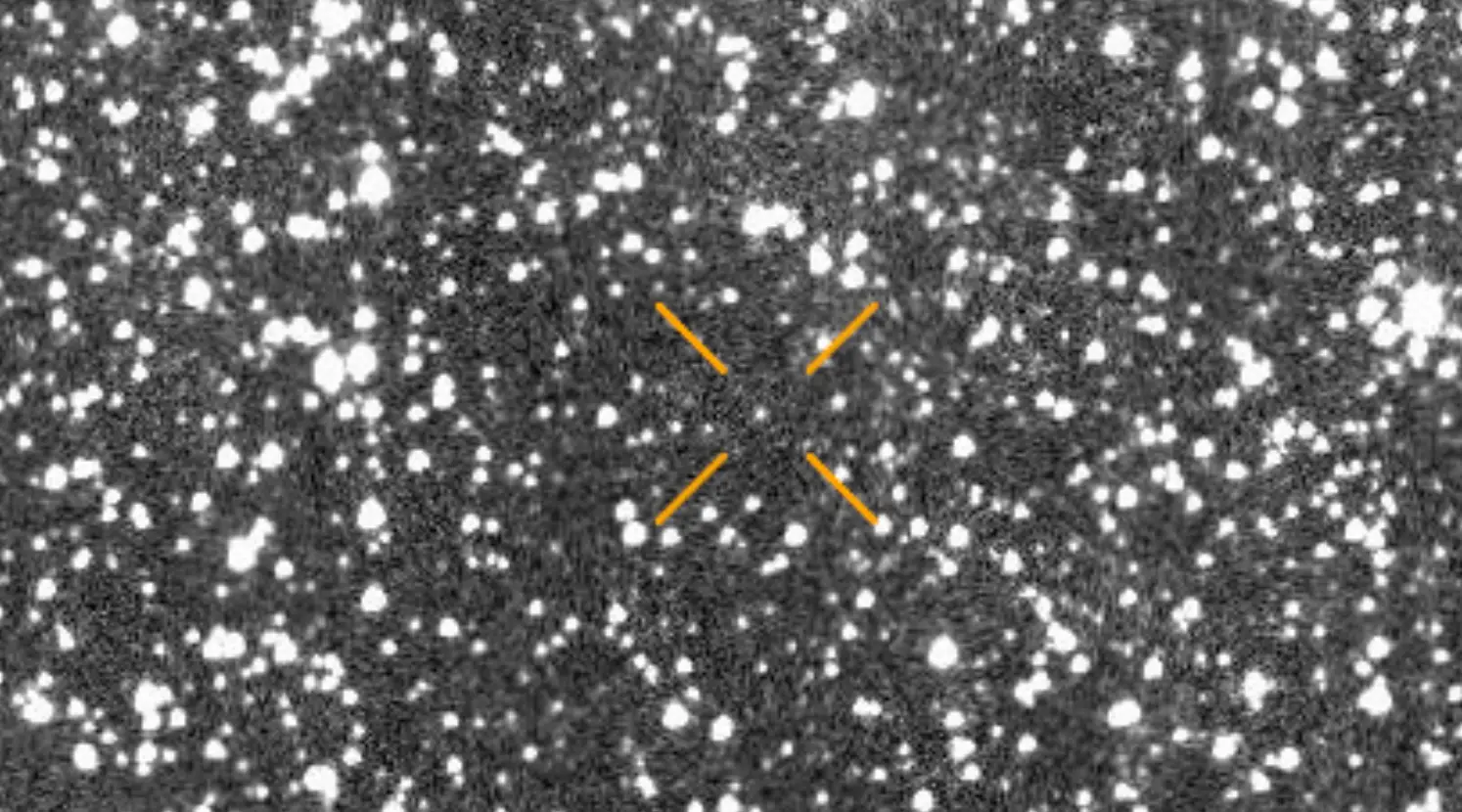
The fast-moving space rock captured the world's attention since it was first spotted by the NASA-funded ATLAS telescope in Chile over the summer.
It is only the third known object to originate from interstellar space, meaning it comes from far beyond our solar system.
Scientists quickly determined that the object was traveling at more than 41 miles per second, far too fast to be held by the Sun’s gravity.
Advert
Harvard physicist Avi Loeb was quick to point out multiple anomalies and suggested 3I/ATLAS could be 'hostile' and unnatural - even an alien probe.
However NASA and other space agencies have dismissed that theory.
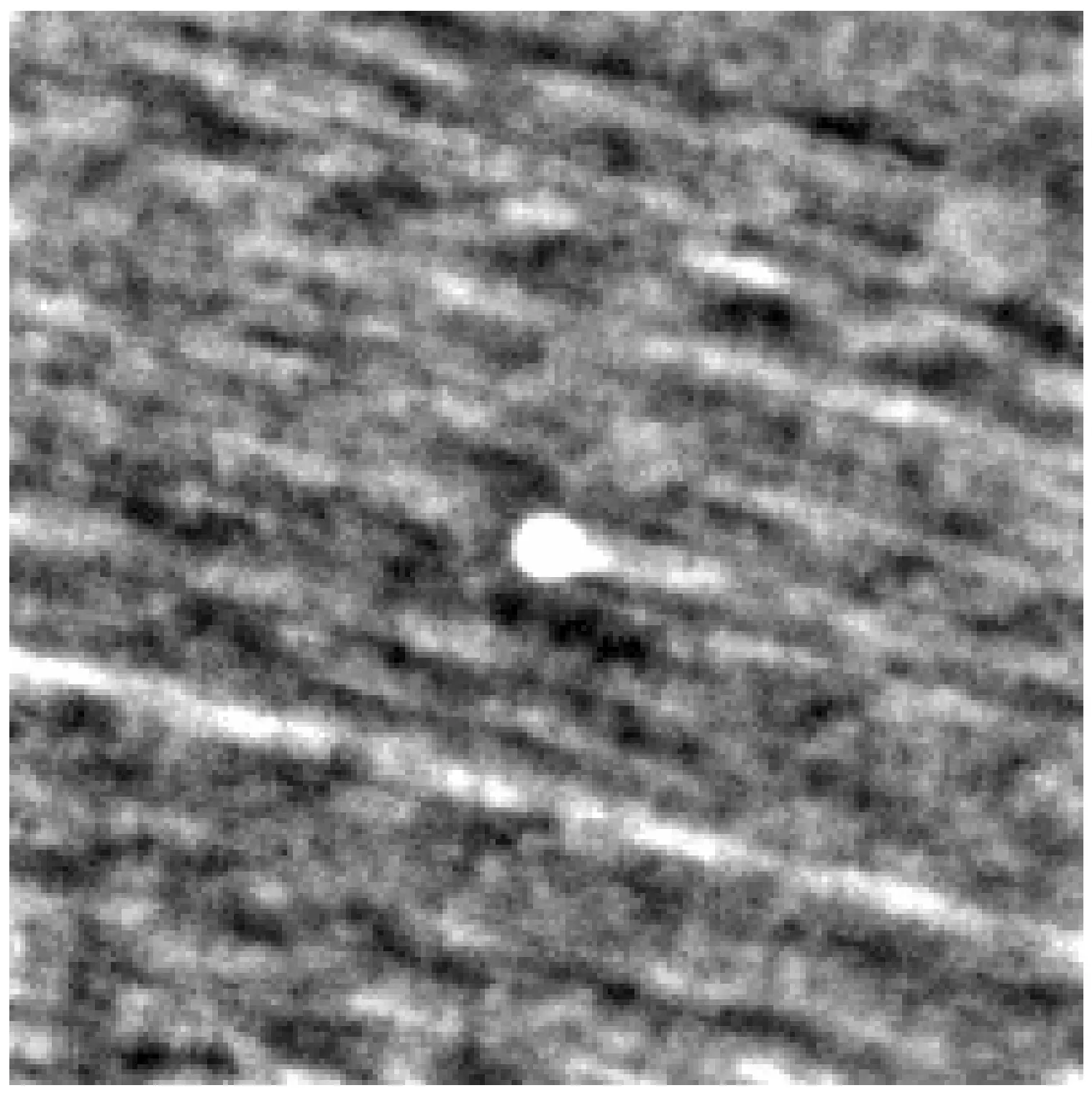
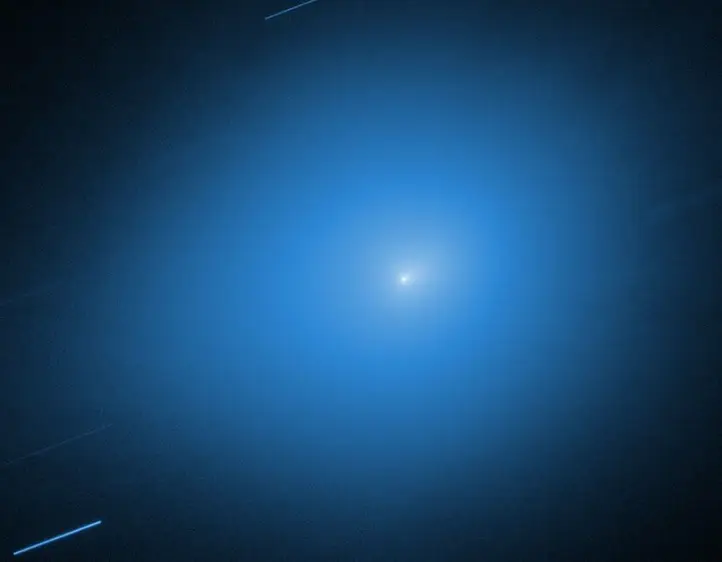
As the comet continues its way through our solar system, NASA's Hubble Space Telescope captured some fresh photos.
On December 4, the US space agency shared the new snaps, which show the comet's nucleus as a striking white point wrapped in dust and vapor - the material that eventually streams outward to create a tail.
Behind it, the stars blur into long ribbons of light as the comet tears through space.
And now European radio space telescope ALMA has revealed the comet is loaded with methanol, a molecule linked to the building blocks of life.
It also carries hydrogen cyanide (HCN), which might sound scary but is actually key to forming amino acids and DNA bases.
In fact, as Loeb explores in his latest blog post, 3I/ATLAS has one of the highest methanol-to-HCN ratios ever seen, meaning it might be unusually rich in life-friendly organics.
And while Loeb has previously hinted the comet could be sinister, it appears the latest findings have changed his mind.
In his blog post, he posed the question: "Is 3I/ATLAS a friendly interstellar gardener or a deadly threat?"

He continued: "On a blind date with an interstellar visitor, it is prudent to observe the dating partner and decide whether it could have seeded life on Earth by carrying out interstellar panspermia... or whether it represents a serial killer spreading poison."
Giving his verdict, he explained: "The anomalously large ratio of methanol to hydrogen-cyanide production by 3I/ATLAS suggests a friendly nature for this interstellar visitor."
So there we have it!
Comet 3I/ATLAS will make its closest approach to Earth in a matter of days, on December 19.
It is set to pass us at 270 million kilometers (170 million miles) - roughly twice the distance between the Earth and the Sun distance.
NASA says it poses no threat to us mere mortals here on Earth.
 Ellie Kemp