Space phenomena to watch out for this month after rare Blood Moon

Skygazers who missed out on Tuesday morning's total lunar eclipse can catch two other space phenomena in the sky this March.
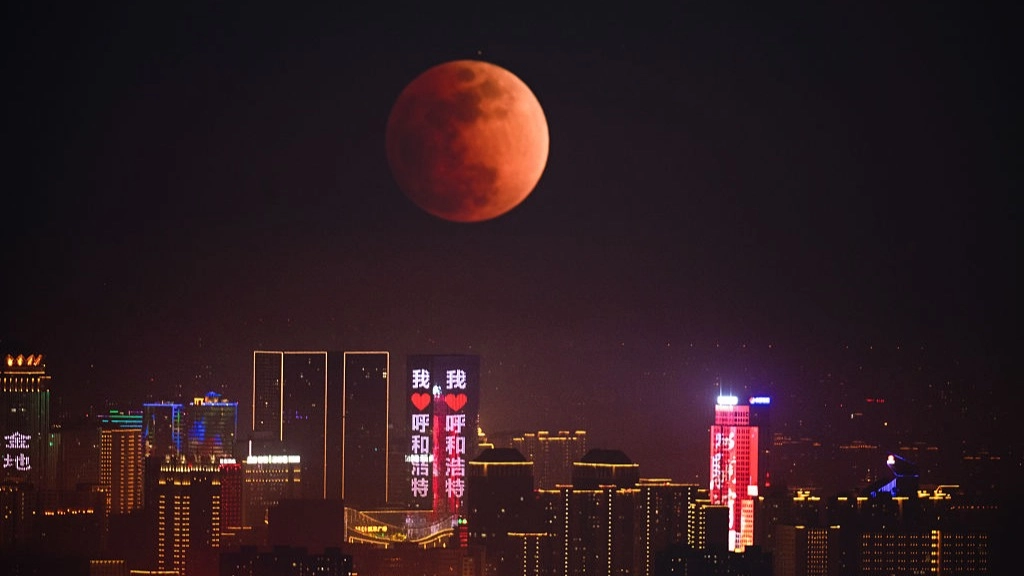
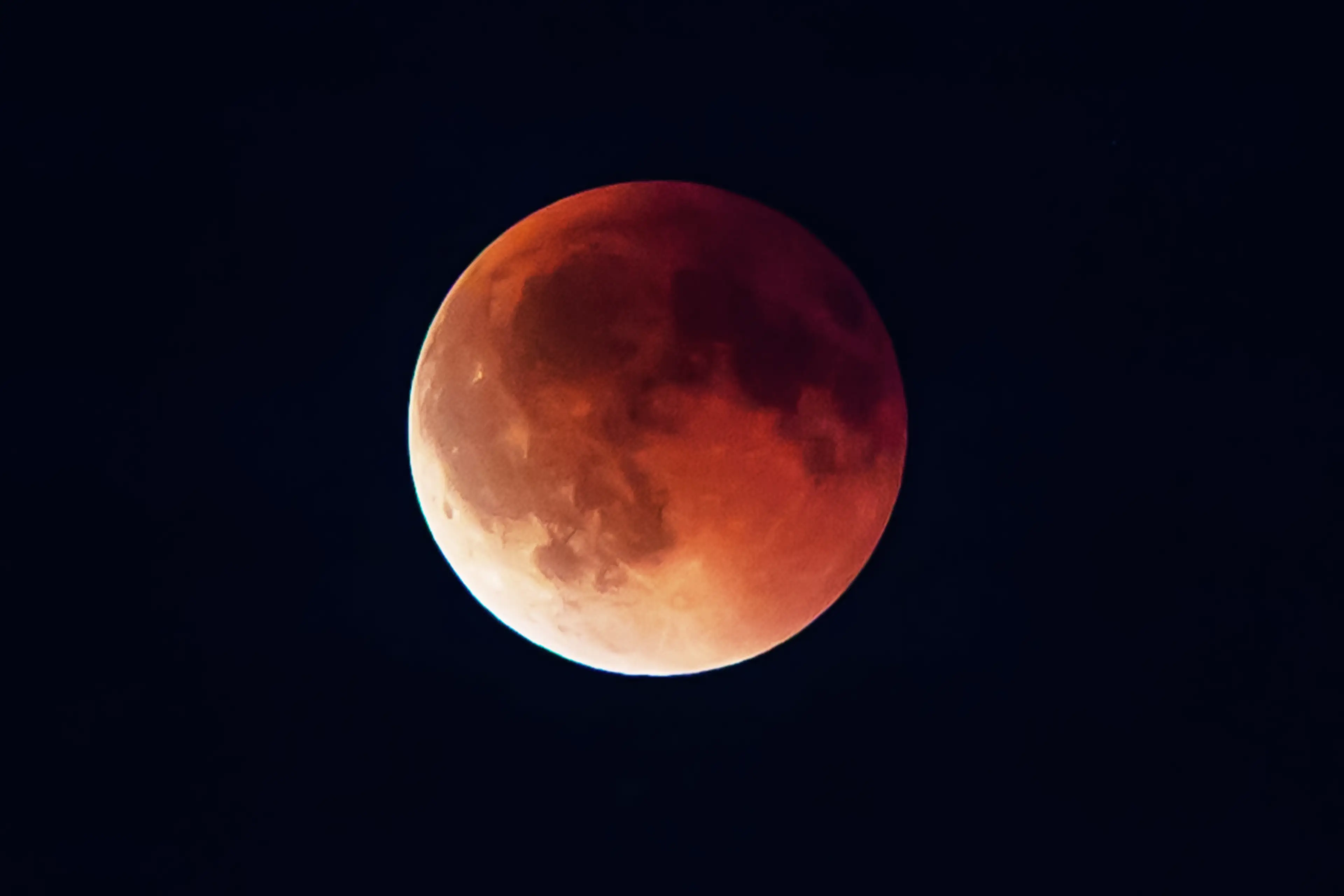
People were left in awe over the Blood Moon eclipse, which is when the Sun, the Earth and the Moon align in one straight line, meaning the Moon passes through the darkest part of the Earth’s shadow.
The Moon appears a shade of deep, dark red as it's illuminated by light that has passed through the Earth's atmosphere; a stunning sight to behold.
Some people in the US and Canada got a glimpse of a rare selenelion, which is where you can see the sun and a lunar eclipse in the sky at the same time.
Advert
It might sound impossible, but it's essentially one big optical illusion.
Refraction causes objects to appear higher in the sky than they really are, with our atmosphere acting like a lens and bending celestial objects.
It's the same effect that enables us to see the sun for a few extra minutes in the morning before it has actually risen each day.
If the eclipse has whetted your appetite for more space goodness, then NASA has you covered with two more events to look out for this month.
One takes place on Sunday (March 8), so you don't have long to wait.
The US space agency explains that the planets Venus and Saturn will appear extremely close together in the evening sky, in what's known as a conjunction.
A conjunction doesn’t mean the planets are actually near each other in space; in fact, they’re still 1.32 billion kilometers apart.
It just means that from our viewpoint on Earth, they line up in almost the same direction, so they look side by side.
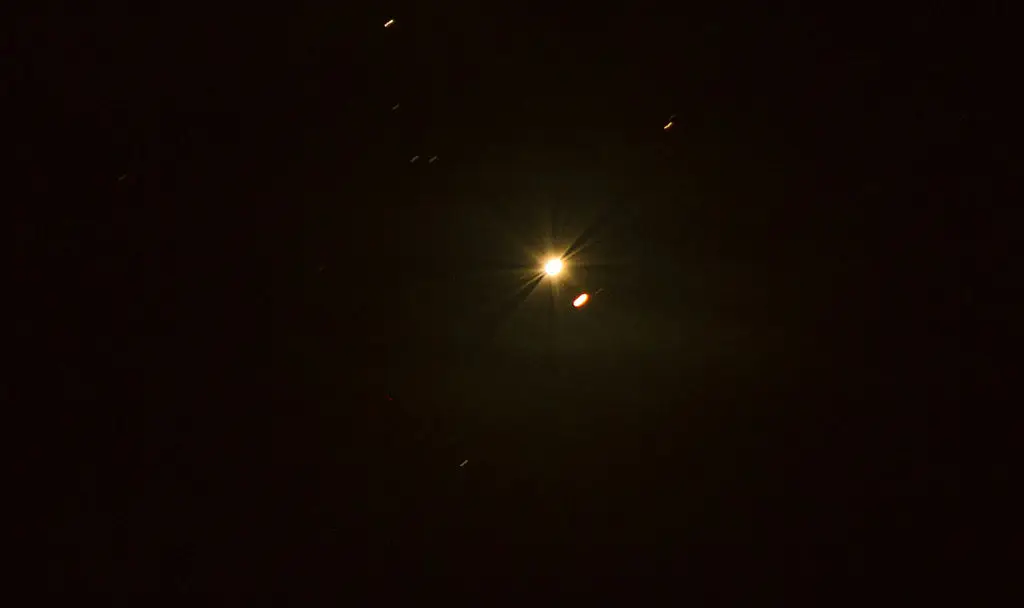
They’ll be about one degree apart, NASA explains, which is roughly the width of your little finger held at arm’s length.
Venus will look much brighter than Saturn, so you’ll likely spot Venus first, with Saturn glowing nearby.
To see them, look low in the western sky just after sunset.
The other event to look out for is the vernal equinox on Friday March 20, marking a transition into the next season.

NASA explains: "While this is colloquially known as the first day of spring in the northern hemisphere and the first day of autumn in the southern hemisphere, astronomically this equinox occurs when the Sun crosses above Earth's equator while traveling from south to north."
The space agency continues: "On this day, northern and southern hemispheres experience roughly equal amounts of sunlight and day and night are also about equal, each lasting almost exactly 12 hours.
"So enjoy the start of a new season with a day of perfectly balanced sunlight."
Remember to look up, then. Exciting stuff!
 Ellie Kemp