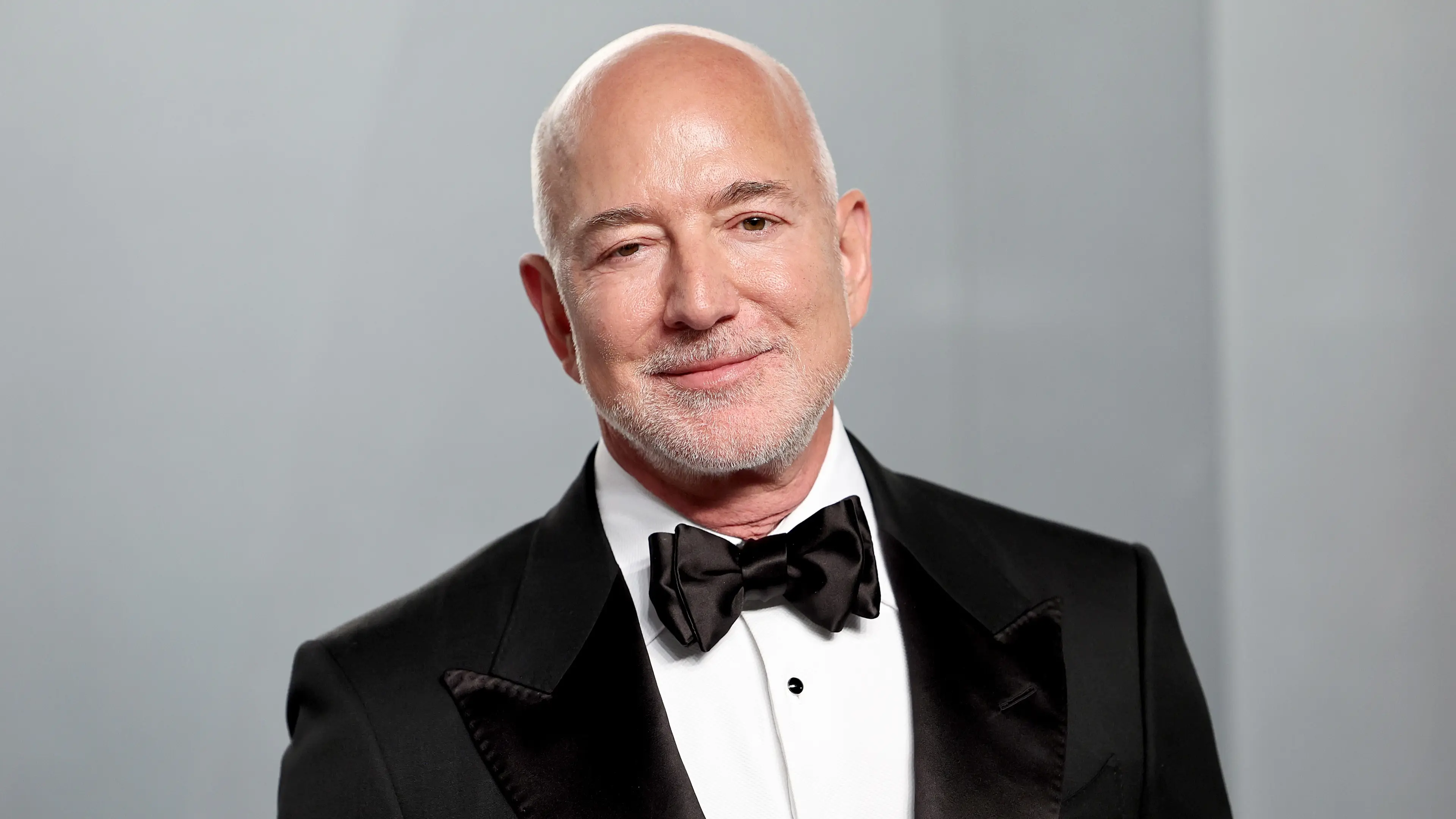
Jeff Bezos beats out Elon Musk to build $20 billion NASA 'city-sized' base on the moon

Jeff Bezos has won the battle with Elon Musk to be the first person to build a base on the moon.
The Blue Origin owner, Bezos, whose net worth is $284 billion, has won the battle of the billionaires to build the new NASA Moon base.
The plans are part of NASA's new Artemis program, which eventually hopes to send humans father into the galaxy than ever before - eventually to Mars.
Despite losing out on the contract, SpaceX mogul Elon Musk seemed to have taken the loss in good grace, posting on X what Blue Origin and NASA were planning was 'inspiring'.
Advert
NASA Administrator Jared Isaacman described the Moon Base as 'humanity’s first long-term outpost beyond Earth.'
“The Moon Base will be America’s and humanity’s first outpost on another celestial world,” Isaacman said.
“Every mission, crewed and uncrewed, will be a learning opportunity as we return to the lunar surface, build the infrastructure to stay, and master the skills required to live and operate in one of the most demanding and dangerous environments imaginable.”
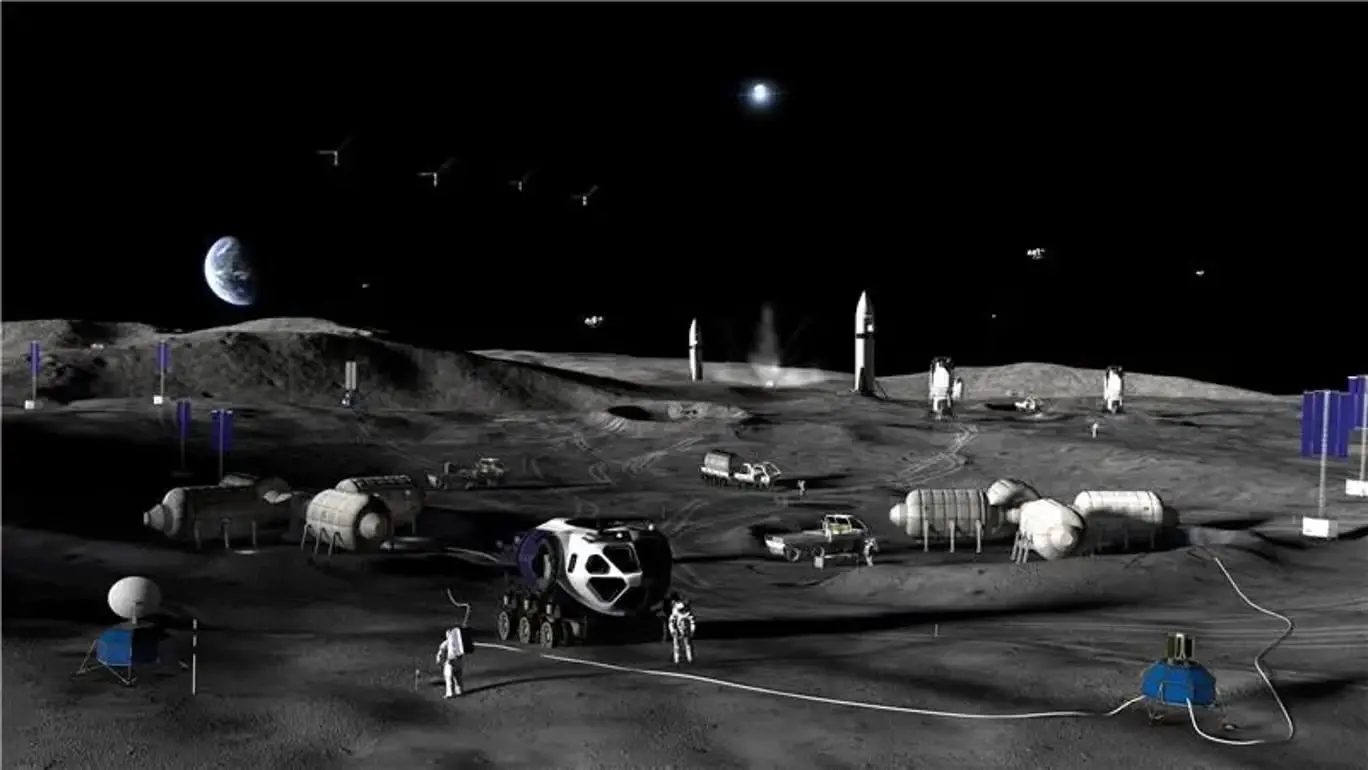
NASA are hoping to land Americans back on the moon before President Donald Trump leaves office in 2029.
They are currently in competition with China, who have their own lunar ambitions hoping to land there before 2030. Their mission will utilize the Mengzhou orbiter and Lanyue lunar lander, both launched by the heavy-lift Long March 10 rocket.
They now face a highly pressurised space race to see who can get there first, given the growing tensions between the two nations.
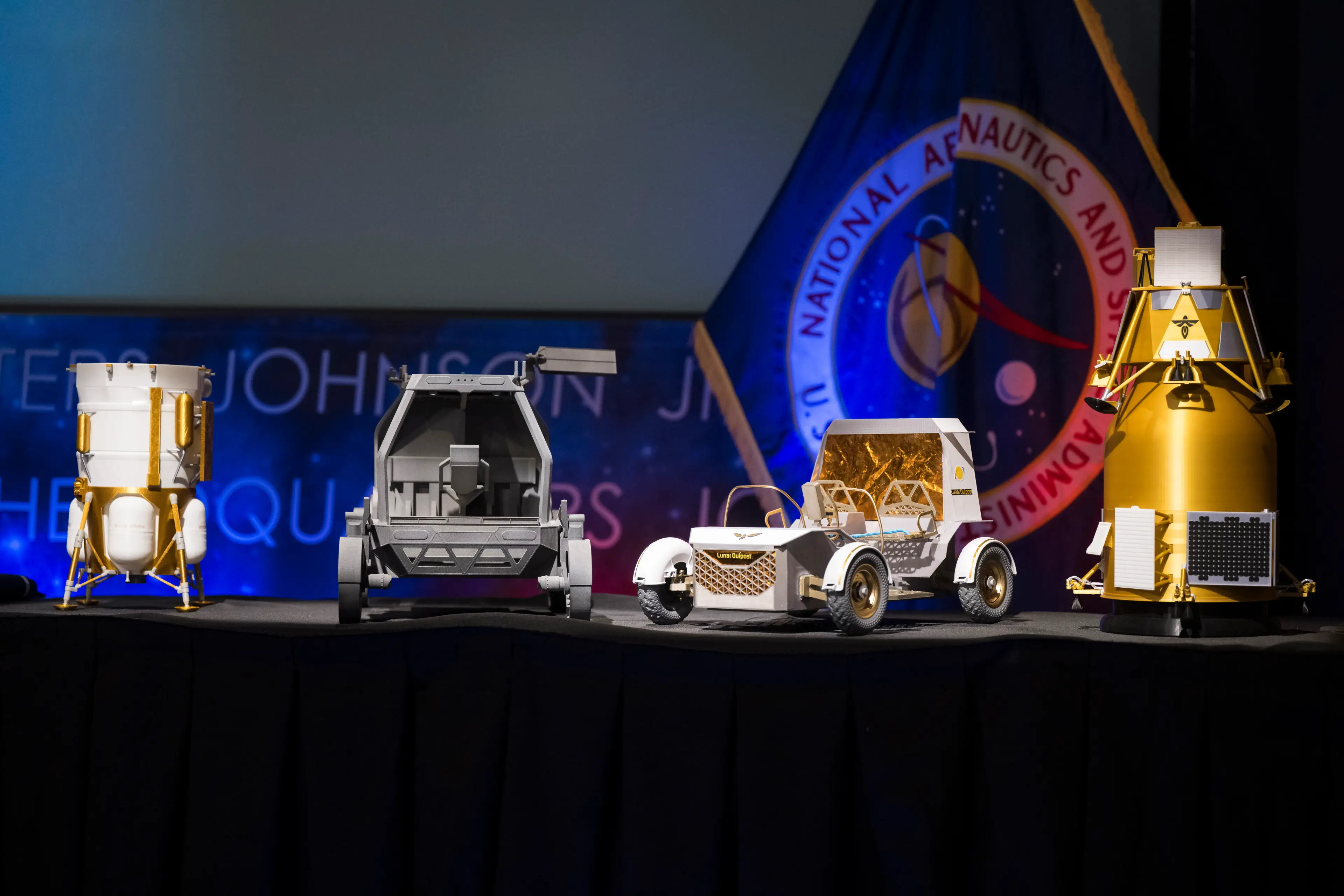
NASA has outlined a three‑phase plan to build a Moon Base, starting with robots, before eventually sending humans to live there.
Under the agency’s Ignition Moon Base programme, NASA wants to fully explore the Moon before astronauts ever set foot on the surface. That means sending robotic landers, rovers and even hopping drones to map out the Moon’s most difficult terrain.
These early missions will also deliver vehicles capable of driving astronauts across the lunar surface, along with communications equipment and scientific instruments.
On Tuesday, NASA confirmed that companies including Blue Origin, Intuitive Machines and Astrobotic have been awarded contracts to build the machines needed for the first phase of the project.
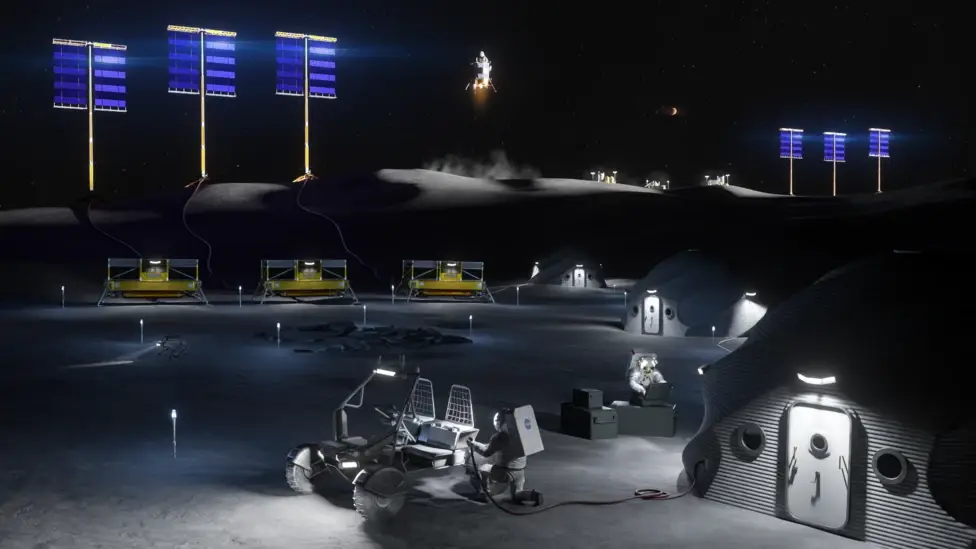
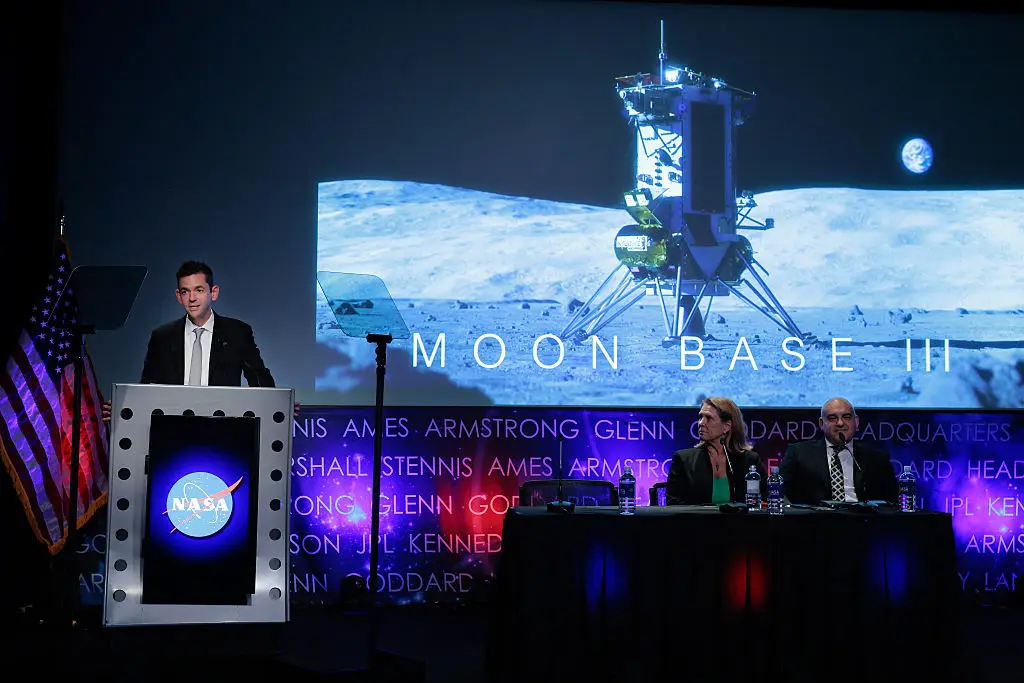
NASA has released artist’s impressions showing what a future Moon Base could look like, complete with astronaut housing, power systems and rovers operating on the surface.
Blue Origin’s lunar lander, called Endurance, is being designed to make highly precise landings and navigate the Moon autonomously. Meanwhile, Astrobotic’s Griffin‑1 lander is expected to touch down near the Moon’s south pole at Nobile Crater.
The robotic missions will also carry scientific tools for NASA, including high‑resolution cameras and laser‑based systems that help spacecraft land safely. According to Moon Base programme executive Carlos García‑Galán, this robotic exploration phase will run until 2029 and is expected to include 25 launches, delivering around four metric tonnes of cargo to the Moon.
The next phase would see NASA begin building power infrastructure on the Moon, including solar arrays and nuclear fission reactors.
By around 2032, NASA hopes astronauts will be able to live on the Moon in what it describes as “semi‑permanent” housing, using rovers to travel long distances across the rocky surface.
The Moon’s south pole is a key target because it is believed to contain frozen water, which could be used for drinking, producing oxygen, or even creating rocket fuel.
However, NASA’s plans still depend on having a spacecraft capable of safely transporting humans to and from the Moon, a key challenge the agency is still working to overcome. NASA says these are just the first of more than a dozen Moon Base missions expected to be announced this year.
Topics: Jeff Bezos, Elon Musk, NASA, Blue Origin, Space
 Thomas Bamford