NASA's James Webb telescope's discovery about universe shows humanity got something 'seriously wrong'

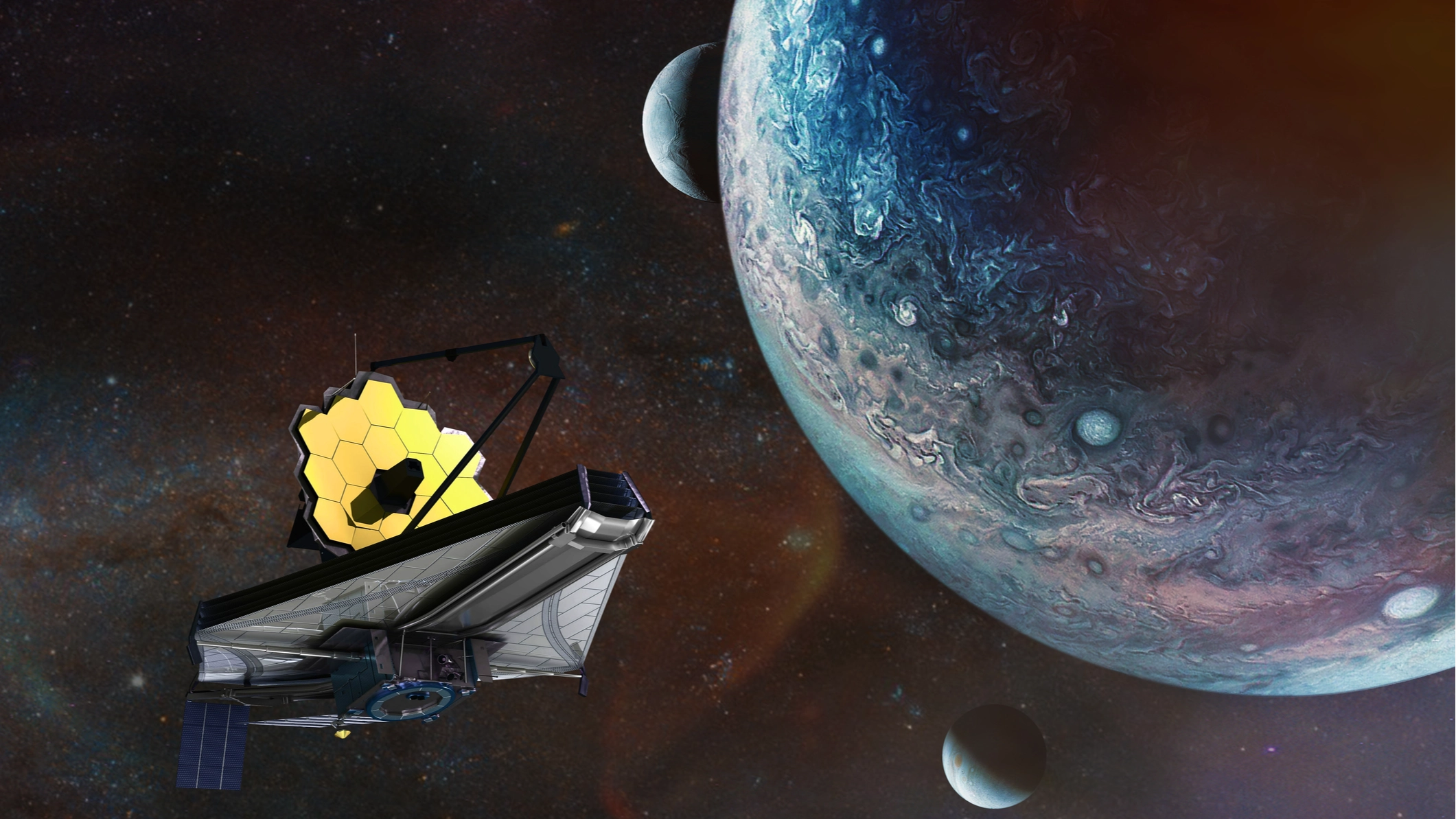
The James Webb Space Telescope (JWST) is behind some of NASA's most groundbreaking discoveries in the last four years, revolutionizing our understanding of the universe.
Introduced and launched into space in December 2021, the JWST captures photographs of jaw-dropping black holes and has allowed experts to get a firm grip on how galaxies were formed.
The advanced telescope, designed by the NASA in partnership with the European Space Agency (ESA) and the Canadian Space Agency (CSA), has also taken high-res images of a star being born 1,300 light-years away from Earth and a star on the cusp of death.
As well as taking these insane snaps, the JWST is also redefining what we know about the universe, with many professionals realizing that what we thought we knew is actually so wrong.
Advert
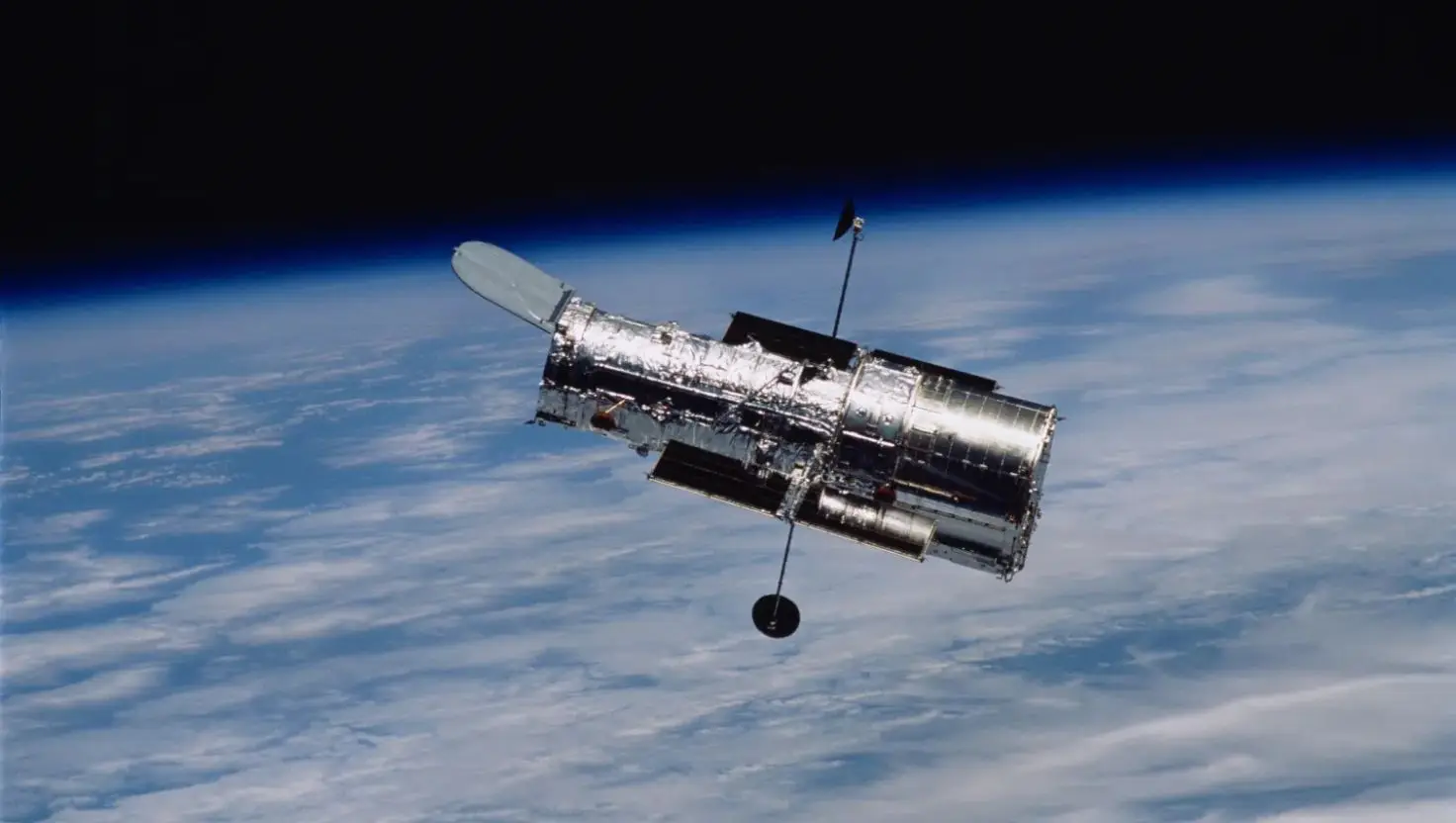
Before the introduction of the JWST, scientists would rely on the Hubble Telescope to measure the speed at which the universe was expanding. This is known as ‘Hubble constant’.
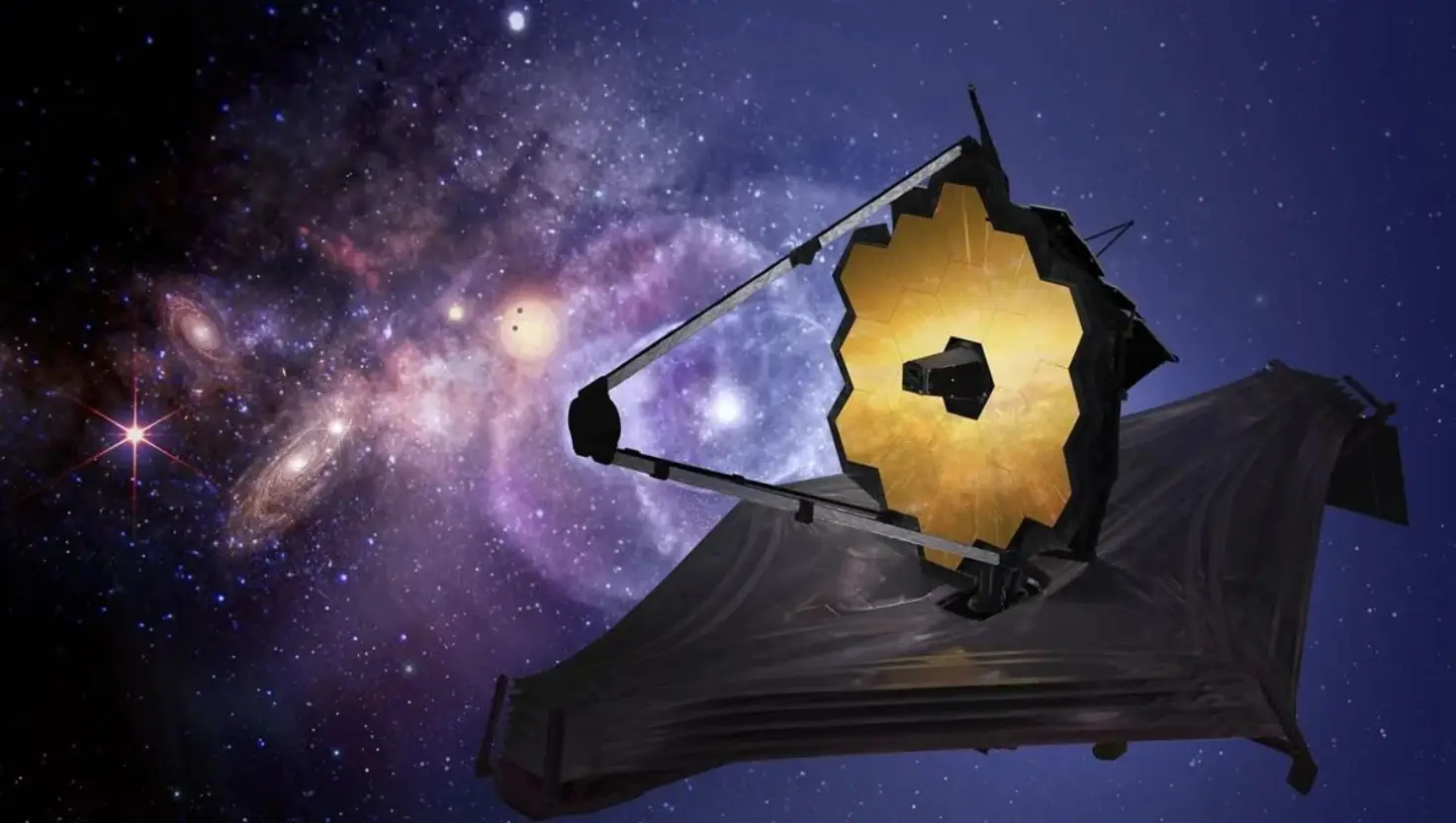
However, as Futurism reported last year, scientists have realized different instruments keep providing different values, giving rise to what is known as the ‘Hubble tension’.
This discrepancy in the measured value of the Hubble constant was discussed by Nobel Prize-winning physicist and John Hopkins expert, Adam Riess, who said: “We’ve now spanned the whole range of what Hubble observed, and we can rule out a measurement error as the cause of the Hubble tension with very high confidence."
In 2023, JWST confirmed the initial measurements made by Hubble in 2019, finally cementing the long-standing theory that the rate of expansion varies depending on where you measure it.
There are two ways to measure the Hubble constant - a value describing the universe's expansion rate.
The first method is using the Big Bang's leftovers - which are small fluctuations in the cosmic microwave background - while the second way is using pulsating stars, also known as Cepheid variables, using the outer layers of the stars to measure their brightness.
From 2009 to 2013, astronomers thought the first method to work out the figure was roughly 46,200 mph per million light years, or about 67 kilometres per second per megaparsec (km/s/sMpc).
Reiss and his colleagues, Saul Perlmutter and Brian P. Schmidt, discovered the universe's expansion rate is about 74 km/s/Mpc after using Cepheid variables to look further into the past of the universe.
This value is a lot higher than the previously thought 67 km/s/Mpc.
And with this discovery, the world of cosmology has been catapulted into real uncertainty.
Reiss said: "With measurement errors negated, what remains is the real and exciting possibility we have misunderstood the universe.”
It was initially believed the discovery was a measurement error by confusing Cepheid stars with regular stars in the Hubble's lens, however, that has now been proven not to be the case.
"We've now spanned the whole range of what Hubble observed, and we can rule out a measurement error as the cause of the Hubble Tension with very high confidence," he further explained. "Combining Webb and Hubble gives us the best of both worlds. We find that the Hubble measurements remain reliable as we climb farther along the cosmic distance ladder."
In April, the Scientific American reported that the Hubble Tension is becoming more of a ‘Hubble Crisis’,
“We’ve been at this ‘Hubble tension’ level for a long time. At some point the community needs to say, ‘This is more serious',” physicist Dan Scolnic of Duke University told the publication. “And the step up from ‘tension’ is ‘crisis'.”
 Ella Scott