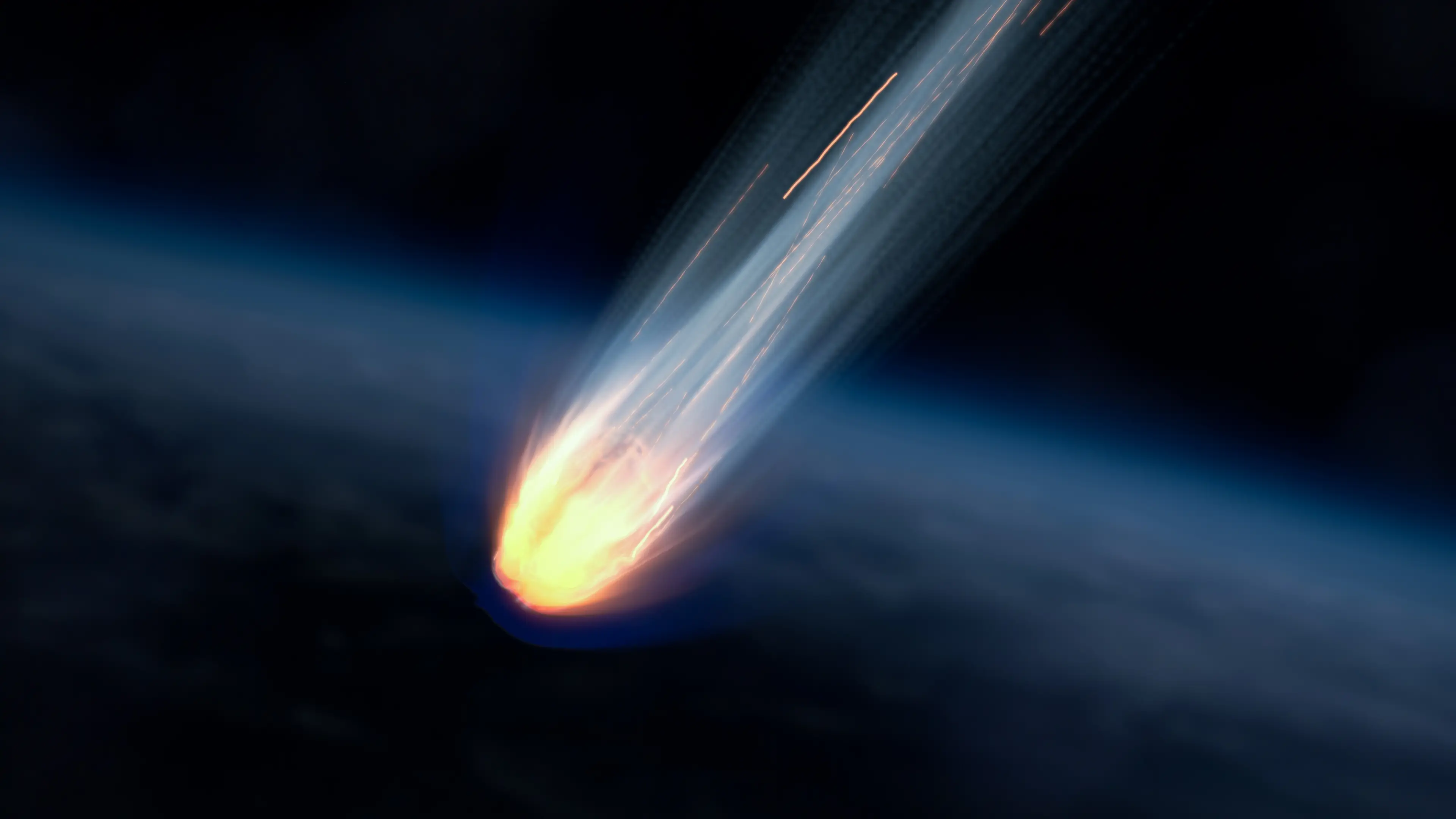
Why NASA can't track every meterorite as agency misses huge blast over Ohio

NASA managed to miss a meteor explosion over Cleveland, Ohio, on Tuesday (March 17), not long after a scientist explained why it's impossible to track each and every one.
The blast, which produced a shockwave equivalent to around 250 tons of TNT, came from an object just two metres wide and weighing roughly seven tonnes, as National Today reports.
Despite its size being large enough to create a significant boom across multiple states, it was still too small to be picked up by current tracking systems.
That’s because NASA’s planetary defence efforts are mainly focused on larger near-Earth objects - the kind that could pose more of a serious threat to us.
Advert
The meteor entered the atmosphere at approximately 8.57 am EDT, first becoming visible at an altitude of around 50 miles above Lake Erie.
It then traveled more than 30 miles through the upper atmosphere before breaking apart at roughly 30 miles above northern Ohio.
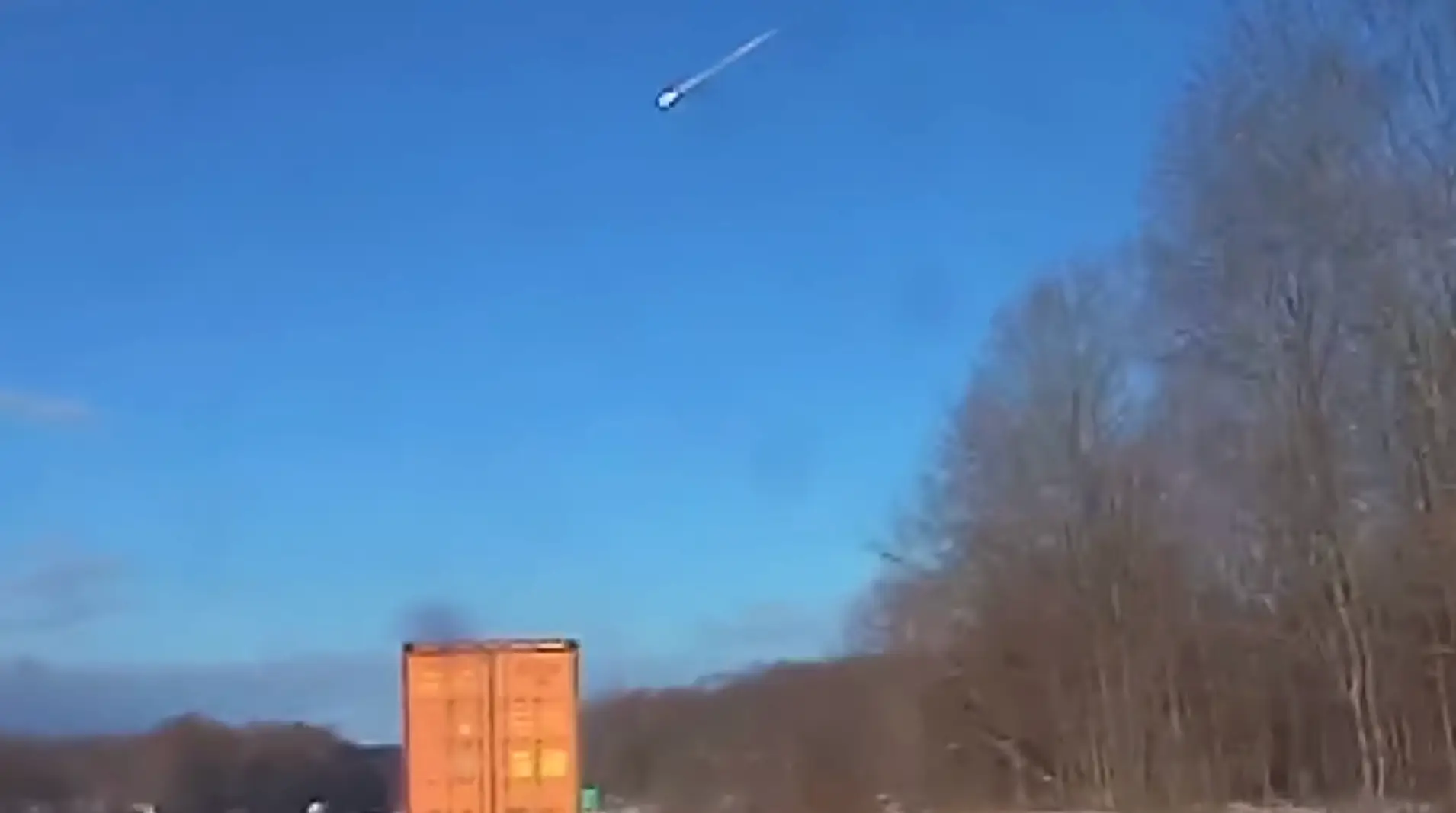
As it fragmented, it released a huge burst of energy, generating a pressure wave that was heard across parts of Ohio, Pennsylvania and Michigan.
Residents reported a loud boom and a bright fireball streaking across the sky, with sightings quickly spreading online.
The National Weather Service later confirmed the event, saying: “We’re receiving reports across western Pennsylvania and eastern Ohio of a loud boom and a fireball in the sky.
"Our satellite data suggest it was possibly a meteor entering the atmosphere.”
NASA also confirmed that a fireball had fallen over northeast Ohio near Cleveland.
So why wasn’t it detected sooner? In short, it comes down to size.
While Hollywood tends to focus on planet-ending asteroids, those are actually the least of NASA’s worries.
Large objects are relatively easy to track and are usually identified years - sometimes decades - in advance.
Smaller meteoroids, however, are far more common and much harder to detect.
Many only become visible once they hit Earth’s atmosphere and begin to burn up, producing the bright streaks we see from the ground.
Kelly Fast, head of planetary defence at NASA, has previously explained that the real concern lies somewhere in between.
"What keeps me up at night is the asteroids we don’t know about," she said while speaking to the American Association for the Advancement of Science.
"Small stuff is hitting us all the time so we’re not so much worried about that.
"And we’re not so worried about the large ones from the movies because we know where they are.
"It’s the ones in between, about 140 metres and larger, that could really do regional rather than global damage and we don’t know where they are."
She added that there are around 25,000 such asteroids, and scientists have only identified about 40 percent of them so far.
"It takes time to find them, even with the best telescopes," she said.
Sometimes, the less we know the better...
 Ellie Kemp