What are anti-epidemic measures as pneumonic plague outbreak warning over suspected death of lab worker, 28

Anti-epidemic measures have been triggered following the death of a 28-year-old lab worker, but what exactly does that entail?
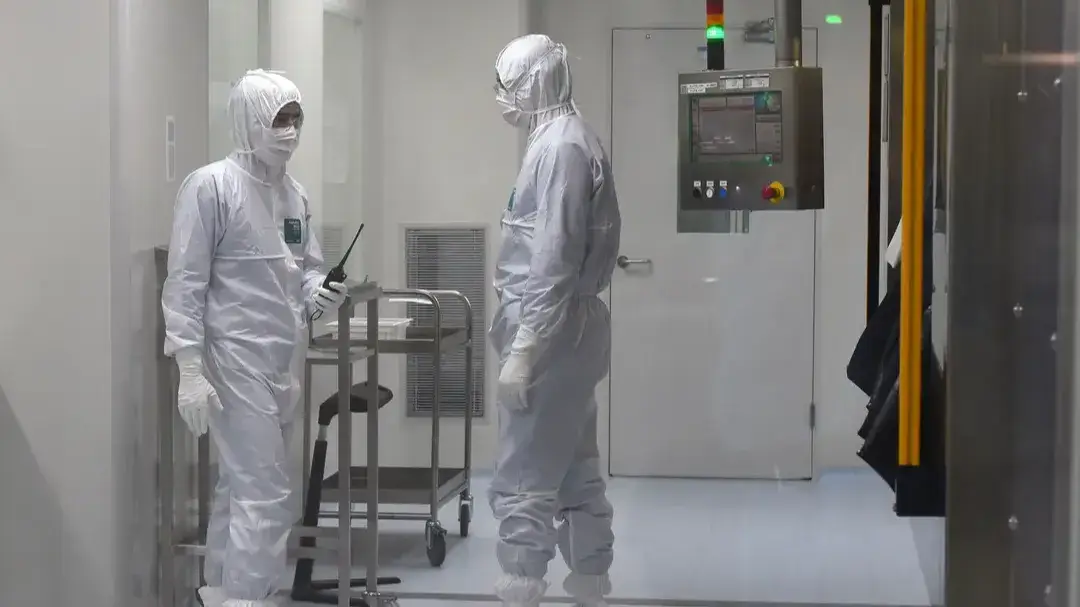
Daria Shipilova, lab technician working at the Irkutsk Anti-Plague Institute in Siberia, is believed to have died as a result of a suspected pneumonic plague outbreak.
Authorities in Russia have since identified 197 people who potentially came in contact with the deceased woman, with 189 of those people brought into hospital for observation and preventative measures.
Shipilova is believed to have died from pneumonic plague, which infects the lungs and can spread between people through respiratory droplets.
Advert
The disease form parts of the wider 'plague' group, which is typically passed on by fleas.
It remains unclear at this time how the technician worker contracted the illness.

Russian authorities are taking no risks however, and have since introduced a 'full range of anti-epidemic measures'
What are anti-epidemic measures?
To put it simply, these measures a set of actions used to prevent, control, and eliminate infectious disease outbreaks.
Such was introduced to prevent the spread of Covid in 2020, and is now being introduced in this part of Russia to reduce the spread of pneumonic plague.
This typically involves the isolation of the sick to prevent transmission to the most vulnerable in our community.
As such, quarantine measures could well be put in place for those who have fallen ill with the disease, as well as those most at risk.
Wiki Lectures explains: "Quarantine measures are set up for possibly infected individuals. Such infected individuals are regularly examined by the physician for the entire period of incubation, and increased medical supervision is done to ensure no spread of disease."
Authorities will also alter hygiene and health precautions when it comes to water disposal, food supplies, as well rubbish removal, while sufficient education on such matter will also be provided.

It has not been confirmed how Shipilova contracted the disease, though authorities have stated this form of plague can become life-threatening extremely quickly.
The CDC explains symptoms of pneumonic plague include a 'fever, headache, weakness, and a rapidly developing pneumonia with shortness of breath, chest pain, cough, and sometimes bloody or watery mucous'.
It is the most serious form of the disease and is the only form of plague that can be transmitted from person to person.
The CDC warns: "Plague is a serious illness. If you are experiencing symptoms like those listed here, seek immediate medical attention. Prompt treatment with the correct medications is critical to prevent complications or death."
 Callum Jones