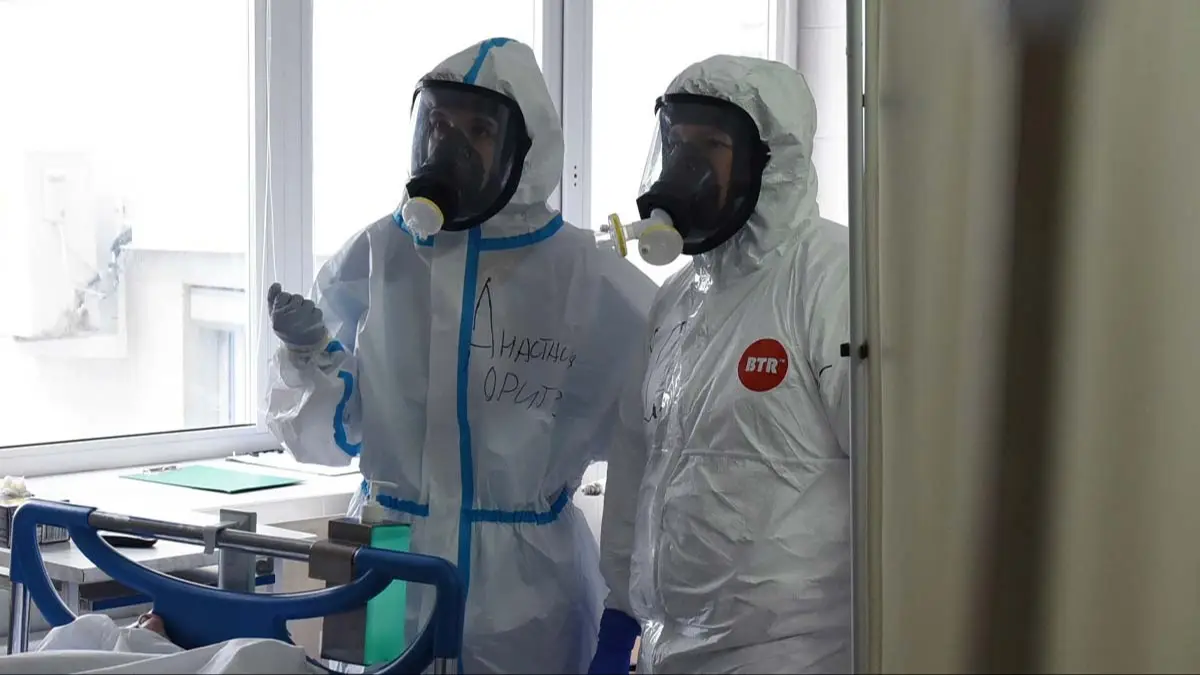
Symptoms of pneumonic plague as outbreak warning over lab worker's death triggers anti-epidemic measures

A woman's death has triggered an emergency response in Russia after she reportedly passed away from a suspected pneumonic plague outbreak.
Russian officials enacted strict anti-epidemic measures following the death of 28-year-old Daria Shipilova, a lab technician who worked at the Irkutsk Anti-Plague Institute in Siberia.
According to reports from independent Russian media, Shipilova was hospitalized on Tuesday (September 29) in the nearby town of Shelekhov, where she was admitted with severe pneumonia symptoms and placed on a ventilator before passing away two days later.
Local reports indicate she told colleagues she had inadvertently broken a test tube containing live bacteria while collecting samples. However, the Russian health agency Rospotrebnadzor released a statement claiming she was diagnosed with 'pneumonia of unknown etiology'.
Advert
It added that initial testing had not identified any microorganisms associated with her lab work, but despite this, local authorities have reportedly identified 197 people who potentially came into contact with Shipilova.
Of that group, 189 individuals were brought into a local hospital in Shelekhov for strict observation and preventative medical measures - with the facility placed under quarantine while standard lab tests have been temporarily suspended.

With Covid-19 fresh in everyone's minds, a spokesperson for the Department of Health and Human Services confirmed the Centers for Disease Control and Prevention (CDC) is 'closely' monitoring the situation.
"The safety and security of US citizens is our highest priority," they said.
Former White House Covid-19 response coordinator Dr Ashish Jha noted that if it represents an isolated case with no additional deaths, 'it will probably end there'.
The CDC currently lists the most common forms of the infection as bubonic, pneumonic, and septicemic.
The bubonic plague usually results from the bite of an infected flea and carries an incubation period of two to eight days. Patients typically develop swollen, painful lymph nodes, and the bacteria can spread to other organs if left untreated.
While the septicemic plague can occur as the first symptom of the disease or develop directly from an untreated bubonic case, with symptoms including abdominal pain and shock, with tissues on the fingers, toes, and nose potentially blackening and dying.
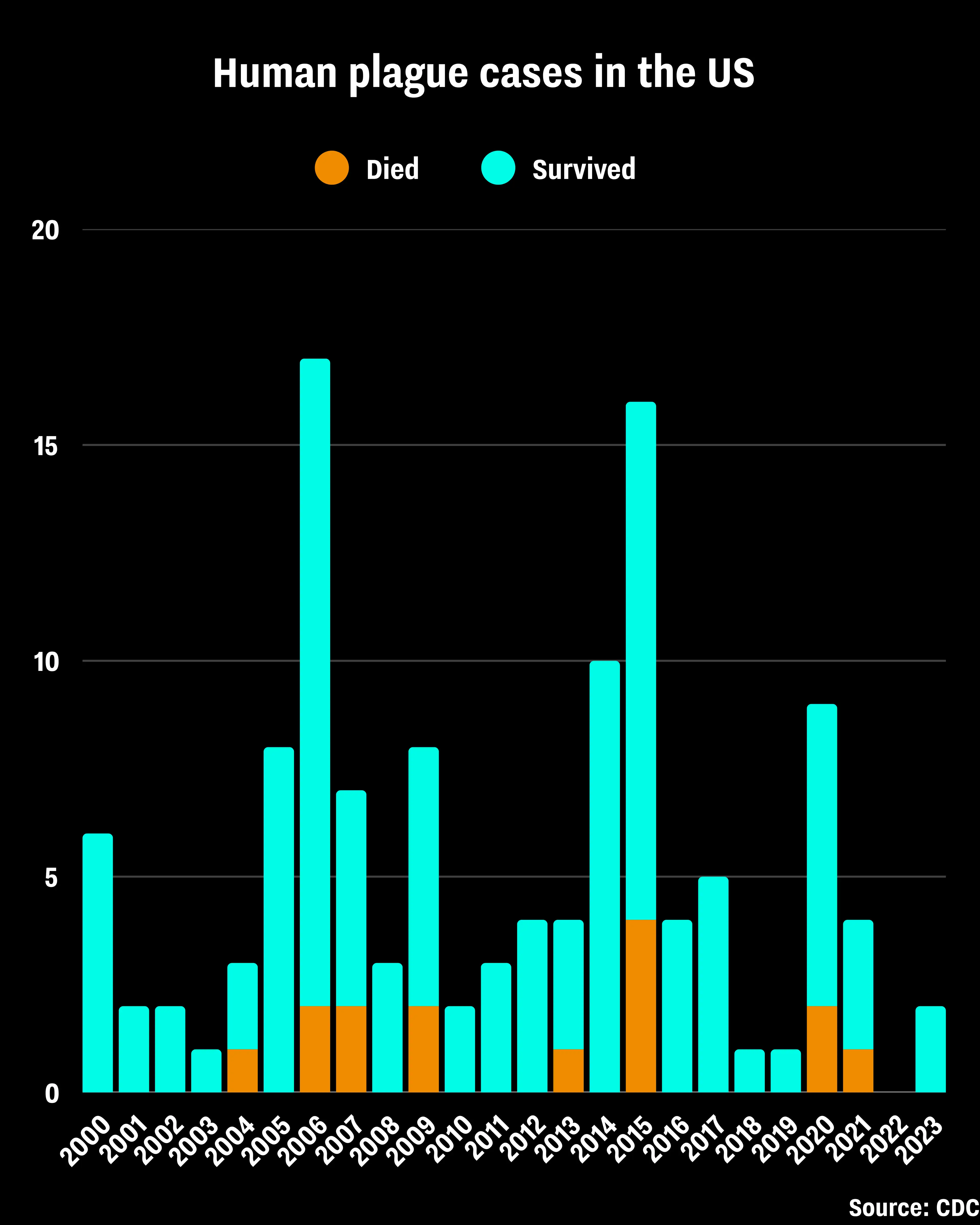
As for the pneumonic plague, experts regard it as the most serious form of the disease.
Unlike bubonic plague, this form can spread directly between people through respiratory droplets.
Dr Richard Martinello, chief medical officer at Yale Medicine, told Newsweek: "Pneumonic plague is when you have pneumonia due to the Y. pestis bacteria.
"Persons with pneumonic plague can spread the Y. pestis bacteria to other persons who can then develop pneumonia.
"This person-to-person spread is what makes pneumonic plague so problematic."
The CDC notes the incubation period for pneumonic plague can be as short as one single day following inhalation, with symptoms quickly turning into rapidly developing pneumonia with shortness of breath, chest pain, and a persistent cough.
The World Health Organization warns the disease carries an overall case-fatality ratio of 30 percent to 100 percent.
Topics: World News
 Joe Yates