El Niño has two lesser-known 'cousins' and scientists are increasingly worried about them

Most people have heard of El Niño, the climate phenomenon that can send temperatures soaring and disrupt weather patterns across the world.
But scientists are getting increasingly worried about two lesser-known ocean current systems that could have huge consequences far beyond anything associated with El Niño.
Known as the Atlantic Meridional Overturning Circulation (AMOC) and Antarctic Intermediate Water (AAIW), the two enormous systems of ocean currents play a crucial role in regulating Earth's climate.
And researchers are warning that both are showing signs of significant weakening as the planet continues to warm.
Advert
The potential consequences are hugely concerning - there could be much colder European winters and also disrupted rainfall that could cause global food shortages.
What are El Niño's two lesser-known 'cousins'?
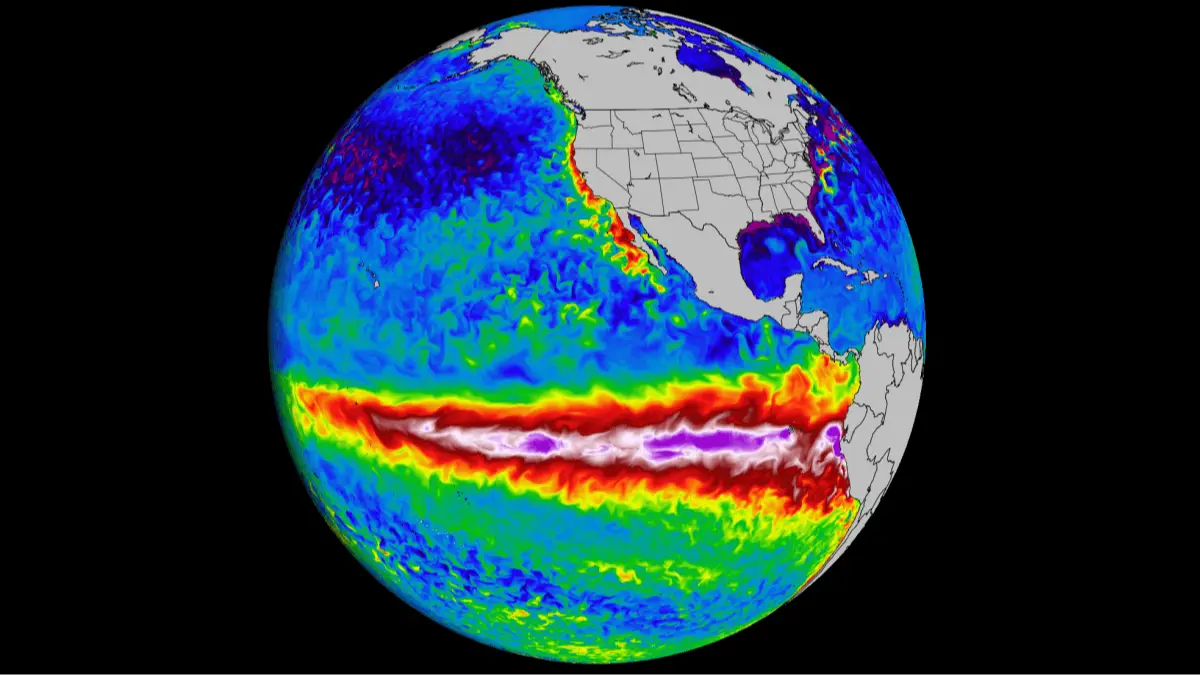
While El Niño is a naturally occurring climate pattern involving changes in sea surface temperatures across the tropical Pacific Ocean, AMOC and AAIW are much larger systems that help move heat, water and nutrients around the planet.
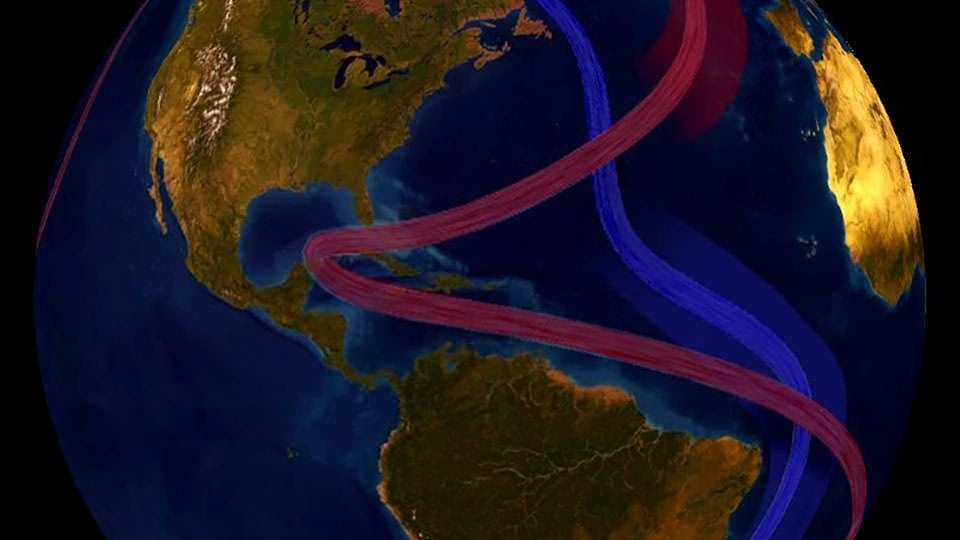
The first AMOC, is essentially a giant conveyor belt in the Atlantic Ocean.
It transports warm, salty surface water from the tropics towards the North Atlantic, releasing heat into the atmosphere as it travels.
That process plays an important role in keeping parts of Europe relatively mild.
It's one reason why the UK, for example, experiences much warmer winters than parts of Canada sitting at a similar latitude.
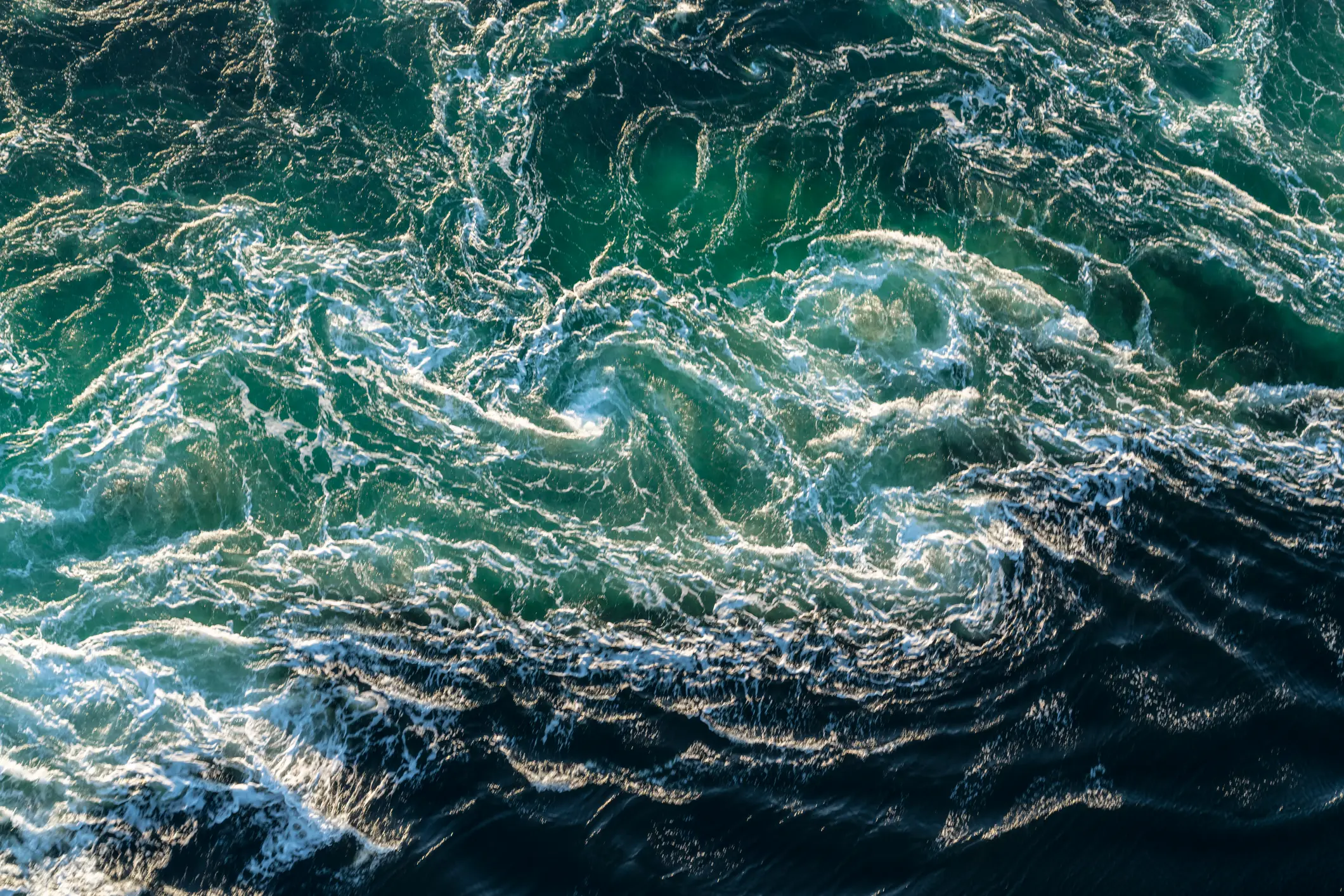
Once the water cools, it becomes denser and sinks towards the ocean floor, before travelling south again.
However, scientists fear that rising temperatures and melting ice in Greenland are disrupting this process.
As more freshwater enters the North Atlantic, the water becomes less salty and less dense, making it harder for it to sink.
This could ultimately cause the circulation to weaken dramatically, with researchers warning that a complete shutdown is a possibility this century.
The second system, AAIW, operates in the Southern Hemisphere.
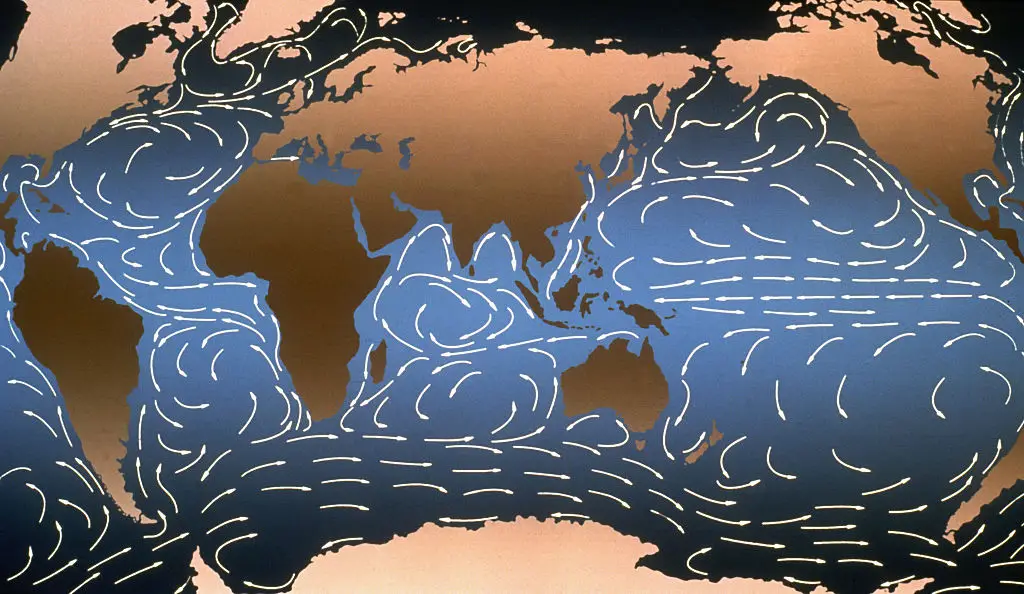
Antarctic Intermediate Water helps circulate heat, carbon and nutrients between the Southern Ocean and the Atlantic, Indian and Pacific Oceans.
It's also believed to play an important role in influencing rainfall across southern Australia, Africa and South America, as well as India's monsoon season.
But scientists are becoming increasingly concerned about changes happening around Antarctica.
Why are scientists worried about the ocean currents?
Research suggests that the loss of Antarctic sea ice is disrupting the freshwater supply that helps sustain the AAIW system.
Since 2016, Antarctic sea ice has experienced record lows, with the resulting changes affecting the water's salinity and density.
Without the same seasonal injection of cold, relatively fresh water, the surrounding ocean is becoming saltier and heavier, causing water to sink deeper.
Professor Bishakhdatta Gayen, from the University of Melbourne and the Indian Institute of Science, explained the significance of the changes to News.au.
"The Antarctic region is the freshwater engine of oceans around the globe," he said.
"Melting Antarctic sea ice influences circulation thousands of kilometres away."
Researchers warn that the consequences could extend well beyond the Southern Ocean.
A slowdown could affect atmospheric circulation, weather patterns and storm tracks throughout the Southern Hemisphere, while also changing how much carbon the oceans can absorb.
Professor Naveira Garabato, a co-author of the research, warned: "However, the impact can cascade globally."
Meanwhile, the situation in the Atlantic is also attracting increasing attention.
Some estimates suggest AMOC could weaken by as much as 43 per cent by the end of the century, while the probability of a complete shutdown during that period has been estimated at anywhere between one and 50 per cent.
The consequences of even a partial weakening could be significant.
What would happen if the currents collapsed?
An AMOC collapse could dramatically alter temperatures across Europe and the North Atlantic.
Parts of northern Europe could experience considerably colder winters, while changes to rainfall could make agriculture increasingly difficult.
One particularly concerning possibility is that food production could be affected across several major agricultural regions.
Research from the Alliance to Feed the Earth in Disasters (ALLFED) has modelled how a world without AMOC could affect global crop production.
Its simulations suggest production of wheat, maize and rice across the Northern Hemisphere could fall by between 12 and 19 percent, with global production declining by around 5.3 percent.
There are also fears that changes to the AAIW could disrupt rainfall and monsoon patterns, placing additional pressure on food supplies in the Southern Hemisphere.
British Antarctic Survey oceanographer Professor Mike Meredith has warned that the temperature differences between regions could become increasingly extreme.
"This might bring extreme weather conditions," he said.
"Those weather events could make anything we've seen so far just look like small beer."

Governments are beginning to take the potential threat seriously.
Iceland has declared shifting ocean currents a national security risk, while the Netherlands and Finland have launched their own assessments.
The UK has also committed $150 million towards an early-warning system.
Iceland's climate minister, Jóhann Páll Jóhannsson, has warned against waiting for absolute certainty before preparing for the potential consequences.
"It is irresponsible to wait for absolute certainty before preparing," he said.
"Because, by the time the consequences become undeniable, it may already be too late to prevent them from happening."
And while scientists are still working to establish exactly how quickly the currents could change, one thing is becoming increasingly clear: the ocean systems that help regulate Earth's climate are under growing pressure.
Topics: Climate Change, Environment
 Thomas Bamford