Baba Vanga's chilling prediction reveals when the world could end as scientists get it wrong

A prediction about the end of humanity has resurfaced as a date identified by scientists more than six decades ago arrives without the catastrophic consequences they once warned about.
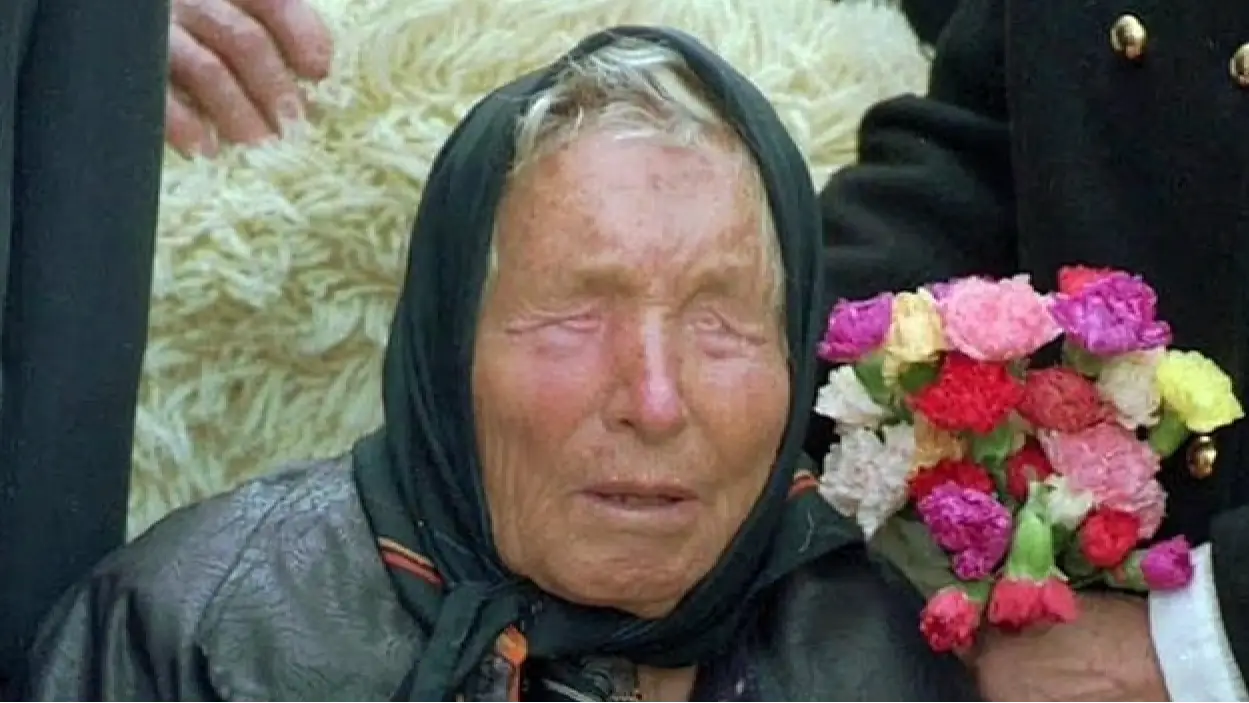
The Bulgarian mystic Baba Vanga, who died in 1996, is credited by followers with forecasting numerous major world events, but one of her most extraordinary alleged predictions concerns the eventual end of the world.
According to a timeline attributed to Vanga, humanity is not expected to reach its final chapter until 5078 - more than 3,000 years from now.
However, a separate scientific prediction identified November 13, 2026 as a potential doomsday, with researchers warning of the consequences of unchecked population growth.
Advert
That date is today, but the scientists' calculations have not played out as anticipated.
Vanga, who was born in Bulgaria in 1911, has become the subject of considerable fascination among believers, with some claiming her predictions have an accuracy rate of 85 percent.
However, questions remain about the reliability of those claims, while the scientific paper offers a rather different explanation for why humanity might face an uncertain future.

When did Baba Vanga predict the world would end?
Vanga's alleged predictions stretch thousands of years into the future, with the final date in the timeline placing the end of the world in 5078.
Before that, the forecasts describe a series of extraordinary developments for humanity.
By 4302, humans are supposedly expected to discover a universal cure for diseases, while 4308 allegedly brings significant changes to human behaviour.
The timeline then claims people will be able to communicate with God by 4509, before immortality supposedly becomes commonplace in 4599.
Humanity is also predicted to reach a population of 340 billion by 4674, with people mixing with extraterrestrial beings.
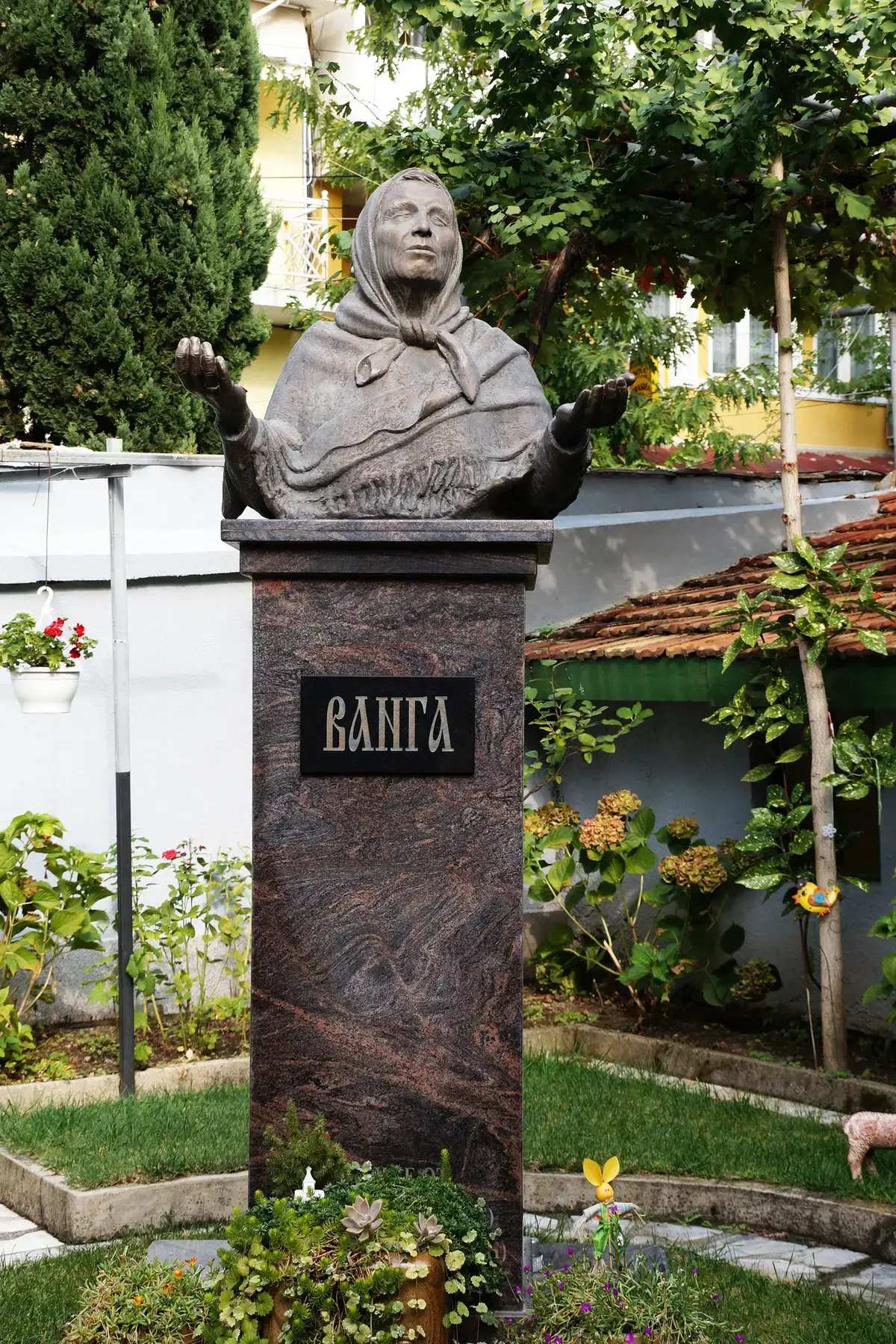
The claims continue until 5076, when humans supposedly discover the edge of the known universe. Just two years later, the world is expected to end.
Some followers also credit Vanga with predicting the 1986 Chernobyl disaster, the September 11 attacks and Barack Obama's election as the first Black US president.
One frequently repeated example concerns a supposed 1989 prediction about American people being attacked by 'steel birds', which believers subsequently connected to the planes involved in 9/11.
However, Vanga never personally documented her forecasts, meaning many were recorded and circulated by other people. This has made it difficult to establish exactly what she said and when.
Why did scientists predict the world would end on November 13, 2026?
The date has another unusual connection, this time to a scientific paper published in Science on November 4, 1960.
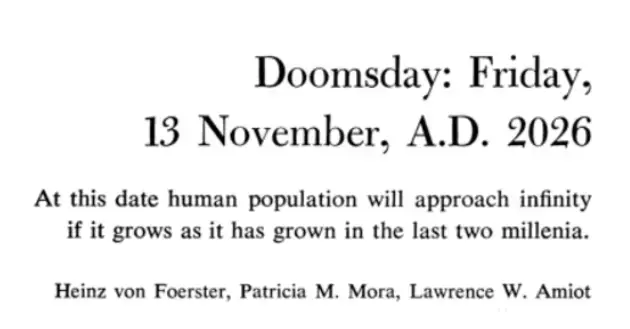
Physicist Heinz von Foerster and colleagues Patricia M. Mora and Lawrence W. Amiot authored the paper, titled Doomsday: Friday, 13 November, A.D. 2026.
Their research examined population estimates dating back to around 400 BC and identified an accelerating pattern in global population growth.
Researchers suggested that if the trend continued, the world's population would approach infinity on November 13, 2026.
They even predicted the global population would exceed 25 billion by 2020, a figure that was never reached.
The paper warned: 'Our great-great-grandchildren will not starve. They will be squeezed to death.'
However, as historian Alan MacEachern explained in an article for The Conversation, the model began diverging from reality around 1993.
Its fundamental problem was the assumption that population growth could continue accelerating indefinitely. In reality, the time between population doublings could not keep shrinking forever.
The global birth rate is now slightly less than half what it was in 1960, meaning the trajectory outlined by the researchers failed to materialise.
The authors had hoped that "at some time, somehow, something will happen that will stop this ever-faster race to self-destruction".
While the scientific prediction has not come true, Vanga's alleged final forecast remains thousands of years away.
Topics: Baba Vanga, Science
 Thomas Bamford