Women from 'world's most endangered tribe' have a surprising reason for breastfeeding small animals

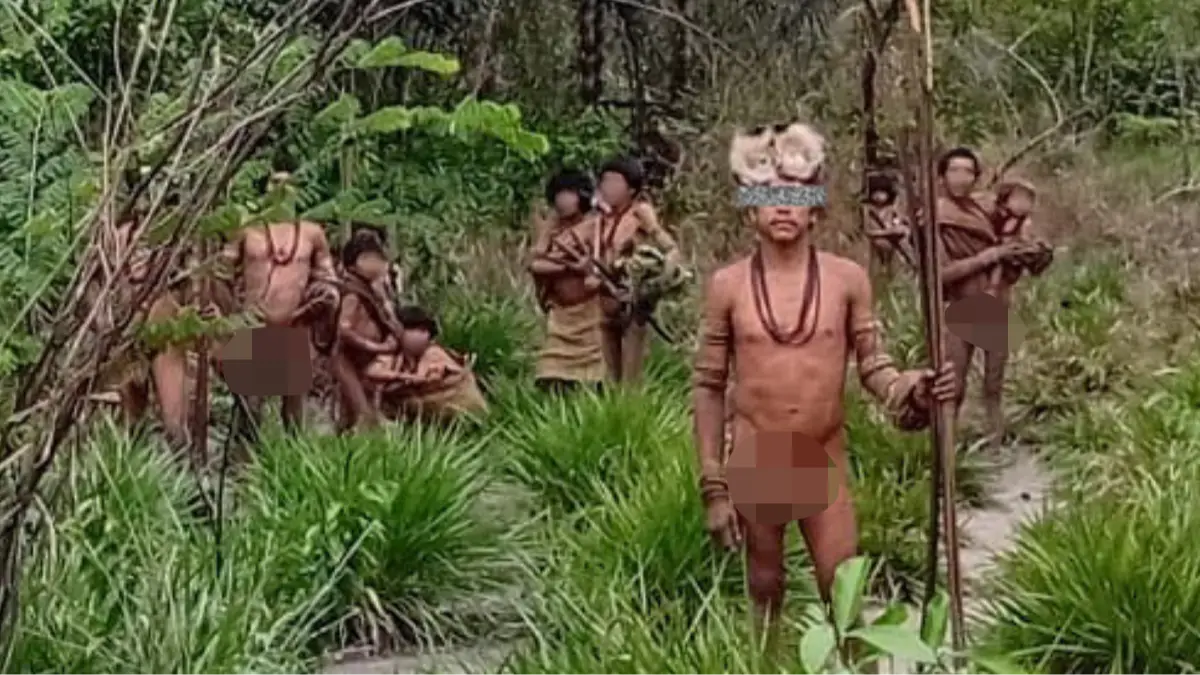
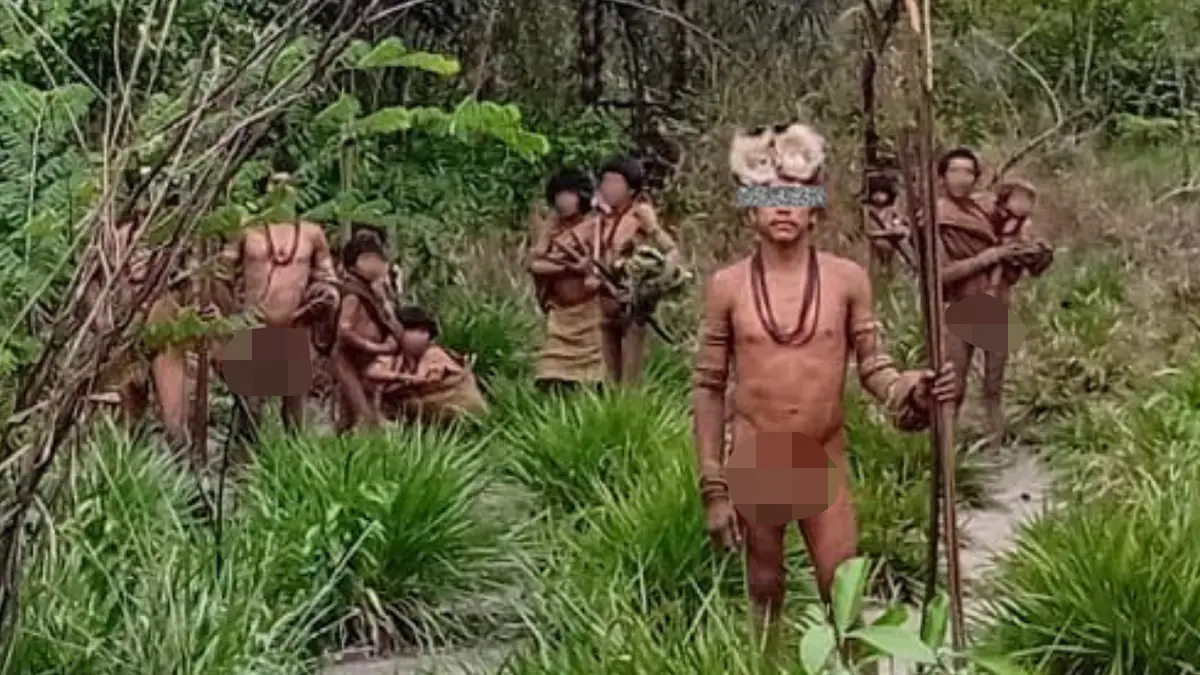
Around 20 uncontacted Awá people emerged from the Brazilian rainforest on Monday, November 16, and approached a government outpost in the village of Tawari, in the northeastern state of Maranhão.
According to human rights group Survival International, the group had come looking for yams. They accepted the food that was offered before heading back into their territory, and images from the encounter show members of the tribe holding long wooden spears at the edge of the forest.
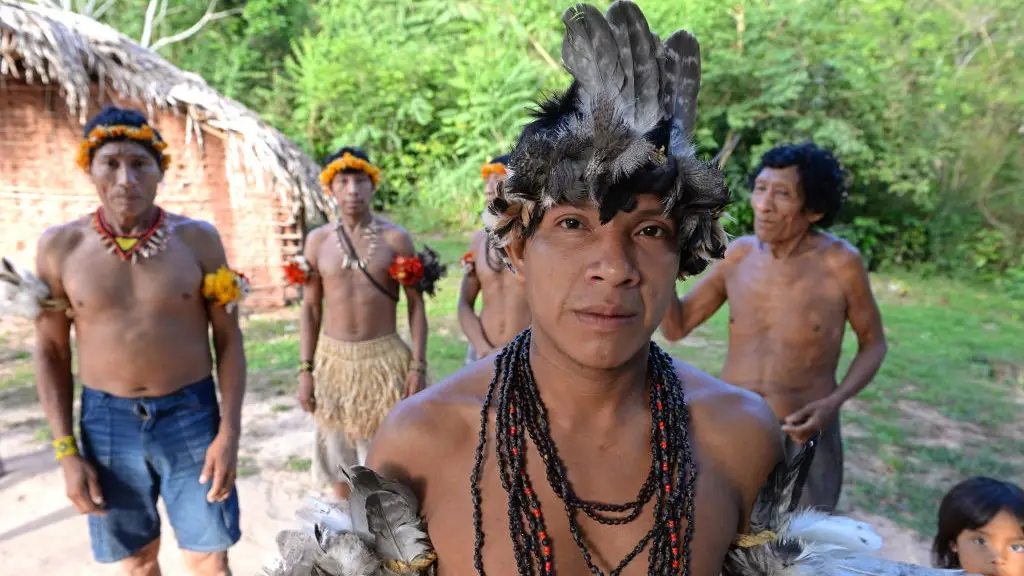
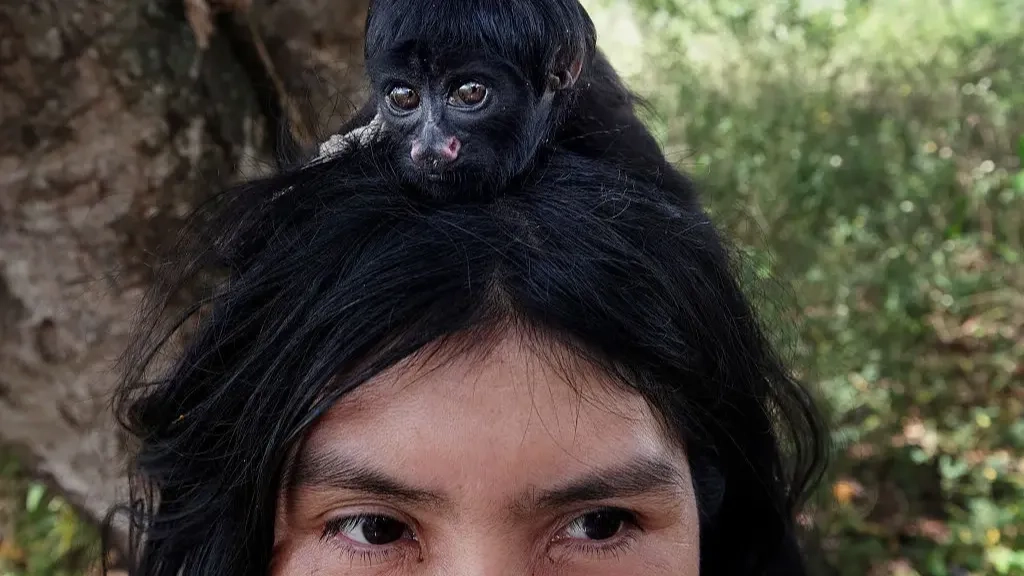
Little is known about the Awá, but one detail of their daily life stands out: the women breastfeed young animals.
The organization says the animals include monkeys, squirrels and agoutis, small rodents similar to guinea pigs with teeth so sharp they can crack the outer shells of nuts.
Advert
One tribeswoman, called Parakeet told 9News: “I spend a long time breastfeeding the baby monkeys.” She explained that the animals do not stay forever: “When they have grown, they go back to the forest to live. I hear the howler monkey that used to be my pet, singing there in the forest.”
The practice sits within a broader way of life. The nomadic hunter-gatherers live off the land and keep many wild animals as pets, with most families owning far more animals than people. Raccoon-like coatis, wild pigs and king vultures are among them, although monkeys rank as the Awá’s favorites.
Photographer Domenico Pugliese, who spent time with the tribe more than a decade ago, said the animals are breastfed until they are fully grown. “They feed the squirrels and monkeys like they feed their kids, breastfeeding,” he said.
He added: “It highlights how far we have come from where we were. They are so close to nature. In fact, it is not even close – they are part of nature.”
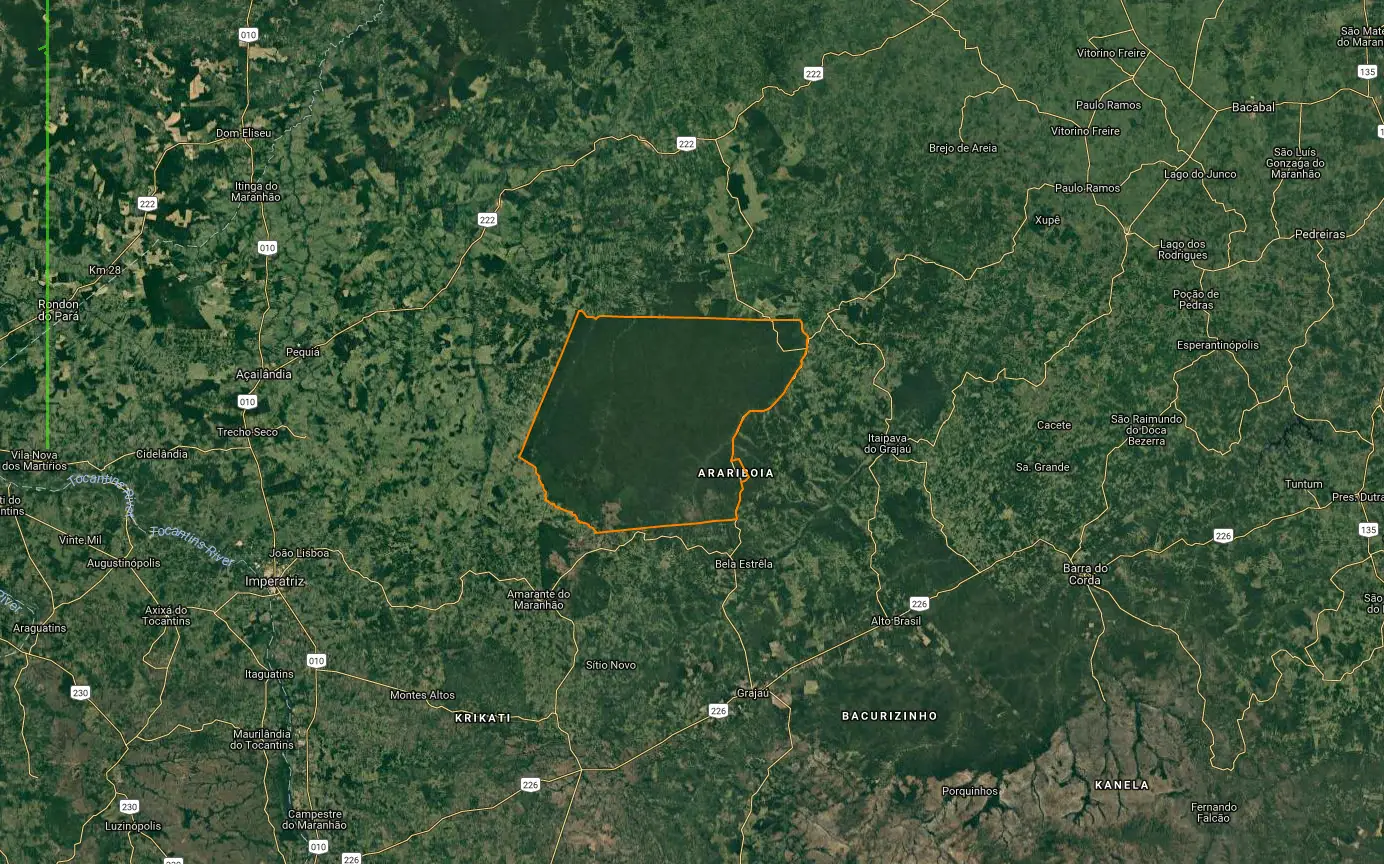
Where do the Awá people live?
Survival International has campaigned for decades to protect Awá territories, including an unprecedented campaign from 2012 to 2014 for a neighboring territory, when the Awá were described as ‘Earth’s most threatened tribe’.
The territory the group returned to is known as Arariboia and covers roughly 1.2 million acres. The Awá are expert hunters who use bows and arrows to hunt armadillos, and they gather wild honey and babassu nuts in the dense forest. They remain one of the last uncontacted peoples.
What threats does the Awá territory face?
Survival International Director Caroline Pearce said the encounter points to a wider problem. “This is a troubling indication of how the continued invasion of unconnected peoples’ forests put otherwise self-sufficient Indigenous people in real danger,” she said.
Illegal loggers, hunters and cattle ranchers have closed in on Arariboia in recent years, and Survival International says the land has been invaded more and more, which could be why the Awá sought food.
A team of Guajajara people known as the Forest Guardians has battled the invaders for years, and Survival International says many have lost their lives.
“The Brazilian government must commit the resources necessary to protect Arariboia from the loggers and ranchers who are razing it, in flagrant defiance of the law,” Pearce urged.
Topics: World News, Animals
 Thomas Bamford-Sidwell