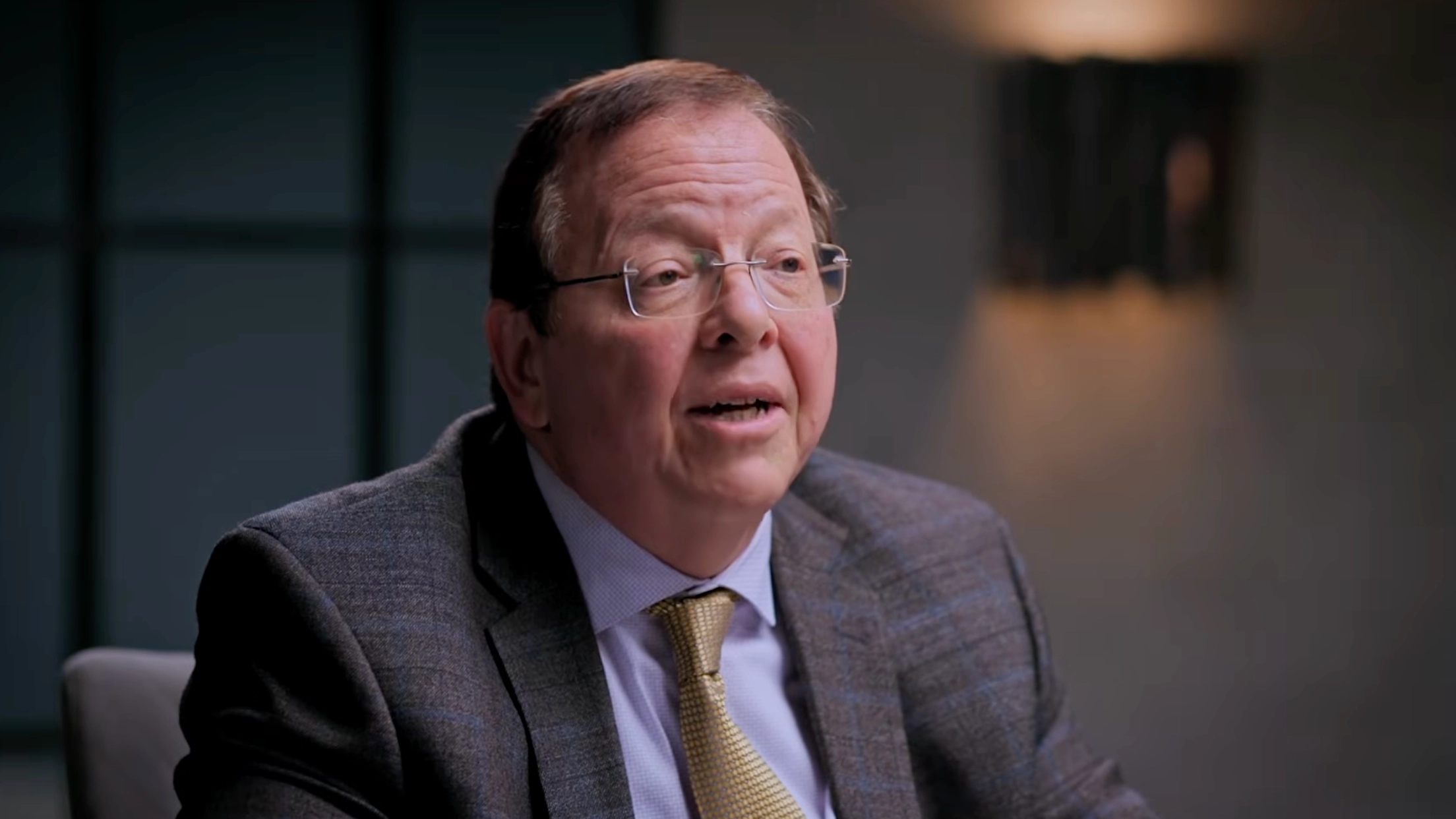
War expert reveals key things America must do to prevent WW3

An American political scientist has outlined three measures he believes could prevent escalating international tensions from developing into World War III.
Professor Robert Pape, an international security expert at the University of Chicago, believes the United States and its allies still have the opportunity to prevent the situation from deteriorating further.
Speaking to Stephen Bartlett on The Diary of a CEO, Pape warned that the coming weeks could be particularly dangerous, with the Iran conflict, political divisions in America and Russia's war in Ukraine creating what he described as an increasingly serious escalation trap.
The interview saw Pape explain why seemingly limited military decisions could have consequences far beyond their original targets.
Advert
Having spent 30 years studying political violence and advising every US administration since 9/11, he believes three specific interventions could help prevent the situation from spiraling out of control.
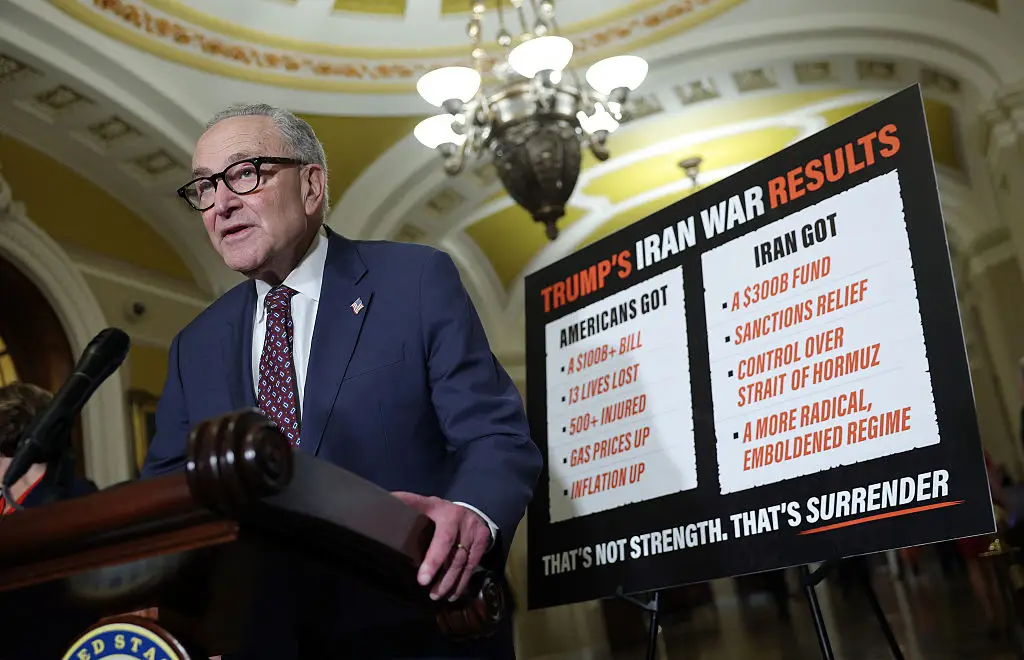
What three things does Robert Pape say America must do to prevent WW3?
Pape's first recommendations is directed at members of Congress, including those who have just been elected.
He believes they should make a clear declaration that the Trump administration must not escalate military action against Iran until the new Congress takes office, unless Iran strikes first.
Describing this as the most important intervention, Pape said: "No escalation by the Trump administration in Iran until the new Congress is seated unless Iran strikes first."
He called the proposal 'the core firebreak', arguing that putting limits on further military action could prevent another dangerous step in the conflict.
His second recommendation focuses on tensions within America itself.
Pape wants governors and mayors across the country to call on President Donald Trump to introduce a two-month moratorium on federally armed agents operating in their cities, unless local leaders request their deployment.
He believes this could reduce opportunities for confrontations between federal agents and protesters during a particularly sensitive period in American politics.
Explaining his reasoning, Pape said the aim was to take away some of the potential triggers for political violence.
"We can't take every spark off, but we can take the key sparks off," he told Bartlett.
His concern comes amid warnings about what he calls 'violent populism', with Pape highlighting research suggesting millions of Americans support the use of political violence against those on the opposing side.
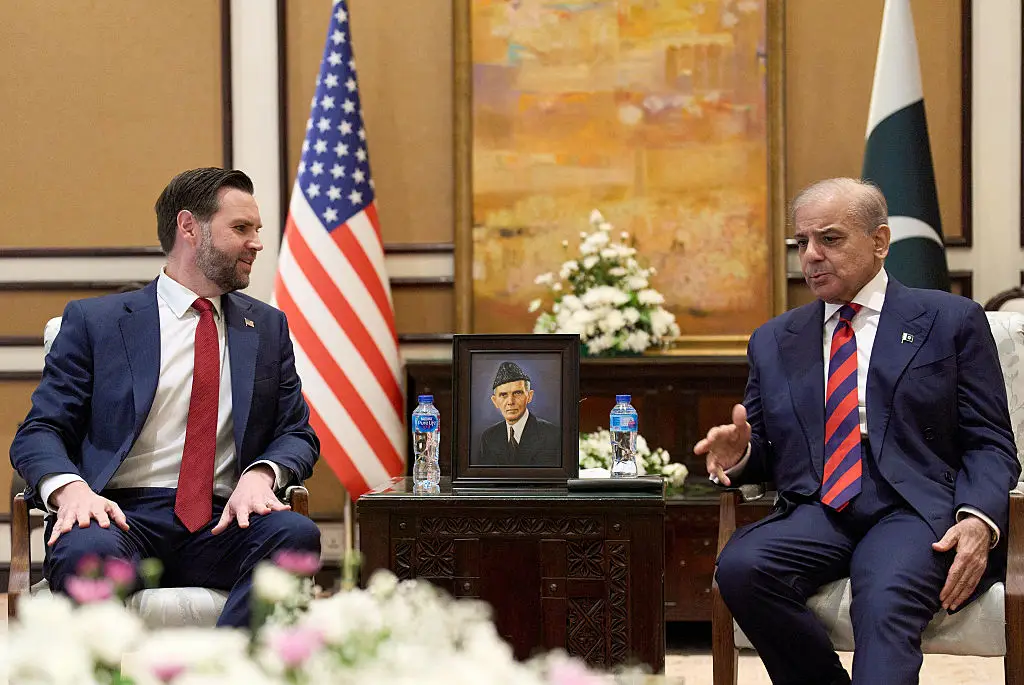
Which countries could help prevent the Iran conflict escalating?
Pape's third recommendation involves international diplomacy, specifically three countries he believes should take a more active role in preventing further escalation.
He identified Pakistan, Qatar and India as important potential mediators, saying they should use their positions to encourage all sides involved in the various conflicts to exercise restraint.
The professors concerns extend beyond military targets, with civilian infrastructure and residential areas also at risk as the fighting intensifies.
He has previously warned that attacks on infrastructure could cause significant civilian casualties and encourage retaliatory violence.
The three proposed firebreaks are intended to address different parts of the same problem: military escalation, domestic political violence and the growing danger to civilians.
Pape's wider warning is that these developments cannot be considered separately, as decisions made in one conflict could influence events elsewhere.
 Thomas Bamford