Former death row officer reveals what happens in the 72 hours before an inmate is executed

A former corrections officer has revealed what the job is like and what a death row inmate's last days might look like.
Capital punishment is legal in 27 American states including Florida, Tennessee, Kansas, and Utah. It's long been a topic of debate in the country – in particular the way people are executed.
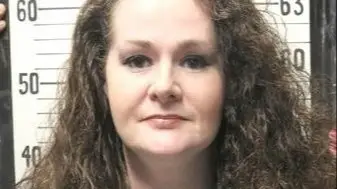
Lethal injections have received renewed attention of late after the botched attempt to execute Christa Pike. The convicted criminal, who has been on death row for three decades, was supposed to be put to death on September 30 but the execution team failed to properly administer the lethal drugs into her bloodstream.
She survived the ordeal and ended up being rushed to hospital. Over a month later and Pike is now back in prison and recovering from the ordeal.
Advert

America has had capital punishment for hundreds of years; despite this, the impact is has on people is profound.
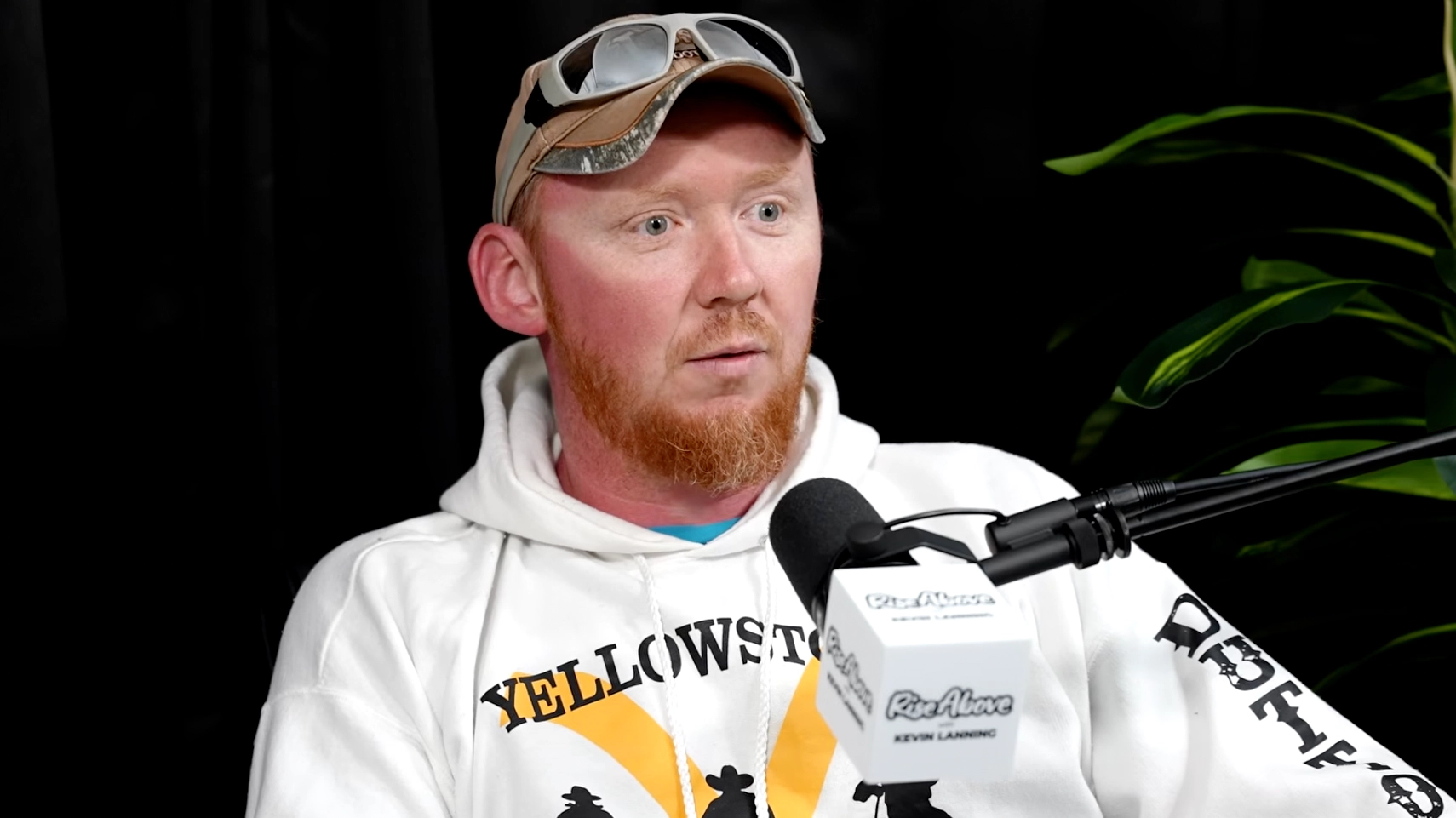
David, a former prison officer who spoke on the Rise Above podcast hosted by Kevin Lanning, revealed how and execution impacts more than just the death row inmate.
He worked in a prison for 14 months and during this time there was one prisoner was put to death. Discussing this, David shared: "They executed one inmate while I was there and the whole unit changed in the few weeks leading up to it and about a week afterward.
"Everything was just quiet. Like, eerily quiet. People were not doing their [recreational] times. It was a really high tense, high stress situation during that time."
David went on to discuss what happens to the inmate being executed 72 hours before their death.
He revealed: "72 hours before the execution they take him up to what's called the infirmary. It's basically their medical center and he'll be monitored by two officers and a corporal, and medical will check on him every 3-4 hours."
David went on: "He basically has a whole team that monitors him the 72 hours leading up to his execution. People [will be] sitting there watching him 24/7."
The inmate in question had received the news before going to the infirmary via his lawyer that his appeals hadn't worked and the governor wasn't going to intervene and stop the execution.
"It was wild to see a person that had just got that news and what mattered to him in life – and nothing really seemed to matter," David recalled.
"He wasn't violent, or angry, or upset or anything, it was like he had left. His body was there but he had just checked out completely."
The inmate 'knew it was over with' and started giving out his belongings to his fellow inmates.
Topics: Death Row, True crime, Podcast
 Niamh Shackleton