US tourist killed by lightning strike while hiking restricted zone on Mount Etna

An American tourist has died after being struck by a bolt of lightning while hiking in a restricted area on Italy's Mount Etna.
The hiker, confirmed by Italian authorities as a 29-year-old man from Kansas, was traversing Europe’s tallest active volcano on Sunday evening when an intense thunderstorm swept across the region.
Emergency crews received an alert around 8:00 p.m. local time after the man was hit in an exposed section above the tree line.
Firefighters and mountain rescue teams were deployed via helicopter to reach the remote slope, where they found the victim in cardiac arrest.
Advert
He was airlifted to Cannizzaro Hospital in the nearby city of Catania, but medical personnel were unable to revive him and pronounced him dead later that night, reports CBS.
Restricted area and volcanic activity
According to Italian news agency ANSA and local emergency services, the man had reportedly entered an area closed to the public and off-limits to standard guided tours, attempting to get closer to the summit.
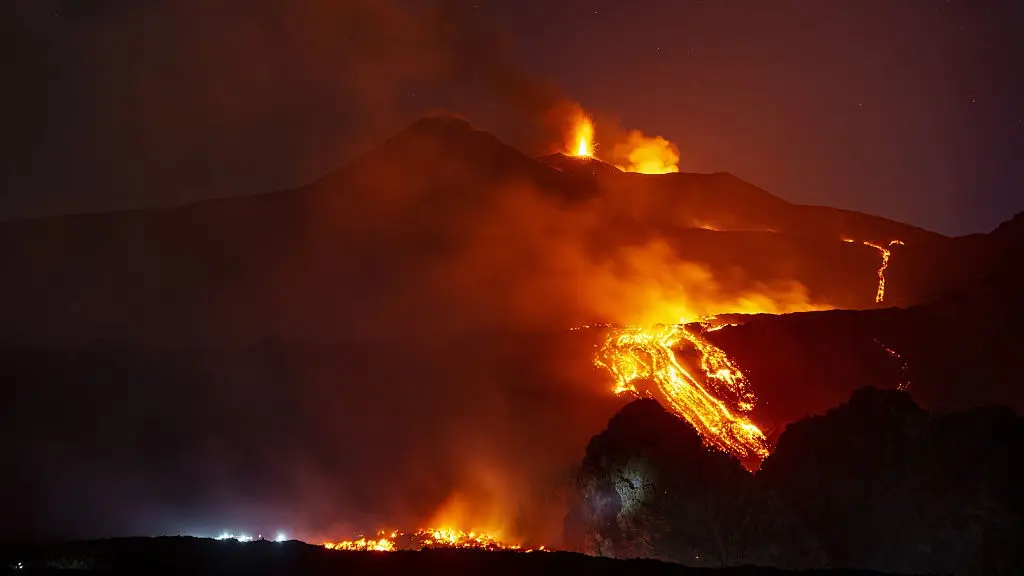
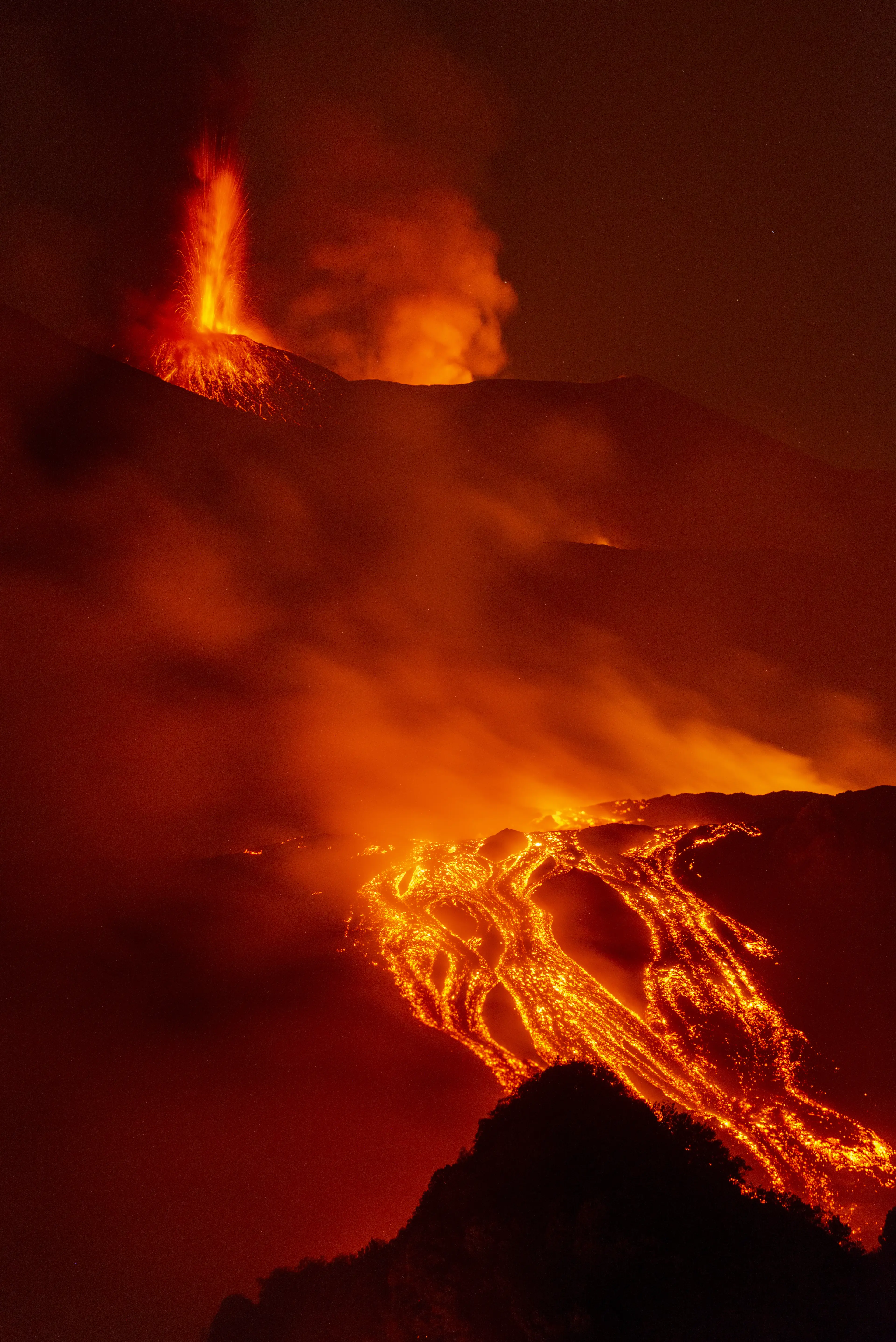
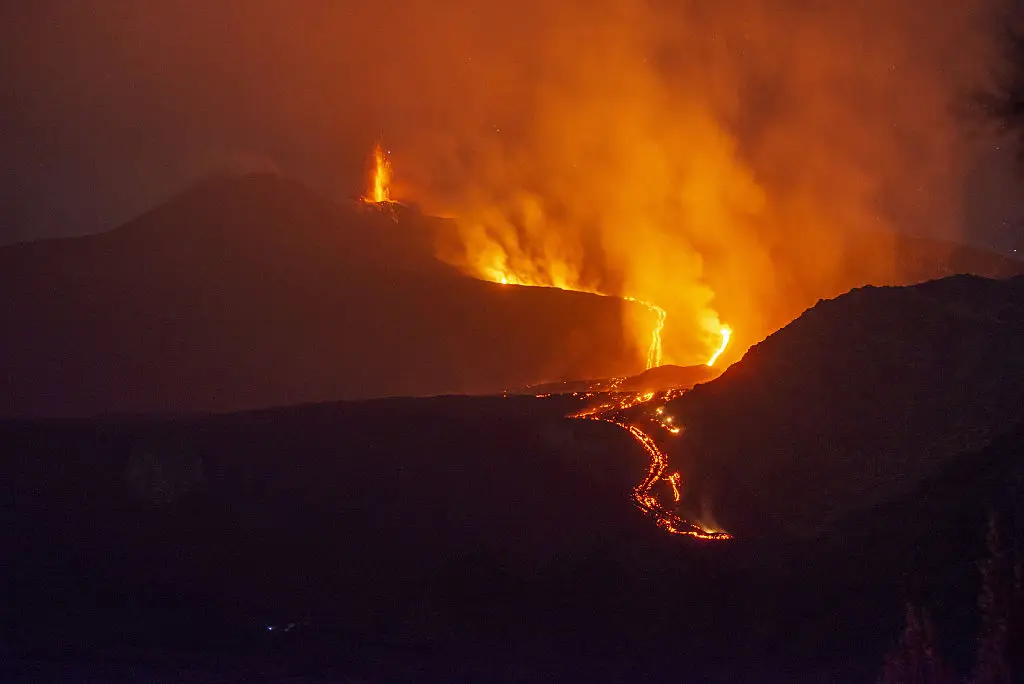
Large sections of Mount Etna’s slopes have been strictly cordoned off by local authorities due to weeks of persistent eruptive activity, sustained ash emissions, and lava streams flowing from its Voragine crater.
Yet despite the strict warnings and safety measures in place, handfuls of curious tourists have continually defied the advice of experts and still tried to get closer in order to see the active volcano firsthand.
The ongoing eruptions had recently caused travel disruptions, temporarily halting flights at Catania International Airport during one of the busiest holiday weeks of the summer.
The spectacular glowing lava streams have attracted an exceptional influx of hikers, tourists, and curious onlookers eager to witness the volcanic phenomenon at night.
In response to this dangerous mass exodus towards the active lava fronts, local authorities have implemented strict roadblocks, parking bans along key mountain routes like the Mareneve road, and restricted access to the affected areas to ensure public safety.
Visitors have been urged to stay at least 200 metres from the lava at all times, but this hasn't stopped some risk-taking tourists from daring to try and steal a peek for themselves.
A surprising hazard on the mountain
While Mount Etna's molten lava flows and explosive craters capture global attention, official data shows that lightning strikes have actually claimed more lives on the mountain in recent decades than direct volcanic activity.
The last recorded fatalities caused directly by volcanic eruptions occurred in 1987.
Italy's Civil Protection department notes that ascending Etna quickly exposes hikers to extreme, unpredictable high-mountain weather, where humid sea air colliding with high-altitude terrain can spawn sudden and violent electrical storms with little warning.
Authorities have not yet released the victim's name as formal notifications continue
Topics: Volcano, US News, World News, Kansas
 Phoebe Tonks