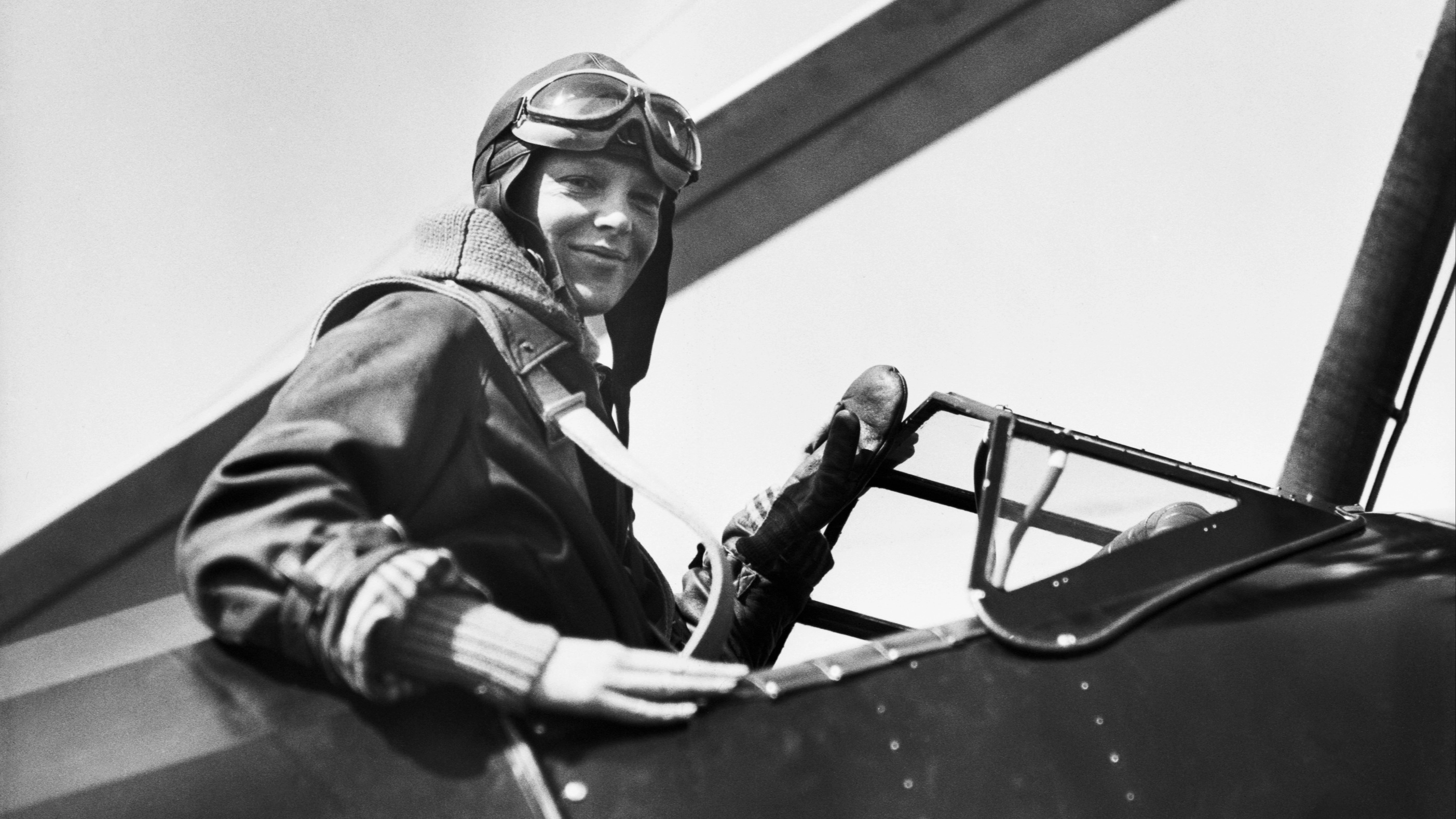
Unexpected impact El Niño is causing in search for Amelia Earhart’s missing plane

The location of Amelia Earhart's plane has been a mystery for nearly 90 years, and the El Niño is proving to be just one more blockade between researchers and its remains.
The legacy of Earhart is one for the ages, and her disappearance has left a huge question surrounding the end of her life.
As the first female pilot to cross the Atlantic by airplane in May 1932, Earhart was a top aviator, and as a woman, she was a rarity in the field.
Despite reaching heights and completing trips like you could only hope to see, a few years later in 1937, Earhart disappeared somewhere over the Pacific Ocean in an attempt to become the first person to fly around the world.
Advert
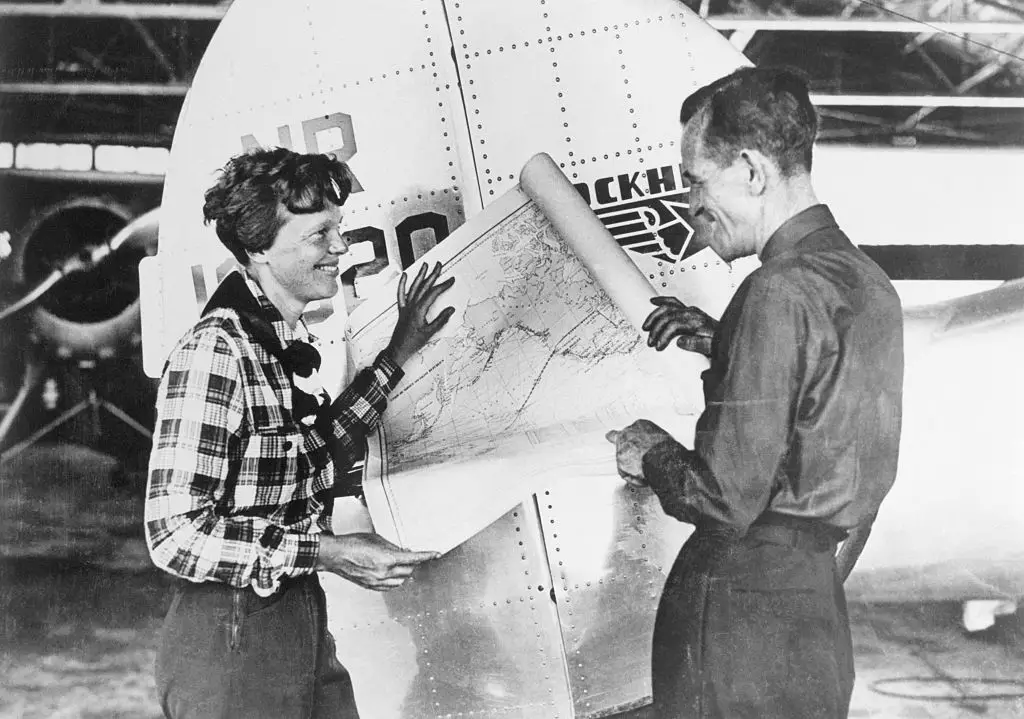
At the time of the disappearance, Earhart was with her navigator, Fred Noonan, who were both eventually declared legally dead in January 1939.
However, there have been many theories about the plane incident, and one where people believe they could have survived the crash.
This theory put the pair on Nikumaroro Island, a remote location in the Pacific.
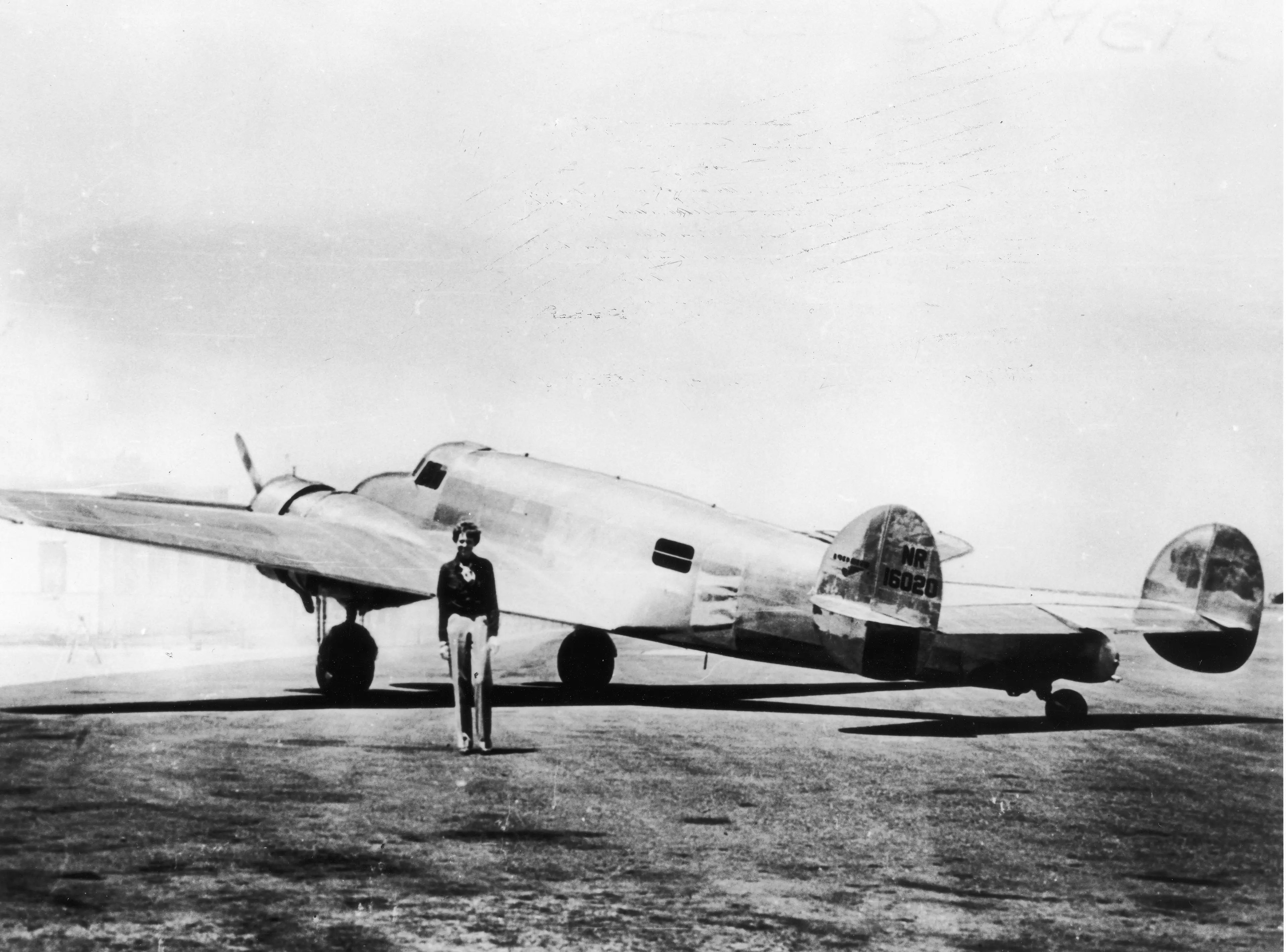
It’s also the island which has a lagoon that researchers traveled to in search of the missing Lockheed Electra 10-E craft.
But the 17- person team of researchers from the Archaeological Legacy Institute (ALI), Purdue Research Foundation (PRF) and Purdue University have been hit with an unexpected issue in the form of the El Niño that meteorologists have been following for months.
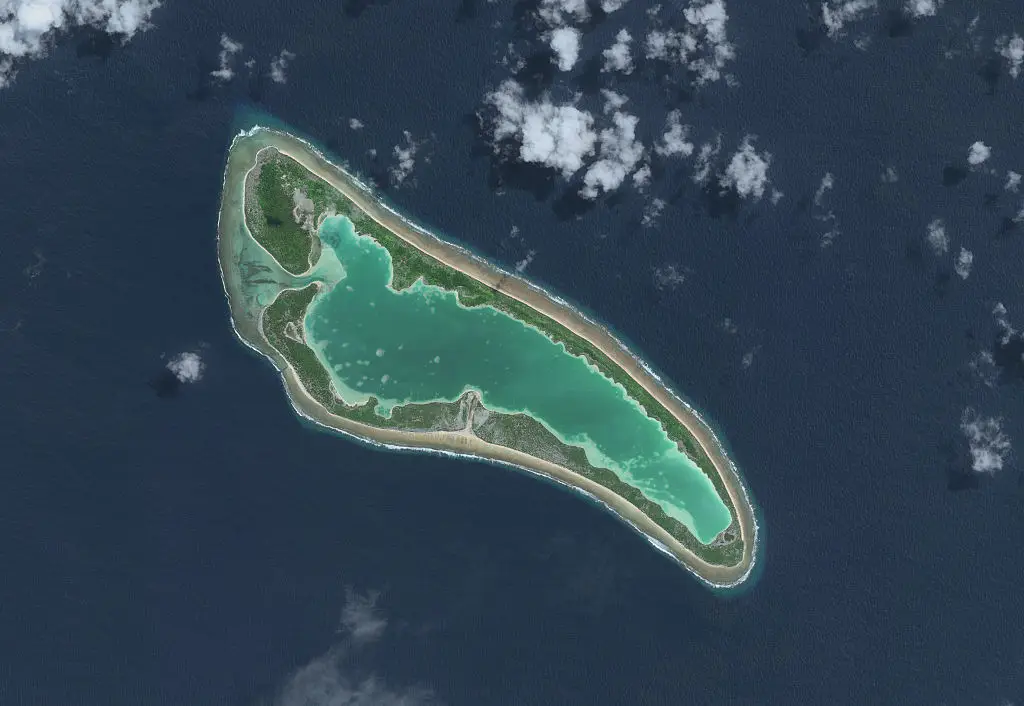
According to a new update from Perdue University, the El Niño conditions in the South Pacific have left the team unable to breach Nikumaroro’s reef to gain access to the island.
“Even under normal conditions, it is not a risk-free proposition,” a release said, noting that the journey includes taking 'a transport boat from the larger Marin Mainiku vessel’ to the 'leeward side of the island’ before going around the ‘blasted channel’ passage and then to ‘shoot the rapids’ to reach the beach.
But ‘rough seas and squalls with prevailing winds of up to 20 knots, or about 23 mph, and gusts up to 27 knots, or 31 mph, render it unsafe for the crew both to board the transport boat alongside the Marin Mainiku and to take the smaller boat through the ”blasted channel.”’
El Niño can cause extreme weather events all over the world, such as flooding, hail, sleet and more. Considering the El Niño in question began in the Pacific, it looks like the team may be feeling the brunt of its weather conditions.
As a result, the crew has decided to extend their trip until they can carry out the investigation into 'a visual anomaly' seen in satellite images of what looks like remains of a plane.
The object was first spotted by researcher Michael Ashmore in 2020 in an Apple Maps image, according to Newsweek.
However, researchers say the object can be seen in images all the way back to 1938, which adds potential evidence that it could be the plane they’ve been looking for.
However, they need to get close to it to be sure.
“We know many people around the world are watching and awaiting updates,” said Rick Pettigrew, executive director of the Archaeological Legacy Institute. “We are committed to sharing information as soon as we are able, while ensuring it is accurate and appropriate to release. Above all, the safety of our team and the ship’s crew is our No. 1 priority.”
The University explained that when ‘it is safe to return to the Taraia Peninsula on Nikumaroro, Phase 2 of the maritime archaeological work will take a more focused approach with a hydroprobe, a tool used to contact objects directly to determine their depth, orientation and surface composition.’
 Britt Jones