
New Amelia Earhart search set to launch after mysterious object spotted deep in the Pacific

A team of researchers are headed for the island of Nikumaroro in just a few days time in the hopes of locating the wreckage of Amelia Earhart's plane.
Earhart was the first female pilot to cross the Atlantic by airplane in May 1932. A few years later in 1937, Earhart disappeared somewhere over the Pacific Ocean. She was attempting to be the first person to fly around the world but ran out of fuel and crashed.
Earhart was with her navigator, Fred Noonan, on the historic flight. After their plane went down there was a 16-day search for the two aviation pioneers, but tragically there were never found. They went on to be declared legally dead in January 1939, even though some people think they could have survived the crash.
For decades questions have remained about what really happened to Earhart and Noonan, and now a 17- person team made up of people from the Archaeological Legacy Institute (ALI), Purdue Research Foundation (PRF) and Purdue University are heading on an expedition in to the South Pacific in an attempt to solve the mystery of their disappearance.
Advert
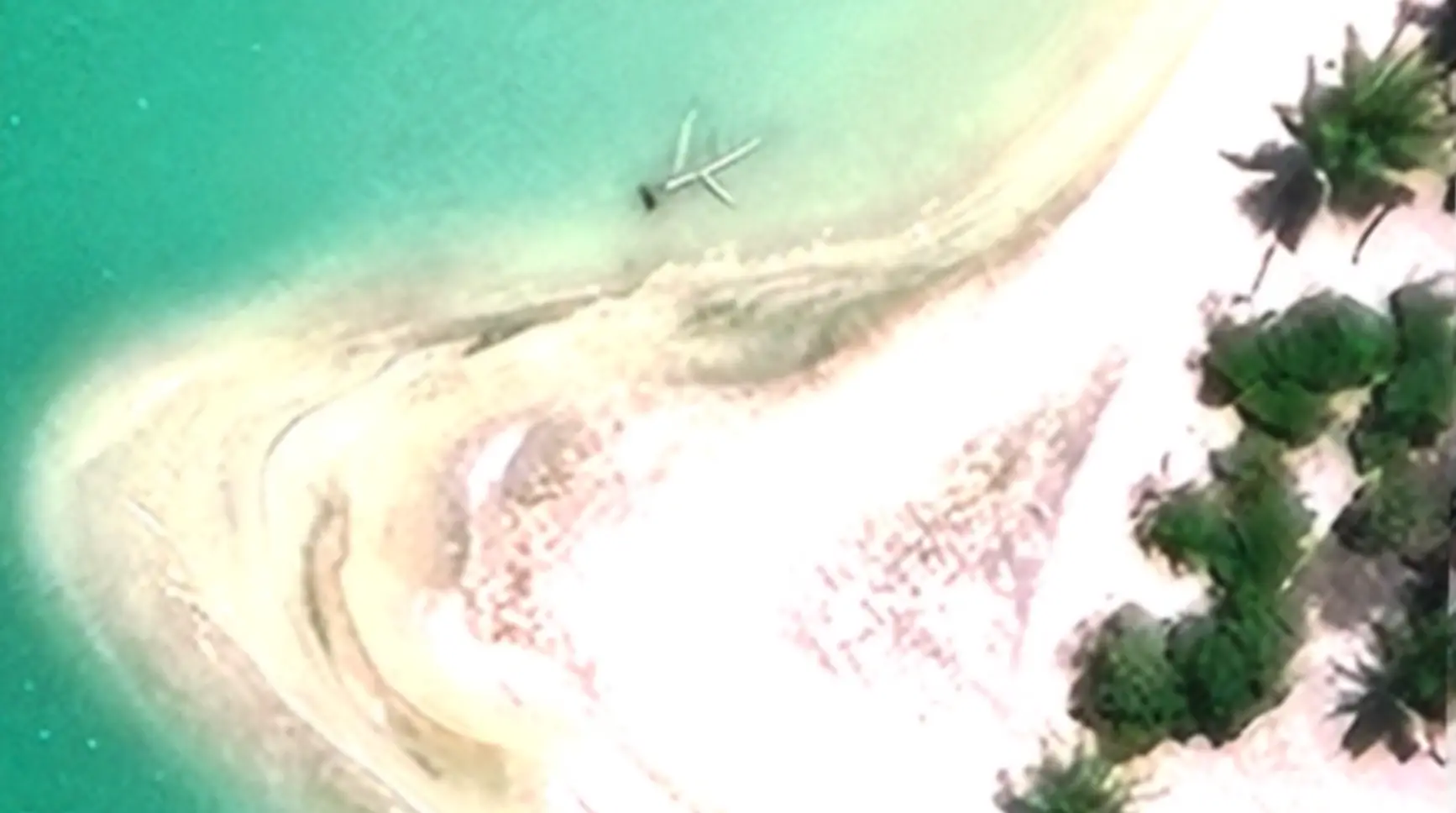
The expedition will include almost three weeks of travel, says Purdue University. They're traveling to that specific island in the Pacific to determine if 'a visual anomaly' seen in satellite images of Nikumaroro’s lagoon is Earhart’s missing Lockheed Electra 10-E plane.
The object was first spotted by researcher Michael Ashmore in 2020 in an Apple Maps image, says Newsweek. The image itself was taken in 2015 shortly after Cyclone Pam hit the region. Newer imagery has since been taken by Vantor, formerly Maxar Technologies.
Dr. Richard Pettigrew, executive director of ALI, is leading the upcoming trip, which is set to begin in just a few days time. It was originally set to take place last year but had to be pushed back.

"With just a week to go before the launch of our expedition, my conscious focus is on the execution of our fieldwork plan," he said in a new release published September 28.
"Inevitably, though, this comes with an array of strong feelings. I’m intensely and eternally grateful to the many individuals and organizations who have helped to make our vision real."
The expedition is scheduled to arrive back in Tarawa around October 22 and the crew will then fly home the next day.
Pettigrew added: "I feel truly lucky to be in a position to possibly solve one of the greatest mysteries of all time, whether or not that happens."
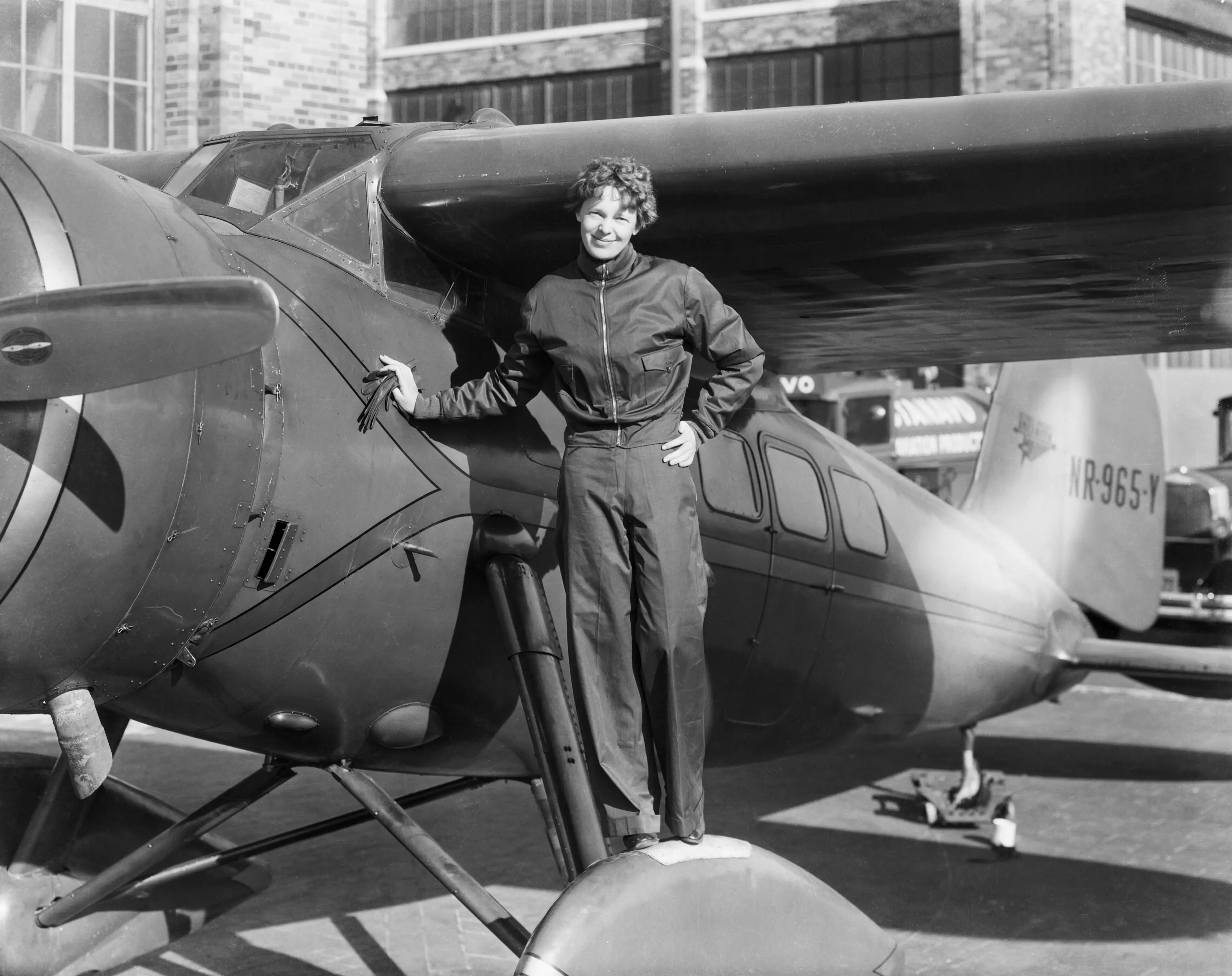
In an interview with Newsweek last year, Pettigrew said he believed that it was 'likely' that the object spotted on the satellite images was Earhart's plane.
He told the news outlet: "This case has taken a long time, but we have some new evidence. There’s an object visible in the Nikumaroro lagoon.
"Everything that we see indicates it’s very possible, perhaps even likely, that this is what remains of Amelia Earhart’s aircraft."
Pettirgrew and his team will use drones, sonar and magnetometers to examine the site before probing the sediment and eventually excavating it using a hydraulic dredge.
Topics: News, World News, History, Travel
 Niamh Shackleton