
Officials issue warning as parasite that can lay 3,000 eggs in a wound found in US for the first time

New World Screwworld (NWS), a type of parasite that lays eggs into open wounds, has been detected in America.
Earlier this week, The U.S. Department of Agriculture’s Animal and Plant Health Inspection Service (APHIS) released a statement confirming that NWS has been detected in wildlife in the US.
It was discovered in an infested elk in Pecos County, Texas, and was brought to the APHIS' attention after a hunter harvested the animal.
NWS is a parasitic fly that 'completes part of its lifecycle by feeding on the tissue or flesh of warm-blooded animals and people', says the Centers for Disease Control and Prevention (CDC).
Advert
Apparently the parasites are attracted to wounds, as well as body openings like the ears, nose, and eyes.
Once the eggs have hatched into maggots, they then 'eat live tissue, causing a worsening, often painful, and foul-smelling wound'.
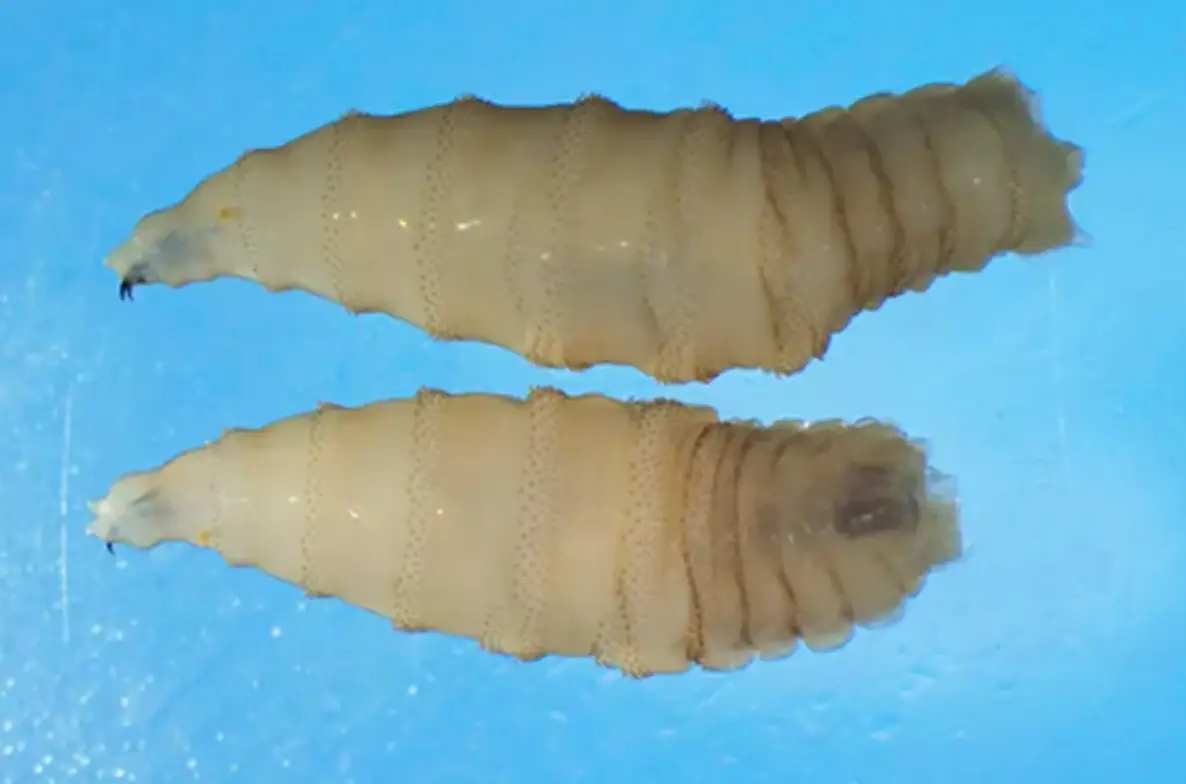
The symptoms of NWS listed by the CDC include:
- Feeling or seeing maggots (larvae) move in a skin wound or sore, or in the ears, nose, eyes, or mouth
- Painful skin wounds or sores that worsen within a few days
- A foul-smelling odor from the site of the infestation
- Bleeding from open sores
Addressing the recent discovery of NWS, APHIS said: "The U.S. Department of Agriculture's (USDA) Animal and Plant Health Inspection Service (APHIS) has confirmed the first detection of New World screwworm (NWS) in wildlife in the United States, in an elk in Pecos County, TX. The elk was located on a game ranch and was reported after being harvested by a hunter.
"This detection highlights the critical role hunters, landowners, outdoor enthusiasts, and wildlife professionals play in helping detect and stop the spread of NWS. Early reporting is one of the most important tools we have to protect wildlife, livestock, and pets in the United States.
"The Texas Animal Health Commission will modify a previously established infested zone, and USDA and the Texas Parks and Wildlife Department are conducting additional wildlife surveillance in the area."
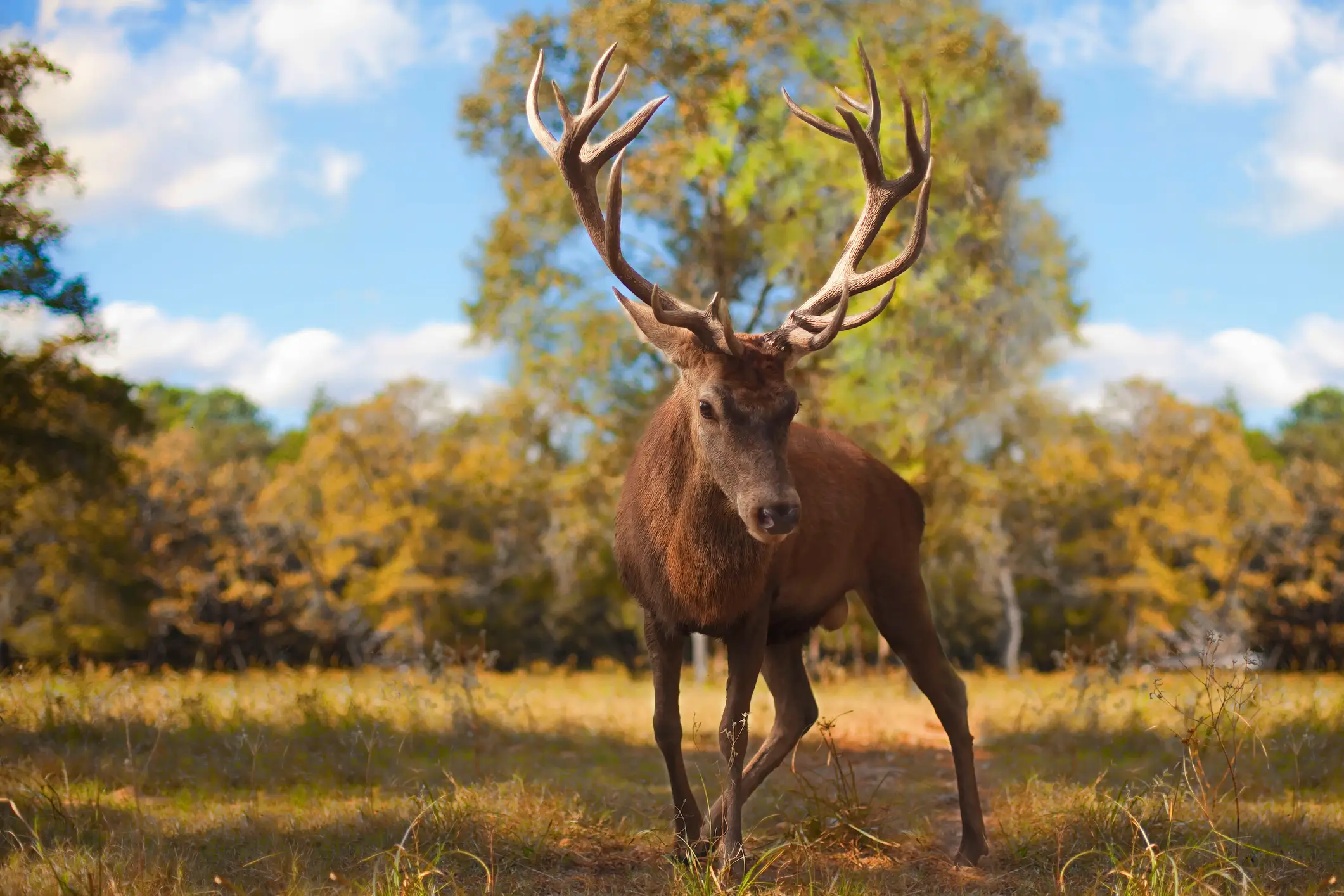
APHIS went on to credit hunters for 'making a difference' as it's them, as well as others who spend a lot of time outdoors, that are often the first to come across infected wildlife, making their observations are 'especially valuable to surveillance and response efforts'.
As of October 22, the CDC said that there has been no human cases of NWS in humans in the US and the risk to humans 'remains very low'.
There has been nearly 3,000 humans infected with the parasite in Central America and Mexico, however.
To protect yourself from infestation, people are advised (when outdoors) to keep wounds clean and covered, wear loose-fitting clothing, long-sleeved shirts and pants, hats, and socks to limit exposed skin, and to sleep indoors or in rooms or tents with screens.
 Niamh Shackleton