
Shamonda virus explained as deadly case detected in human for the first time in France

A person in France died at the beginning of October after contracting Shamonda virus, marking the first time a human has developed the disease.
The patient was reportedly already 'severely immunocompromised' when they fell ill with the virus and passed away at the Hospices Civils de Lyon, France.
Prior to their death, it was presumed that Shamonda virus was not to able be transmitted to humans, so the death earlier this month has been described as 'an exceptional case'.
The French Ministry of Agriculture and Food said in a statement on October 22: "Until now, the Shamonda virus was considered non-transmissible to humans. This patient's infection with the Shamonda virus thus constitutes the first documented and reported detection of the virus in humans.
Advert
"At this stage of the investigation, the hypothesis is that of vector contamination of the case, by the bite of a Culicoides type midge in the East of France, territory reporting circulation of the virus in animals in spring/summer 2026."
It added: "Furthermore, according to investigations already carried out, the cerebral complications observed in the immunocompromised patient before his death were very likely linked to infection with the Shamonda virus."

What is Shamonda virus?
Shamonda virus is an orthobunyavirus transmitted to animals by biting midges of the genus Culicoides, the French Ministry explained.
The virus was first identified in Nigeria in the 1960s. Since then, it has been 'reported sporadically in cattle in West, East, and Southern Africa, as well as in Japan'.
It only appeared in Europe for the first time this summer and, until the recent death of the French patient, there had been no recorded human deaths anywhere in the world linked to Shamonda.
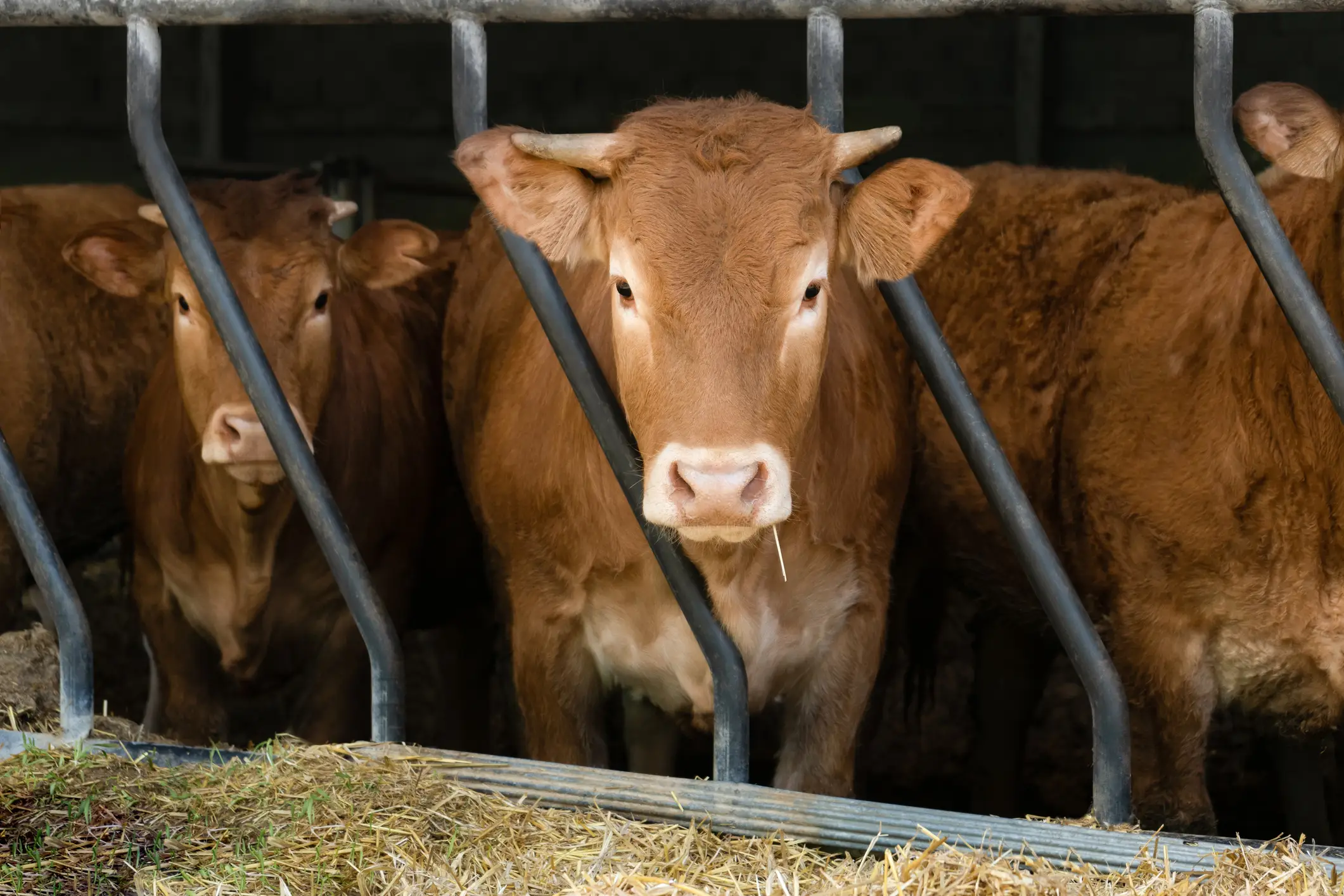
Cattle are reportedly the 'primary host' of the virus among animals. There have been cases in horses and livestock such as sheep and goats this past summer, however.
The disease can cause sudden fever, loose stools and abdominal discomfort in adult cattle, according to the UK Animal and Plant Health Agency. It isn't thought to be fatal to the animals.
As human cases are extremely rare, the French Minsitry has assured people that there is 'no health risk to the general population has been identified to date'.
Where else the virus has been detected in Europe
As well as France, the virus has been detected in the British Isles, the UK government said.
"In August 2026, APHA detected Shamonda virus in cattle in Jersey that showed clinical signs consistent with those seen elsewhere in Europe," it said in a statement last month.
"This confirms the virus is present in the British Isles and in close proximity to Great Britain, highlighting the potential for further spread across north-west Europe," it added.
Those in the UK who believe their animals might have the virus have been urged to contact Animal and Plant Health Agency (APHA) straight away.
Other European countries that have reported cases of Shamonda in cattle include Switzerland, Italy, Spain, Portugal, and Austria.
 Niamh Shackleton