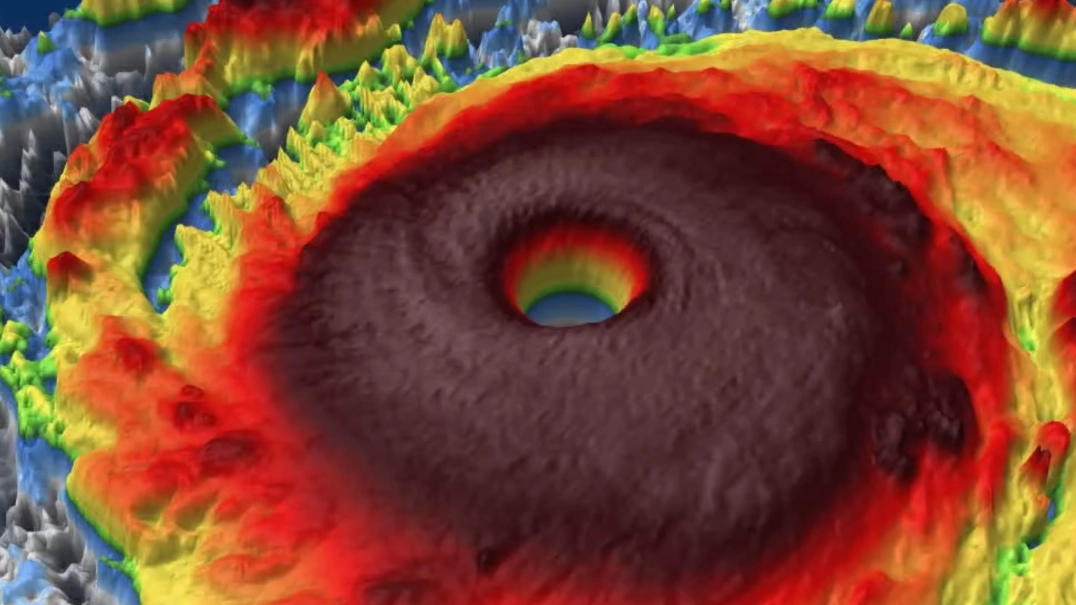
Asia issues land warnings as uper Typhoon Champi intensifies to strongest storm on Earth heads towards Canada

While the strongest storm of the year is set to weaken slightly on Thursday (October 22), a land warning has been issued in Taiwan with Super Typhoon Champi set to hit hardest on Friday and Saturday.
The land warning issued by the CWA covered the Yilan, Hualien, Taitung and Pingtung counties, with the typhoon moving west-northwest across the Philippine Sea on Wednesday evening.
Strong winds and heavy rain is expected throughout Friday, though experts have said that the storm could slow down or change in dynamic as it approaches land due to Taiwan's unique terrain.
Sustained winds of 175mph have been reported, with maximum wind speeds of close to 185mph having been reported by the US National Weather Service.
Advert
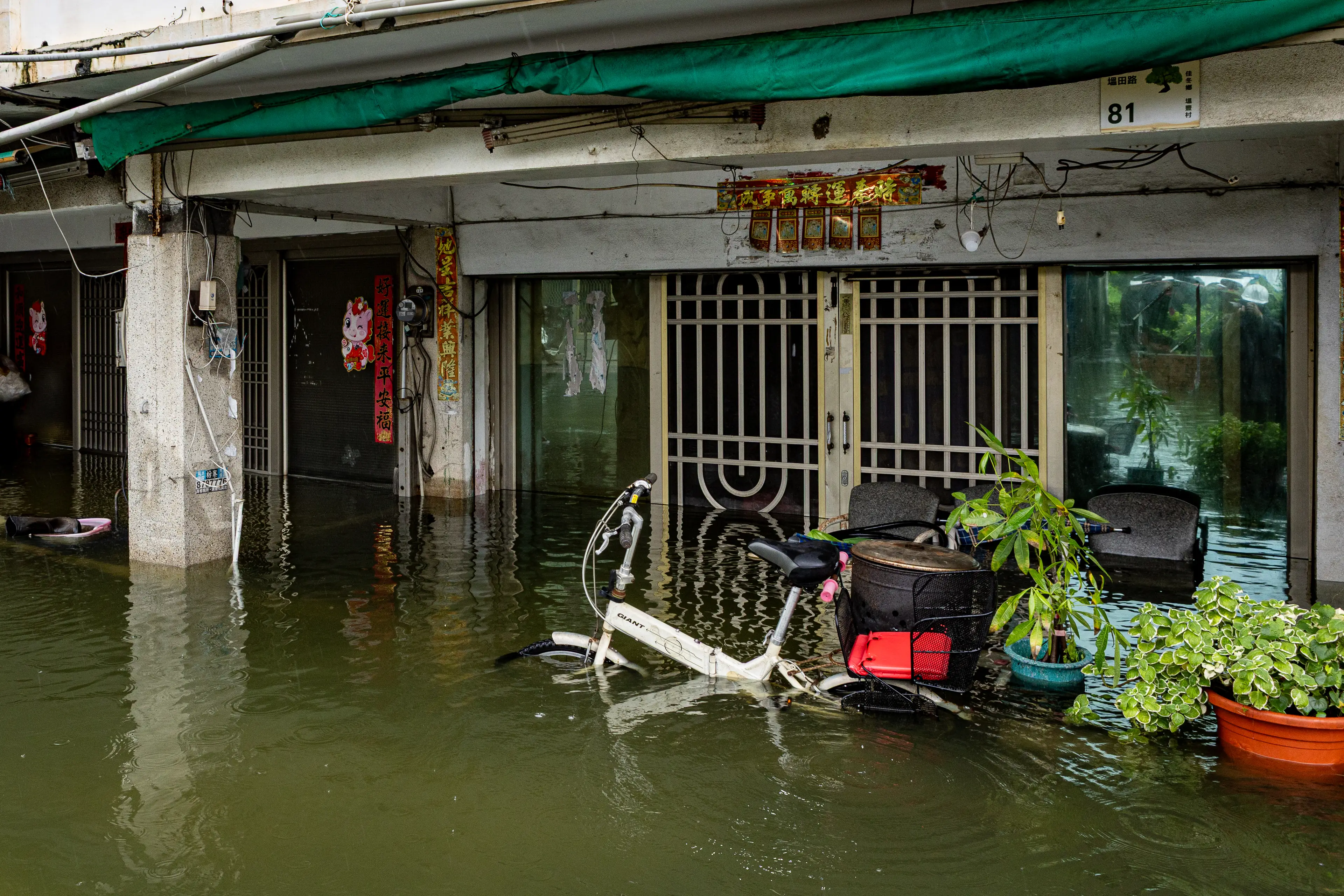
Champi is the seventh Category 5 storm the world has seen this year.
CWA data shows that the typhoon is 250km southeast of Taiwan's Yilan, with its tracking showing it will pass through northeastern Taiwan, before moving onto the Chinese coast and then into southern Japan.
Close to 125 flights have been canceled in the region on Thursday, the Independent notes.
Many tourist attractions across Taiwan and China have been closed, while checks of drainage systems and flood-control equipment have been conducted.
China's President Lai Ching-te has called for the public to prepare for the typhoon by avoiding going to mountains or the coast.
The typhoon's influence isn't just restricted to the Pacific as the massive storm is impacting the jet stream, which in turn affects weather patterns across the globe.
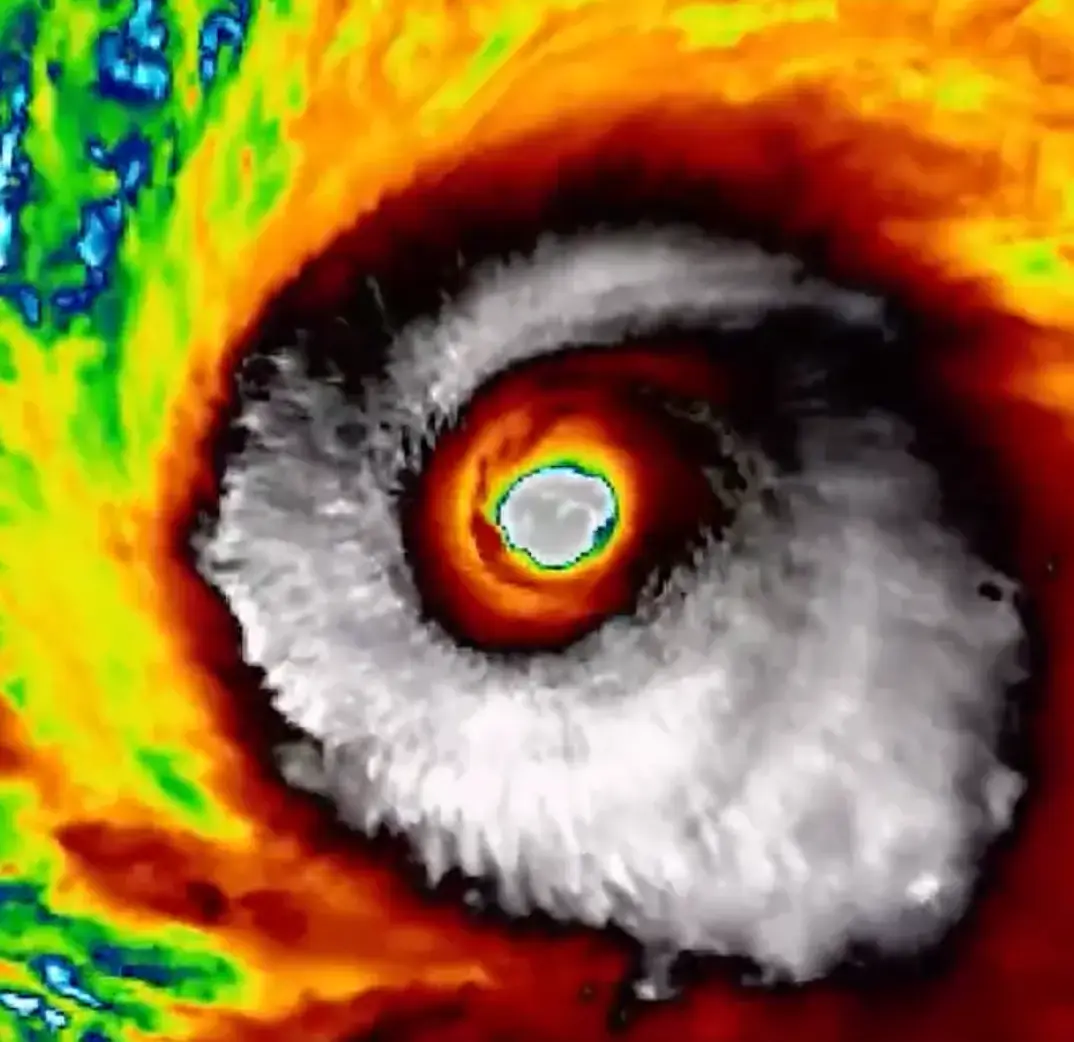
Champi took a more westerly track toward Taiwan, which could cause issues in Canada.
Ontario and Quebec are expected to experience more unsettled and changeable weather patterns during the middle and the latter part of next week.
How did Super Typhoon Champi become strongest storm on Earth in 2026?
Sea surface temperatures in this stretch of the western Pacific are roughly 30°C (86°F), which is slightly warmer than typical readings this time of year.
On top of the surrounding environment featuring deep moisture, calm winds and low wind shear, air can more easily be vented away from the storm.
However, after leaving Taiwan, the typhoon will hit more unfavorable environment, where it will likely be downsized to a Category 4 or 3 storm.
Topics: Weather, World News
 Callum Jones