
Officials issue warning after mosquitoes carrying paralyzing virus are found across multiple states

Officials in the US have issued a warning after several mosquitos in the country tested positive for a potentially life-threatening condition.
Mosquitos are one of the deadliest animals in the world, with the CDC reporting that in 2023 they were responsible for 597,000 deaths across 83 countries through the spread of malaria.
But while malaria might the disease that mosquitos are most infamous for spreading, health officials have found mosquitos which are acting as a vector, that's an asymptomatic carrier, of a different disease.
This is West Nile Virus, a disease which is also known for its association with mosquitos.
Advert
According to the CDC, while most people do not develop symptoms, in more serious cases, particularly among immunocompromised people, symptoms can include fever, headache, body aches, vomiting, diarrhea, and rash, and in severe cases it can impact the central nervous system, and be fatal.
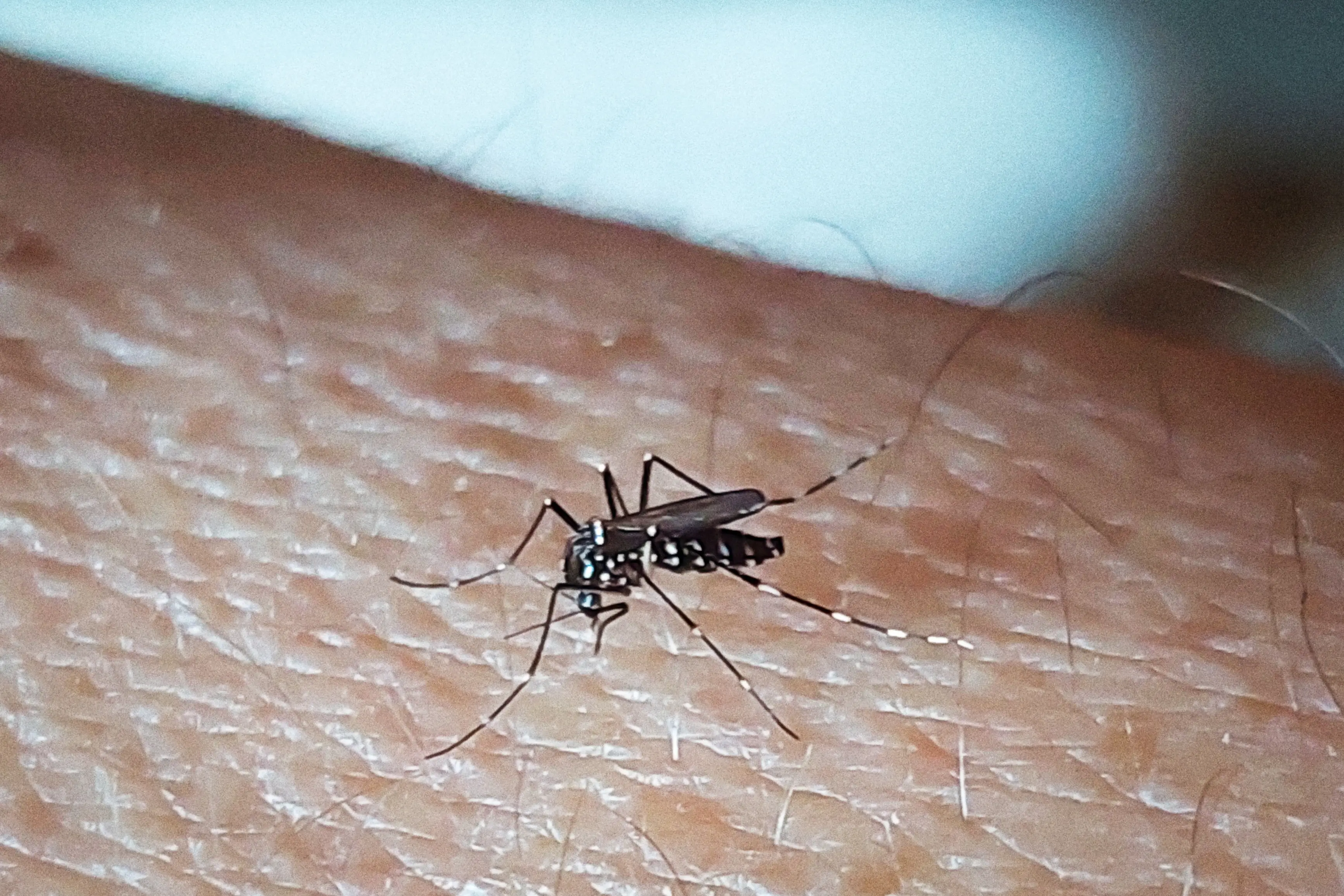
Now, health officials based in the southwestern US are facing a surge of cases as mosquitos in 13 cities in Orange County, California have returned positive tests for the virus, the Orange County Mosquito and Vector Control District has confirmed.
Data has shown 38 positive samples from the insects, 15 of which were in Fullerton, as well as seven in Buena Park, three in Anaheim, three in Santa Ana, and two in Huntington Beach, the Daily Mail reports.
Meanwhile, Westminster, Stanton, Seal Beach, Newport Beach, Garden Grove, Cypress, Costa Mesa, and Brea have each reported one positive sample.
Speaking to KTLA, district officials said: "We only treat when there is an abundance of mosquitoes and the presence of disease.
"Then that triggers us to go out with our trucks and knock down the adults [mosquitoes]."
Ventura County has also reported samples from mosquitos which were positive for the condition, while Sacramento and Yolo counties have also reported positive samples.
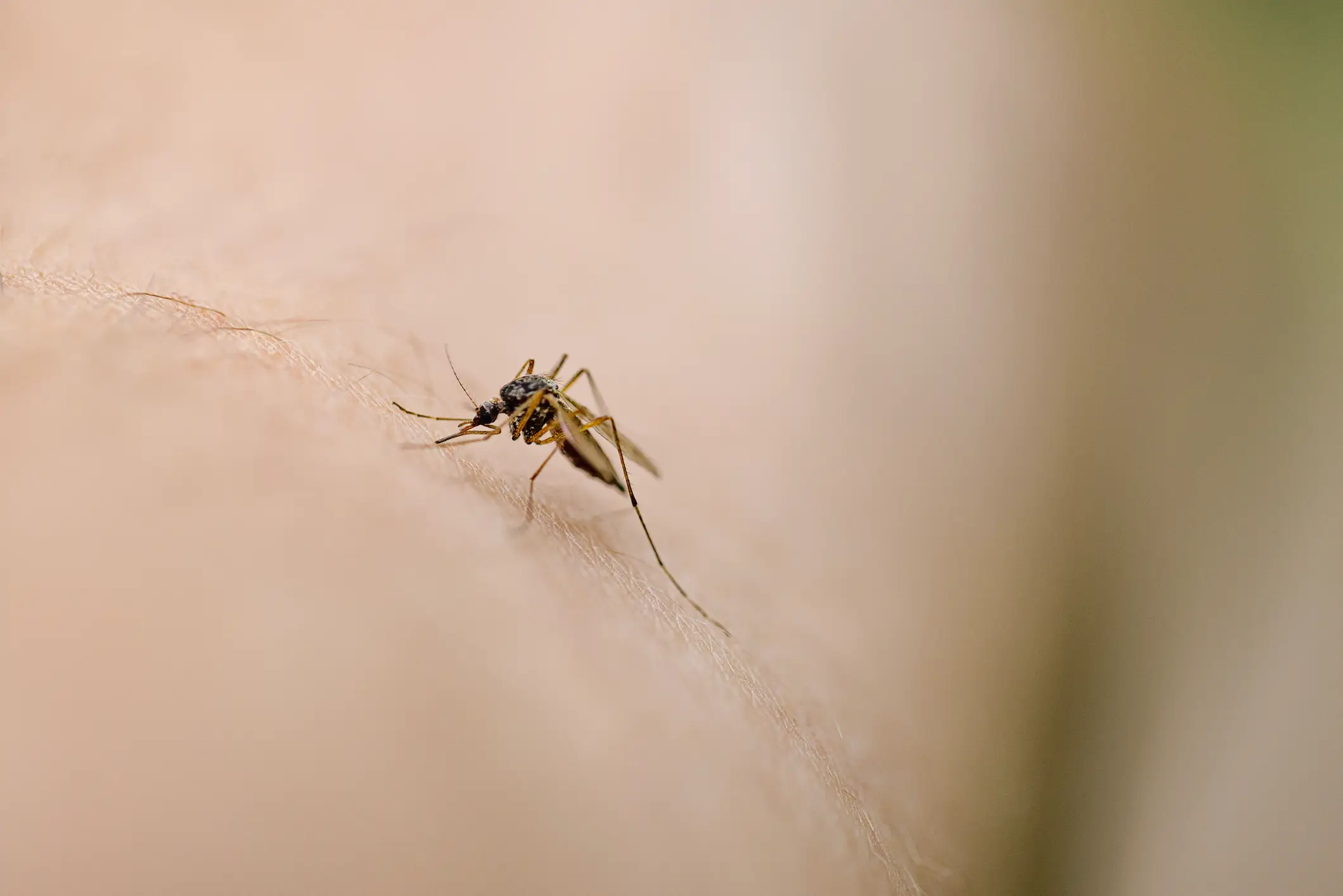
The majority of cases of West Nile Virus do not result in symptoms, but some cases result in fever-like symptoms.
However, approximately one percent of cases can result in far more serious symptoms.
This is because they become 'neuroinvasive', a term that refers to when a virus is able to cross the barrier between the blood and the brain.
That means that it travels into the meninges, a protective membrane that surrounds the brain and spinal cord.
And one look at the name 'meninge' gives a clue to the condition that this results in - meningitis.
That can result in severe symptoms, including the potential for paralysis.
 Kit Roberts