
'Mystery' parasite outbreak sparks health alarm across 17 US states as CDC tracks surging infections

Federal health officials have launched a multi-state investigation after a fast-spreading parasitic outbreak left dozens of Americans severely ill with explosive gastrointestinal symptoms.
The Centers for Disease Control and Prevention (CDC), alongside the Food and Drug Administration (FDA), confirmed that a major outbreak of cyclosporiasis is actively sweeping across the United States.
As of late June 2026, health authorities have officially identified 145 laboratory-confirmed cases across 17 different states, with the number expected to rise sharply as summer travel and seasonal produce consumption peak.
The illness is caused by Cyclospora cayetanensis, a microscopic, single-celled parasite that targets the human small intestine.
Advert
Of the tracked cases, at least 20 individuals have been stricken with symptoms severe enough to require immediate hospitalization. No deaths have been reported.
What is particularly alarming to investigators is that none of the infected patients reported any recent international travel in the 14 days leading up to their illness.
This confirms that the parasite was contracted domestically within the United States through a widely distributed, contaminated food or water source.
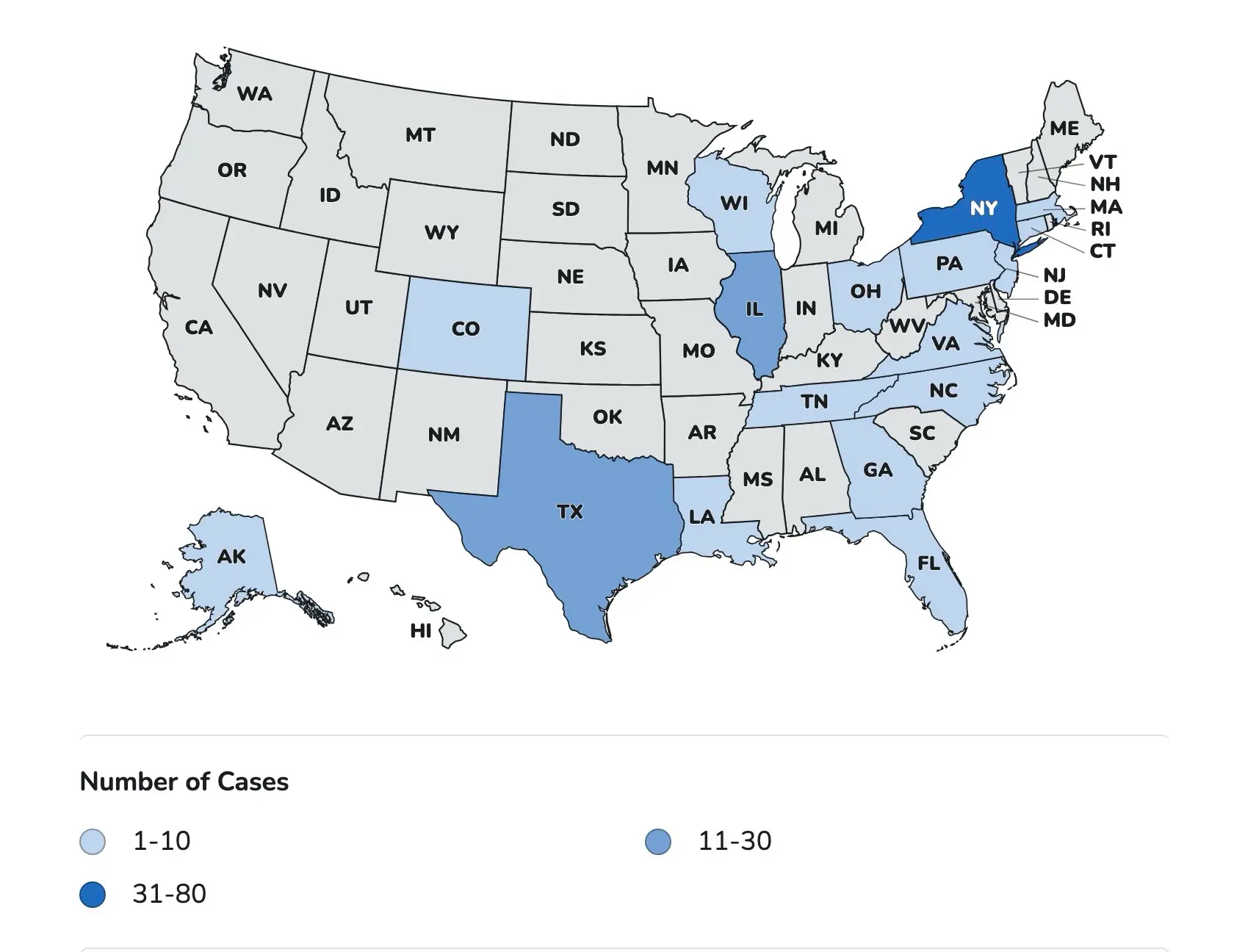
The Hidden Danger of Fresh Produce
Public health teams are actively tracing the eating habits of patients to isolate the exact origin of the contamination.
While the specific vehicle for the 2026 outbreak remains a mystery, historical CDC data shows that domestic summer Cyclospora spikes are almost exclusively tied to imported or domestically grown fresh produce.
Previous multi-state outbreaks have been definitively linked to raw, pre-packaged, or fresh grocery items, including:
- Basil and Cilantro
- Mesclun lettuce mixes
- Fresh raspberries
- Snow peas and sugar snap peas
Unlike common bacterial pathogens like E. coli or Salmonella—which can easily multiply in animal hosts and spread via livestock run-off—Cyclospora is unique because it strictly utilizes humans as its only known host.
The parasite is shed via human feces, meaning contamination occurs when infected agricultural workers lack proper hygiene facilities or when sewage-tainted water is accidentally used to irrigate crop fields.
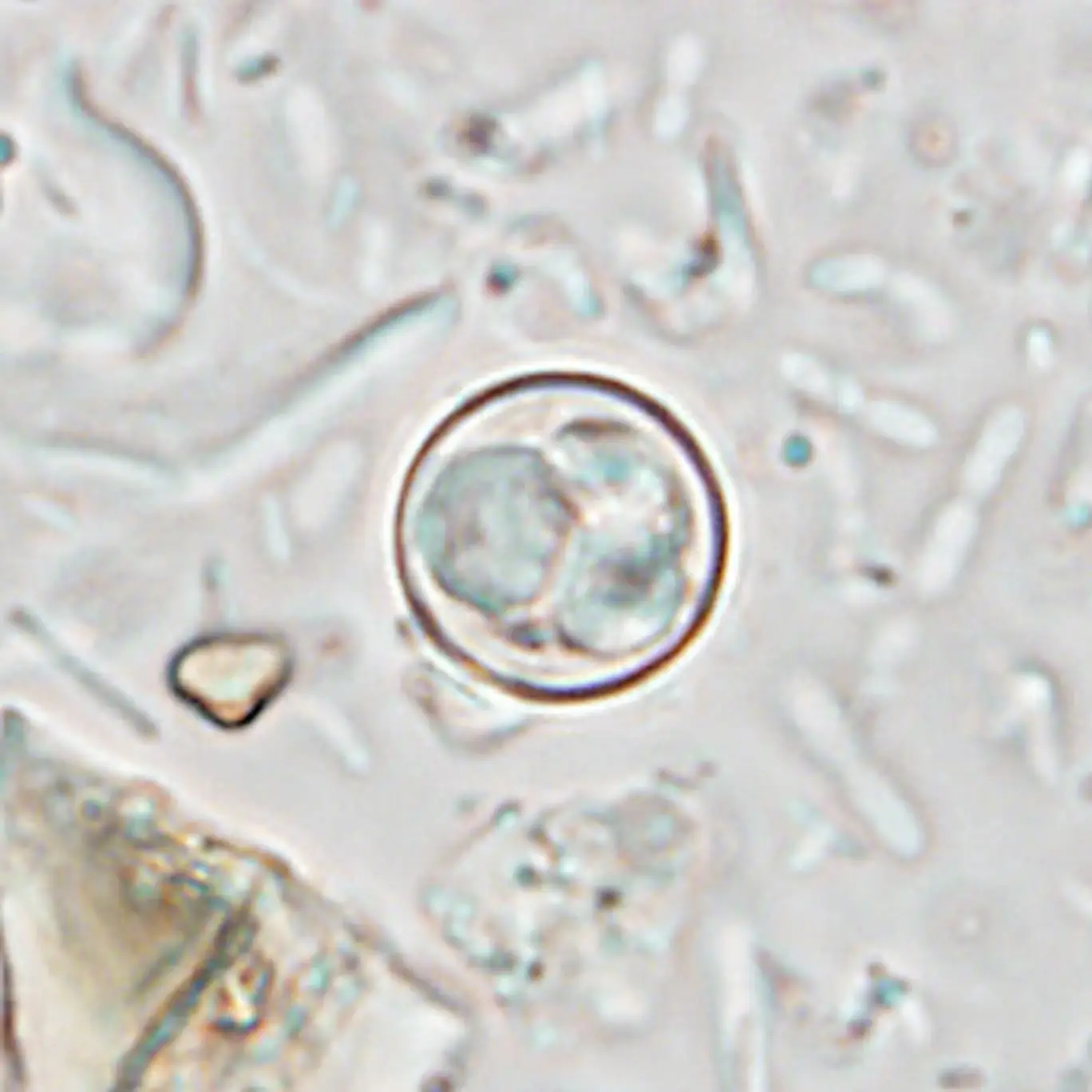
Why Washing Your Groceries Won't Work
The unique biology of the parasite makes it an exceptionally frustrating opponent for food safety teams.
Unlike bacteria, Cyclospora is completely immune to standard sanitizing chemicals, including chlorine washes routinely used by commercial food processors.
Furthermore, because the parasite’s sticky outer shell clings aggressively to the rough surfaces of leafy greens and berries, standard home kitchen practices offer little defense.
"Food safety experts warn that there is no definitive evidence that simply washing fresh produce under the tap will remove the parasite once it has adhered to the crop," the public health briefing noted.
Symptoms of cyclosporiasis typically hit travelers and consumers between two days to two weeks after ingesting the microscopic organism.
It triggers frequent, watery, and sometimes explosive diarrhea, alongside severe abdominal cramps, bloating, nausea, extreme fatigue, and significant weight loss.
If left untreated, the parasite can survive in the gut for months, causing symptoms to repeatedly disappear and violently relapse.
Because the organism is incredibly difficult to detect, standard medical stool tests will miss it entirely.
Health departments are urging anyone experiencing prolonged, severe stomach issues to explicitly request a specialized Cyclospora PCR test from their doctor, which can be rapidly cleared up using a targeted course of sulfa-based antibiotics.
 Phoebe Tonks