
Symptoms of 'mystery' parasite surging in US explained as CDC launches investigation

Here are the symptoms of cyclosporiasis, the infection as a result of a 'mystery' parasite surging in the US.
The Centers for Disease Control and Prevention (CDC) recently confirmed that alongside the Food and Drug Administration (FDA), they'd launched an investigation into a major outbreak of cyclosporiasis.
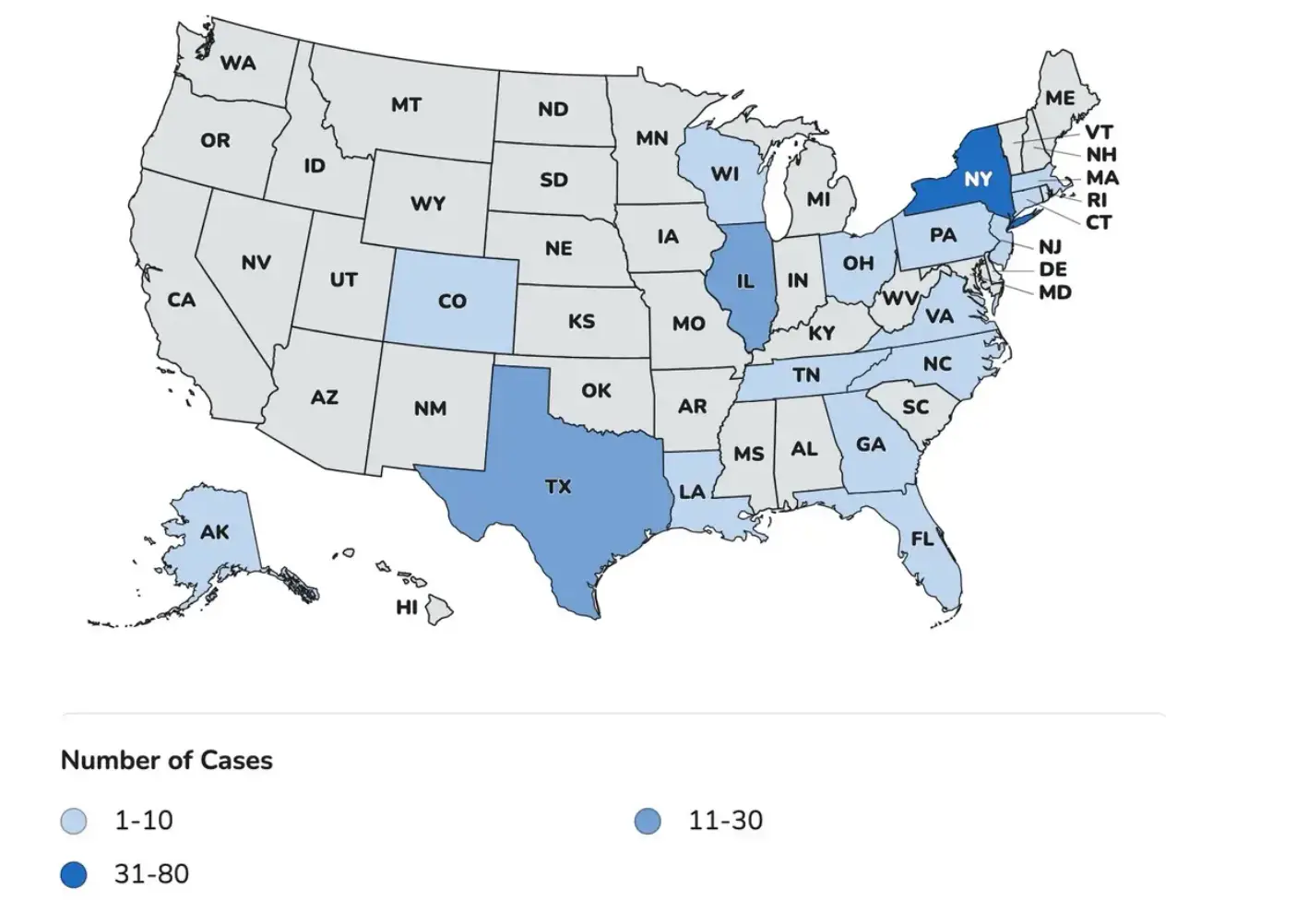
145 laboratory-confirmed cases across 17 different states have been reported as of June 2026, though the figure is expected to rise sharply as a result of the summer travel season.
The CDC confirmed that at least 20 individuals were hit with severe symptoms, which lead to immediate hospitalization, though no deaths have been reported.
Advert
With cases set to increase, experts are warning people of the symptoms to look out for.
What is cyclosporiasis?
Cleveland Clinic explains that cyclosporiasis is 'an illness you get from the parasite Cyclospora cayetanensis'.

It's a form of food poisoning that typically starts within a week of ingesting the parasite, with the main symptom being watery diarrhea.
It 'spreads through the fecal-oral route — germs from contaminated poop (feces) get into your mouth', according to the CDC.
There’s no evidence however that it spreads from person to person.
Symptoms of cyclosporiasis
The CDC explains that some people with the parasite may not experience any symptoms, though others may develop the following:
- Watery diarrhea (most common)
- Loss of appetite
- Weight loss
- Cramping
- Bloating
- Increased gas
- Nausea
- Fatigue
Meanwhile, less common symptoms of cyclosporiasis include:
- Vomiting
- Body aches
- Headache
- Low-grade fever
- Other flu-like symptoms
While anyone can get cyclosporiasis, those who consume fresh, imported produce have an increased risk of falling ill, according to health experts.
The CDC says that there's a link between the following foods and outbreaks in the US:
- Basil
- Cilantro
- Mesclun lettuce
- Raspberries
- Snow peas
- Sweet peas
The CDC went on to explain: "A Cyclospora infection sometimes goes away on its own. But if you don’t treat it, your symptoms may last for a month or longer. This puts you at risk of severe dehydration and other complications."
The infection can be treated with antibiotics, with most people feeling better between after a week or two.
To avoid falling unwell, the CDC recommends you wash your hands with soap and water before and after using the bathroom, as well as during and after food prep.
It's also recommended you wash all food prep surfaces with soapy and hot water before and after use.
Furthermore, you should avoid drinking untreated water or using it to cook any food.
 Callum Jones