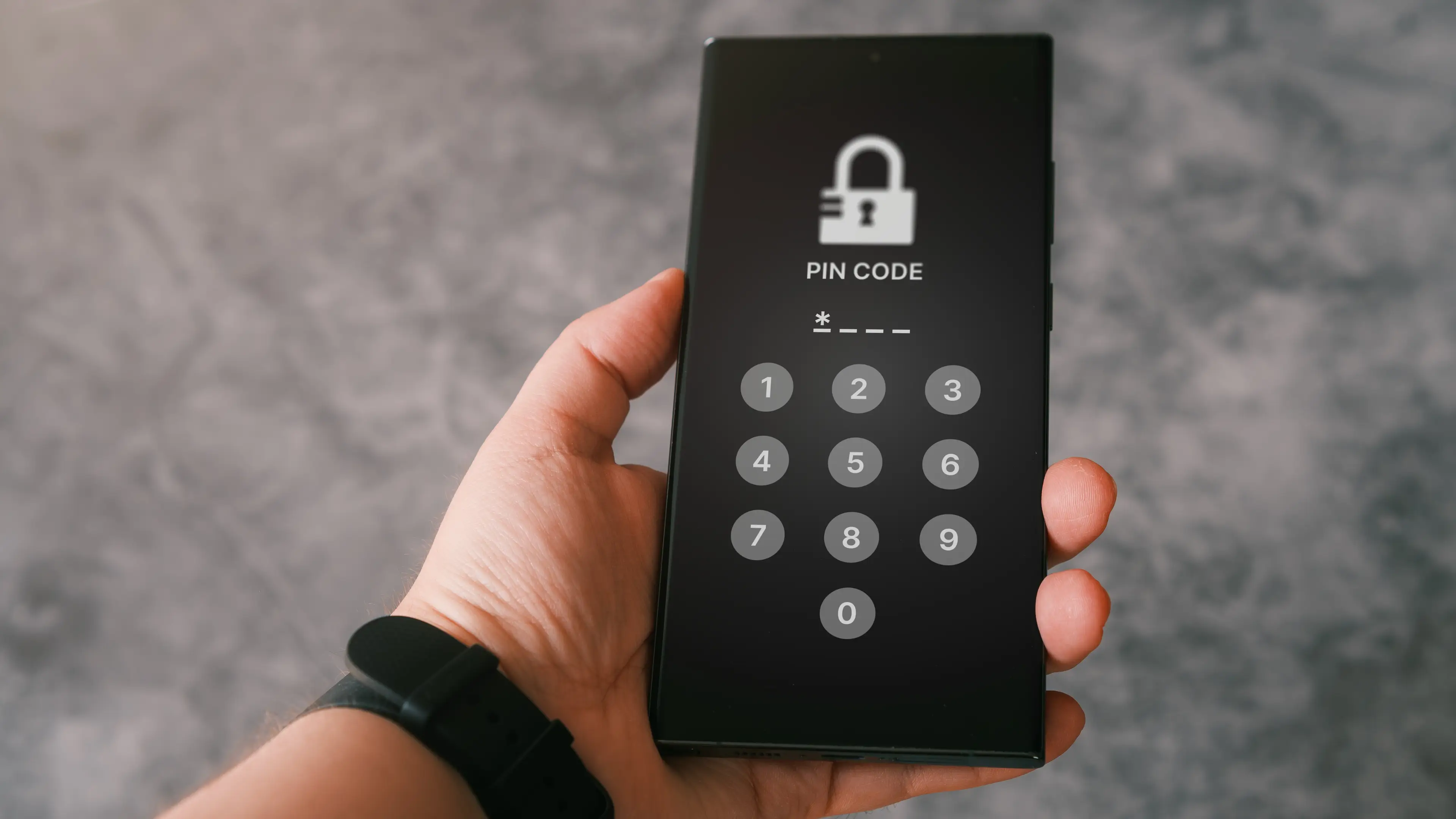
Atlanta man who gave border control officers 'duress passcode' for his phone facing federal charges

When returning home to the US from a vacation in the Dominican Republic in January 2025, Samuel Tunick found himself confronted by US Customs and Border Control.
Unbeknown to Tunick, he had been added to terrorism watchlist because of his alleged connections to the movement against Cop City – a controversial police training center that was recently built outside Atlanta, Georgia, within a 1,000-acre stretch of urban woodland.
He was questioned by agents at Atlanta's Hartsfield-Jackson International Airport and ultimately had his phone seized by officers – something that isn't uncommon across the globe.
But Tunick's device, a Google Pixel, had GrapheneOS installed on it. This is a privacy-focused operating system for Androids that will wipe the contents of somebody's phone if a specific pin is entered.
Advert
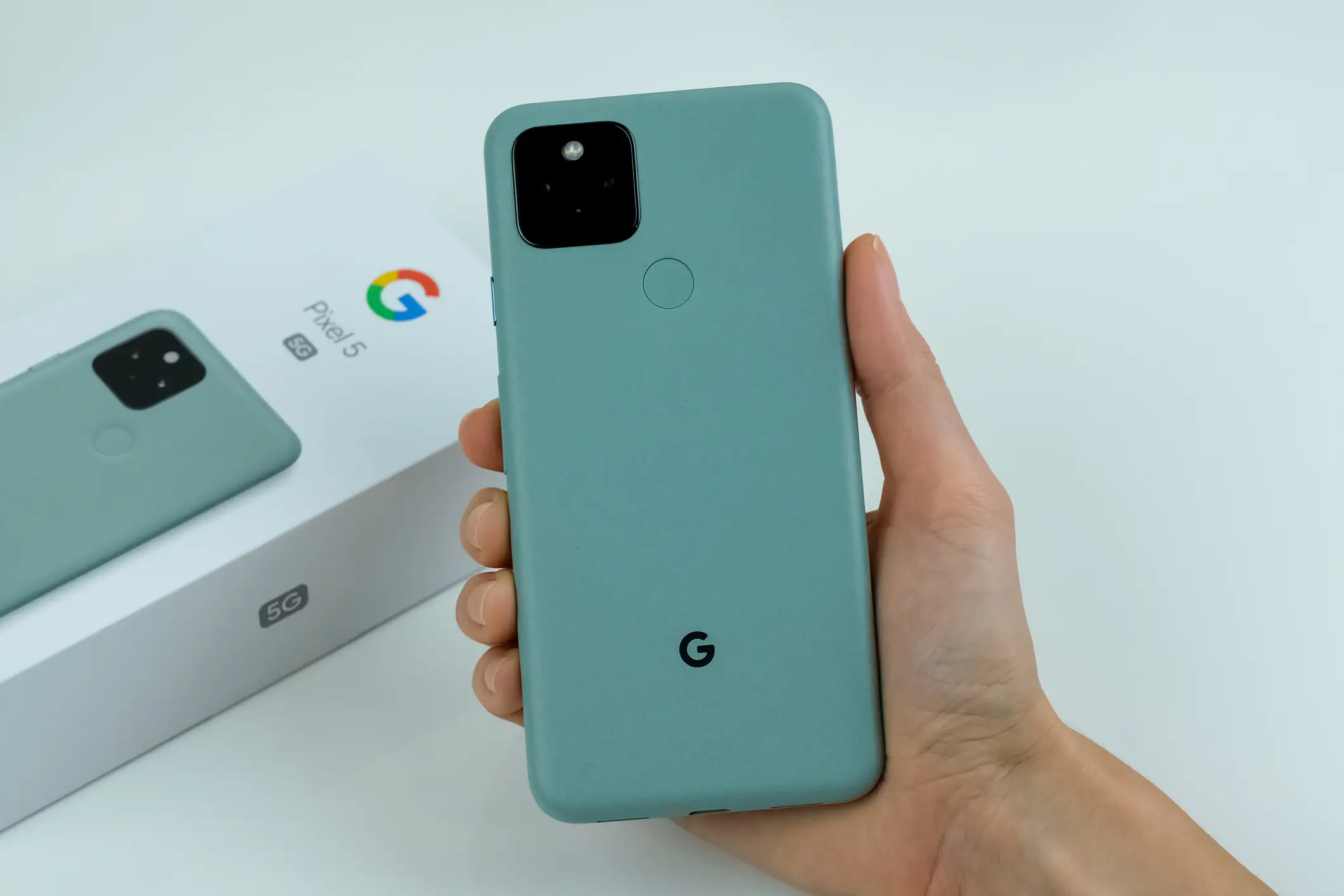
In this instance, Tunick is said to have given customs agents the so-called 'duress code' instead of his normal pin code, knowing they then wouldn't be able to access what was on his cell.
The code 'will irreversibly wipe the device (along with any installed eSIMs)', says Yahoo! Tech.
When Tunick gave them the so-called duress code, the 'screen went blank, flashed several times and the phone appeared to restart'.
Now the Department of Justice (DOJ) is seeking to bring a federal obstruction charge against Tunick as it is a crime to destroy evidence or transfer assets to keep the government from seizing them.
A hearing on the case took place at federal court in Atlanta last week.

Tunick's lawyers have since filed a motion requesting to suppress evidence and statements (meaning to to stop proof or information from being shown in a court trial).
Allegedly officers repeatedly asked him for his phone's passcode and said they were looking for child sexual abuse material as 'a pretext for a fishing expedition into Mr. Tunick's connections with the Defend the Atlanta Forest movement'.
The motion also claims that Tunick was 'not provided with Miranda warnings and repeatedly invoked his right to an attorney and requested to end his questioning', therefore his constitutional rights were violated, his lawyers say.
A judge’s decision on the motion will take at least until end of October.
This case is believed to be one of the first of its kind.
Speaking to TechCruch, Runa Sandvik, a digital security expert who works to protect at-risk people as the founder of security consultancy firm Granitt, said: "I have not seen this before, though I’ve discussed the potential scenario with activists and journalists over the years.
"I think this case serves as a reminder that authorities may argue you knowingly destroyed data, so it’s better to not have that data on you when you cross certain borders."
Should Tunick end up facing charges and goes on to be found guilty, he could face up to five years behind bars, a fine, or both, The New York Times reports.
Topics: Technology, US News, Georgia, Phones
 Niamh Shackleton