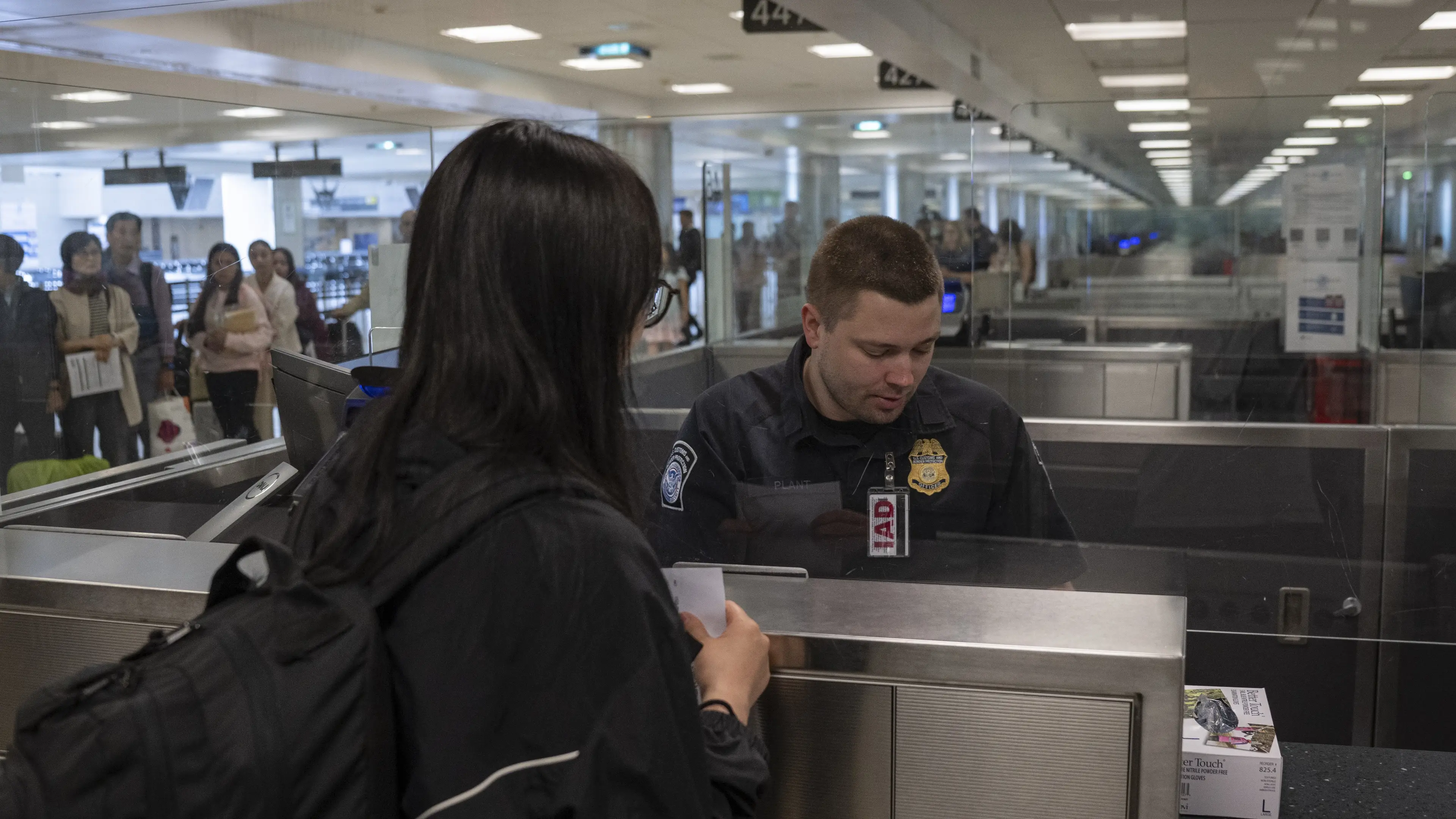
7 countries where border control can demand to search your phone under strict rules

When travelling there are always precautions and things that you should be bearing in mind to help make it as easy as possible.
Obviously things like remembering passports, visas or other important documents is crucial, but it's also important to familiarize yourself with the travel requirements of the country you're visiting.
This can depend on a lot of things, not least the country that you come from as some passports are stronger than others, but it's also the rules of the country you're travelling to.
And these seven countries have a rules where in certain circumstances they can search your technological devices before allowing you to enter the country.
Advert
The reasons vary from country to country, from suspicion of criminality to plans to check social media.
But which countries have this rule in force?
Russia
When you are travelling to Russia, there are a number of warnings which advise that you should not expect to have much privacy on your devices.
An advisory from the US State Department says that authorities in Russia have the power to seize devices.
Not only that, but people visiting Russia can also be detained because of what authorities find on their devices, and that the enforcement of this law can be unpredictable.
Canada
According to the Canada Border Services Agency (CBSA), border officers have the power to examine someone's electronic devices under the Customs Act.
Officers do not need a warrant to do this, and travellers must hand over their password if requested.
However, there are conditions that an officer should meet in order to request this, which according to the CBSA website is 'if they have indicators or concerns that border laws may have been contravened'.
This might be if someone is suspected of importing regulated or illegal items, or suspicions about their identity.
Australia
In Australia, border staff have the power to examine electronic devices, though people can refuse to unlock the device.
Even if the device is locked however, officers can seize and examine it.
If someone does refuse to unlock their device, Australian law enforcement have said that this could lead to them being detained, as well as them escalating.
This is is particularly the case if officers suspect that the contents of the tech include evidence of criminality.
New Zealand
In New Zealand, officers do have the power to look at devices such as phones, laptops, and tablets, though searches are rare.
However, in order to make that request they have to have a reasonable suspicion that something illegal is happening.
If an officer does have this suspicion and makes the request then someone may have to provide passwords for the search.
And refusal can mean a fine of as much as NZ$5,000, around US$2,855.

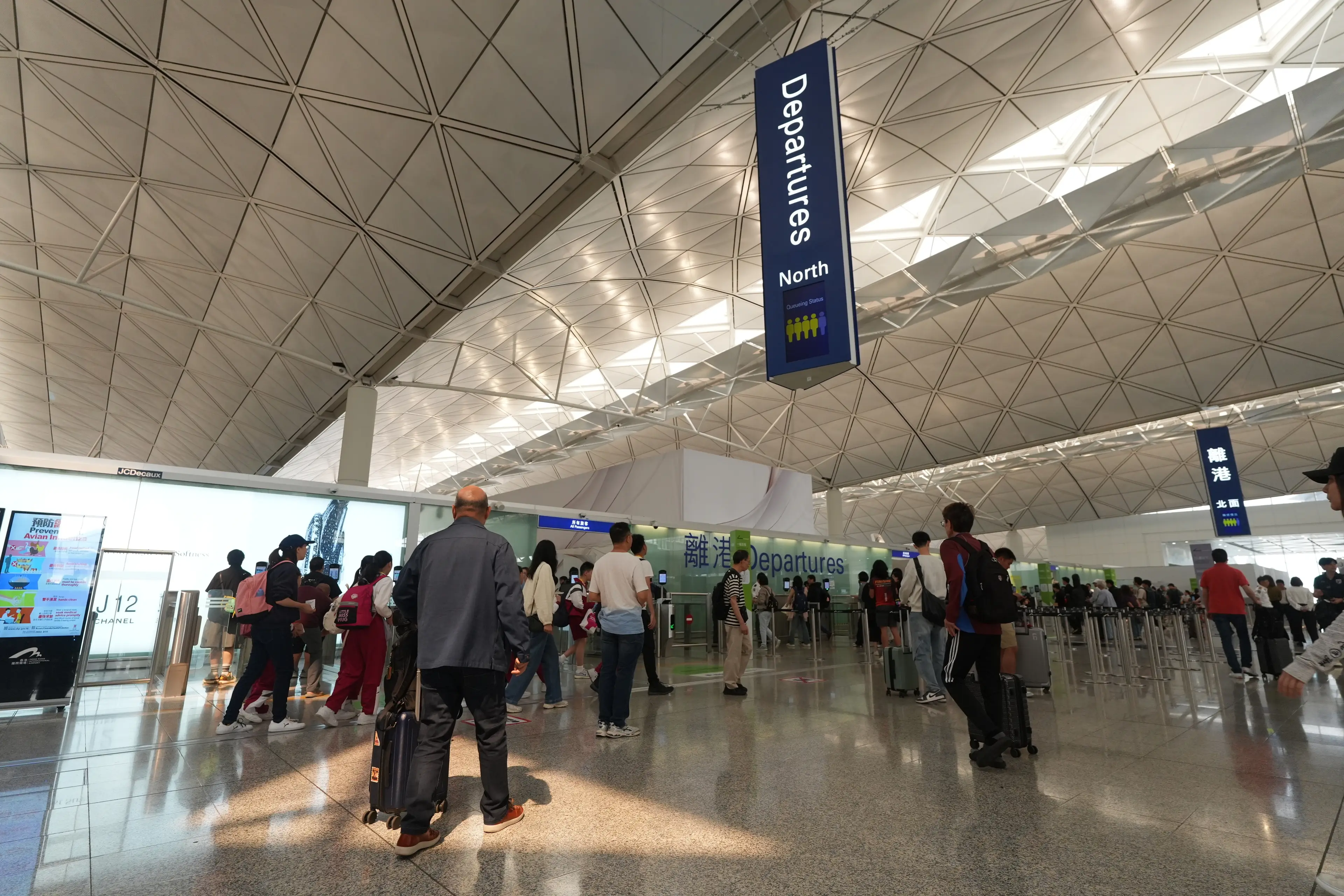
Hong Kong
In March 2026 the US Consulate General in Hong Kong and Macao warned that police can demand not only passwords from travellers, but also decryption from devices like laptops and phones.
Following updated rules in the National Security Law in Hong Kong, refusing to provide this is a criminal offence.
And this doesn't just apply to people who are actually finishing their journey in Hong Kong either - it's anybody who is travelling through Hong Kong International Airport, including people on a connecting flight.
These are also just the base level, as authorities also have expanded powers if they think a device is linked to a threat to national security.
Mainland China
There is less specific information about travelling to mainland China itself.
Laws may differ depending on what region of China you are in, but authorities do have the power to inspect electronic devices, and that information on the devices can be examined.
This is also particularly true if there are concerns around national security.
Not only that, but the way that these laws are enforced at the border may also not be uniform, so it can be unpredictable.
United States
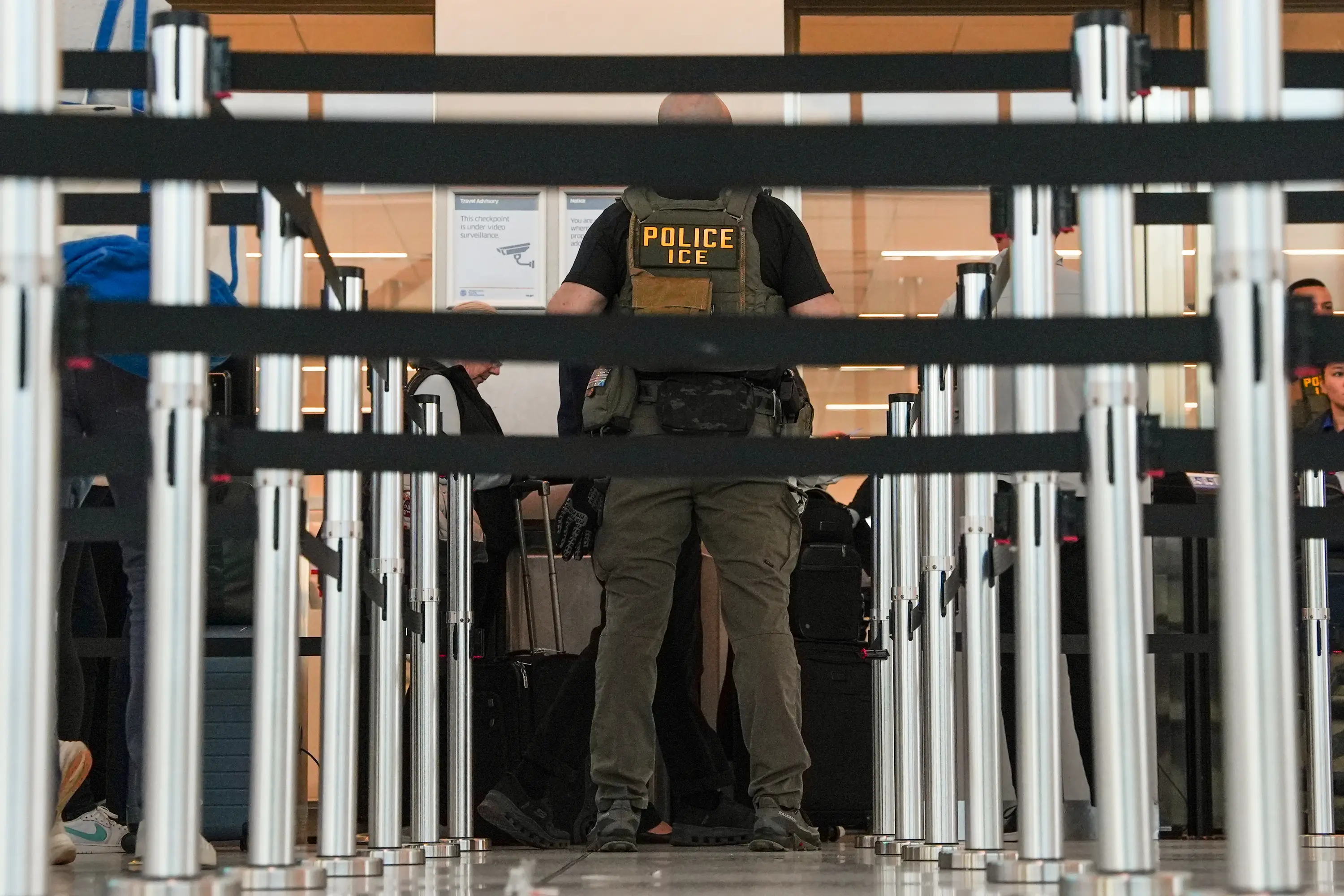
Officers at the US border have the ability to search your devices, including phones, laptops, tablets, and cameras, without a warrant.
These can be carried out during a routine inspection at the border.
Although refusing to provide a password is not a criminal offence, devices can still be seized, and if you are not a US citizen then you could face other difficulties relating to immigration.
The US also has plans to introduce a 'social media check' at the border, including the past five years of someone's social media history, though this is not currently in force.
Topics: News, Travel, World News, US News
 Kit Roberts