How to see fastest meteors in the sky as Leonid meteor shower peaks this week

Stargazers are encouraged to keep their eyes on the skies tonight as the Leonid meteor shower is expected to peak - but there's one thing spotters should be aware of.
Celestial enthusiast are in for a treat this week as one of the fastest meteor showers of the year reaches its peak.
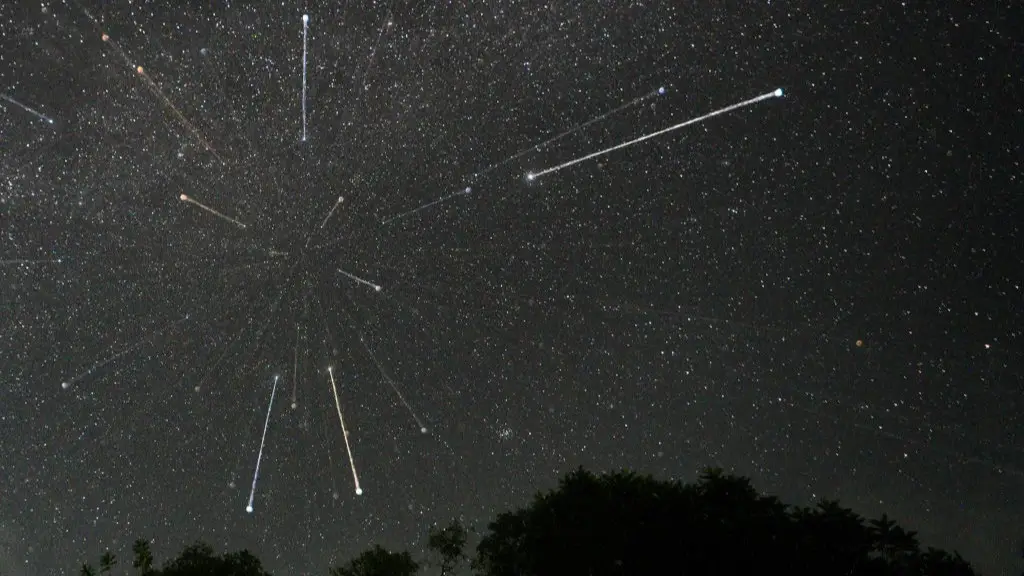
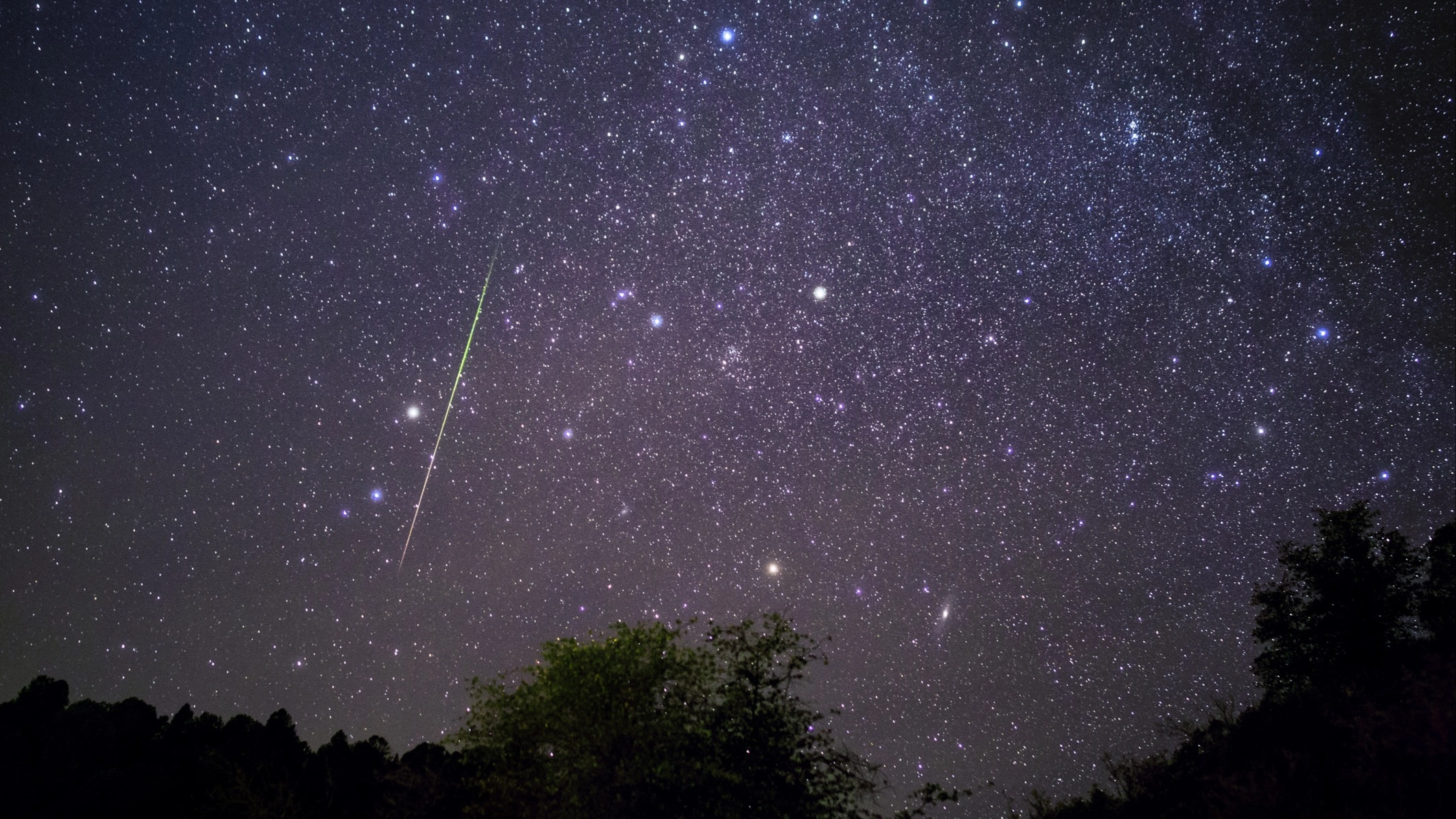
The annual Leonid meteor shower is set to light up skies across the world, with the spectacular display known for producing bright streaks of light as debris from a comet burns up in Earth's atmosphere.
And while the celestial event happens every November, there are a few things you can do to give yourself the best chance of catching the action.
Advert
The Leonid meteor shower is expected to reach its peak overnight between November 16 and 17, although those hoping to catch a glimpse may also have luck in the nights either side.
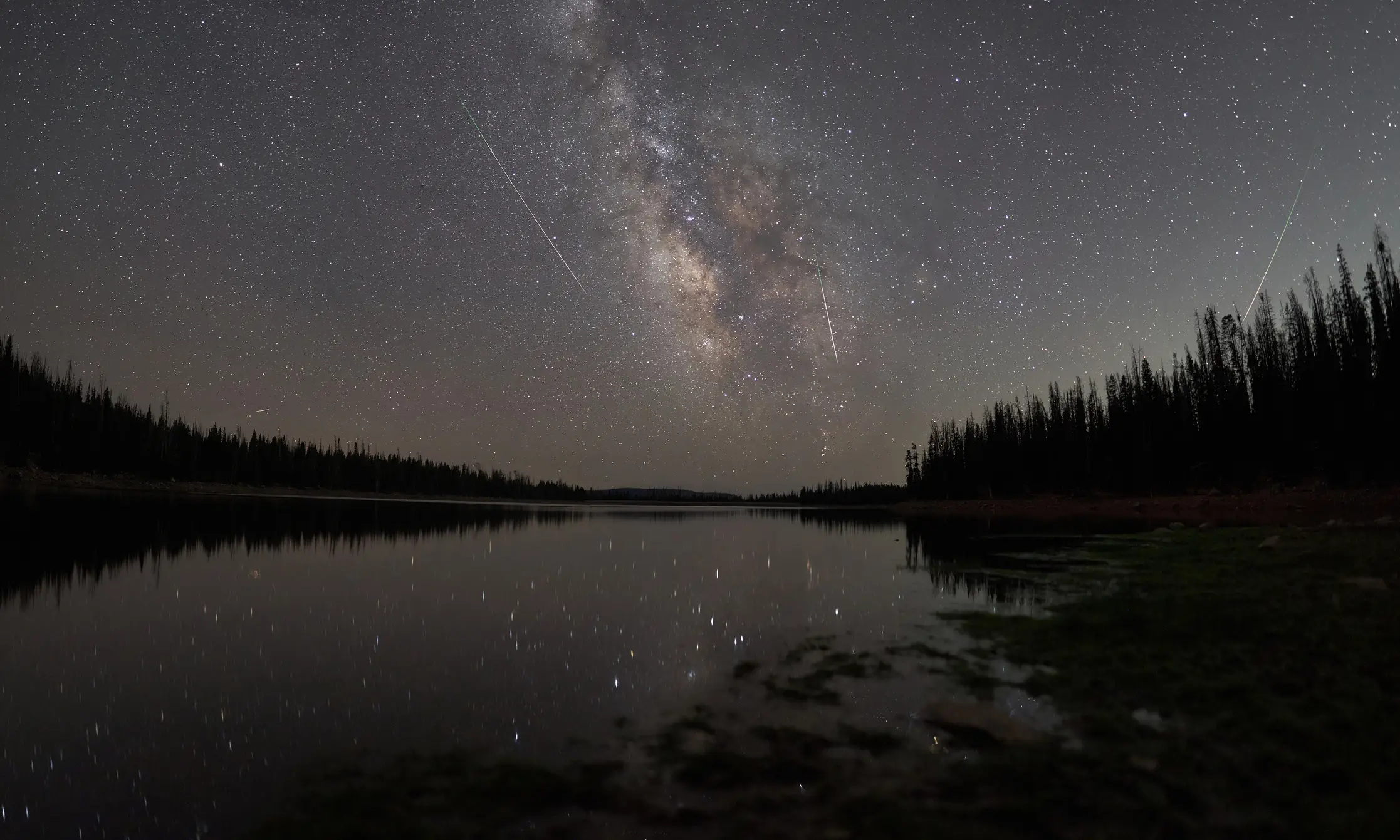
Visibility largely depends on how dark the skies are, with moonlight and cloud cover both playing a significant role.
And fortunately, viewing conditions are expected to be favourable this year, giving skywatchers a good opportunity to spot the display.
How to spot the Leonid meteor shower
For the best chance of catching the Leonids, it's worth heading somewhere safe with minimal artificial light, away from brightly lit streets and buildings.
The good news is that you won't need any specialist equipment, as the meteors can be seen without a telescope or binoculars.
Instead, allow your eyes around 20 to 30 minutes to adjust to the darkness before looking up.
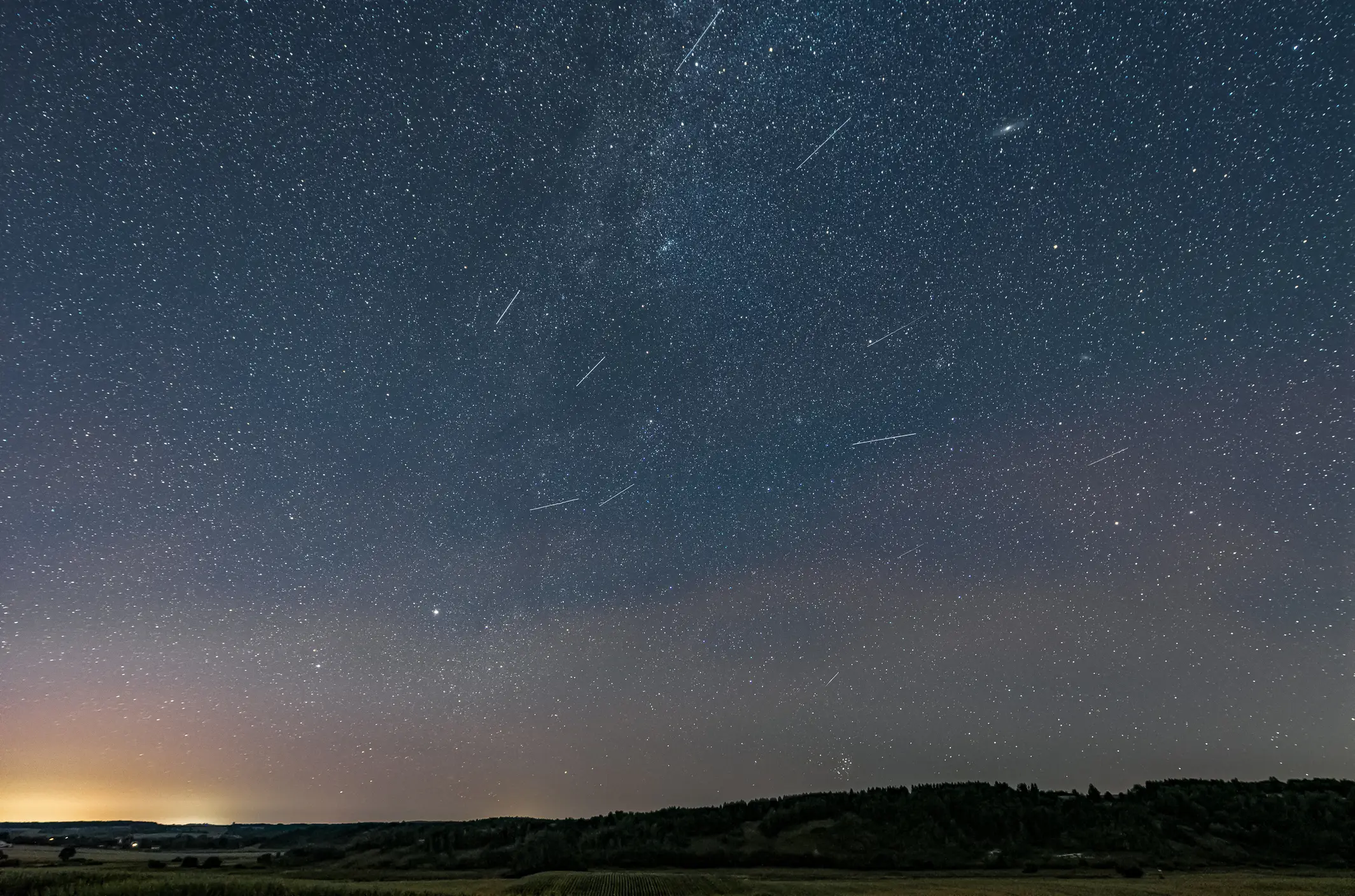
An open area with an unobstructed view will also help, although the meteors can appear across different parts of the sky.
Those wanting a starting point should look towards Leo, the constellation from which the Leonids appear to radiate. Clear weather will, of course, make all the difference.
Best places to spot in the US
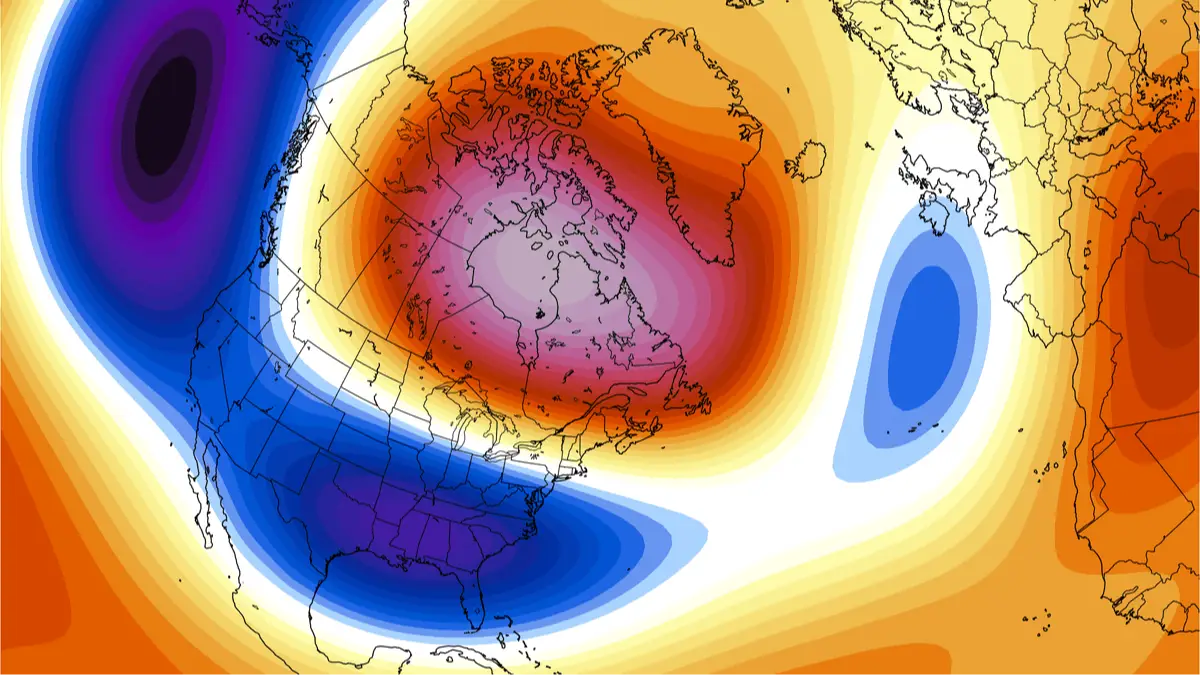
Across the US, viewing conditions are expected to be particularly promising beneath a large area of high pressure extending from the Central Plains through the Great Lakes and towards the East Coast.
The weather system is likely to bring clearer skies across these regions, offering ideal conditions for those hoping to catch the meteor shower.
Leonids are among the speediest meteors, hurtling through space at around 44 miles per second.
The shower happens when Earth passes through debris left behind by Comet 55P/Tempel-Tuttle, and often leave glowing trails across the sky.
 Mia Williams