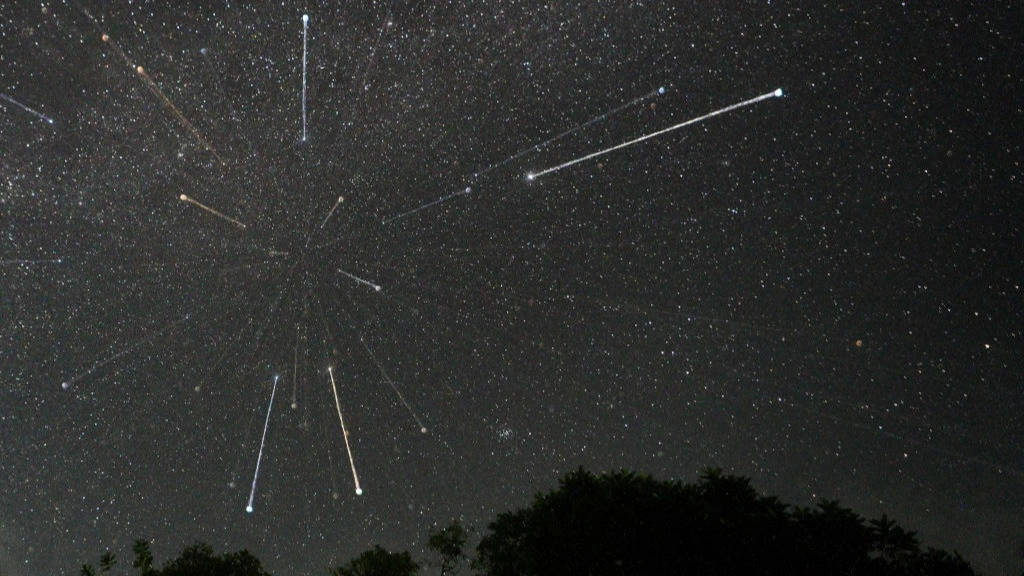
When to see best meteor shower of the year light up skies with 120 shooting stars an hour

The most beautiful meteor shower of the year is almost here.
2025 has truly been a spectacular year for anyone captivated by the wonders of the cosmos.
From Uranus being visible to the naked eye last month, to multiple Northern Light displays and 12 stunning full moons, there's been plenty to appreciate.
And now, the year's most reliable meteor show will take center stage this week.
Advert
Every December, the Geminid meteor shower lights up the sky with up to 120 shooting stars per hour.
Most meteor showers originate from comets, but the Geminids come from a rocky asteroid called 3200 Phaethon, and occur when the Earth passes through its debris.
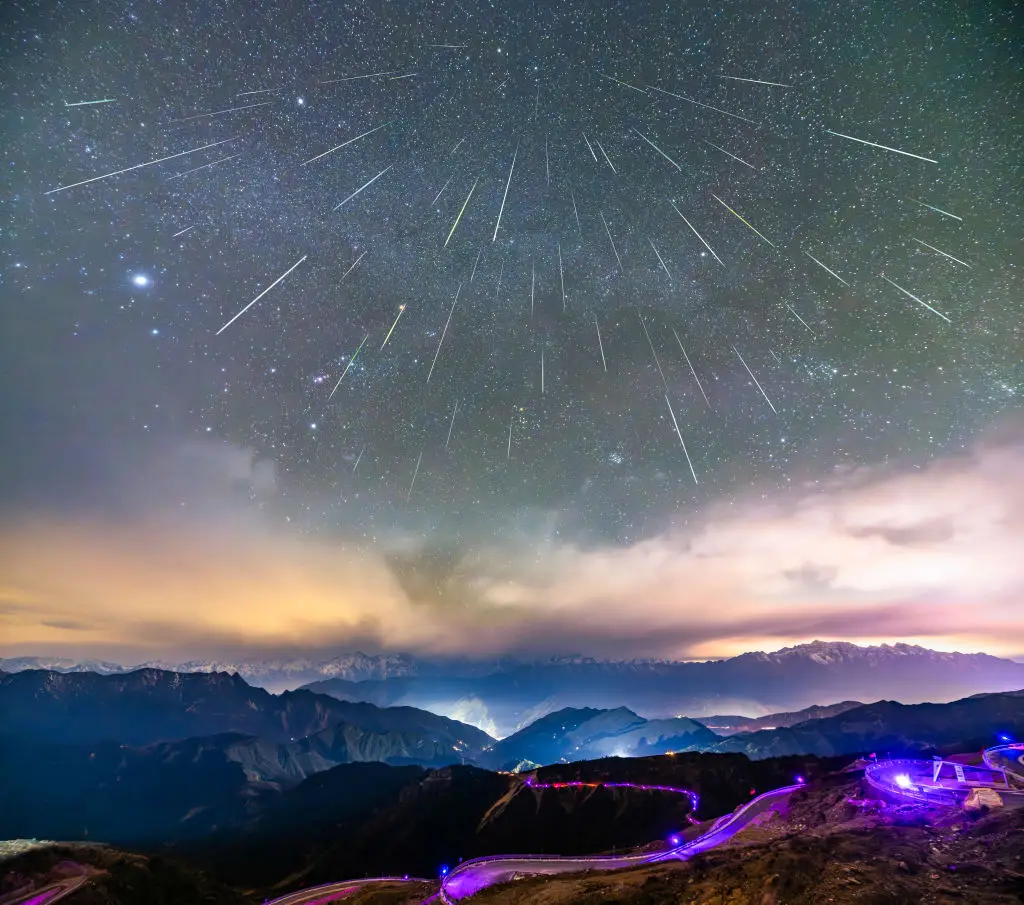
This results in vivid streaks of color dancing across the sky.
Because the debris of 3200 Phaethon is larger than usual it 'survives further into our atmosphere and tends to produce brighter meteors', journal editor of the American Meteor Society Rubert Lunsford told National Geographic.
The tails of meteors, meanwhile, are created by the heating of metals like calcium, silicon, iron, sodium, nickel and magnesium as they pass through our atmosphere.
The Geminid meteor shower began around December 4 and remains active until December 20.
But it will peak this weekend, making it the optimal time to catch the spectacular show from space.
When to see the Geminid meteor shower
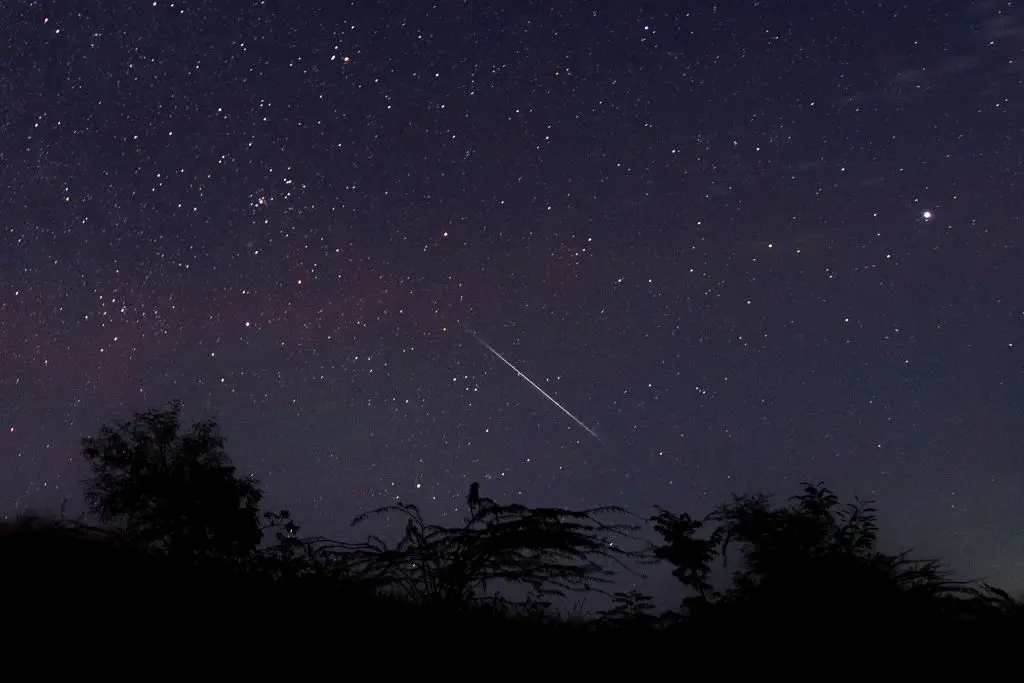
The best time to see the meteor shower is between Saturday (December 13) and Sunday (December 14).
The shower will start from around 9pm, but your best bet is around 2am local time.
This is when the Geminids' radiant point - the single point in the sky from which the meteors seemingly originate - is at its highest.
It's still worth watching from mid-evening onwards, however.
Lunsford said: "Potential observers have the choice to observe prior to moonrise or to look toward the west with the moon at their back after 2am.
"Since the strongest rates occur near 2am, most people will face eastward before that time, then swing around to the west after it to avoid having the moonlight affect their night vision."
How best to view the Geminid meteor show
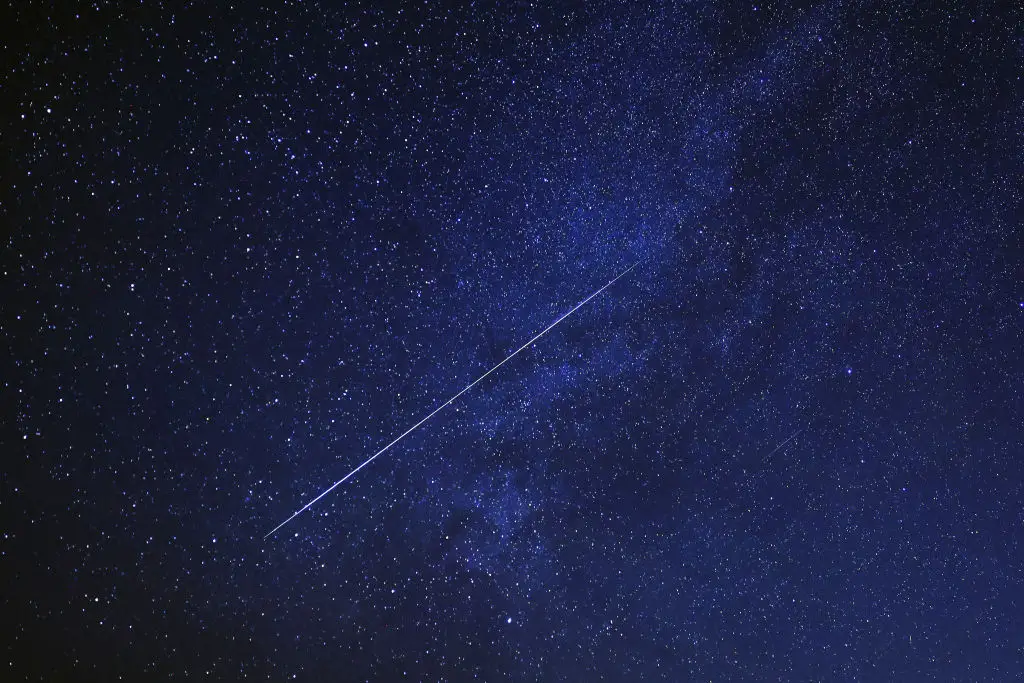
Want to catch the very best view of the Geminid meteor shower? Of course you do!
Fortunately, the experts at NASA has even more useful sky-watching tips for us.
If you can, it helps to get out the city and away from light pollution.
Building, street and car lights can all make it more difficult to see the fainter meteors.
The US space agency recommends heading at least 20 to 30 miles away from cities or using natural barriers like mountains, forests, or lakes to block out light pollution.
Then, give yourself up to half an hour for your eyes to fully adjust to the dark.
Good luck!
 Ellie Kemp