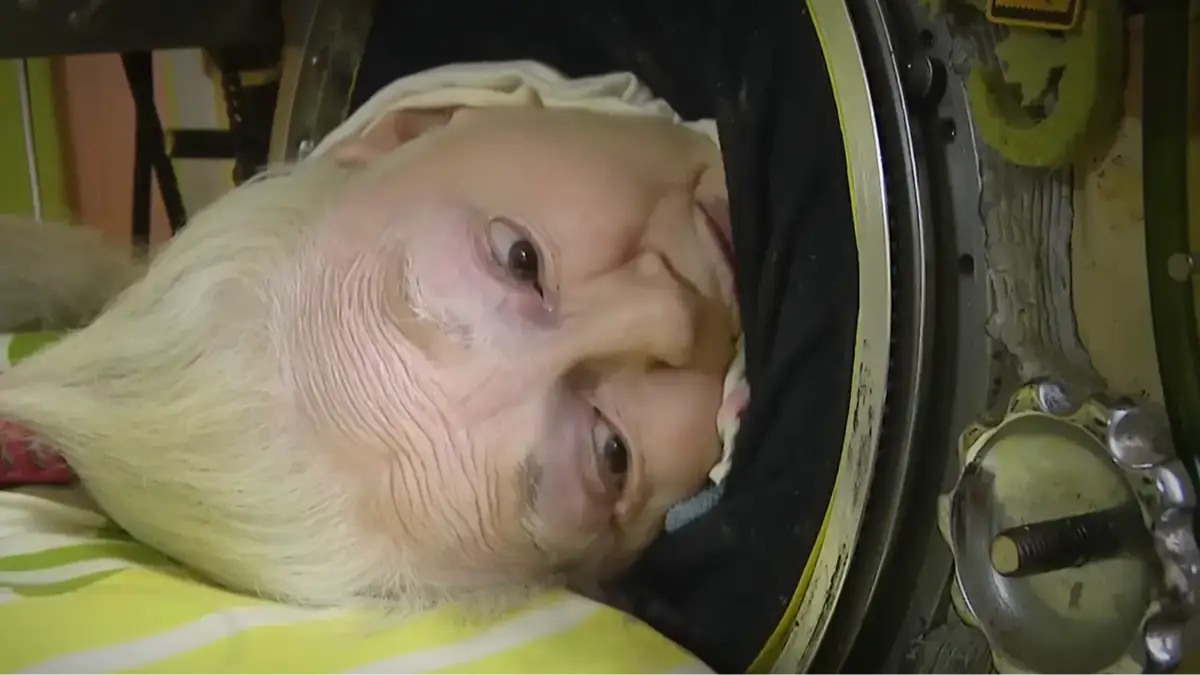
Last US polio patient using iron lung dies aged 78

A woman from Oklahoma — who was the last US polio patient using an iron lung — has died at the age of 78.
It was in June 1953 when Martha Lillard's life changed forever when she woke up with sore throat and a stiff neck.
The then five-year-old was rushed to hospital as her family suspected she may have polio, which medical professionals later confirmed.
Martha was in the hospital for six months, where she was hooked up to the iron lung to help with her breathing.
Advert
And the American used it to help her breathing until the day she died on June 26 this year.
Her sister, Cindy McVey, confirmed the tragic news that she had died to the The Associated Press.
“They told her she wasn’t supposed to live past 20 years old,” she told the outlet. “She had the enthusiasm and the drive to continue living and make the best of her life.”
Martha's relative said that long Covid contributed to her sister's passing, as the death certificate states chronic pulmonary failure and post-polio syndrome as the causes.
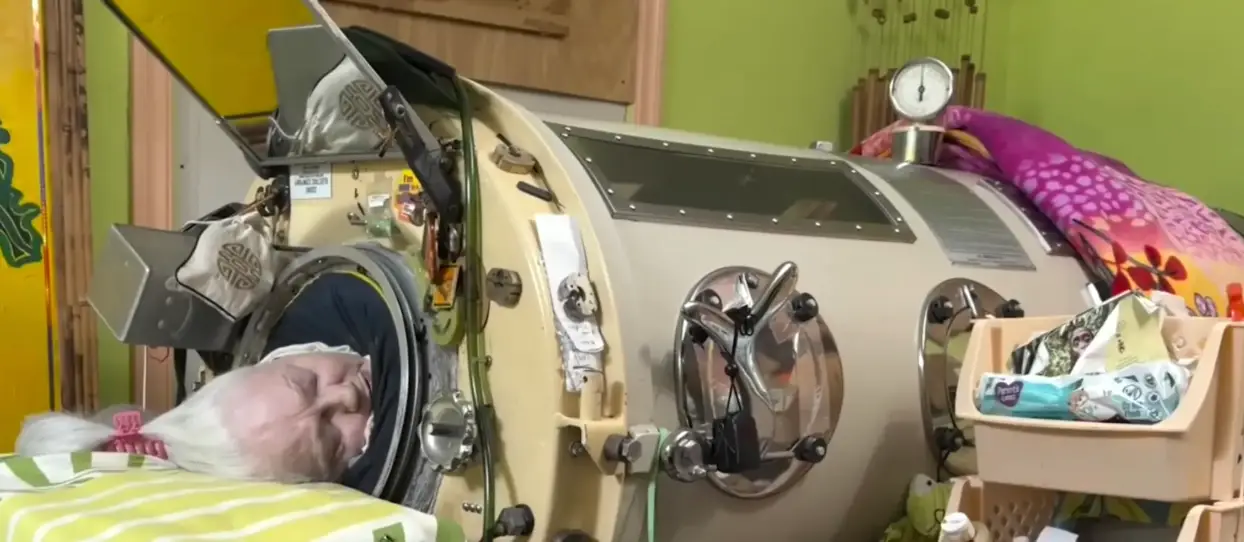
The Oklahoma woman was the last remaining US polo patient to use the iron lung, which works by pushing air into the lungs of its patients by method of artificial respiration called External Negative Pressure Ventilation (ENPV).
The device was commonly used to treat people with polio, before vaccinations came along and helped minimise the spread.
Polio is effectively eradicated in the US as no cases have been reported of naturally occurring transmission since 1979.
Martha spoke to KFOR 8 just days before her death, as she recalled the first symptoms she experienced.
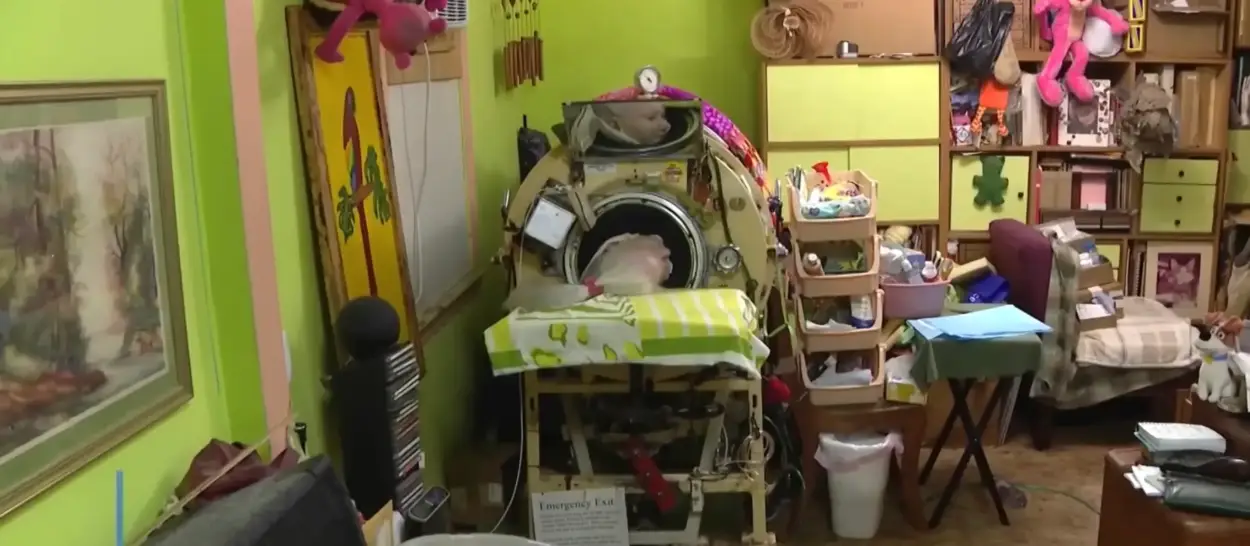
"I woke up and it was sunny outside, and I started to sit up, and my neck was killing me," she said.
"I couldn’t lift my head off the pillow.”
“After four days, I went unconscious. I couldn’t breathe. I couldn’t move my arms or legs.”
Speaking of the iron lung, Martha continued: "They usually didn’t like to put children in because [children] fought it, but I didn’t. I liked it. It felt good to breathe."
Martha had one particular bad experience with the iron lung when she got stuck in the machine as an ice storm swept through Oklahoma.
The emergency generator did not work, which left the device without any heat.
"It's like being buried alive almost, you know — it's so scary," she told Radio Diaries in 2021.
"I was having trouble breathing. And I remember saying out loud to myself, 'I'm not going to die.'"
 Callum Jones