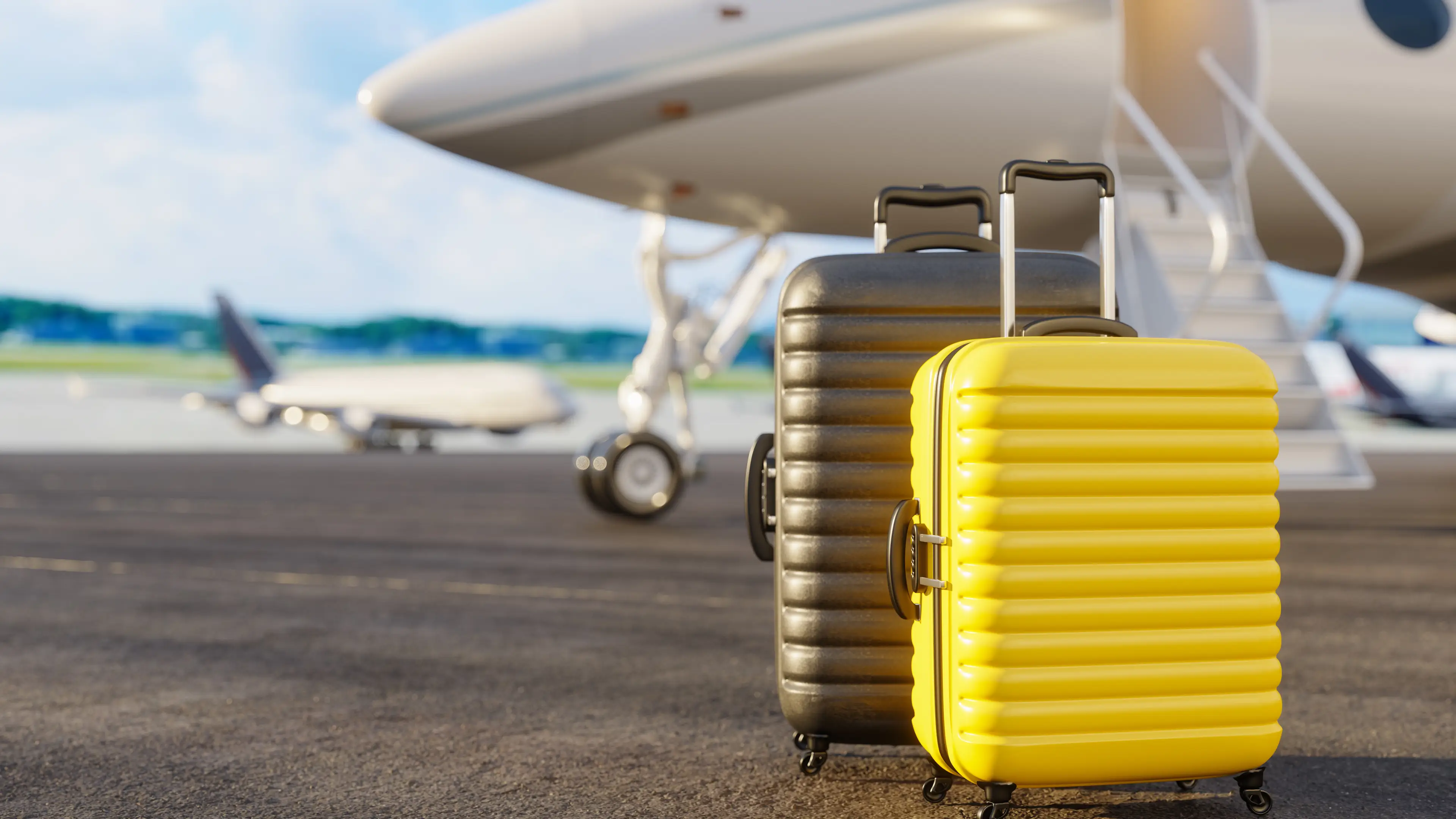
Over 100 million lithium batteries packed incorrectly as aviation chiefs sound alarm over 'uncontrollable' fire risk

Aviation safety regulators have issued an urgent warning to millions of summer travelers, revealing that more than 100 million rechargeable lithium batteries are being packed incorrectly each year, posing a potentially deadly threat to flights.
The UK Civil Aviation Authority (CAA) launched its high-profile 'Pack Right for a Safe Flight' campaign just as the peak summer travel season kicks into gear.
According to alarming new data released by the watchdog, reports of overheating, smoking, or malfunctioning passenger devices nearly doubled between 2024 and 2025.
Furthermore, cases of high-risk lithium-powered devices being mistakenly buried in checked-in cargo baggage surged by a massive 91% over the same period.
Advert
Safety officials warn that the sheer volume of personal tech carried by modern holidaymakers has transformed everyday luggage into the aviation industry's number one fire risk.
The average traveler now carries four distinct lithium-powered devices on any given trip. On a heavily packed, high-capacity aircraft like an Airbus A380, that equates to more than 2,000 highly volatile batteries onboard a single flight.
While flying remains statistically the safest form of long-distance travel, the rising prevalence of loose power banks, e-cigarettes, and personal vapes has introduced a severe logistical challenge for flight crews.
When a lithium-ion battery short-circuits, suffers physical damage, or overheats, it can rapidly enter an unpredictable state known as "thermal runaway."
During thermal runaway, a battery generates intense, self-sustaining heat that can exceed 600°C within seconds, releasing toxic, flammable gases and triggering a fierce chain reaction in surrounding batteries.
"Rechargeable lithium batteries, such as power banks and vapes, can bring a fire risk that could be completely uncontrollable if packed away inside checked baggage," safety experts warned in the campaign launch.
If a device catches fire inside the passenger cabin, flight attendants are highly trained and fully equipped to immediately isolate and extinguish the threat using specialized containment bags.
However, if a loose power bank or vape ignites inside a checked suitcase deep within the cargo hold, the fire can smolder undetected among clothing and plastics, creating a catastrophic situation that is vastly harder for automatic suppression systems to contain.

Despite the severe risks, a staggering 36% of travelers remain completely unaware that packing loose batteries in the hold is illegal and hazardous.
The CAA noted that because 92% of people fly with a phone, 55% with a laptop, and 49% with a portable power bank, hundreds of dangerous batteries are inadvertently checked into cargo holds daily.
To prevent significant travel delays, baggage confiscations, or mid-air emergencies, aviation authorities are mandating strict adherence to the following travel rules this summer:
- Keep them close: All loose power banks, vapes, e-cigarettes, and spare camera batteries must travel exclusively inside your hand luggage in the main passenger cabin.
- Limit your power: Passengers are strictly banned from flying with more than two portable power banks in total.
- No inflight charging: You are legally prohibited from charging a portable power bank itself while onboard an aircraft.
- Power down completely: If a laptop or tablet must be placed in a checked bag, it must be completely turned off—not left in "sleep" or "standby" mode—to prevent accidental activation and overheating.
"The best outcome is always prevention, which starts when passengers pack their bags," industry heads emphasized, urging every holidaymaker to double-check their zippers before heading to the terminal.
 Phoebe Tonks