Eerie 'ghost' island was most populated place in the world before being abandoned and used in James Bond movie

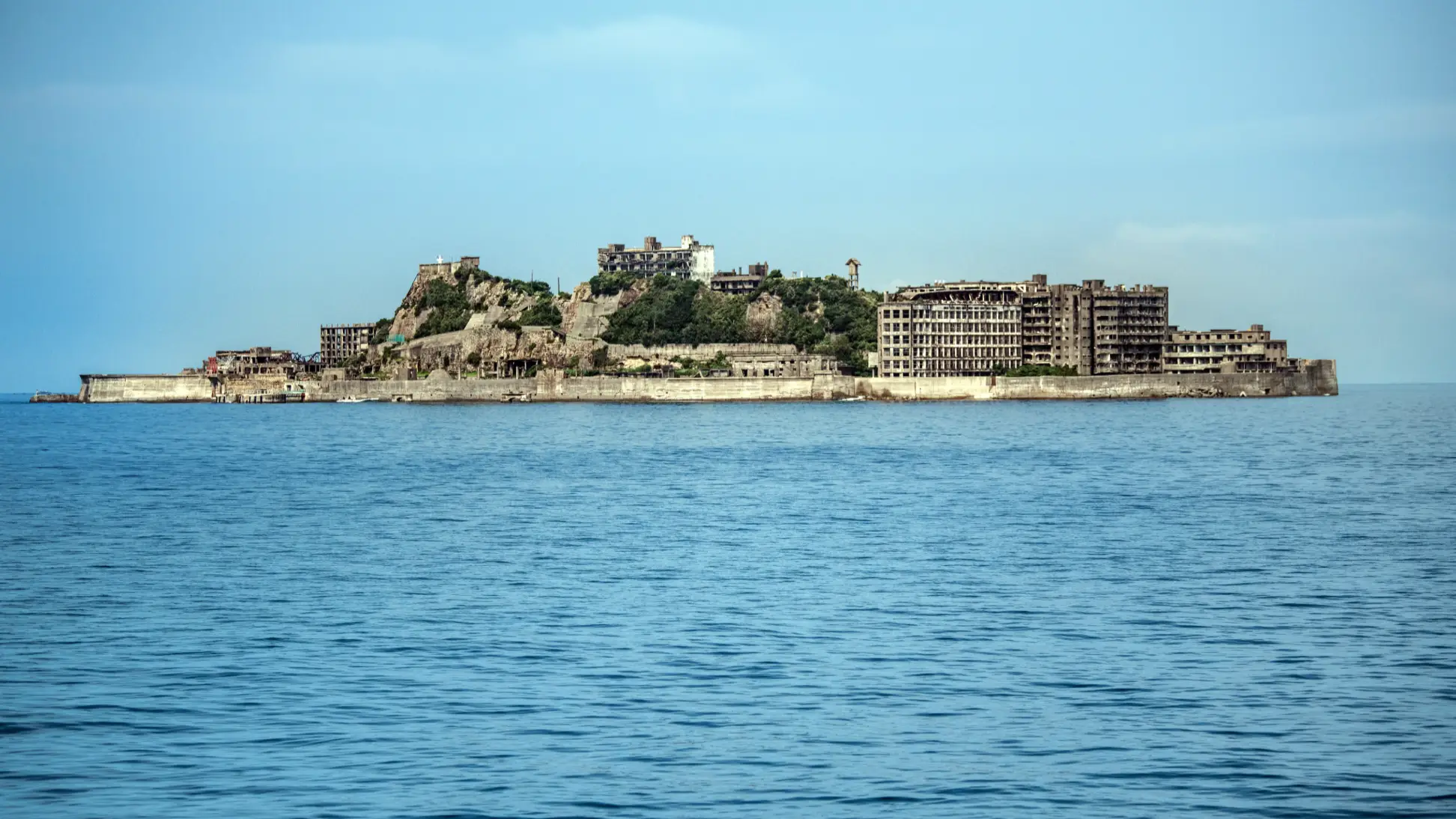
Despite once being one of the most populated places in the world, Hashima Island now resembles something out of a horror movie, long after all of its residents left.
The Japanese island, also known as Gunkanjima, is approximately 480 meters long and just 160 meters wide, and yet it once homed more than 5,000 residents.
Located just nine miles away from Nagasaki, Hashima Island was given the nickname Gunkanjima, which means Battleship Island, due to its unique appearance.
The densely populated piece of land was packed to the brim with concrete buildings and surrounded by seawall, which gives it the unmistakable appearance of a battleship.
Advert
After being built up and then completely left behind, the island went on to become the setting of Raoul Silva's Island in Daniel Craig's 2012 James Bond movie, Skyfall.
Why so many people lived on Hashima
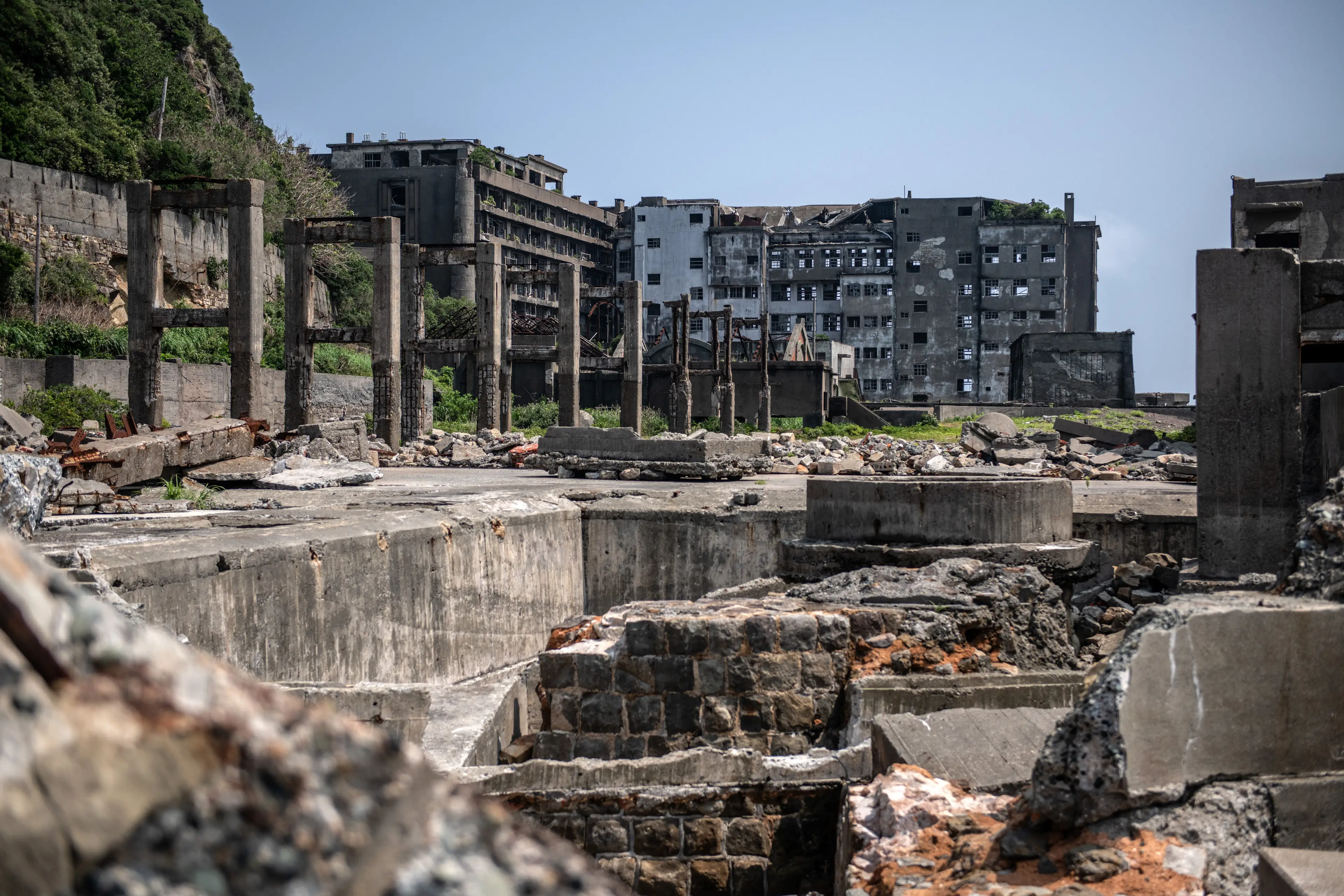
So, what led to so many people inhabiting such a small space in the 1900s? The short answer is coal.
Back in 1890, coal was discovered underneath the seabed surrounding the island, prompting Mitsubishi to purchase to small piece of land in 1890.
Incredibly, Mitsubishi built tunnels that went all the way through the ocean and beneath the sea floor so workers could access the huge undersea coal mine.
As time went on, Mitsubishi went on to enlarge the island and construct seawalls, before building apartment blocks for workers and their families.
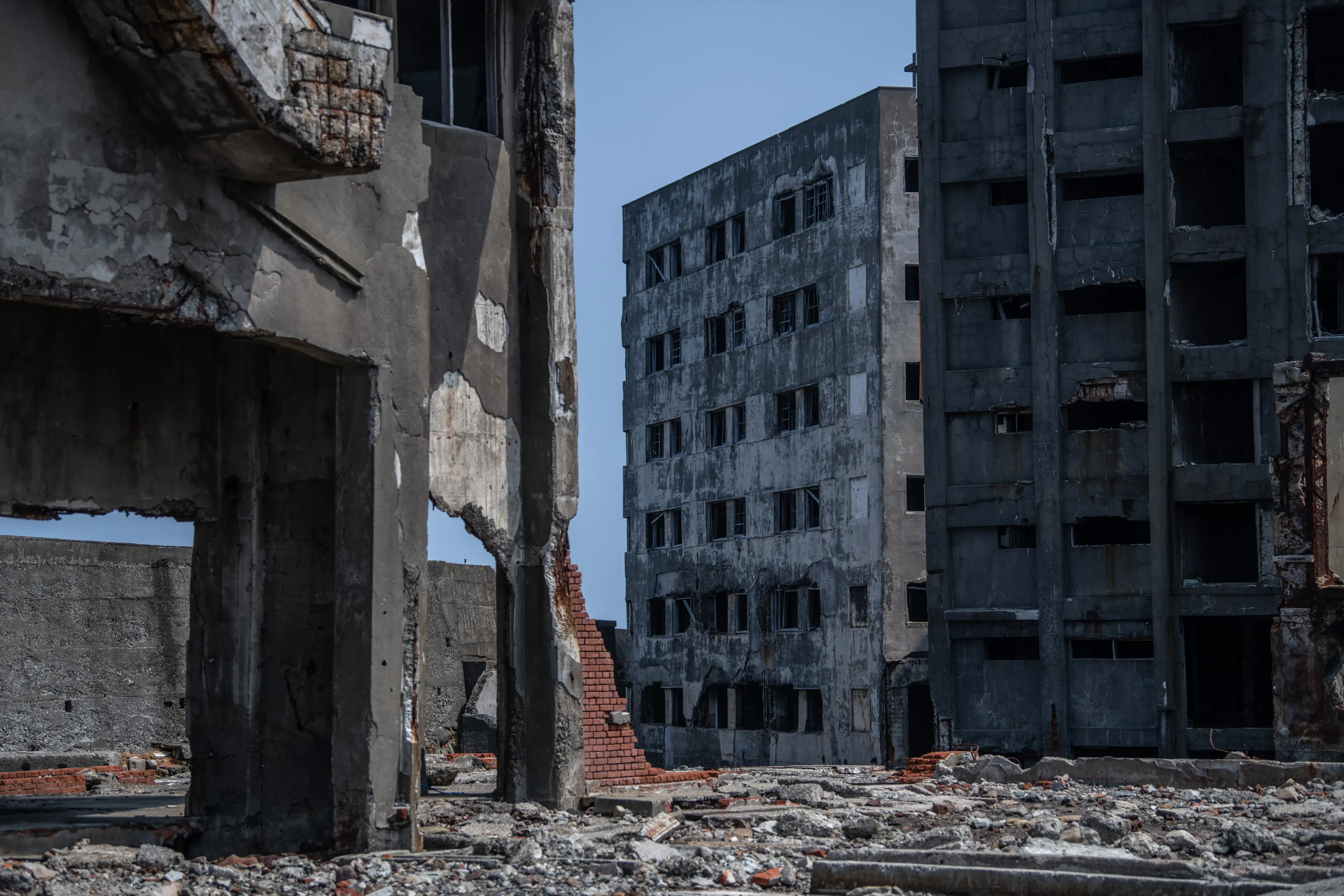
Eventually, as production expanded, the company built a school, multiple shops, restaurants, a hospital, a movie theater, public baths, a swimming pool, a shrine and even entertainment facilities.
While it sounds like residents were provided with everything they needed to lead a relatively normal life, the island was extremely densely populated.
At the island's peak, around 1959, it's reported that as many as 5,200 people lived on Hashima. It meant that pretty much every bit of land was built upon, so there were virtually no cars and very little vegetation.
It was even referred to as Midori nashi Shima, which means 'the island without green,' according to Atlas Obscura.
However, workers were paid pretty well comparatively, and homes on the island were among the first to get mod-cons like TVs, fridges and washing machines.
Hashima became a ghost town
Despite once being home to so many people and families, everything changed around the 1960s and by the 1970s, everyone had left.
In January 1974, Mitsubishi announced it would be closing the mine after coal mining was no longer economically worthwhile, due to the switch to petroleum as Japan's primary energy source.
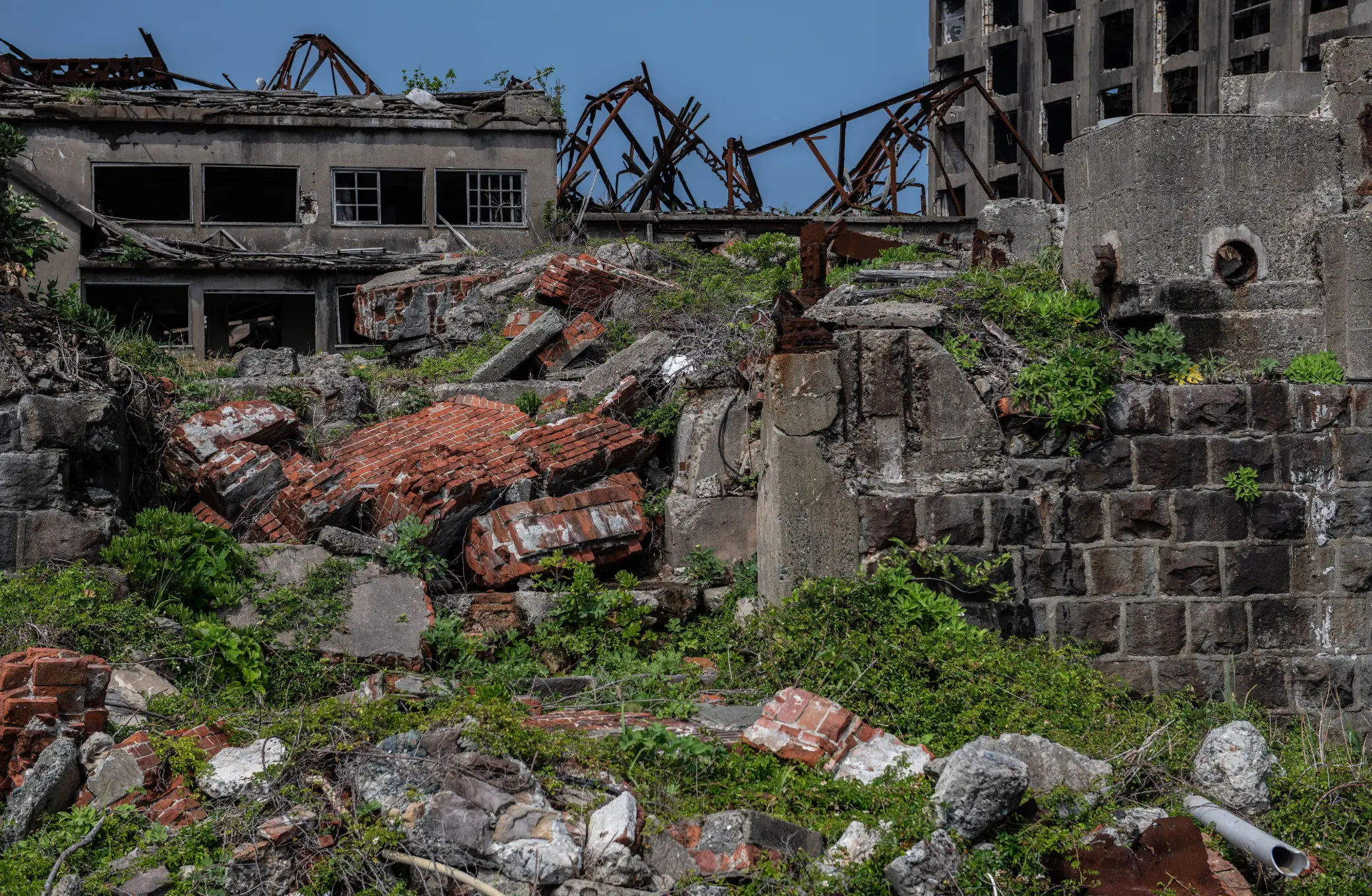
Unsurprisingly, once the island was left empty and no one was there to maintain it, the weather started to dramatically deteriorate its facilities.
Saltwater corroded the steel reinforcement of buildings and roofs collapsed, windows disappeared and vegetation started growing indoors.
For a long time, no one was allowed to visit Hashima, however from 2009 parts of the island were reopened to tourists and sightseeing boats now visit from Nagasaki.
Hashima in James Bond
The island found its way into the spotlight in 2012, when it's visited by James Bond as he searches for former MI6 agent Silva, played in the movie by Jarvier Bardem.
Topics: Travel, World News, Film and TV
 Emma Rosemurgey