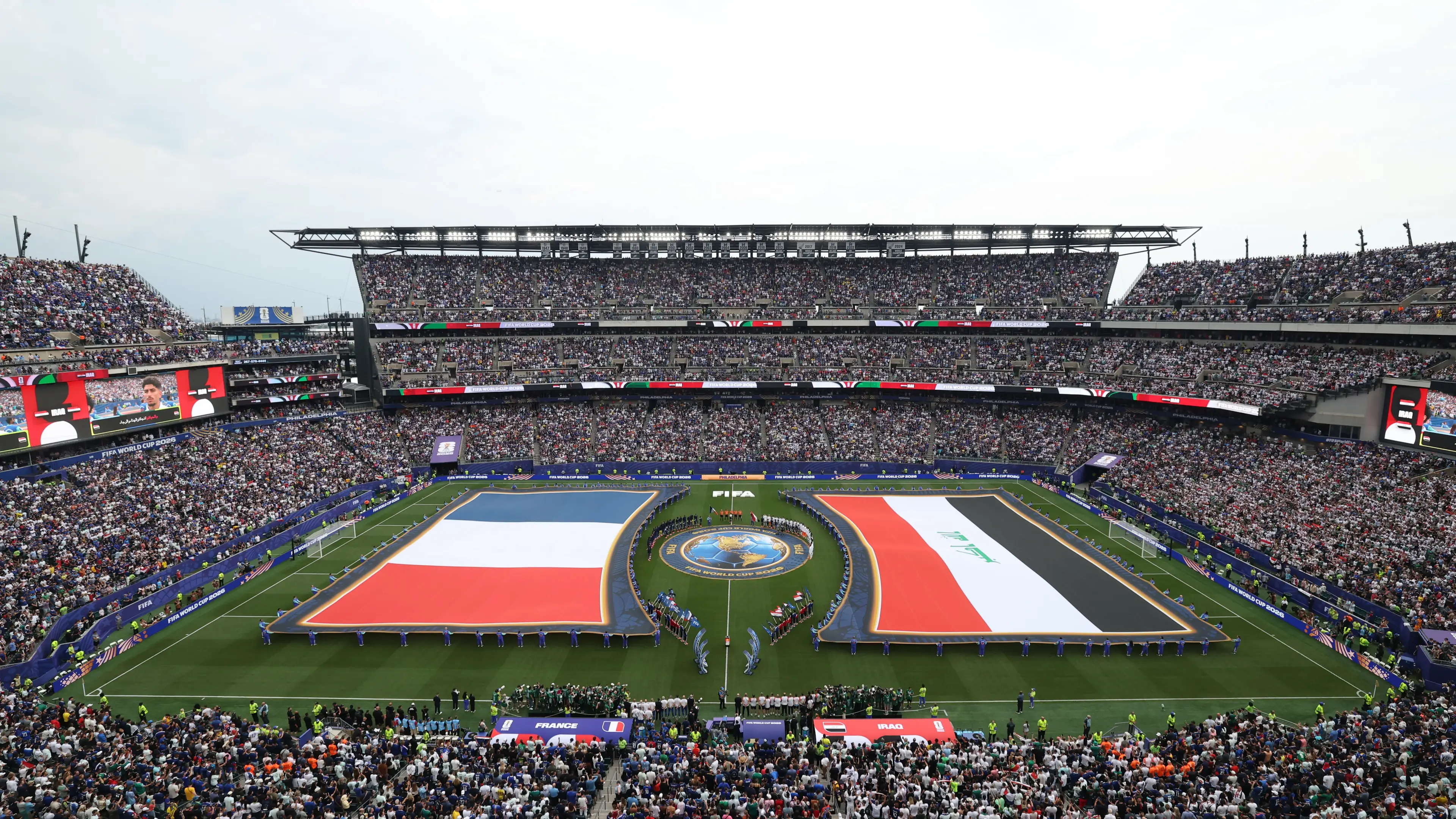
FIFA drops controversial rule during France vs Iraq World Cup match after two-hour weather delay

The FIFA World Cup has kicked off in full swing - and things are heating up, literally.
Many fans have been left fuming with new rules put in place by FIFA due to the temperatures in the United States, Canada, and Mexico, with players able to take hydration breaks due to the heat.
Midway through each half, players are granted three-minute breaks through all 104 matches - or so we thought.
Last night, World Cup favorites France secured their spot in the Round of 32 by beating Iraq 3-0, but it wasn't the smoothest game in the world.
Advert
In fact, the second half was delayed almost 2 hours due to the heavy rain and a threat of thunderstorms surrounding the Philadelphia Stadium.
France were leading 1-0 before the weather delay took place, but it didn't seem to stop them in their stride, with Kylian Mbappé scoring his second at 54 minutes, followed by a finisher by Ousmane Dembélé just 12 minutes later.
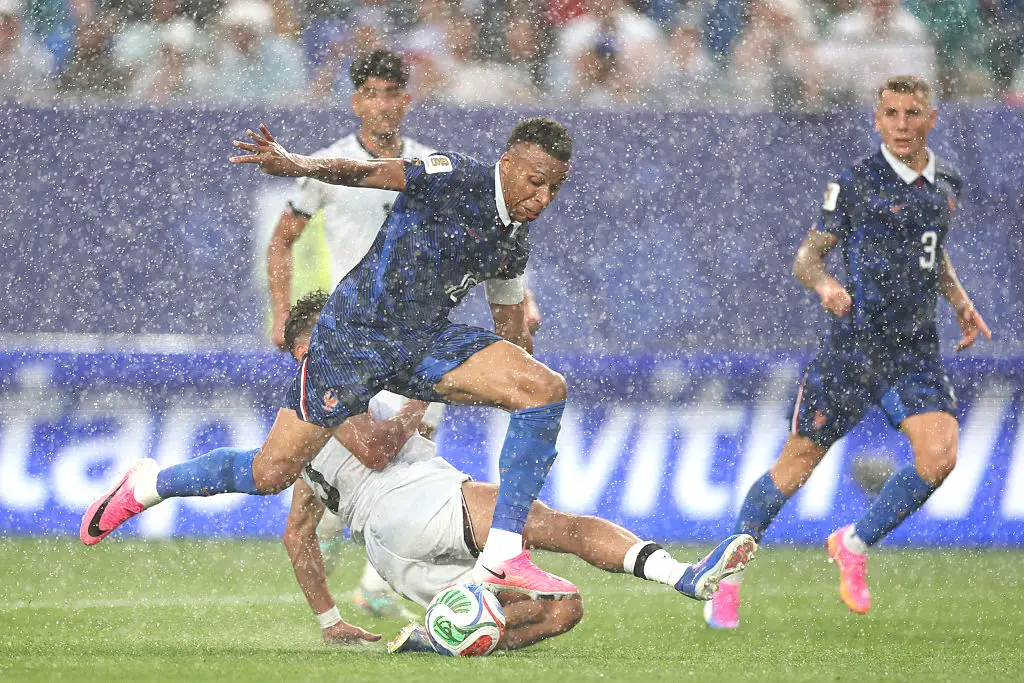
Due to this, FIFA announced they'd be scrapping the hydration break for the final 45 minutes.
"No hydration break in the second half," a spokesperson said.
But why are the breaks so controversial?
The decision was made in December by FIFA, after consultation with coaches and broadcasters, they say.
Months later, it was revealed that commercials were able to be shown during the breaks - which many weren't happy about. Plus, many aren't fans of the fact that managers are able to give their teams 'tactical instructions' during the breaks.
Plus, others simply aren't fans of the 'four quarters' saying they disrupt the flow of the soccer games they're used to. Instead, they feel like the four-quarter format gives an American sport feel.
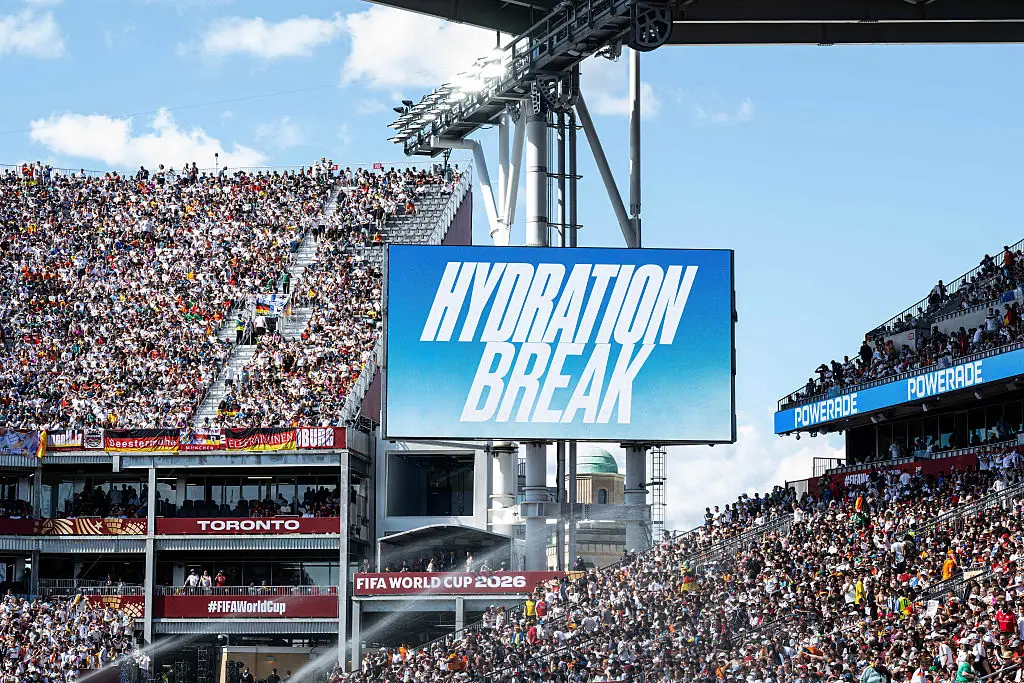
No one's arguing about the player's safety however, and it doesn't look like they'll be stopping anytime soon, with temperatures in 14 of the 16 venues in use set to reach 'dangerous levels'.
"The use of hydration breaks is part of a focused attempt to ensure the best possible conditions for players, drawing upon the experiences of previous tournaments, including the recent FIFA Club World Cup, which took place in the United States last summer," the organization previously said in a statement.
The tournament is set to continue for another month, with the final taking place on July 19 at Azteca Stadium, Mexico City - and things aren't set to cool down anytime soon.
All-time World Cup top scorers
Lionel Messi - Argentina
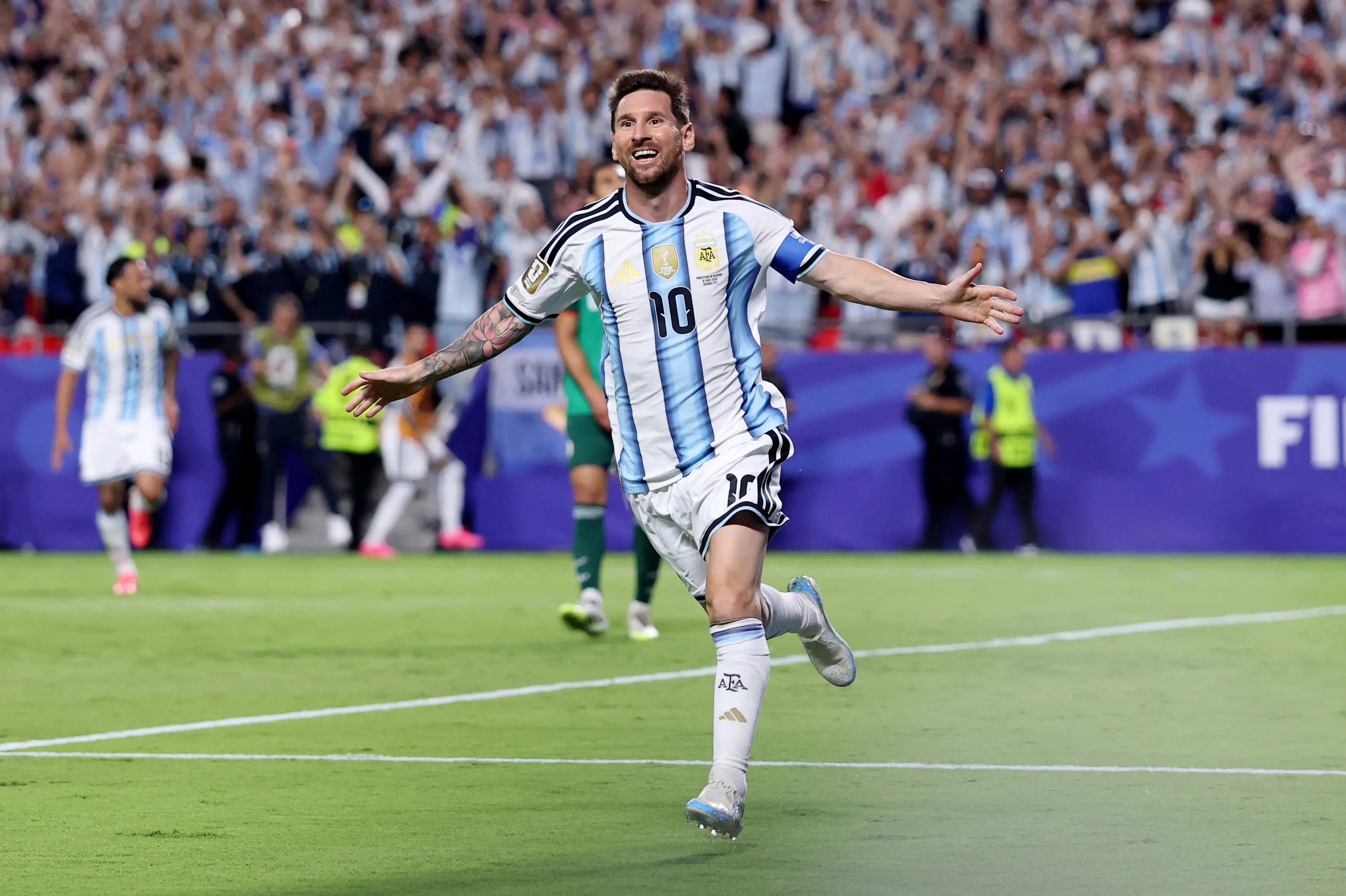
Number of goals: 18
World Cups: Six - 2006 (one goal), 2010 (no goals), 2014 (four goals), 2018 (one goal), 2022 (seven goals), 2026 (five goals at time of writing)
Number of matches played: 28
Kylian Mbappé - France
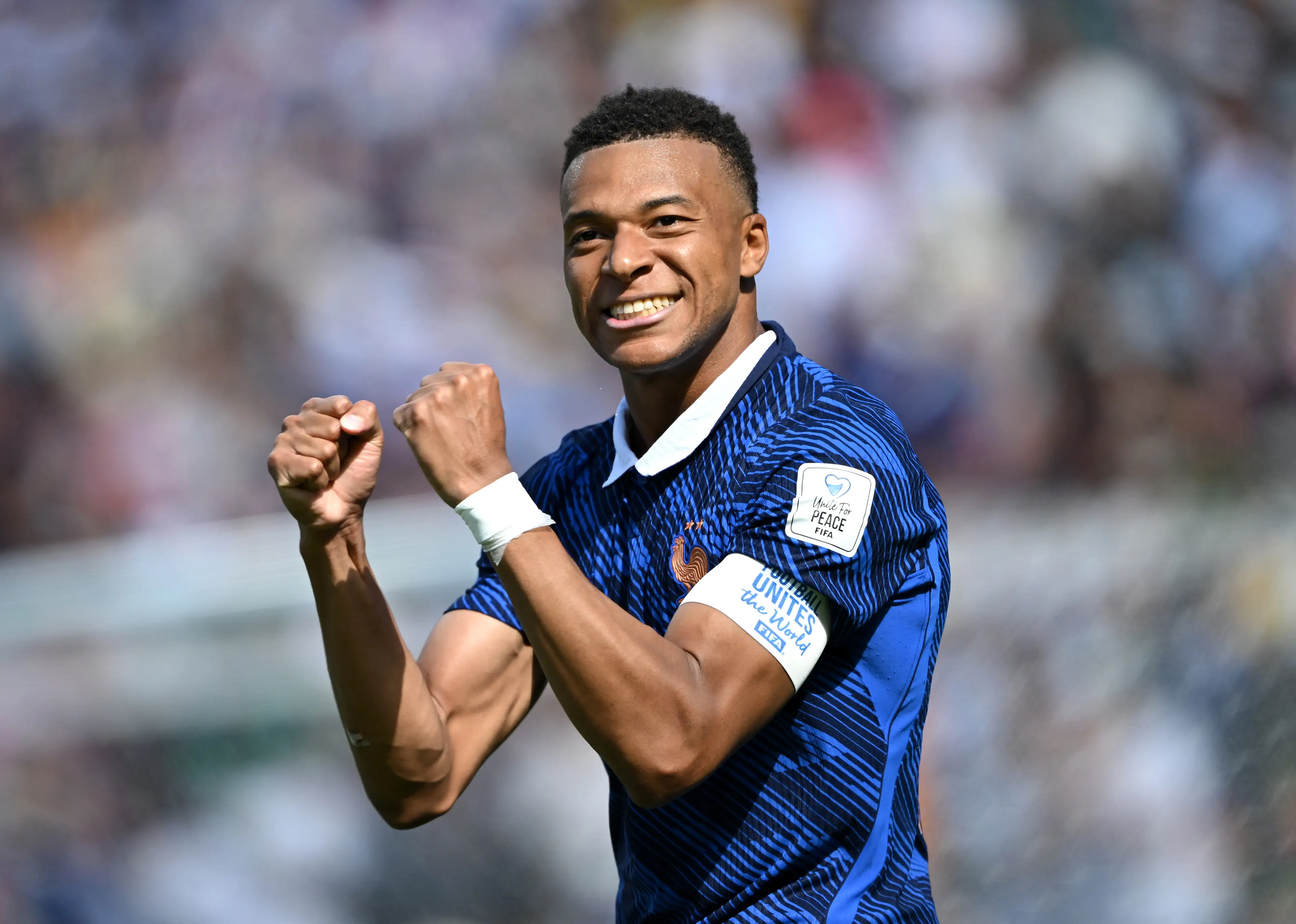
Number of goals: 16
World Cups: Three - 2018 (four goals), 2022 (eight goals), 2026 (four goals at time of writing)
Number of matches played: 16
Miroslav Klose - Germany
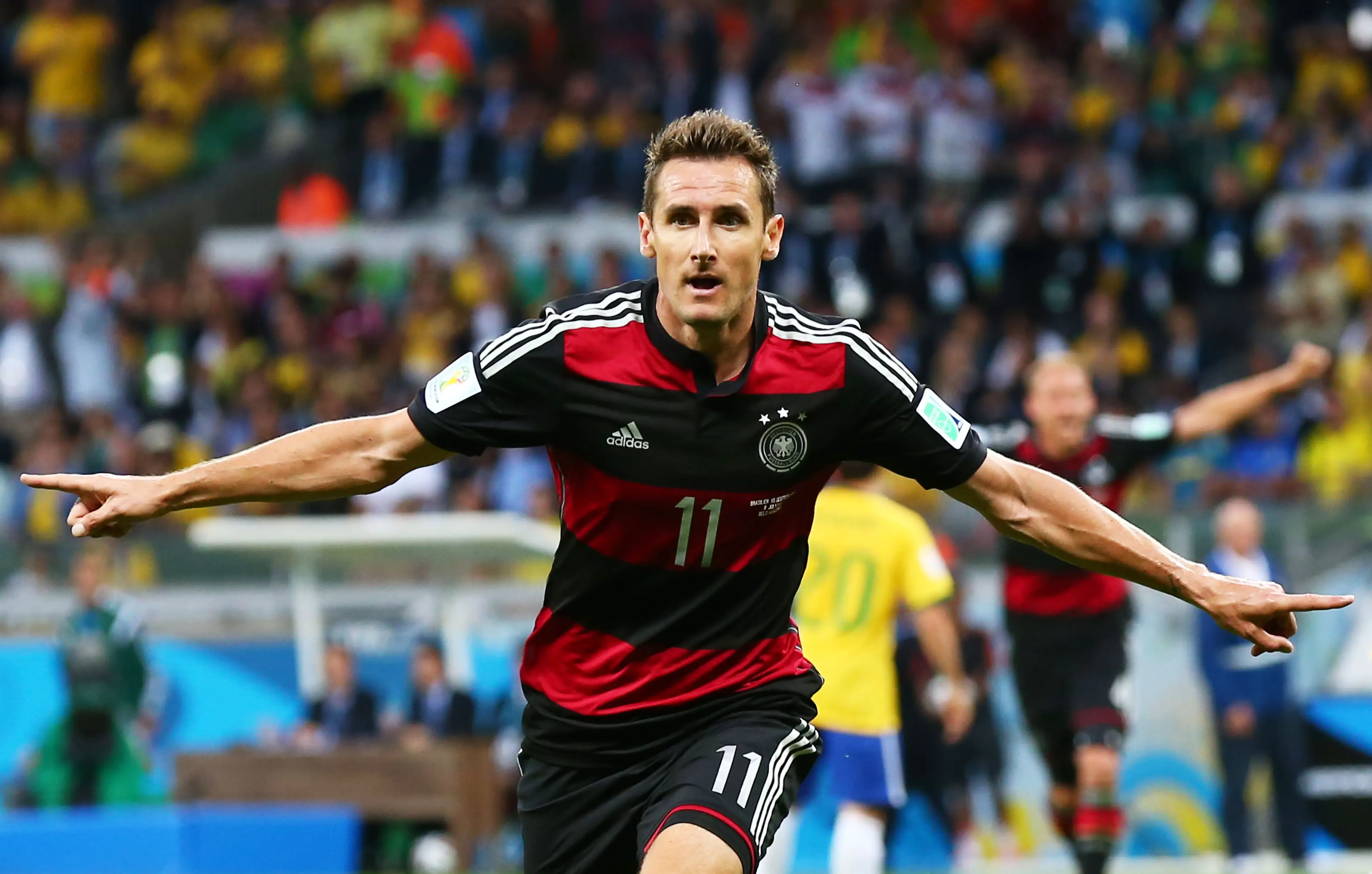
Number of goals: 16
World Cups: Four - 2002 (five goals), 2006 (five goals), 2010 (four goals), 2014 (two goals)
Number of matches played: 24
Ronaldo - Brazil
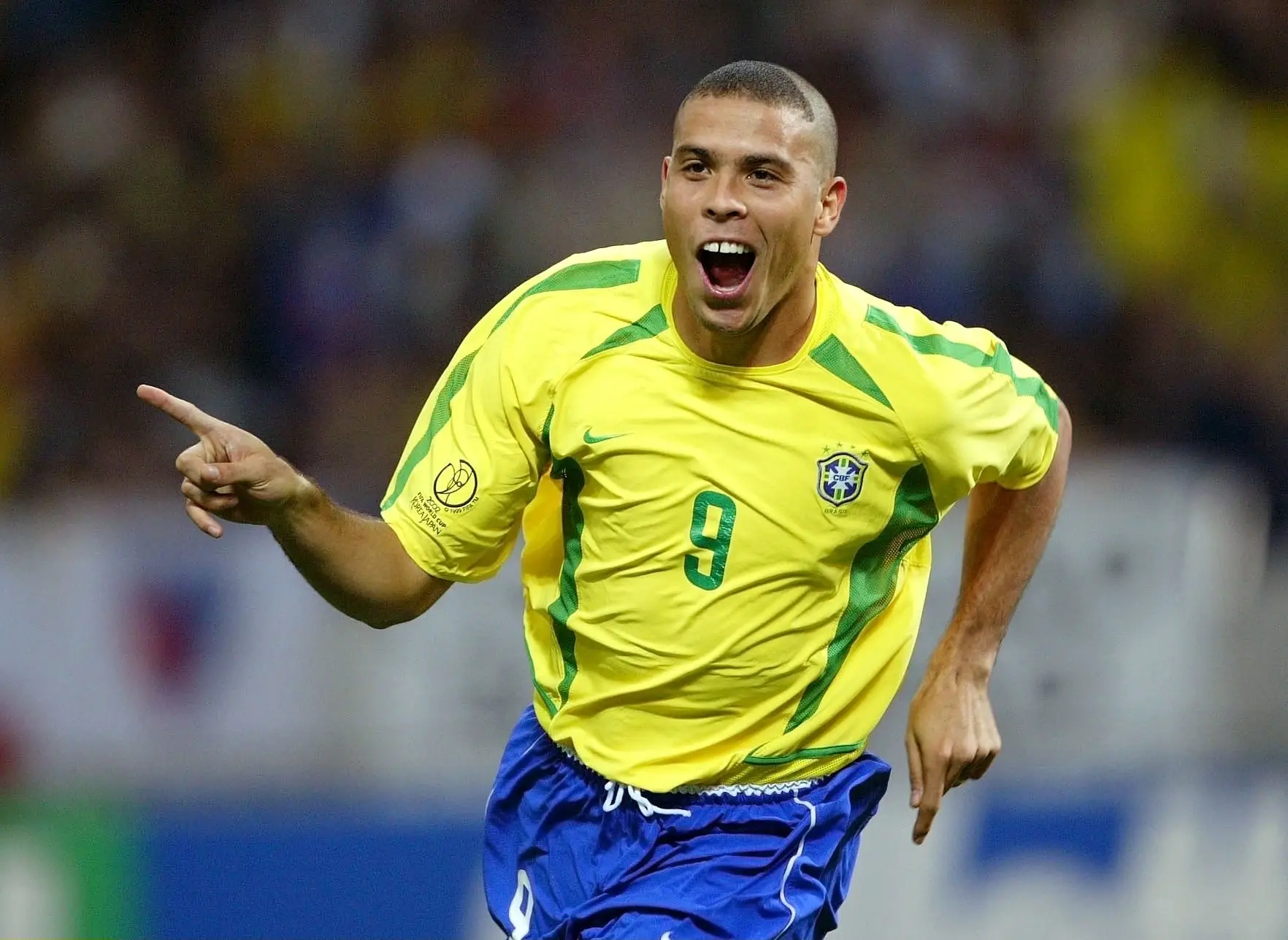
Number of goals: 15
World Cups: Four - 1994 (no goals), 1998 (four goals), 2002 (eight goals), 2006 (three goals)
Number of matches played: 19
Gerd Müller - West Germany
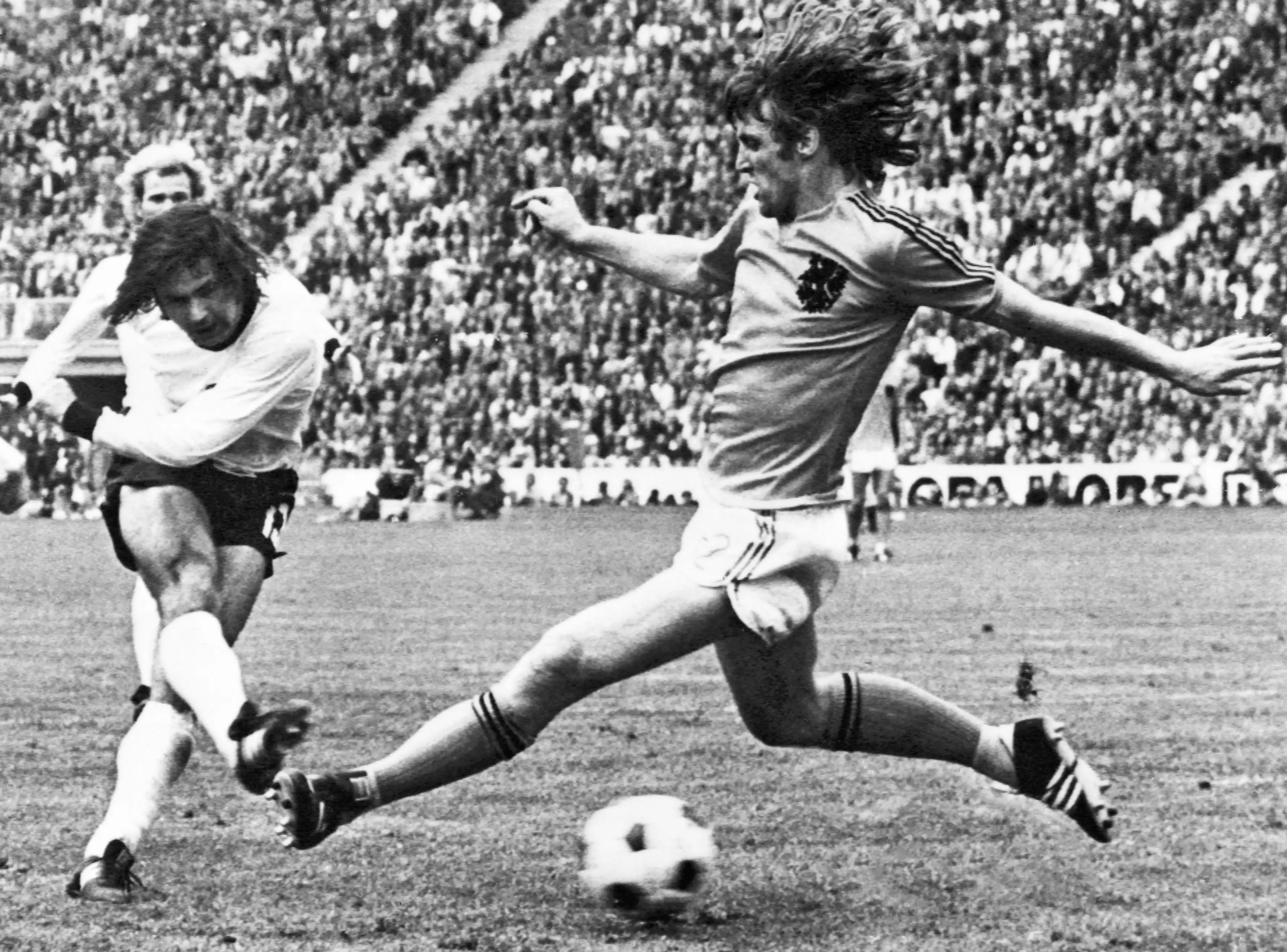
Number of goals: 14
World Cups: Two - 1970 (10 goals), 1974 (four goals)
Number of matches played: 13
Just Fontaine - France
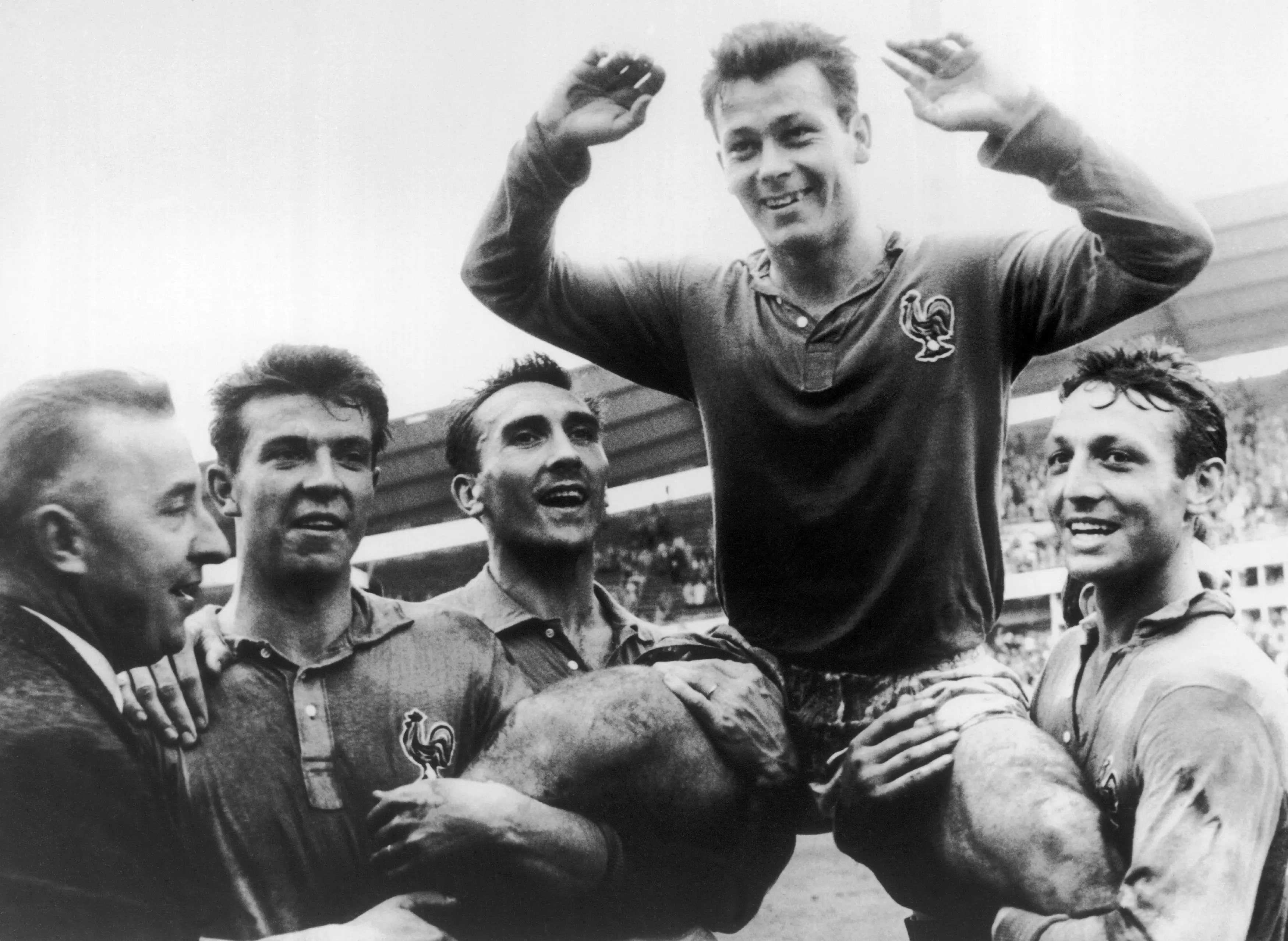
Number of goals: 13
World Cups: One - 1958
Number of matches played: Six
Pelé - Brazil
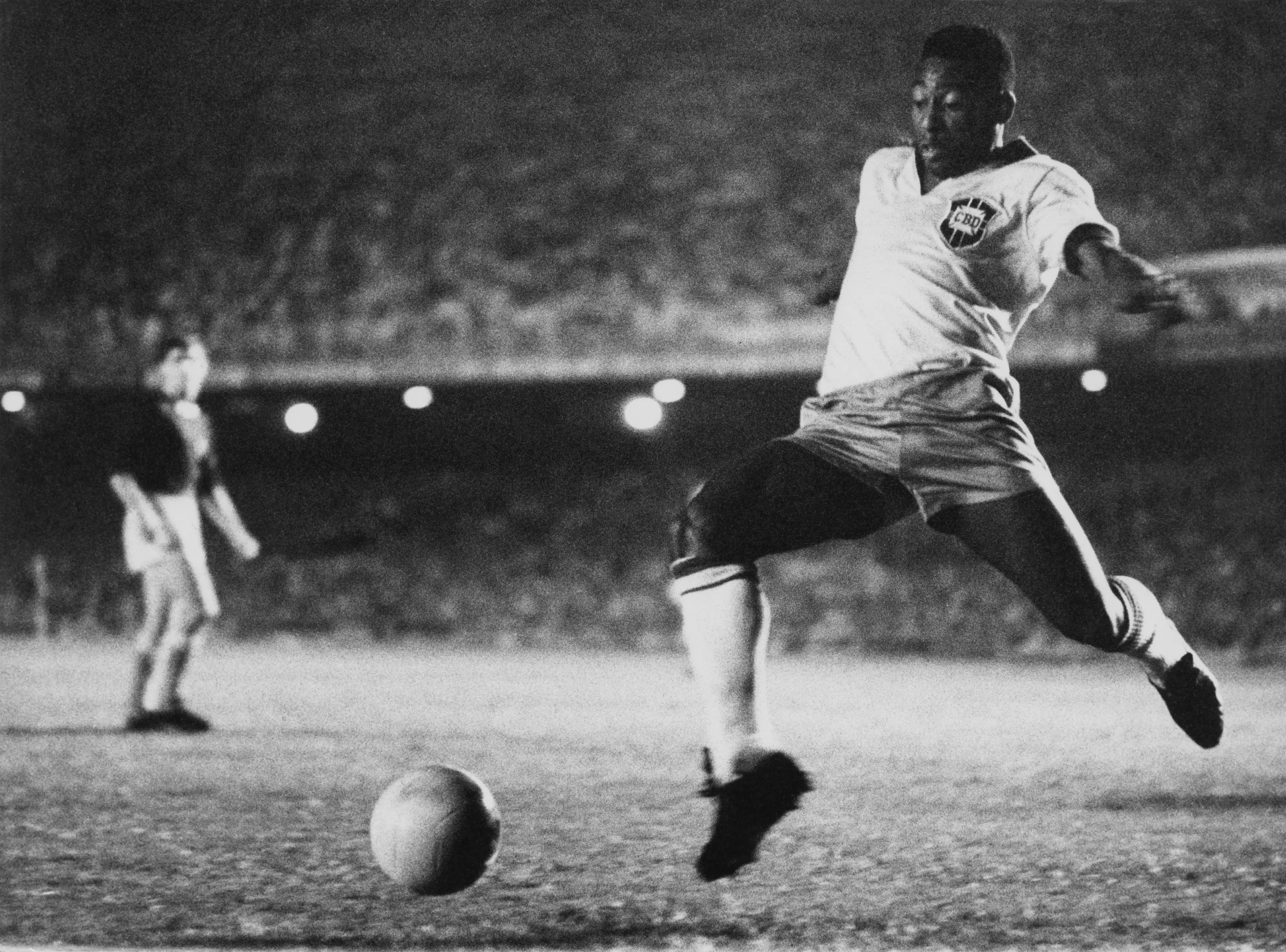
Number of goals: 12
World Cups: Four - 1958 (six goals), 1962 (one goal), 1966 (one goal), 1970 (four goals)
Number of matches played: 14
Jürgen Klinsmann - West Germany/Germany
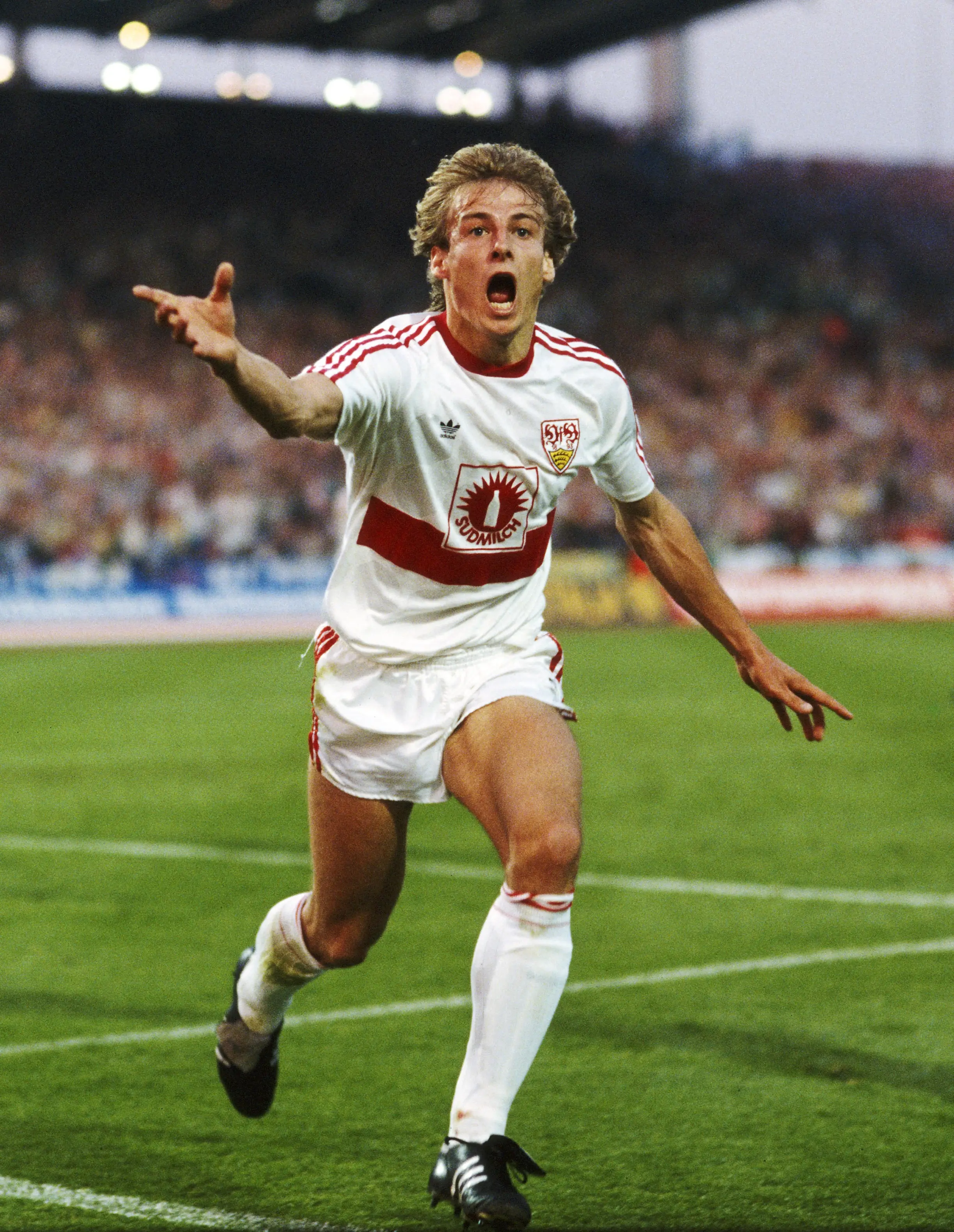
Number of goals: 11
World Cups: Three - 1990 (three goals), 1994 (five goals), 1998 (three goals)
Number of matches played: 17
Sándor Kocsis - Hungary
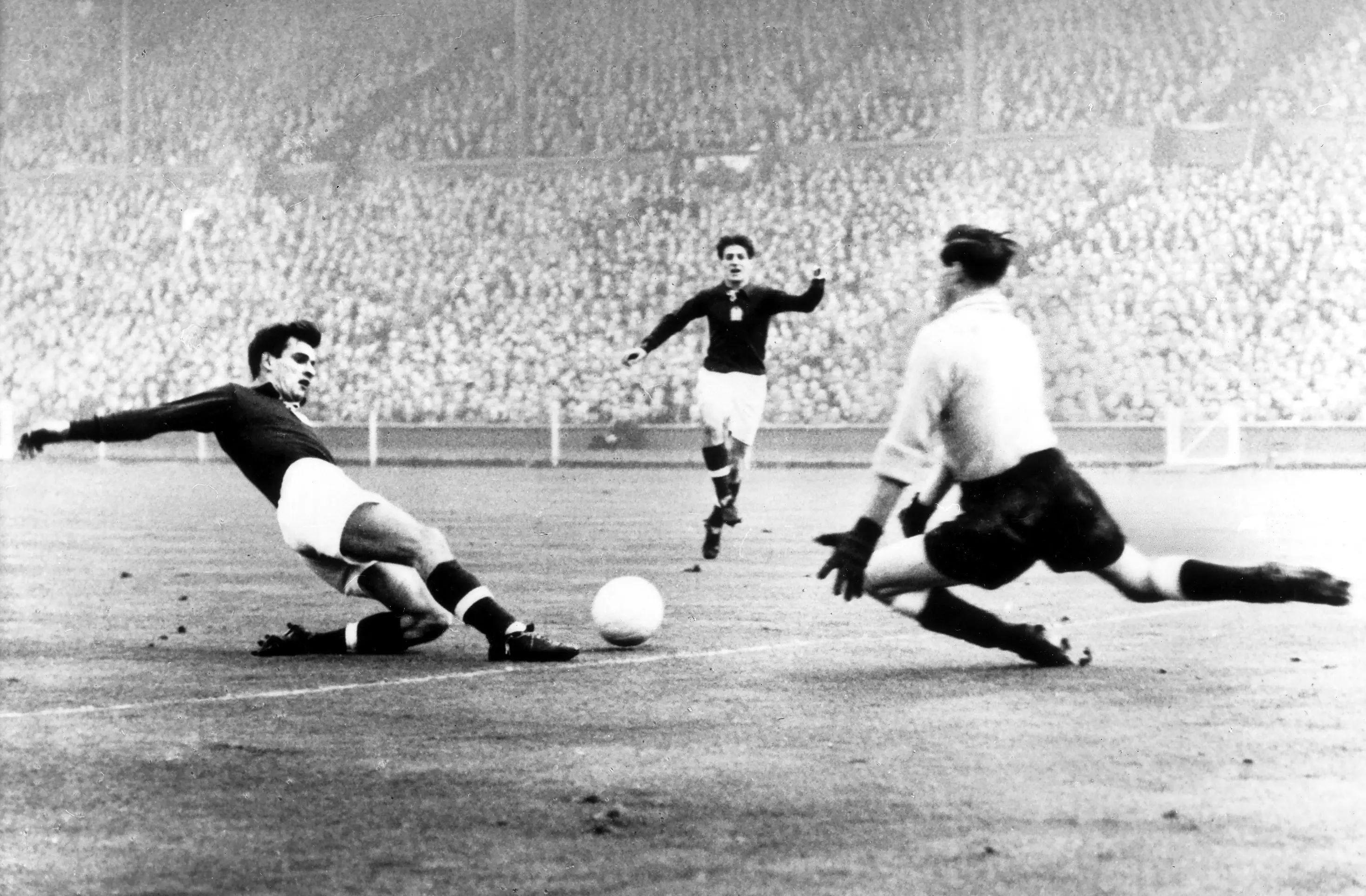
Number of goals: 11
World Cups: One - 1954
Number of matches played: Five
Gabriel Batistuta - Argentina
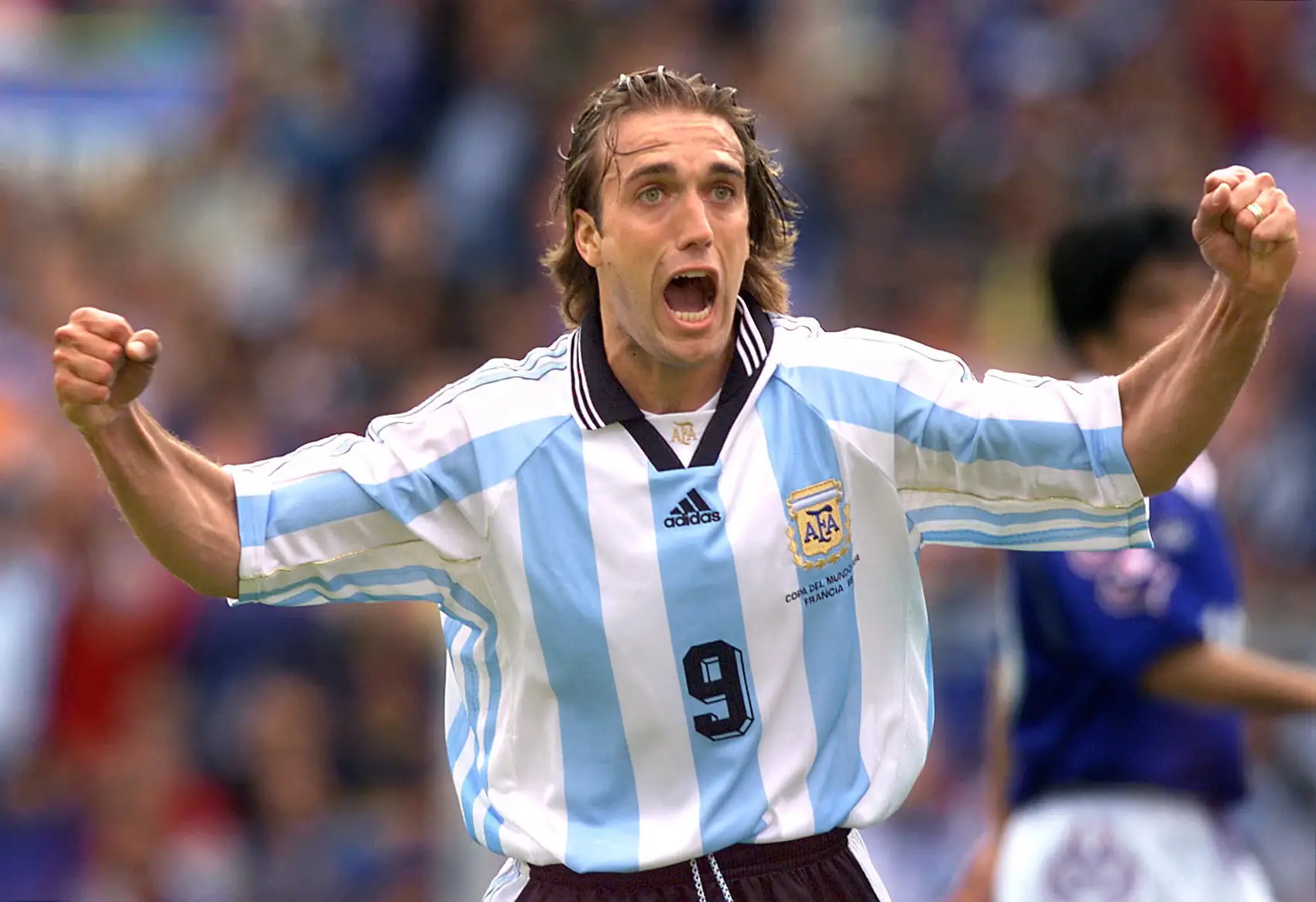
Number of goals: 10
World Cups: Three - 1994 (four goals), 1998 (five goals), 2002 (one goal)
Number of matches played: 12
Teófilo Cubillas - Peru
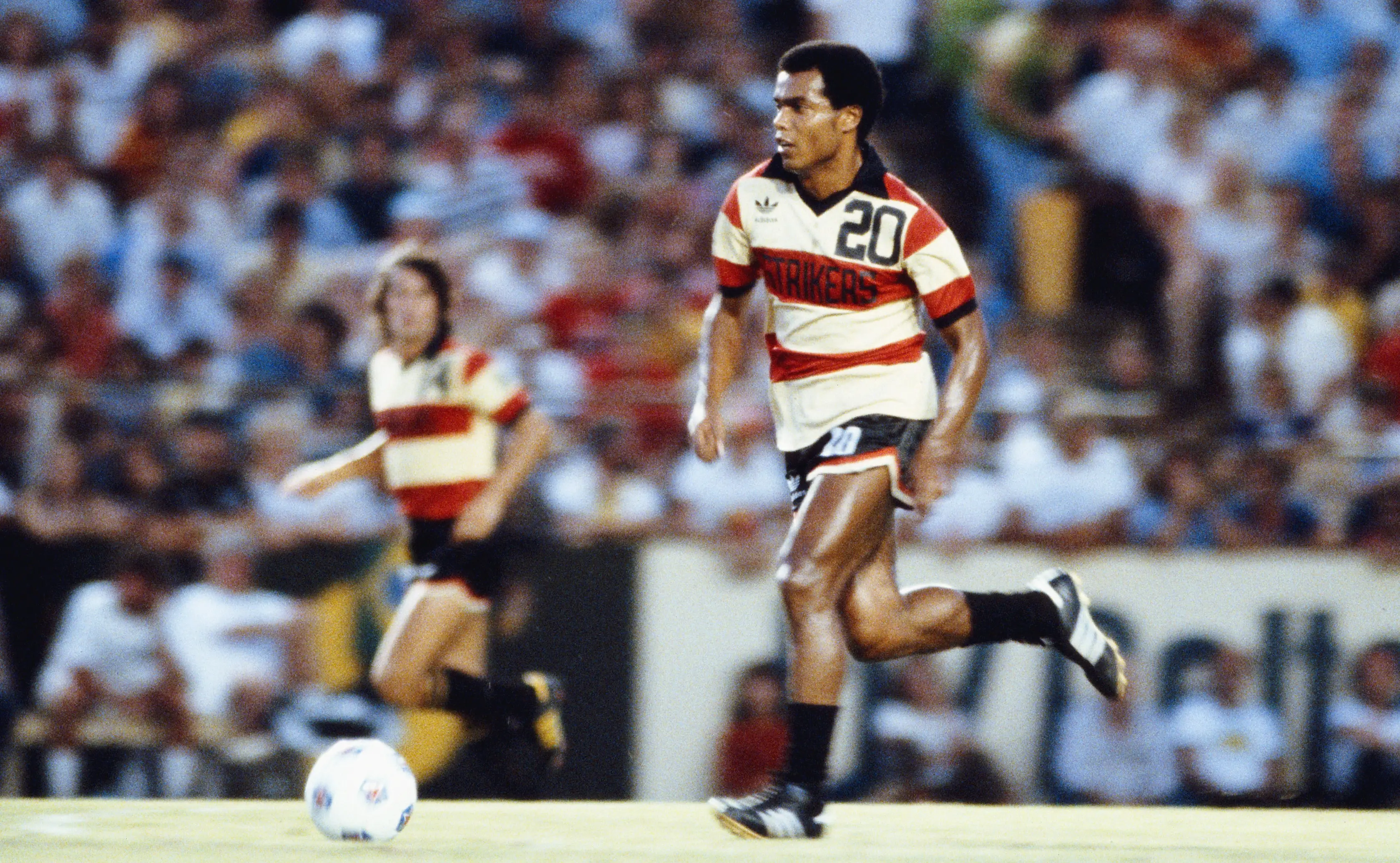
Number of goals: 10
World Cups: Three - 1970 (five goals), 1978 (five goals), 1982 (no goals)
Number of matches played: 13
Harry Kane - England
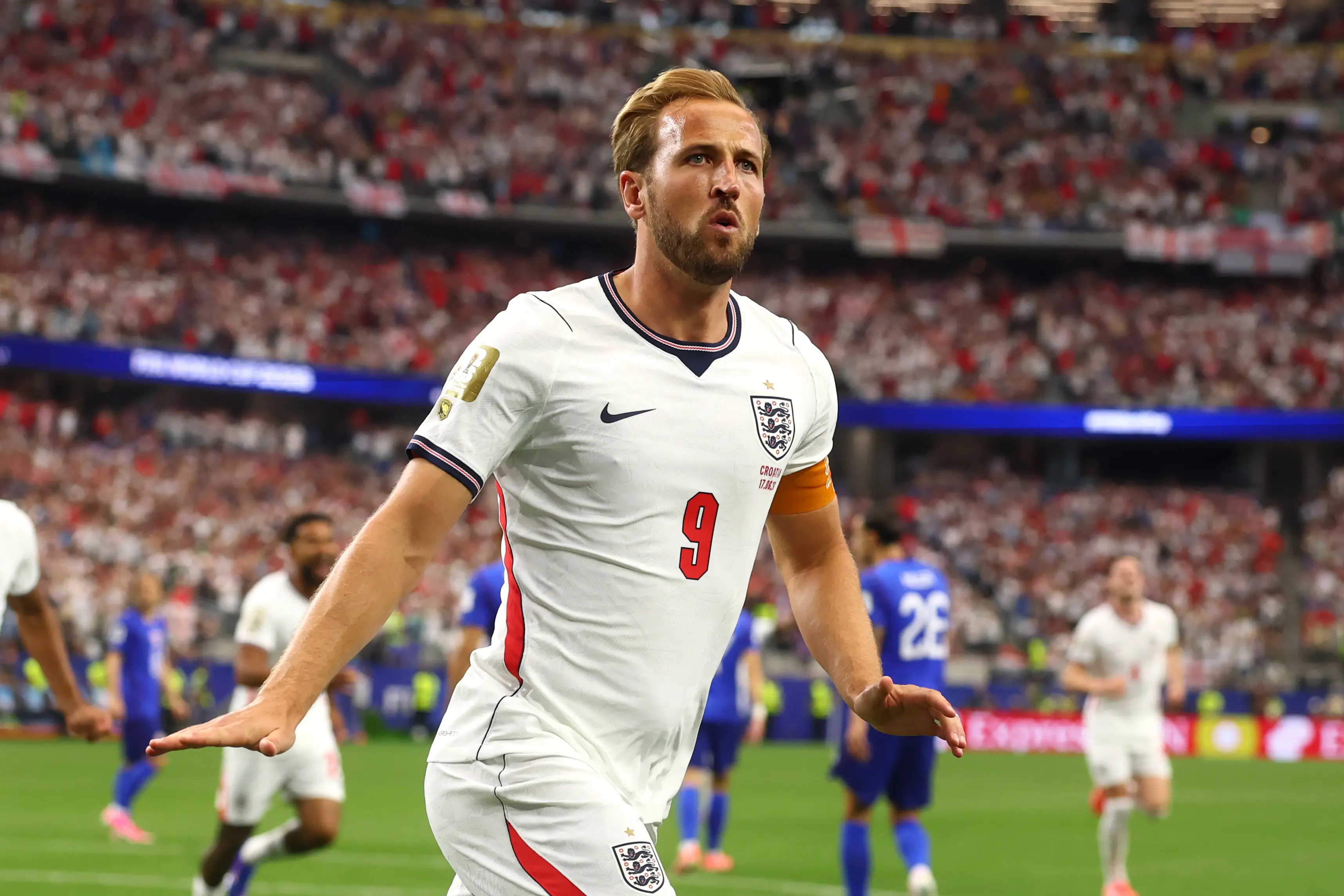
Number of goals: 10
World Cups: Three – 2018 (six goals), 2022 (two goals), 2026 (two goals at time of writing)
Number of matches played: 12
 Kiesha Dosanjh