
Charles Manson's 'mind-control' ability actually came from book owned by 30 million people

There's said to have been a specific book that Charles Manson read that some believe gave the convicted criminal, who died in 2017, his ability to control people's minds.
Manson was the leader of a cult he called 'The Family'. He managed to convince people to carry out nine murders, one of which included the death of pregnant actress Sharon Tate.
A new Netflix series, called Conversations with a Killer: The Charles Manson Tapes, sheds new light on Manson and his crimes. The documentary's synopsis reads: "Previously unreleased prison calls, firsthand accounts and archival footage shed chilling insight into the mind of cold-blooded criminal Charles Manson."
Manson was known for being charismatic, so much so he was able to get around 100 people to join his cult.
Advert
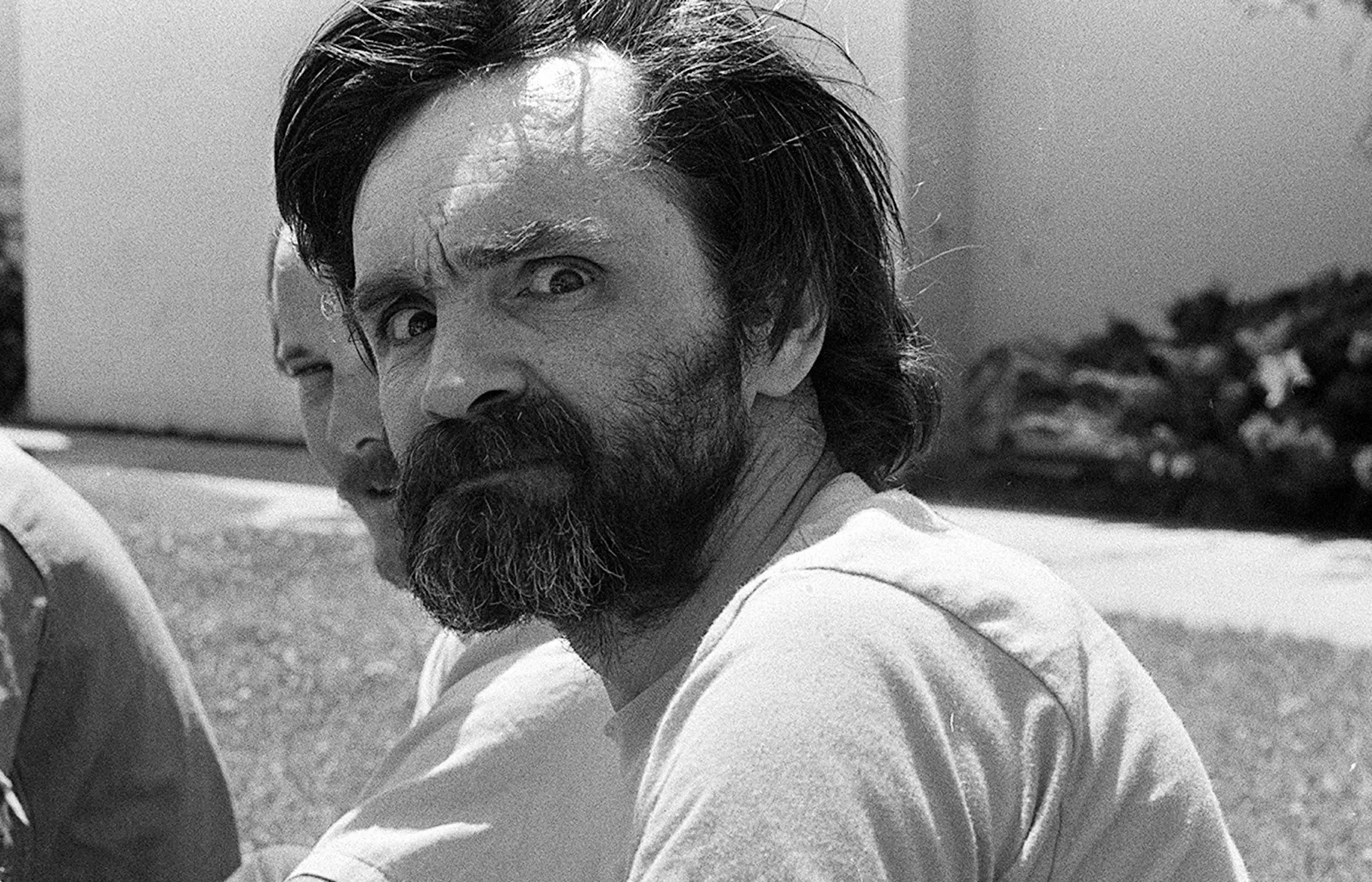
And his manipulation didn't stop when he was eventually sent to prison in 1971. While behind bars he remained in contact with his followers and is said to have manipulated prison staff and fellow inmates too.
He had people smuggle things into his sell and allegedly had over 100 serious infractions during his decades-long imprisonment.
Writer Jeff Guinn – who spent years looking into the criminal – believes Manson developed his leadership skills with the help of one book in particular, that being Dale Carnegie's textbook 'How to Win Friends and Influence People'.
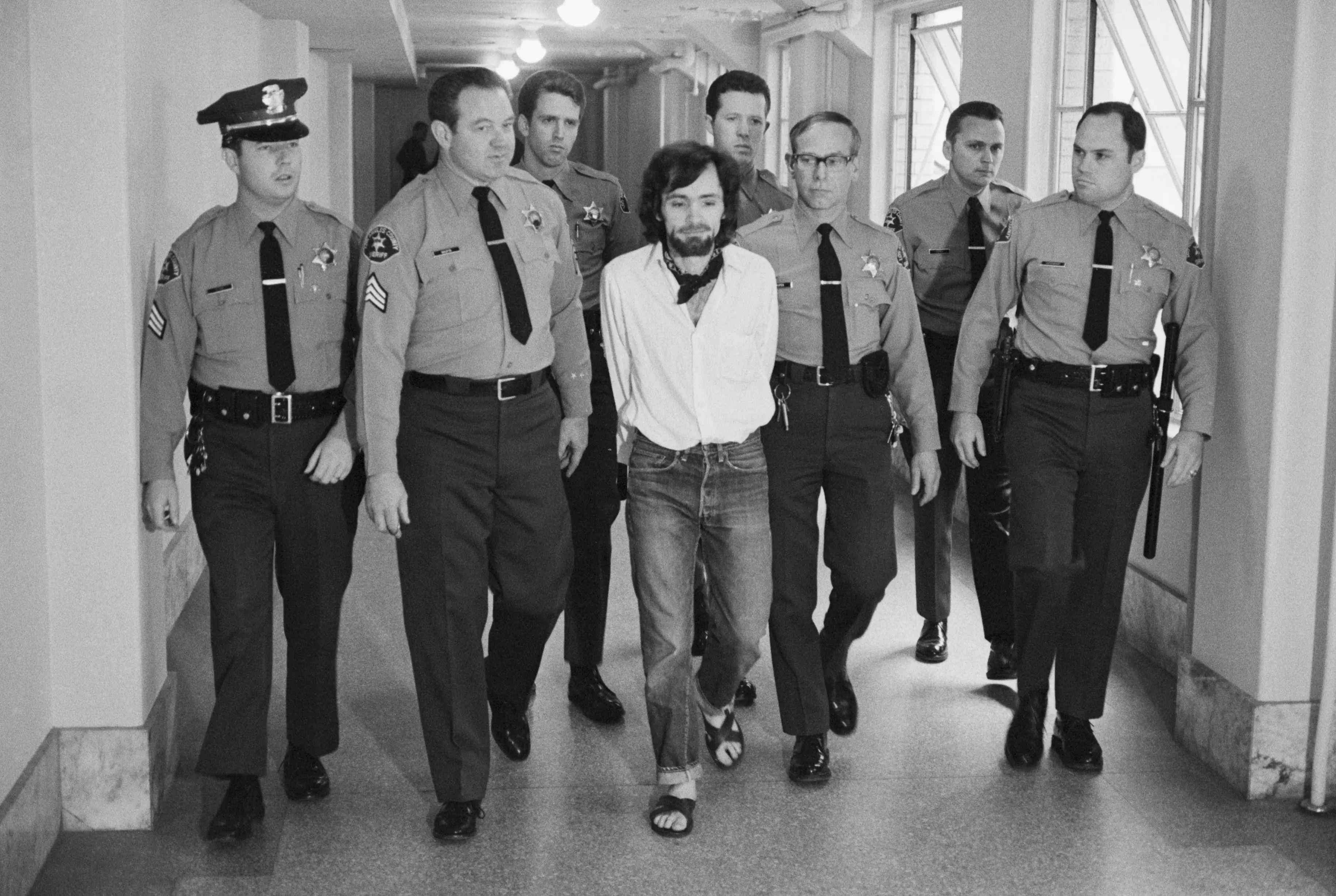
Speaking to NPR in 2013, Guinn shared: "The Dale Carnegie courses [on leadership and self-improvement] are being taught to prisoners to help them adjust to the outside world.
"Later in life and in his trial, in his testimony, you hear people say over and over, 'Oh, it was like he could read my mind. He came and talked to me, and it was like he was immediately the friend I'd wanted and had never had.'
"Every line he used, almost word for word, comes from a Dale Carnegie textbook in a class, 'How to Win Friends and Influence People'."
Guinn also shared that Manson portrayed worrying traits from as young as six years old.
"It was amazing how the patterns of his later life were evident right away. Six years old first grade he's talking the girls in his class into beating up boys he doesn't like," he said.
"Then when the principal comes to ask Charlie, 'Why did you do that?' Charlie's response is, 'It wasn't me; they were doing what they wanted. You can't blame me for that.'
"The exact same defense he uses all those years later in the Tate-LaBianca trial."
Topics: True crime, Psychology, Books
 Niamh Shackleton