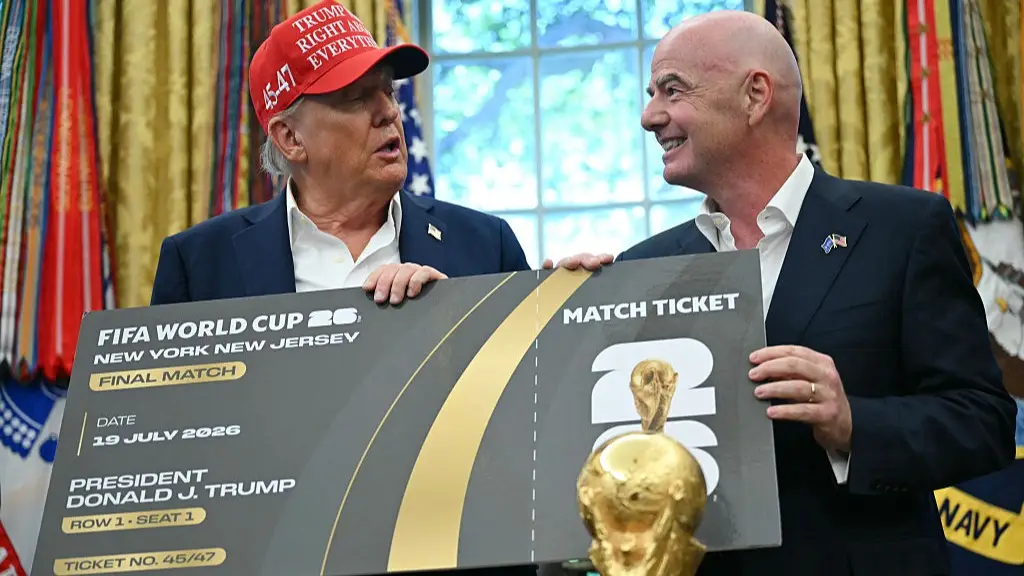
World Cup ticket prices explained as FIFA investigated over costs

The opening week of the 2026 World Cup delivered exactly the chaos fans were promised, from Scotland's stunning return after 28 years away to the USA thumping Paraguay 4-1 in front of a home crowd at SoFi Stadium.
Group A, B, C and D are already taking shape, and the tournament's first genuine shocks are in the books with Cape Verde drawing with Spain.
But for anyone hoping the football would distract from the price tag, it hasn't worked.
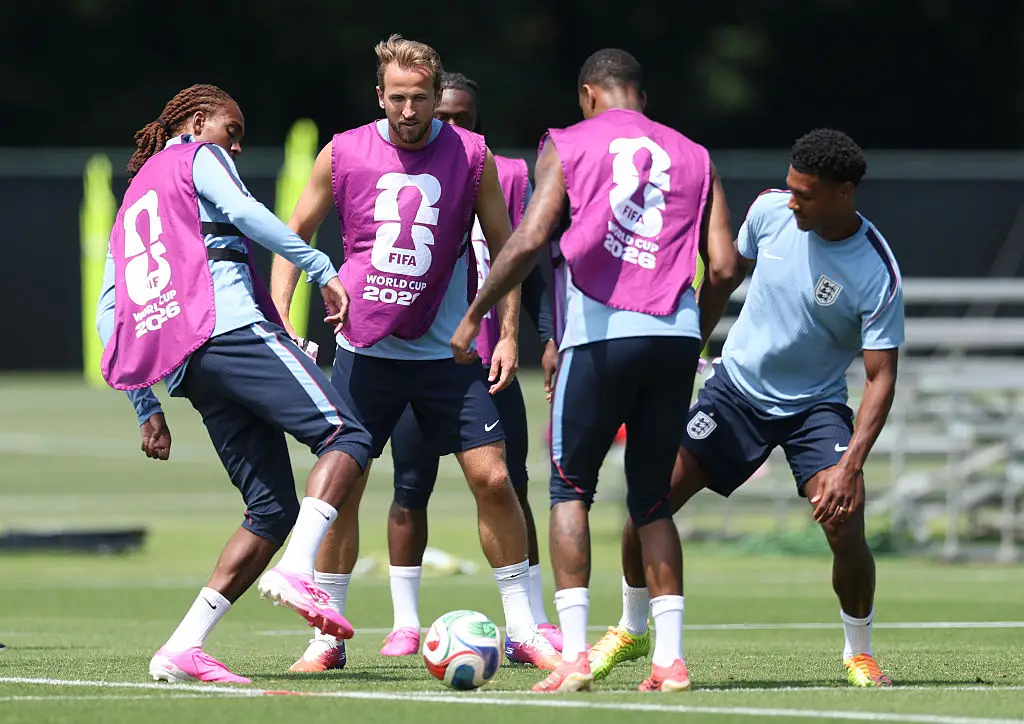
Tonight's fixture, England against Croatia at AT&T Stadium in Arlington, Texas, has reignited the conversation around just how much it now costs to watch a World Cup match in person, with supporters branding the prices “disgusting” days before kickoff.
Advert
How much are tickets to the FIFA 2025 World Cup?
Tickets for the 2026 tournament were always going to be expensive.
It's the first 48-team World Cup in history, spread across 16 cities in the US, Mexico and Canada, with FIFA running a dynamic pricing model for the first time that shifts costs depending on demand, much like an airline or hotel booking site. Official prices start at $60 at the very bottom and climb as high as $7,875 for a top-category seat at the final in New Jersey on July 19.
A 15 percent service fee gets added to every single purchase on top of that, according to the BBC.
According to ESPN, England's official Supporters Travel Club allocation was priced at almost £200 for the cheapest available tier, with the Croatian federation confirming value-tier tickets at $265, standard tickets at $500 and premier tickets at $700 each for its own allocation.
At the time of writing, resale tickets were going for up to $7,551 on resale sites such as LiveFootballTickets.
One supporter told The Football Guide prices were “an absolute rip off” and said they'd rather put the money toward a holiday, while another simply described it as “disgusting in every way imaginable.”
Plenty more questioned how a tournament that markets itself as the people's game can justify charging hundreds, sometimes thousands, of dollars for a single ticket.
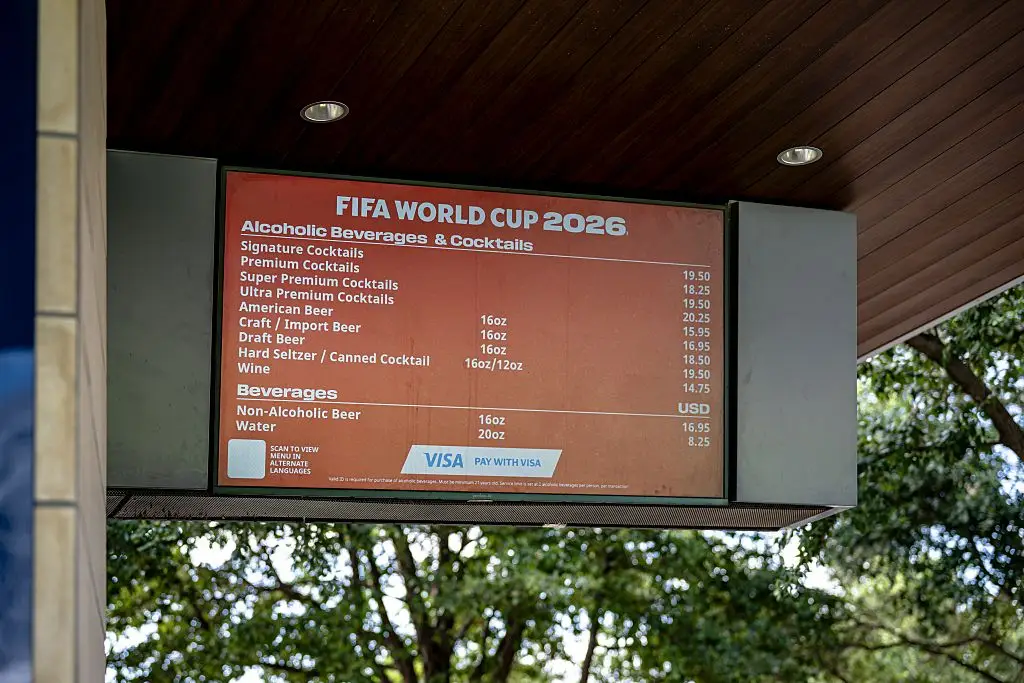
Fans have also pointed to the wider cost of actually attending matches in the US, citing $20 beers, $9 bottles of water, and pricey shuttle and parking fees around the stadiums on top of the ticket itself.
What did President Trump say about FIFA World Cup 2026 ticket prices?
Even President Trump hasn't been spared the sticker shock.
Despite his close relationship with FIFA president Gianni Infantino, Trump told the New York Post he wouldn't pay roughly $1,000 for nosebleed seats to watch the USA's own opening game against Paraguay.
The backlash has gone well beyond fans venting online. Football Supporters Europe and consumer group Euroconsumers have filed a formal complaint with the European Commission, accusing FIFA of abusing its monopoly over World Cup ticketing to impose excessive prices and unfair, opaque buying conditions on European fans. The groups point to six specific issues, including the cheapest available final tickets now starting at $4,185, more than seven times the price of the cheapest 2022 final ticket and well above FIFA's own original $1,408 average estimate.

“Football is a universal passion, but FIFA is treating it like a private luxury by exploiting its absolute monopoly over World Cup ticketing,” said Marco Scialdone, Head of Litigation at Euroconsumers.
That's not the only legal headache FIFA is facing. New York Attorney General Letitia James and New Jersey Attorney General Jennifer Davenport launched a joint probe into the organisation in May, examining both its pricing and its wider sales process, including how tickets have been allocated to fans.
The final alone tells its own story: FIFA's most expensive ticket category initially sold for $6,730, already well above the roughly $1,600 ceiling for the most expensive seats at Qatar 2022, before climbing to $10,990 during the most recent sales window.
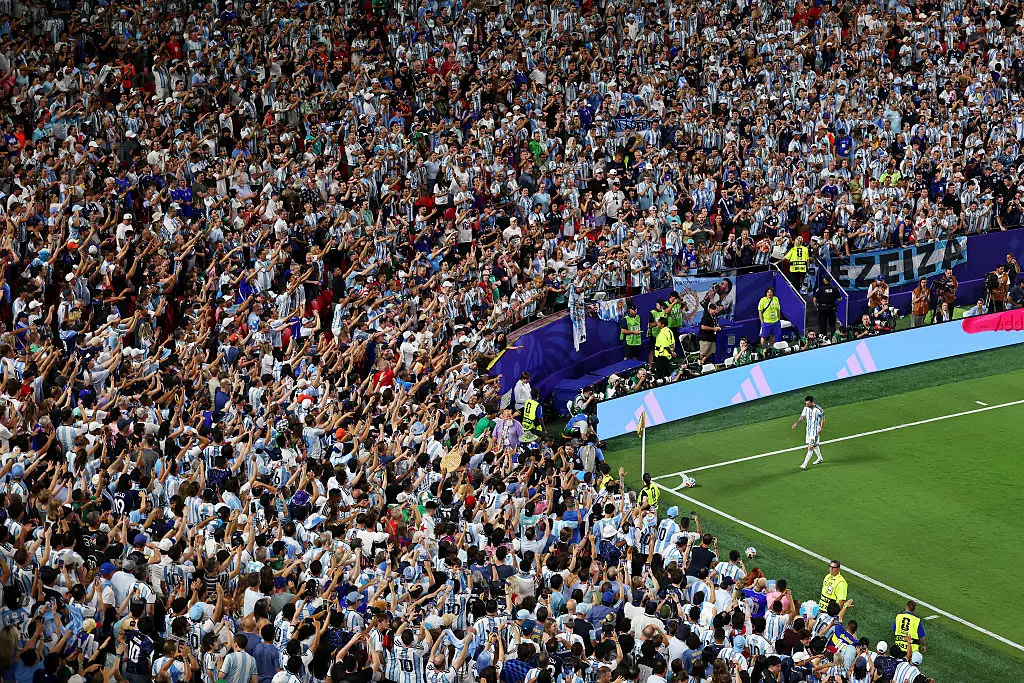
A separate "Front Category" tier introduced in April, offering front row seats around the stadium, pushed prices even higher, with a front row seat for the final reportedly costing more than $30,000.
What else could you buy for the price of a front row final seat?
To put that $30,000 price tag into perspective, the same amount of money could buy roughly 6,000 Big Macs, cover a full year of rent in plenty of US cities, or go toward a sizeable deposit on a home. All for a single seat, for one match.
Attorney Derek Howard, who teaches at the University of San Francisco, told NPR that FIFA has kept ticket buyers largely in the dark on pricing and availability. “FIFA has been using what we might call scare tactics to create a demand for a ticket and telling people that they have to pay the high prices because if they don't, they're going to miss out on this once in a lifetime event,” he said.
“The problem behind that is that the consumers have no way of knowing whether or not that's true.”
Davenport was equally blunt in her statement announcing the investigation. “Being honest about ticket sales is not complicated,” she said.
“But FIFA has turned buying a ticket to the World Cup into a gauntlet of confusion, fake scarcity, and impossibly high prices, all at the expense of consumers and hardworking New Jerseyans.”
How can US fans still get tickets for the rest of the tournament?
For US fans looking to grab a seat at a group stage game elsewhere in the tournament, there's still a route in that won't require remortgaging anything.
FIFA's “Last-Minute Sales Phase” has been running since April 1 and continues through to the final, releasing remaining inventory on a first-come, first-served basis as it becomes available.
The advice from those tracking it closely is simple: stay flexible on which match and category you go for, check back often, and have your payment details ready, because the cheaper seats don't last long once they appear.
FIFA have been approached for comment.
 Thomas Bamford