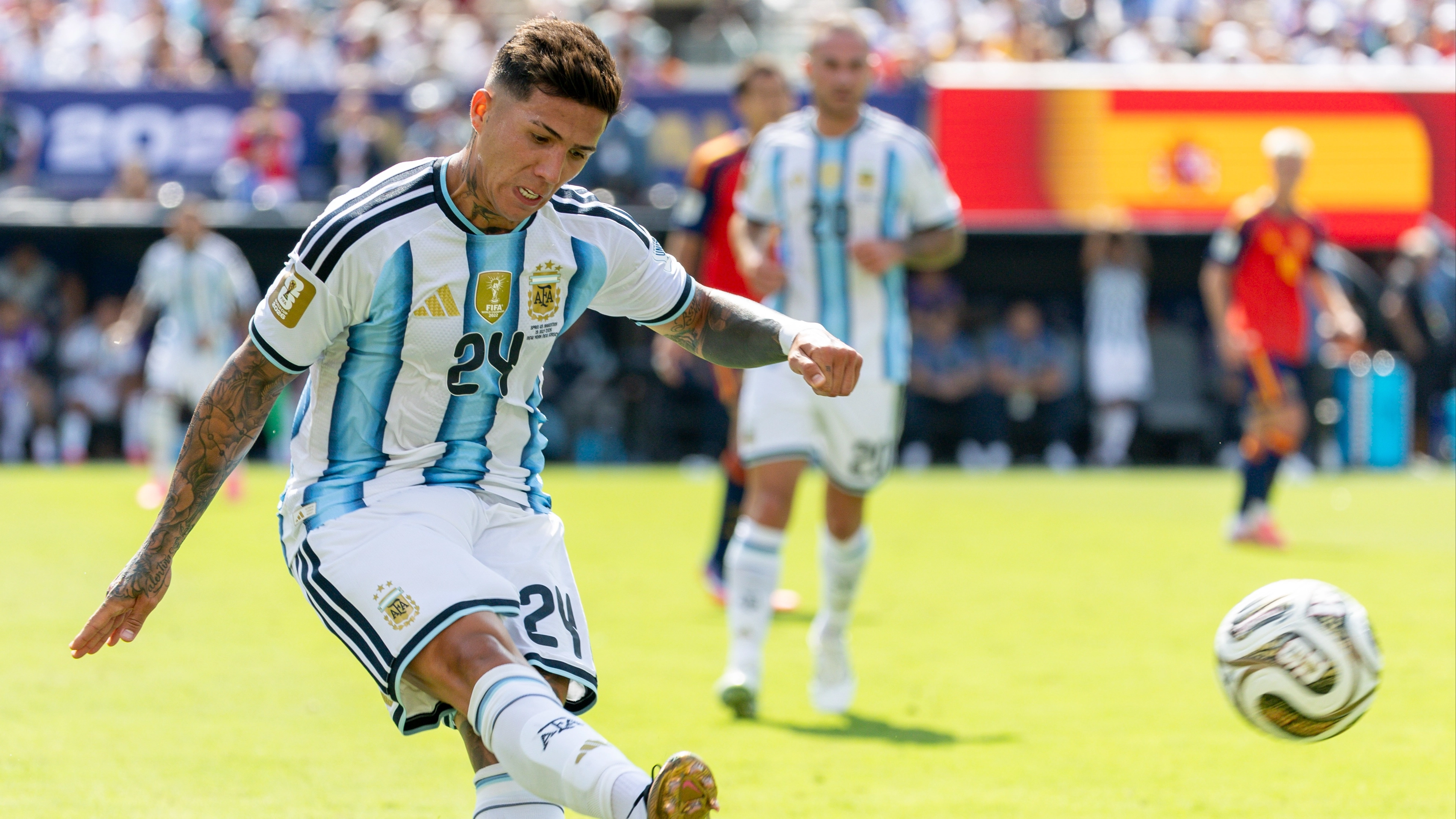
Enzo Fernández shares statement after World Cup defeat as FIFA investigates final brawl

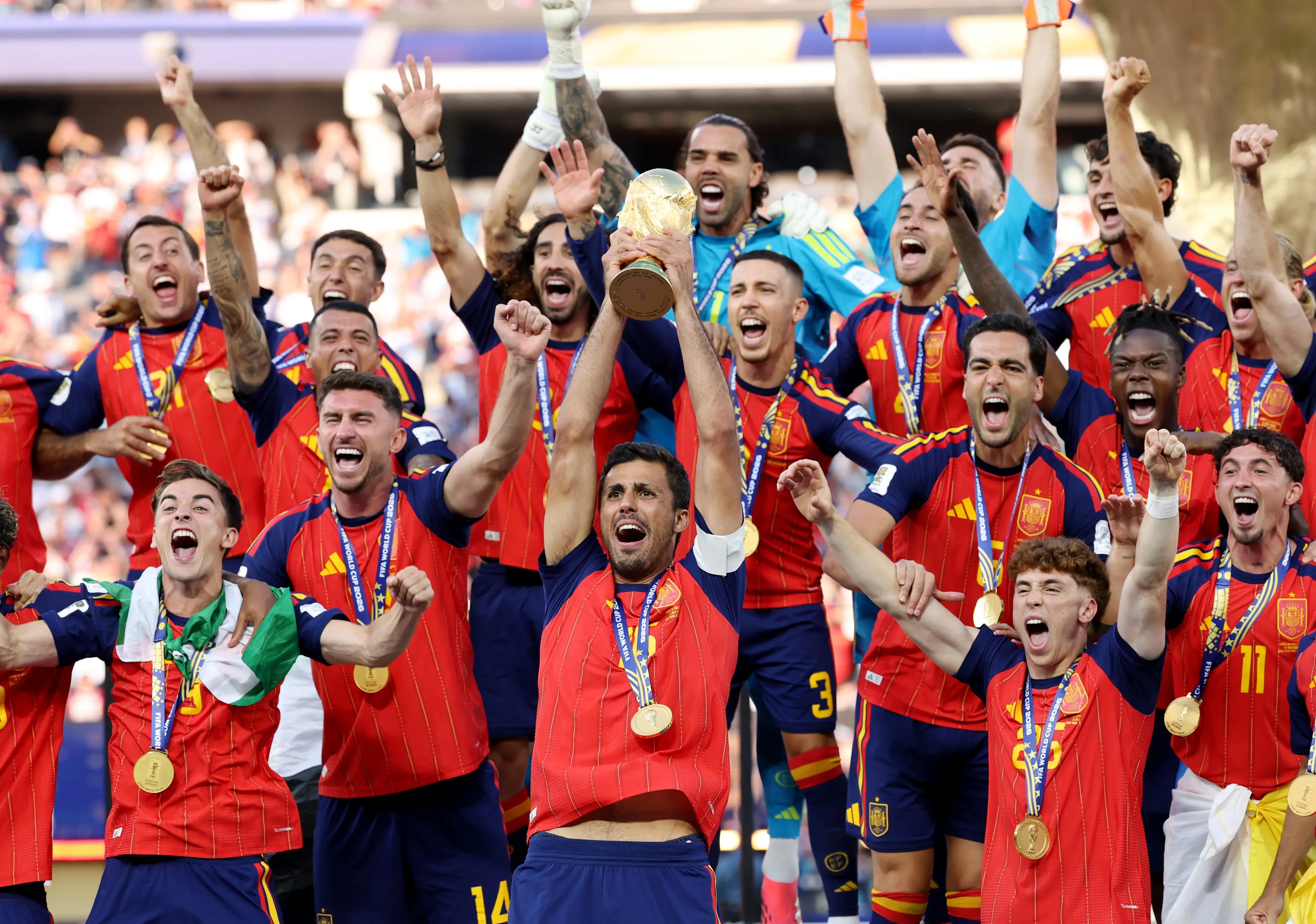
Argentina soccer player Enzo Fernández has spoken out following his side's World Cup defeat to Spain on Sunday (July 19).
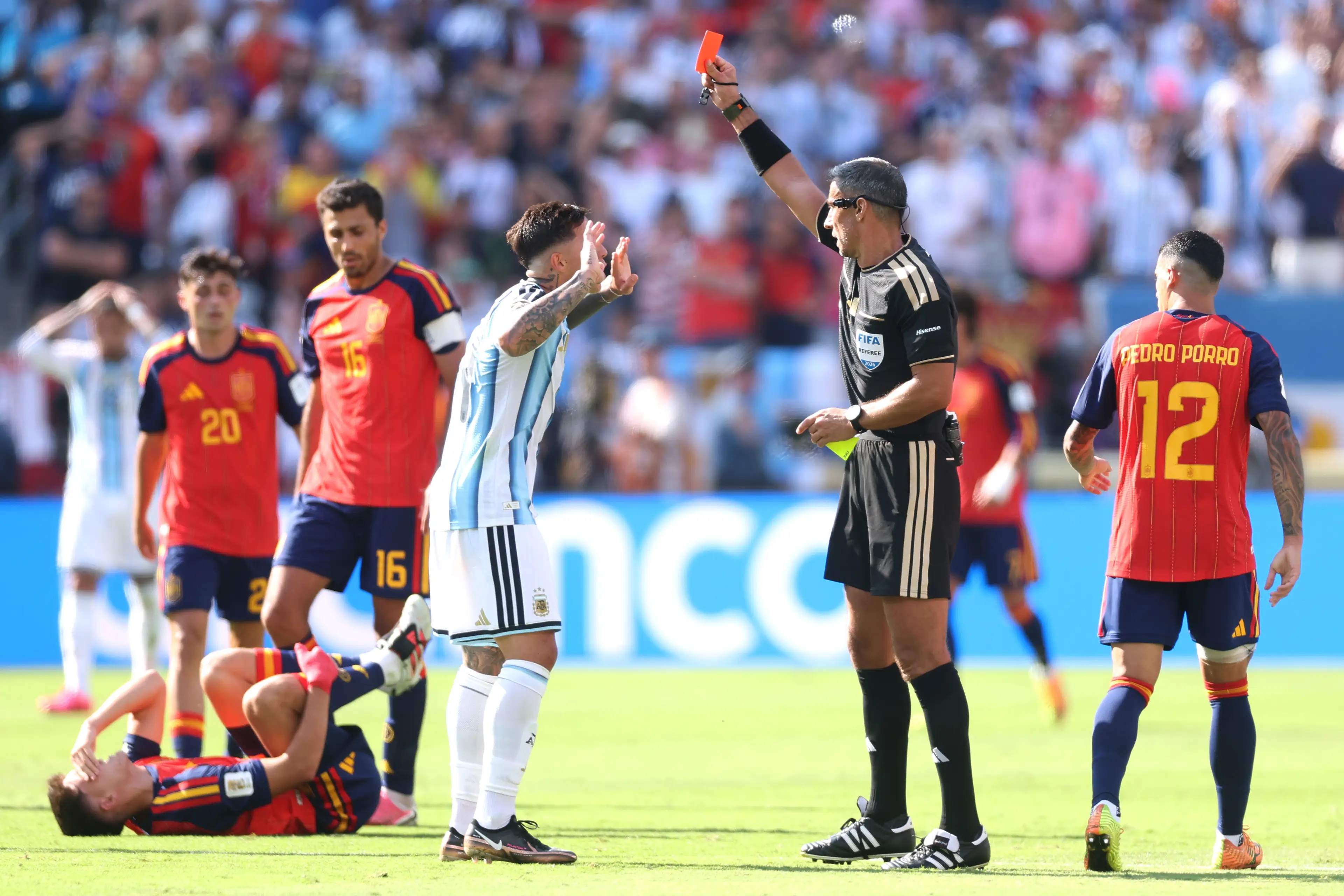
The Chelsea star was sent off in the nail-biting final, which ultimately cost his nation as Spain ended up winning the tie by one goal to nil.
Fernández was shown a second yellow card for a wild challenge on Spain’s Pau Cubarsi, which former England player and pundit Alan Shearer branded as 'stupid'.
Speaking during the BBC's match coverage, Shearer said: "He might just have cost his team massively, because you know now that Argentina are going to try to take it to penalties.
Advert
"With him already being on a yellow card for something stupid - backchatting to the referee.
"And when you're on a yellow, you cannot, cannot make a challenge like that. That is stupid from him, it really is."
In the aftermath of the World Cup defeat, Fernández took to Instagram to issue a statement.
"As time goes by, you realise there is something much bigger than just a result," he wrote.
“For years, this group has represented us in the best possible way.
"It teaches that competing isn't just about winning; it's about giving your all for the jersey and never giving up. It has been a privilege to be part of a group that always stepped up, competed at the highest level, and defended these colours with pride, humility, and commitment."
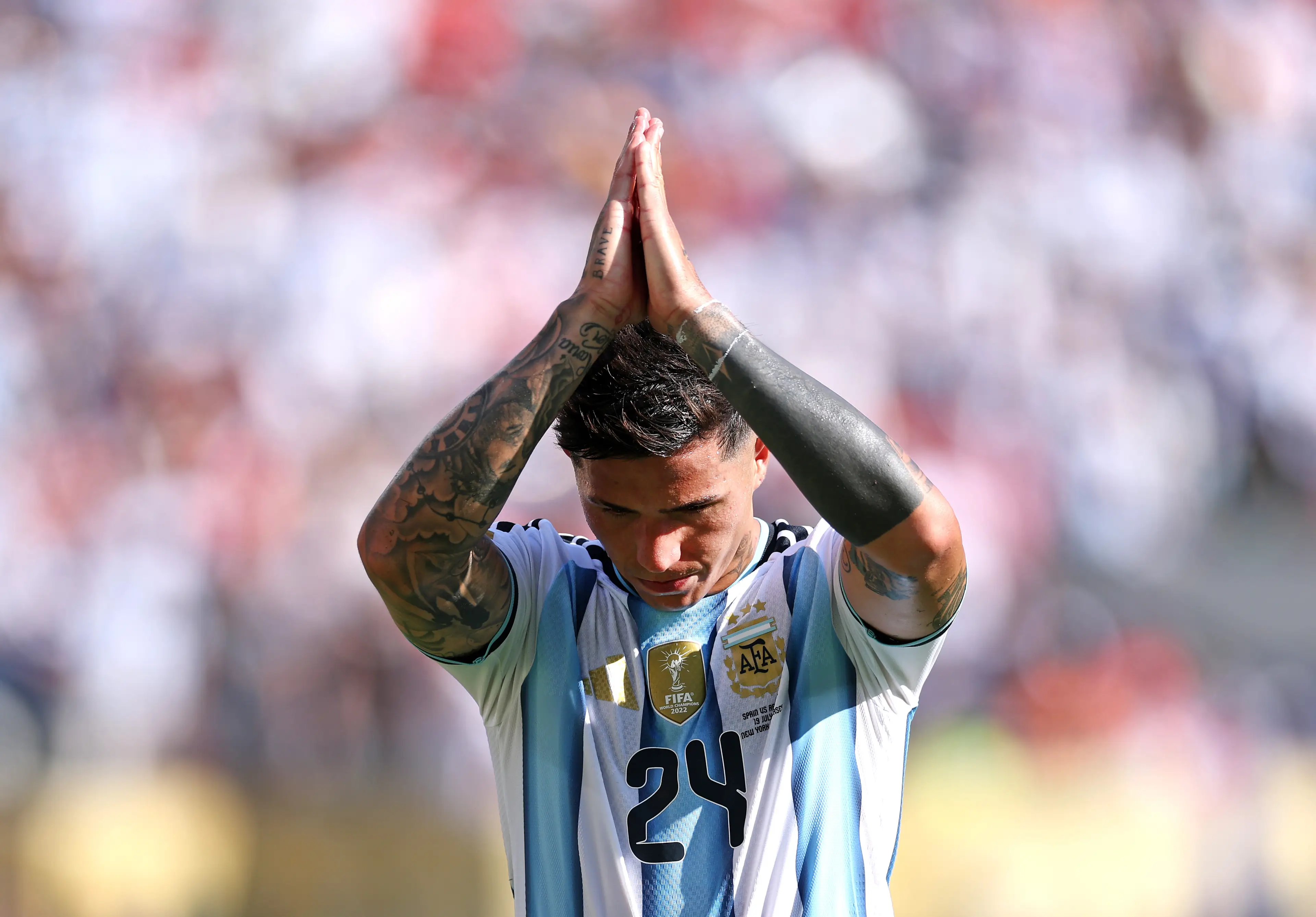
Fernández continued: "I want to thank all the Argentine fans. Thank you for always being there, for supporting us in every match, for the affection, for the unconditional support, and for making us feel at home anywhere in the world.
"Wearing my country's jersey is the greatest honour of my career, and I will continue to give my all every time I get to defend it."
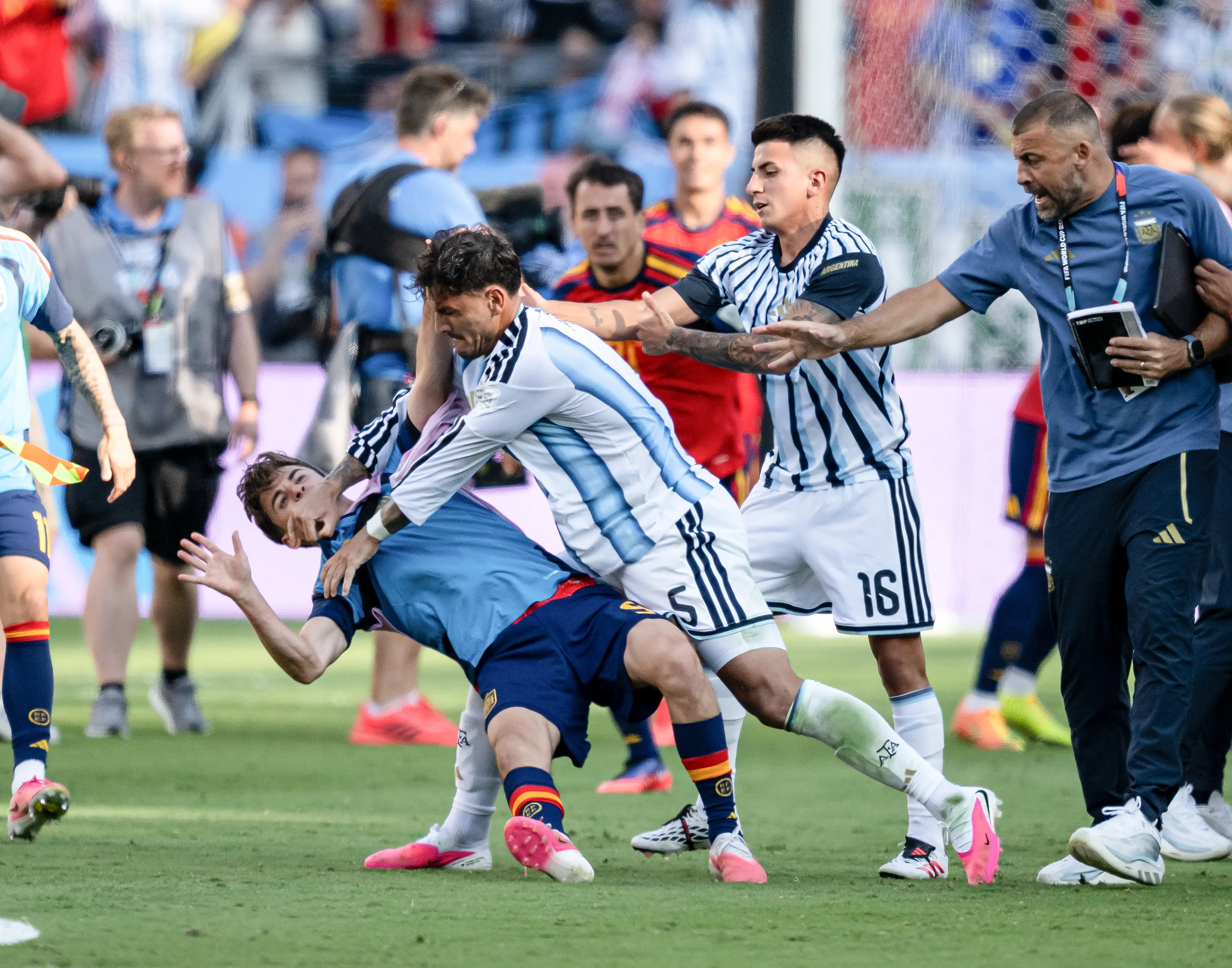
Things turned ugly after the final whistle on Sunday, which saw Argentina's Leandro Paredes allegedly push Spanish defender Eric García in post-match chaos described as 'disgusting'.
"Paredes threw two or three haymakers into someone's face. He went for them," Shearer said on commentary.
Paredes has also spoken out following his team's loss. In a post on Instagram, he penned: "THANK YOU ARGENTINA !!! I LOVE YOU TODAY AND ALWAYS.
"Today it's time to write with a lot of pain in the soul for not having been able to give them that joy that our country so deserves, but with the chest full of pride for giving everything we had and leaving our flag again on the highest!
"Thanks to everyone who was part of this selection, to this group of players who gave their lives to represent this shirt as it did until the last second of each game!
"It was an honour to be part of the best Argentinian national team in history!!"
FIFA has since launched an investigation into the brawl, with a statement from the governing body reading: "Following an assessment of the relevant match reports for the FIFA World Cup final between Spain and Argentina, and in line with article 36 of the FIFA disciplinary code (FDC), the FIFA disciplinary committee has appointed a disciplinary and ethics prosecutor to investigate potential breaches of the FDC with regard to the post-match incidents."
Where is the next World Cup?
Morocco, Portugal and defending champions Spain will co-host the FIFA World Cup in 2030, marking the football tournament’s 100th anniversary.
It’s set to run from June 8 2030 to July 21 2030, making it the longest World Cup in history at 44 days.
FIFA also announced that three separate matches will take place in Argentina, Paraguay and Uruguay, as a tribute to the first-ever World Cup back in 1930.
All six host nations will automatically qualify, which means we'll definitely be seeing Morocco, Portugal, Spain, Argentina, Paraguay and Uruguay in at least the group stages.
In Spain, matches will take place in Barcelona, Bilbao, Las Palmas, Madrid, San Sebastian, Seville, Valencia, Vigo and Zaragoza.
In Portugal, stadiums in Lisbon and Porto have been earmarked, while the games in Morocco will be played in Agadir, Casablanca, Fez, Marrakesh, Rabat and Tangier.
Plus the three special opening centenary games will be played at the Estadio Monumental in Buenos Aires, Argentina; the Estadio Centenario in Montevideo, Uruguay; and the Estadio Osvaldo Dominguez Dibb in Asuncion, Paraguay.
 Callum Jones