Can Trump veto everything? How Congress can override a presidential veto

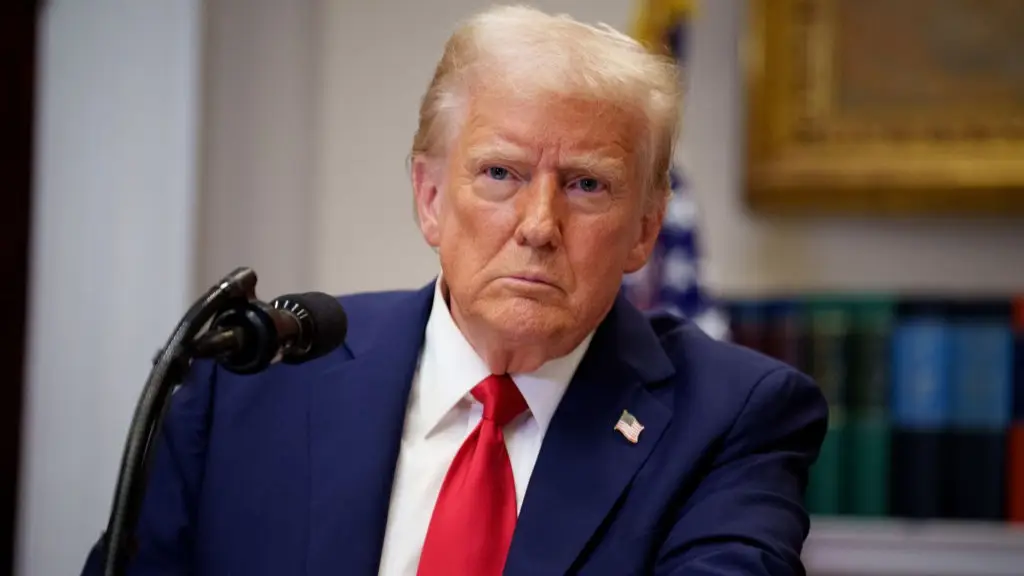
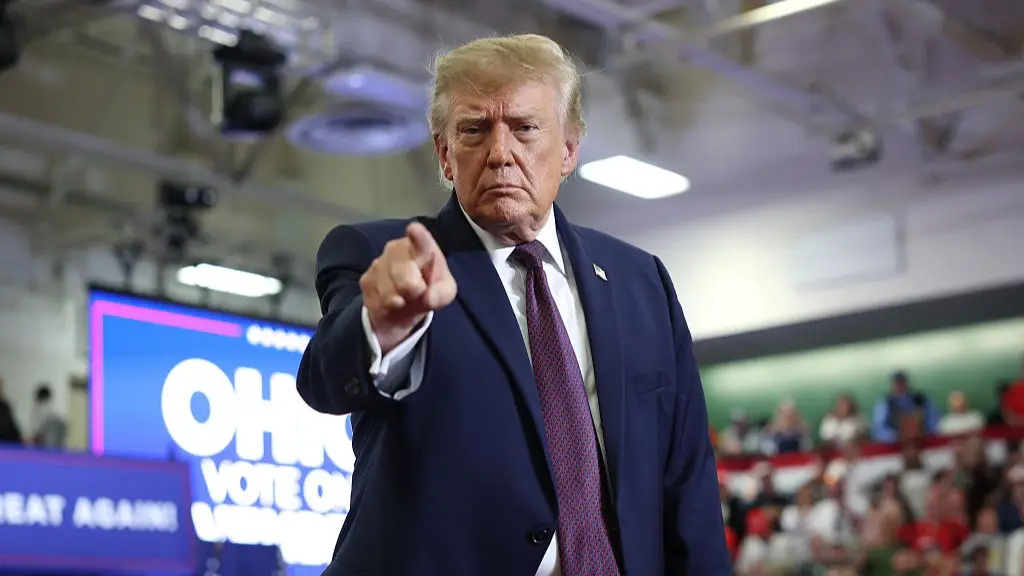
Donald Trump is making it clear that he won't greenlight all of the Democrats' proposals when the new Congress comes into power in 2027.
The Democrats have had a landslide win at the midterms and will have the majority in both the Senate and House of Representatives when the new Congress is sworn in on January 3.
Speaking following the Republicans' loss and now-divided government to Fox News, Trump said: "It's been done before, as you know, numerous times.
"It's the power of veto — it's one of the stronger powers that a president has. They'll send over things that are insane and I'll veto them."
Advert
The president went on: "After a couple of months of vetoes, they'll go out and they'll say, 'How do we get this stuff done?' And we'll work together."
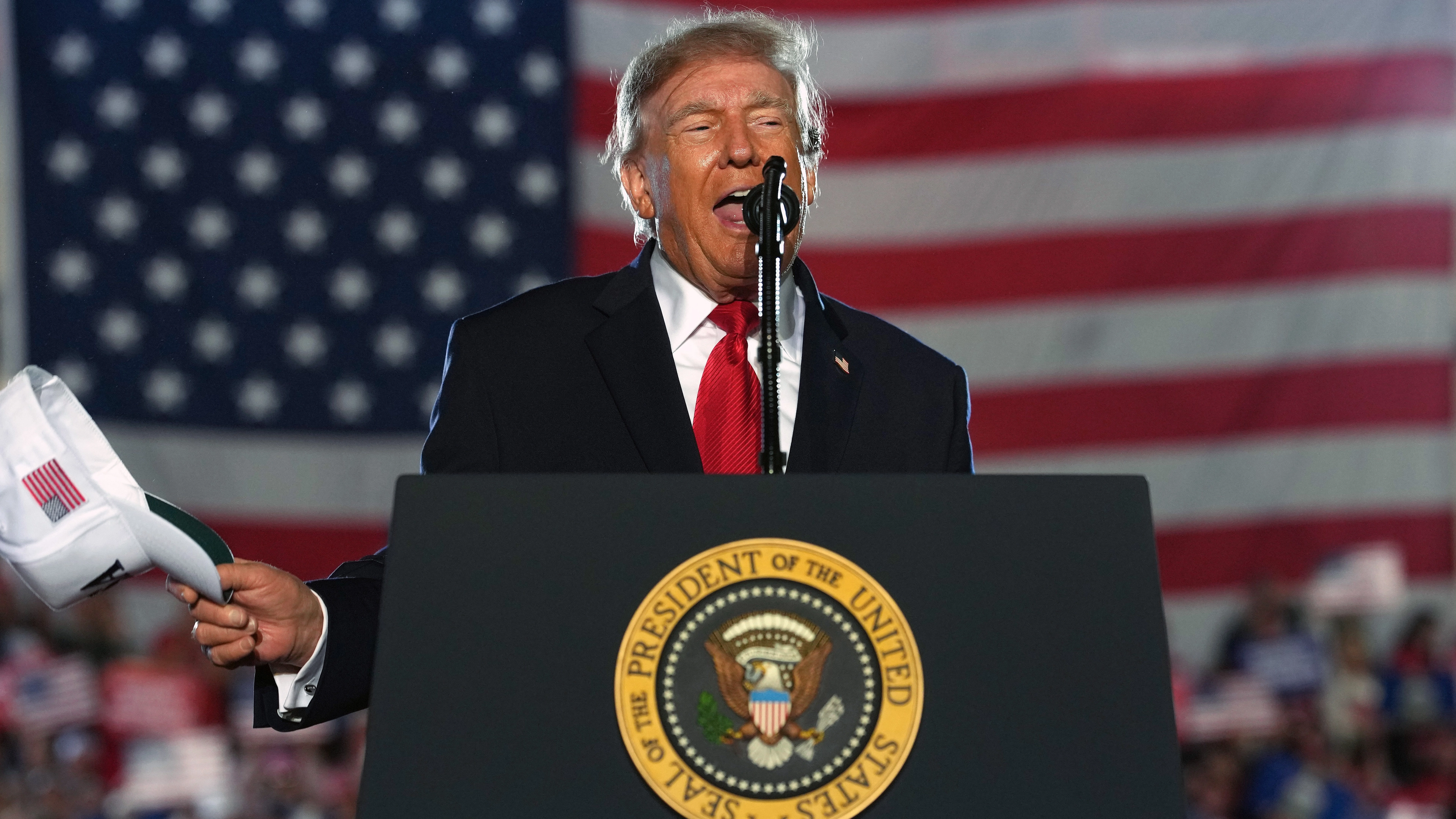
Elsewhere Trump sent an apparent warning to the Democrats about his powers by sharing a picture of a red cap on his Truth Social page with 'VETO' across the front of it.
What is a presidential veto?
Regular veto
In terms of what veto powers the POTUS actually has, he or she largely have the final say about which legislations are passed or changed.
Article I, Section 7 of the Constitution states that the president can veto bills passed by Congress before they become law, Congress.gov explains.
"In order for a bill to become law, the president either signs the bill into law, or the President allows the bill to become law without signature after a 10-day period," it adds. This timeframe does not include Sundays.
In what's known as a regular veto, the president has to officially reject the bill.
Pocket veto
There are pocket vetoes too. This is when the president 'receives a bill but is unable to reject and return the bill to an adjourned Congress within the 10-day period'.
Congress.gov goes on to state: "The bill, though lacking a signature and formal objections, does not become law. Pocket vetoes are not subject to the congressional veto override process."
Can Congress override a veto?
When Congress receives the rejected bill through a regular veto, it is then able to to begin the veto override process, which requires a two-thirds affirmative vote in both chambers in order for the bill to become law.
Congress cannot override a pocket veto, however.
What can the Democrats do without Trump's sign off?
The new Democratic-led Congress will not need Trump's signature on everything. For example, the governing body can launch congressional investigations into Trump's administration, investigate government spending and alleged misconduct, and issue subpoenas for documents and testimony.
Arguably one of its biggest powers is regarding government spending.
Congress can block things like military funding – which could hugely impact some of Trump's decisions in light of the fact he's reportedly spent $47 billion on the war with Iran, as per Reuters.
This is 25 percent higher than the Department of Defense's initial estimate.
Topics: Donald Trump, Politics, US News
 Niamh Shackleton