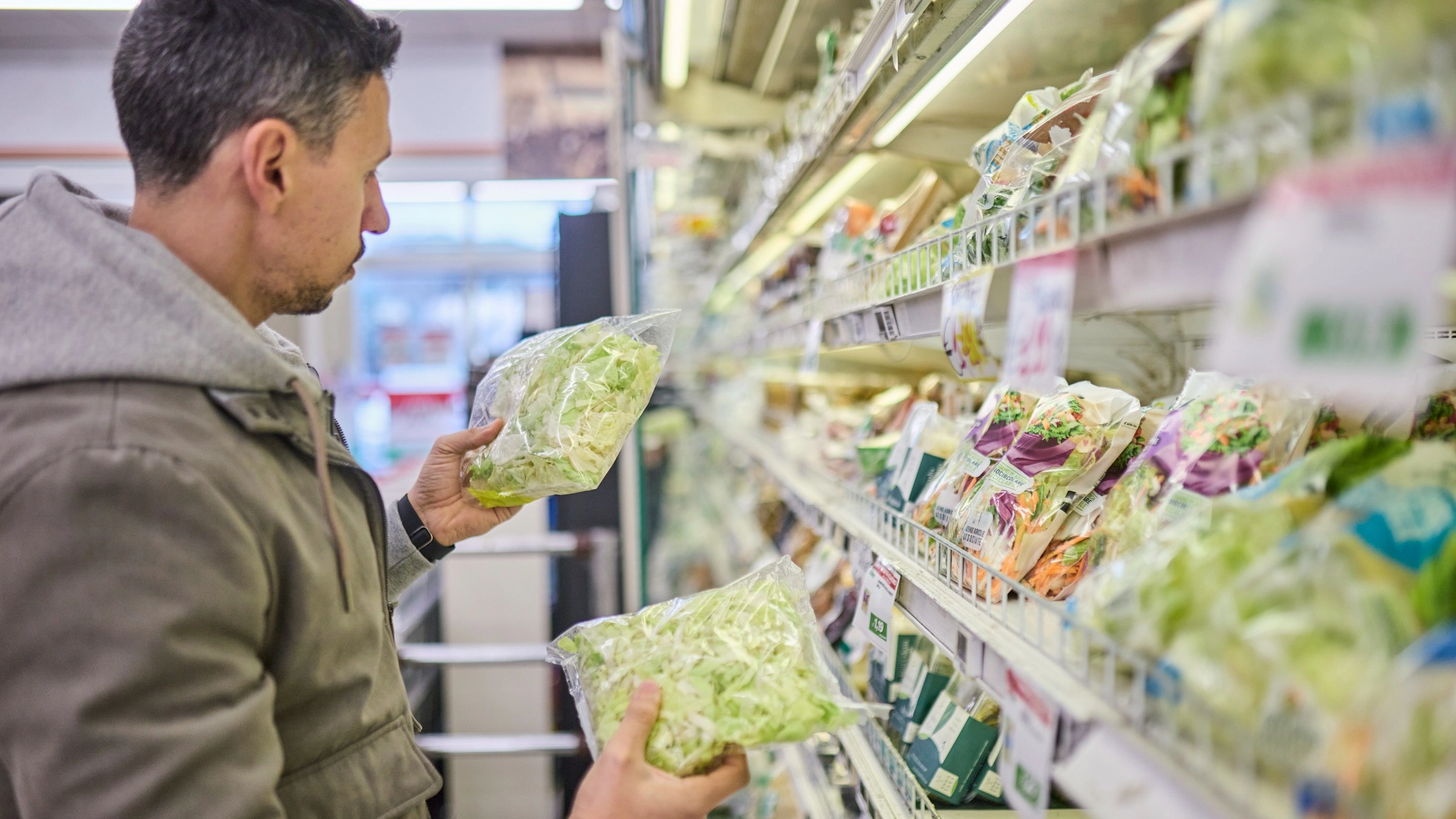
Which lettuce is safe to buy during FDA investigation into new 'explosive diarrhea' outbreak

As the 'explosive diarrhea parasite continues to spread around America, many citizens have been put off lettuce for good, but some say it doesn't have to be this way.
The CDC has recorded more than 4,100 laboratory-confirmed cyclosporiasis cases since May 1. Although the exact source of the outbreak remains unclear, there are a number of foods that officials have advised citizens to be extra careful of, fresh produce, including lettuce, berries and herbs.
Taco Bell has recalled lettuce from some of its restaurants, while Taylor Farms de Mexico, who distribute lettuce to the food outlet, has also issued a voluntary recall of iceberg lettuce. However, the FDA admitted that a Taylor Farms lettuce sample, which they had said contained Cyclospora a false positive.
They're now investigating a separate outbreak of cyclospora, which has been reported by 72 patients. Again, the products have not been identified.
Advert
As of now, the FDA have not told American's to stop eating lettuce - but what do others say?
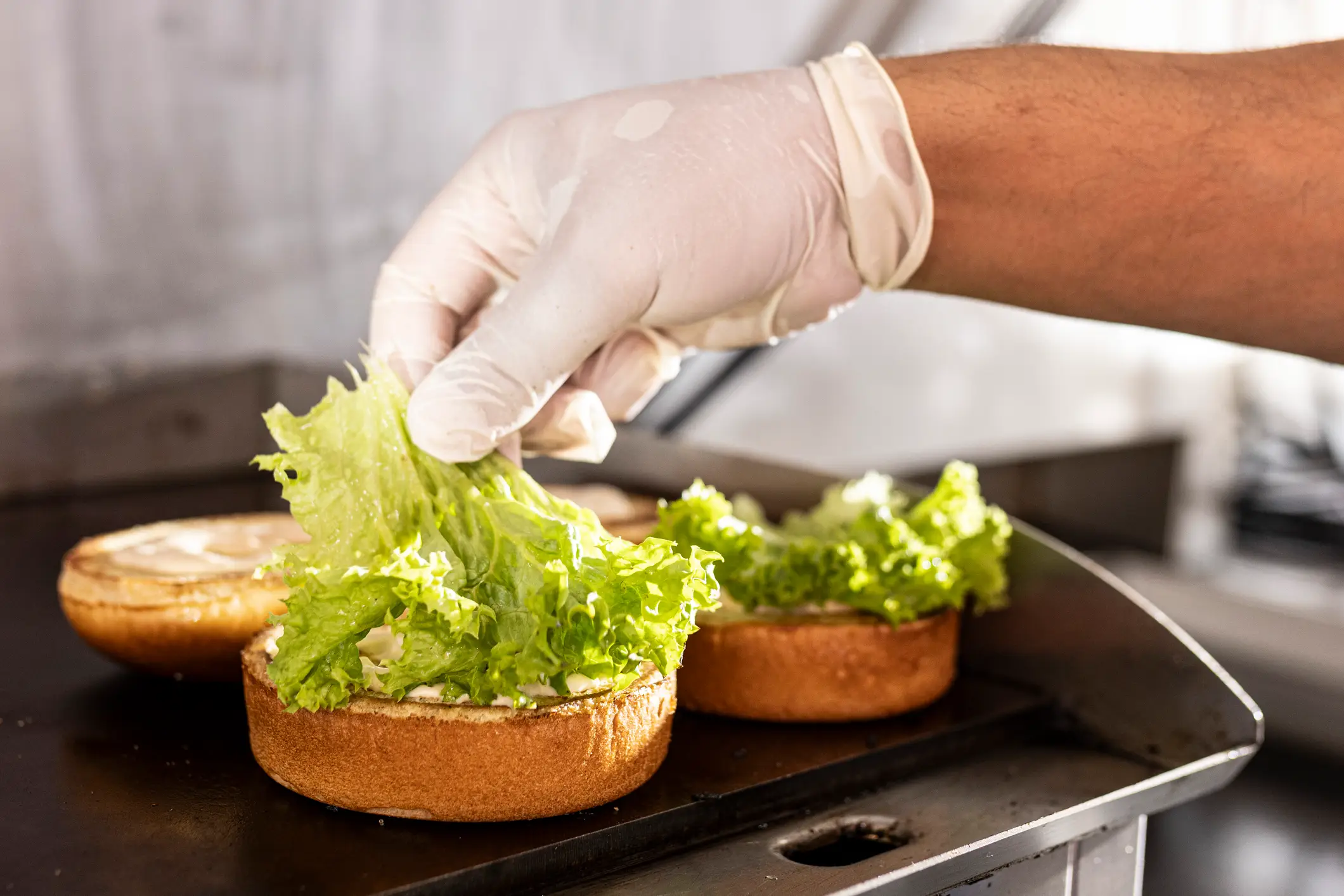
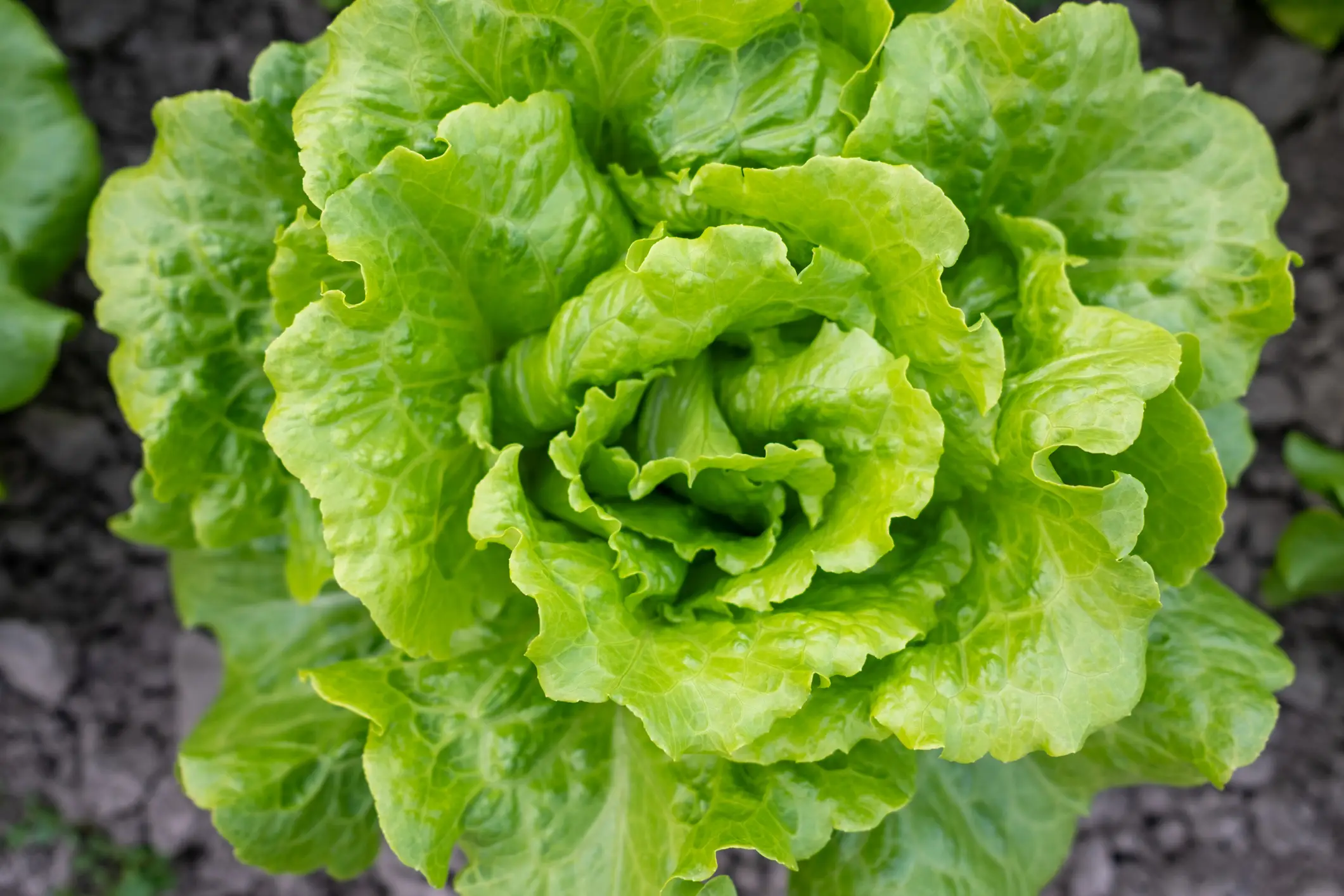
"In my opinion I think it is relatively low risk to purchase head lettuce and remove the outer leaves and then consume the inside leaves," food microbiologist Kniel told Newsweek.
Paul Sellew, the founder and CEO of Little Leaf Farms also told the outlet that 'Little Leaf Farms and other Controlled Environment Agriculture (CEA) brands are the safest choice during an outbreak'.
CEA lettuce is lettuce grown indoors, or in protected structures which include high-tech greenhouses, rather than open fields.
Sellew explains to the outlet that environmental conditions such as 'temperature, humidity, light, carbon dioxide and nutrients are carefully regulated'. Also, they're 'grown without pesticides'.
Cyclospora spreads through through food or water contaminated with feces.
Sellew tells the outlet that water 'is disinfected via UV sterilization prior to entering their greenhouses'.
Many experts are telling citizens that they don't have to 'cut out lettuce altogether'.
Barbara Kowalcyk, director of the Institute of Food Safety and Nutrition Security at George Washington University, told Time that people should 'think about their own level of risk'.
Young children, pregnant women, older people and those with a weakened immune system are more vulnerable.
However, it is down to each individual person on what they feel comfortable doing, and eating at the moment.
Citizens are advised to wash their fruit and veg, although this may not help completely.
What experts have said, is that 'heat kills Cyclospora' so recommend cooking produce thoroughly.
Topics: Health
 Kiesha Dosanjh