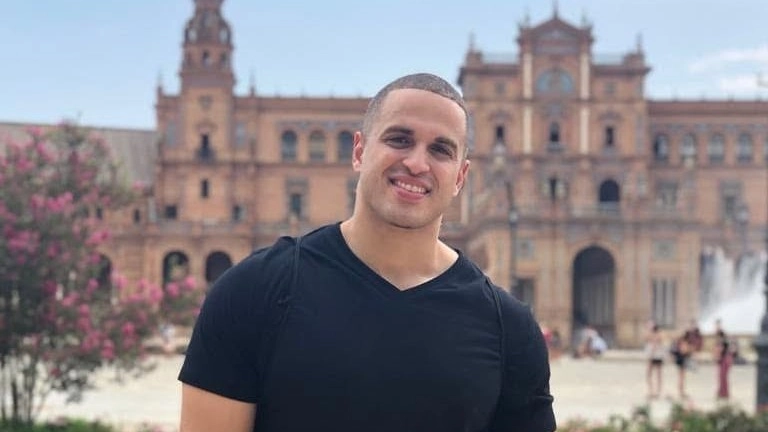
Bodybuilder uncovers secrets of 'leg-lengthening' after bone-breaking surgery left him taller

Victor Egonu was in his early twenties, roughly 5'7", when he was told his back and knee pain stemmed from a childhood leg break that had left one leg shorter than the other.
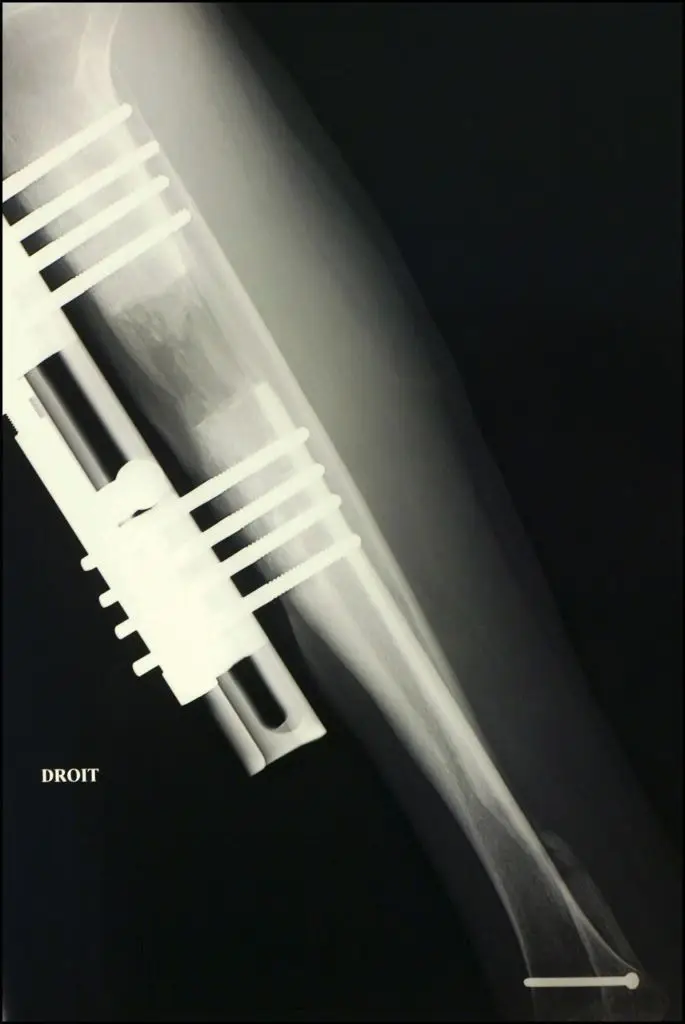
The health fix, he learned, was leg-lengthening surgery, a procedure in which surgeons deliberately break a bone and slowly stretch it to length using an internal device.
Egonu underwent the surgery in Baltimore under surgeon Dr. Janet Conway, and told UNILAD it 'changed his life', allowing him to keep competing in natural bodybuilding and return to running.
He also gained around an inch and a half in height as a result, something he admits he 'was also a little self-conscious about' beforehand.
Advert
What happened after he posted about the experience on Instagram, however, turned into something far bigger than he expected.
Using the hashtag "#leglengthening," Egonu said people 'started reaching out asking about my experience: how much it hurt, what the device was like, whether there was a risk of infection'.
The interest, he said, kept leaning toward one specific angle: height alone, rather than correcting a medical discrepancy. That response eventually grew into Cyborg4Life, the platform and community Egonu now runs, interviewing patients, surgeons and physical therapists about the procedure.

What does leg-lengthening surgery actually involve?
Egonu, who had suffered several traumatic broken legs as a child from accidents including being hit by a car, said choosing to break his legs electively was a different experience entirely.
"You go in perfectly fine, and then you wake up with broken legs and your body goes into shock," he said.
He estimated the pain sits at 'around 6 to 8 out of 10 once the anaesthesia wore off', even with narcotics and opioids, and said roughly 80 to 85 percent of patients notice it just as intensely.
Beyond the pain, Egonu said patients face weeks of limited mobility that can affect sleep, work and daily life, alongside genuine medical risk.
He was especially critical of clinics using older external fixator devices, where metal pins remain outside the leg, which he said 'creates a breeding ground for bacteria and risks bone infection'.
He often describes the sensation to first-time patients in blunt terms: "like hitting your shin on the edge of a glass table, except it doesn't go away; it stays and throbs." Despite this, Egonu described the toll of pursuing the surgery as 'both physical and mental', a distinction that would come to shape much of his work with patients.
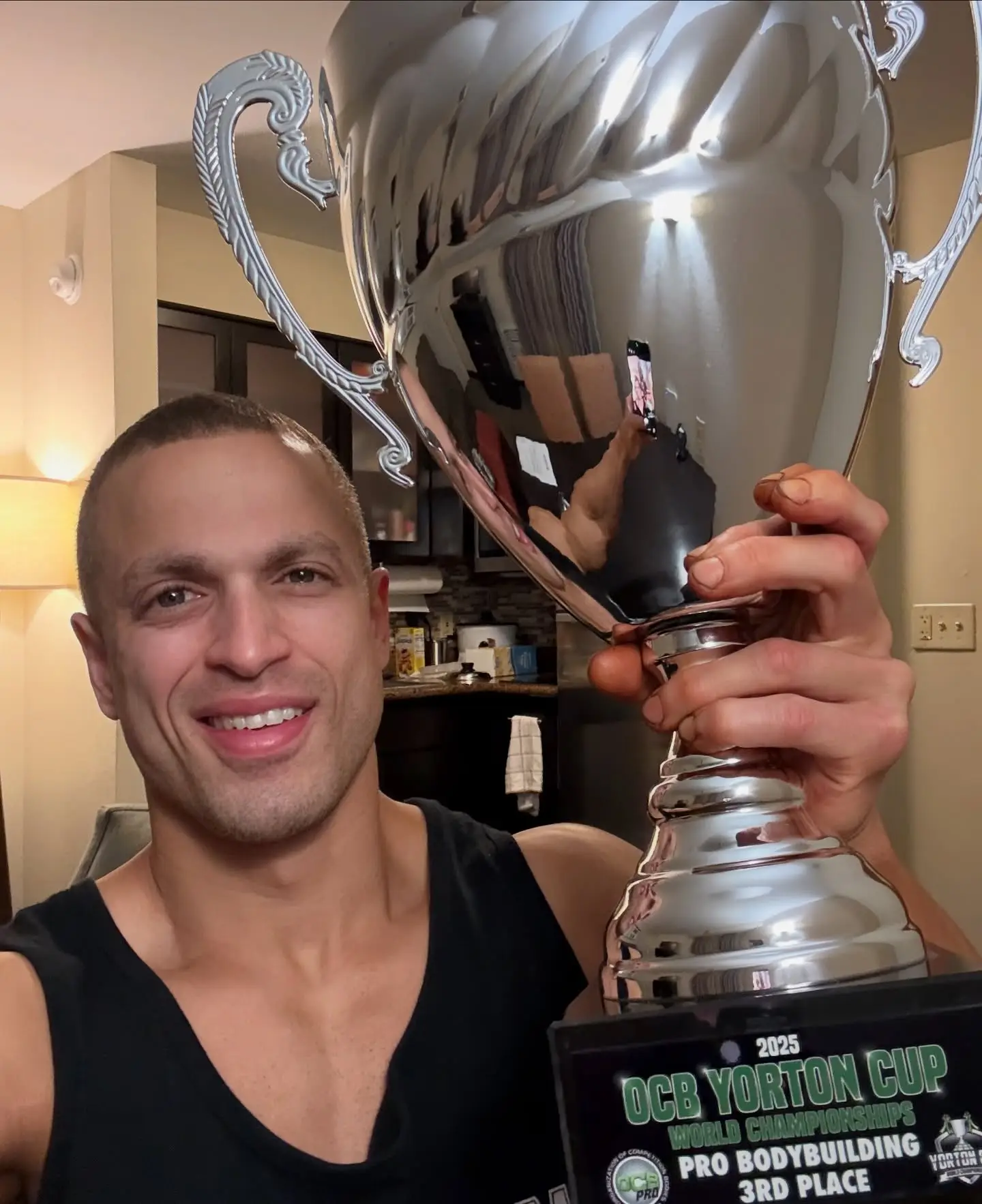
Why do people really want leg-lengthening surgery?
Egonu said he became fascinated by the psychology behind the decision, questioning why someone would 'want to break their legs, pay six figures, and go through six months of limited mobility for a few inches of height'.
For many patients, he found, the driving force was not physical at all. "They think about their height constantly and can't focus on normal life; they feel taller on the inside and want to match that on the outside," he said. "It's moving away from pain and towards relief, and for them, that pull is very strong."
Egonu said he has identified six recurring concerns patients raise before committing to surgery: pain, complications, recovery time, how their proportions will look afterwards, cost, and a handful of others. He estimated that out of every ten consultations he holds, 'there are probably two or three where I'll hear them out but recommend they keep thinking about it', particularly when someone's expectations or budget suggest they are not ready.

How much does leg-lengthening surgery cost, and is it safe abroad?
Cost, Egonu said, is one of the biggest factors pushing patients toward clinics overseas, in countries including Turkey, Russia and Vietnam, where procedures are often cheaper and surgeons may promise greater height gains in a single operation.
"If the US will only offer them, say, 3 inches, but they want 5 inches from a single surgery, and Turkey will give them that for less money, they'll go for it," he said. "That's not a smart decision."
He was direct about the dangers this can carry, pointing to regulatory standards at many international clinics that fall well below those in the US.
"They don't hold themselves to as high a standard and tend to be more focused on the money," he said.
He also said he regularly turns away people asking about procedures he believes surgeons cannot yet perform safely, such as lengthening clavicles or fingers.
"If someone claims they can, be extremely cautious, because you could seriously damage your body," he said.
He pointed to the isolation many patients experience, noting that within his own community, people frequently go through the surgery 'solo', telling no one, including partners or family, and instead using cover stories about skiing accidents or unrelated knee surgery to explain their absence during recovery.
Reflecting on his own recovery, now roughly fourteen years on, Egonu said his legs are 'fantastic', with only minor differences in flexibility and occasional knee irritation from scar tissue near his patellar tendon. Asked what he would tell himself before his own operation in 2012, he offered reassurance rather than doubt.
"It's terrifying at the time, but it turns into something bigger and better than you could have imagined, and it makes your life better," he said.
His message to anyone considering the surgery, whatever their motivation, remains consistent: proceed with a properly regulated surgeon, go in fully informed, and be prepared for the demands of recovery.
"If you're not willing to do that," he said, "then this isn't for you."
 Thomas Bamford