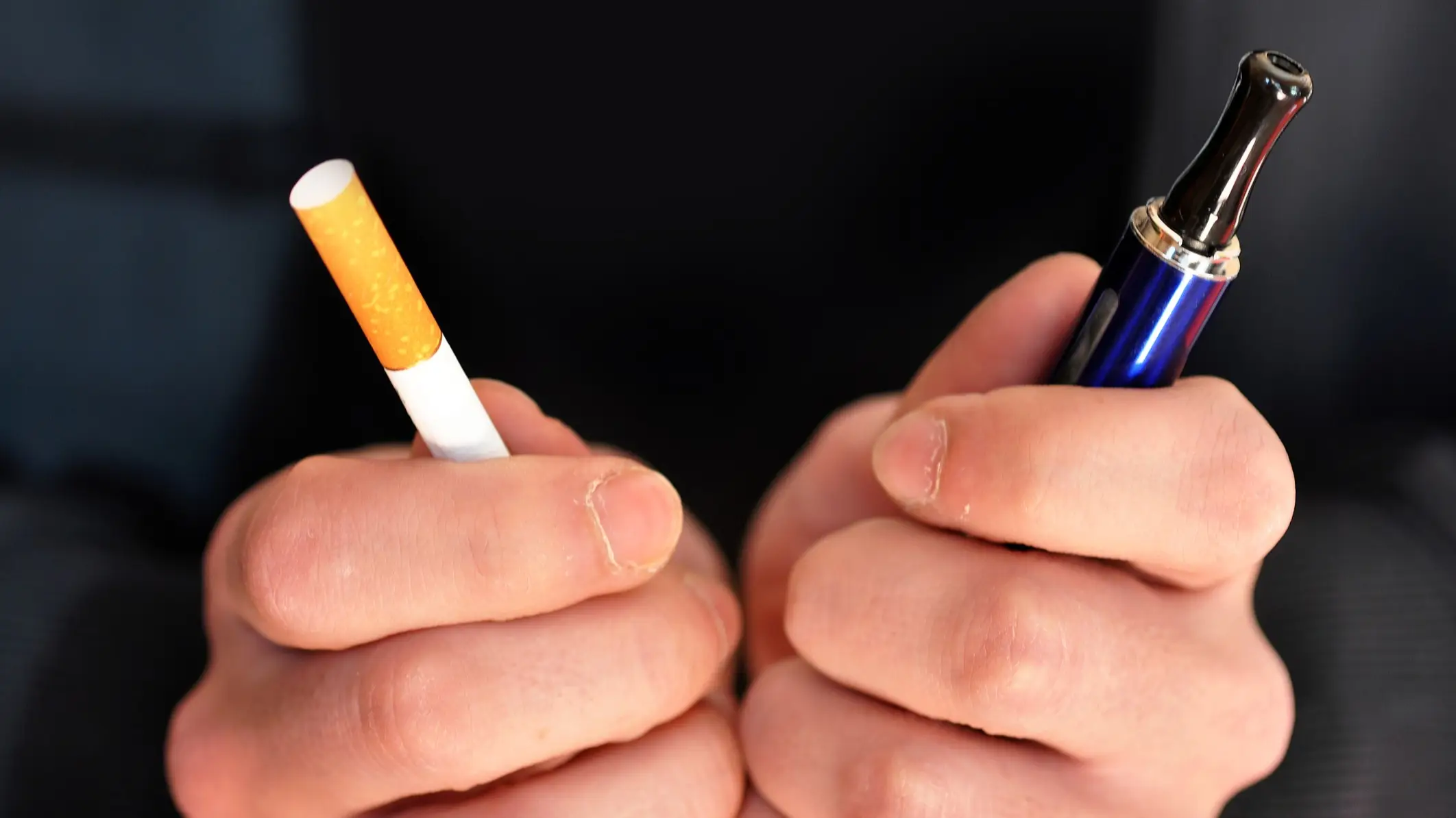
Expert reveals what's really worst for your health: smoking, vaping or nicotine pouches

A doctor has revealed the worst way to consume nicotine, and one form comes out on top by a 'very clear margin'.
Between smoking, vaping, and nicotine pouches, these days there are plenty of ways to get your nicotine fix, with each option coming with its own set of risks.
But with so many choices out there, have you ever wondered which one is actually the worst for you?
Well, speaking with the Metro, Dr Rayyan Zafar has settled things once and for all.
Advert
Despite noting that some options are definitely worse than others, his main advice is as follows: "If you do not use nicotine, do not start."
That aside, the doctor revealed that 'cigarettes, by a very large margin', are the absolute worst way for our overall health and wellbeing.

Dr Zafar explained: "There is no safe level of cigarette smoking. Even smoking relatively few cigarettes can cause disproportionate cardiovascular harm."
According to the CDC, cigarette smoking causes over 480,000 deaths each year in the US and is linked to a range of serious health complications, including lung cancer and cancers of the mouth, throat, larynx, oesophagus, pancreas, bladder and kidney.
And the expert noted that these issues are commonly 'caused by inhaling the toxic chemicals produced when tobacco burns, rather than by nicotine itself'.
How harmful is vaping?
It's safe to say that vaping doesn't come without its risks - with users reporting a whole host of side effects.
And unlike cigarettes, there's so much more that experts are yet to figure out about them.
Dr Zafar said that the vapour may contain fine particles, metals, aldehydes, and chemicals that irritate or inflame the airways, which could cause side effects including a cough, dry mouth, sore throat, headaches, and nausea.
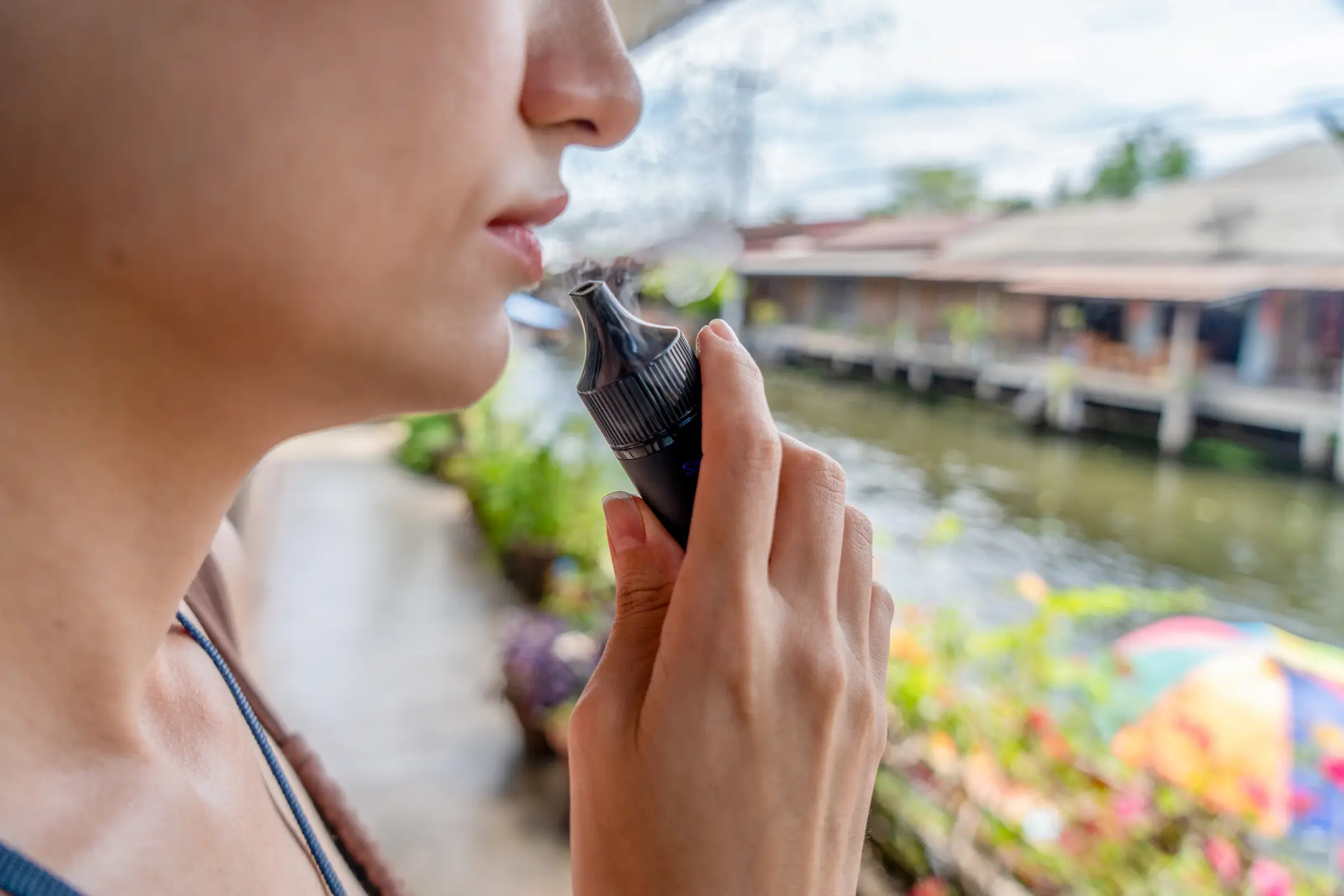
He further noted that without the 'decades of evidence needed to calculate vaping’s precise lifetime risks', it's still too early to detail the extent of the damage vaping can cause.
How about nicotine pouches?
When it comes to the tobacco-free nicotine pouches, the doctor suggests these may be the 'least harmful' form.
However, while studies suggest they’re likely to be significantly less harmful than cigarettes, Dr Zafar points out that these products are still relatively new, meaning we have limited research on the long-term effects of regular use - similar to vapes.
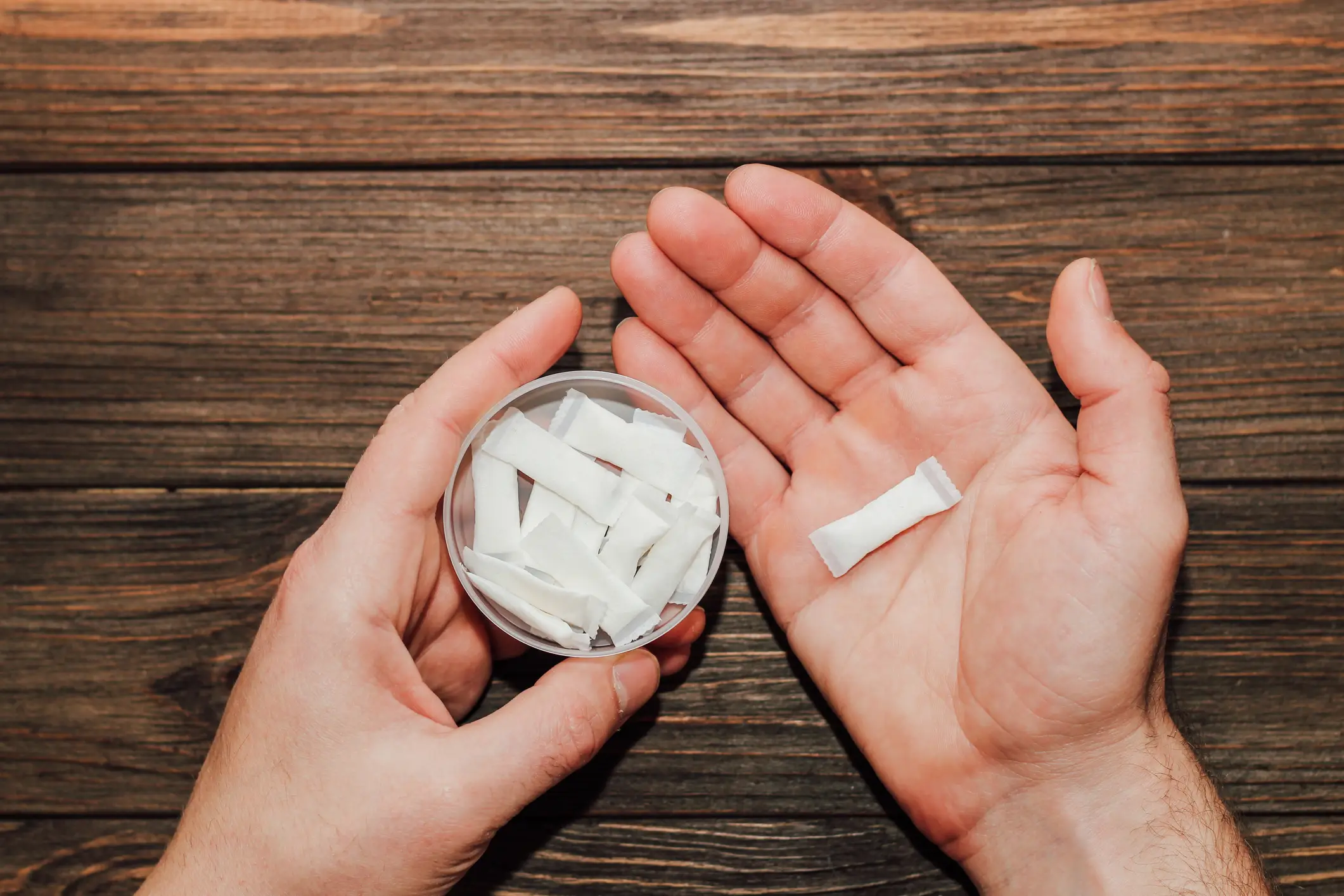
He urged: "Nicotine pouches should not be used by children, pregnant people or adults who do not already use nicotine. I am particularly concerned about marketing which encourages users to start low… this needs to be urgently looked at."
Could it differ by person?
The expert also noted that while there is a clear winner in the debate (cigarettes), it's also important to look at who is using the products.
Dr Zafar explained: "For a smoker who switches completely to a regulated vape or tobacco-free pouch, this is likely to represent a substantial reduction in harm. For a child or an adult who has never smoked, starting to vape or use pouches provides no health benefit and introduces a risk of dependence.
"Dual use is another important issue. Somebody who vapes or uses pouches but continues to smoke may retain much more smoking-related risk than they realize. The greatest health benefit comes from switching completely."
If you need support and advice about quitting smoking, go to the American Lung Association's 'Freedom from Smoking' website where you can access resources and speak to professionals.
 Mia Williams