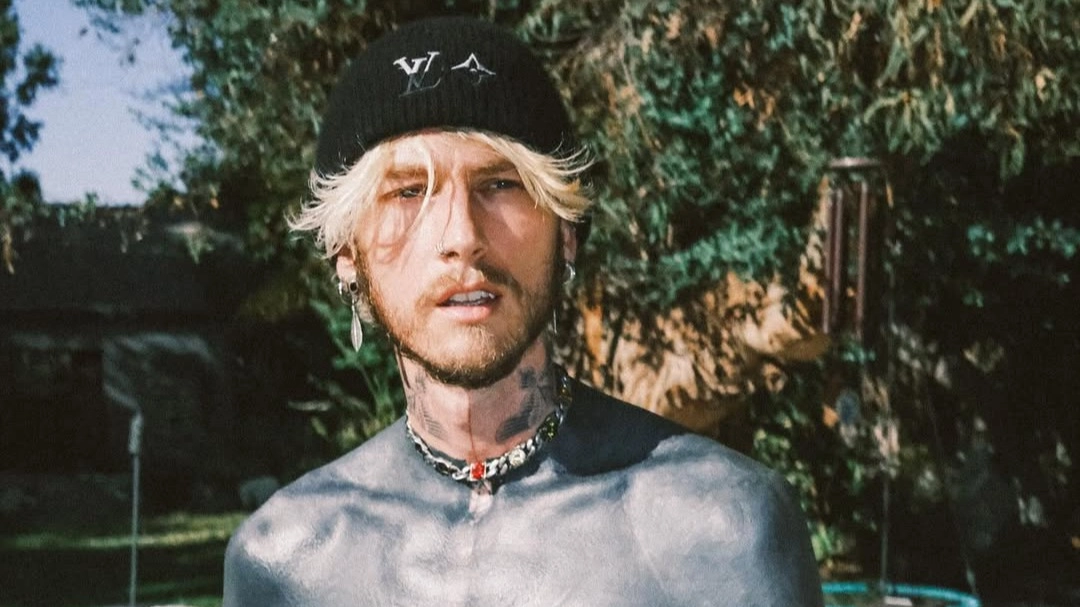
Experts detail major risks of getting inkings as Machine Gun Kelly reveals terrifying side effect of 'dark mode' tattoo

Experts have detailed some of the risks of having inkings following comments made by Machine Gun Kelly about the side effects he suffered from a 'dark mode' inking.
The rapper had a full blackout tattoo that covered up most of his torso in 2024, with celebrity tattooist ROXX telling Kelly that it would take ‘two years’ to complete the body art.
However, MGK was not willing to wait that long and the musician ultimately had the work done in a staggering two months.
Speaking to Billboard Canada about the side effects he endured, Kelly said: "After the first week, we hit my lymph nodes around my armpits and shoulders, and I got really sick. My skin was turning yellow. I wasn’t able to sleep. I stopped being able to move certain parts of my upper body."
Advert
Researchers have said that blackout tattoos can make cancer screening more difficult, with David E. Bank, director at The Center for Dermatology, Cosmetic, and Laser Surgery in New York telling Women's Health: "Since the black ink contains iron oxide, it makes it difficult for MRI scanners to heat up and actually take a reading.

“The area might also swell or feel like it is burning while under an MRI.”
Research into the harm tattoos could potentially cause is uncertain at this time, with their long being speculation on whether the toxins in tattoo ink can cause damage if congregate in the lymph nodes.
The results on that are inconclusive at this time.
University of Lancaster's Professor Adam Taylor told the Daily Mail: "Tattoos cause damage to the skin that takes time to heal.
"As the needles break the skin, this causes the body to automatically mount a response, resulting in swelling. The larger the tattoo, the more fluid accumulates in the area.
"This is why larger tattoos are normally spread over a number of sessions to allow the body to heal and recover in-between."
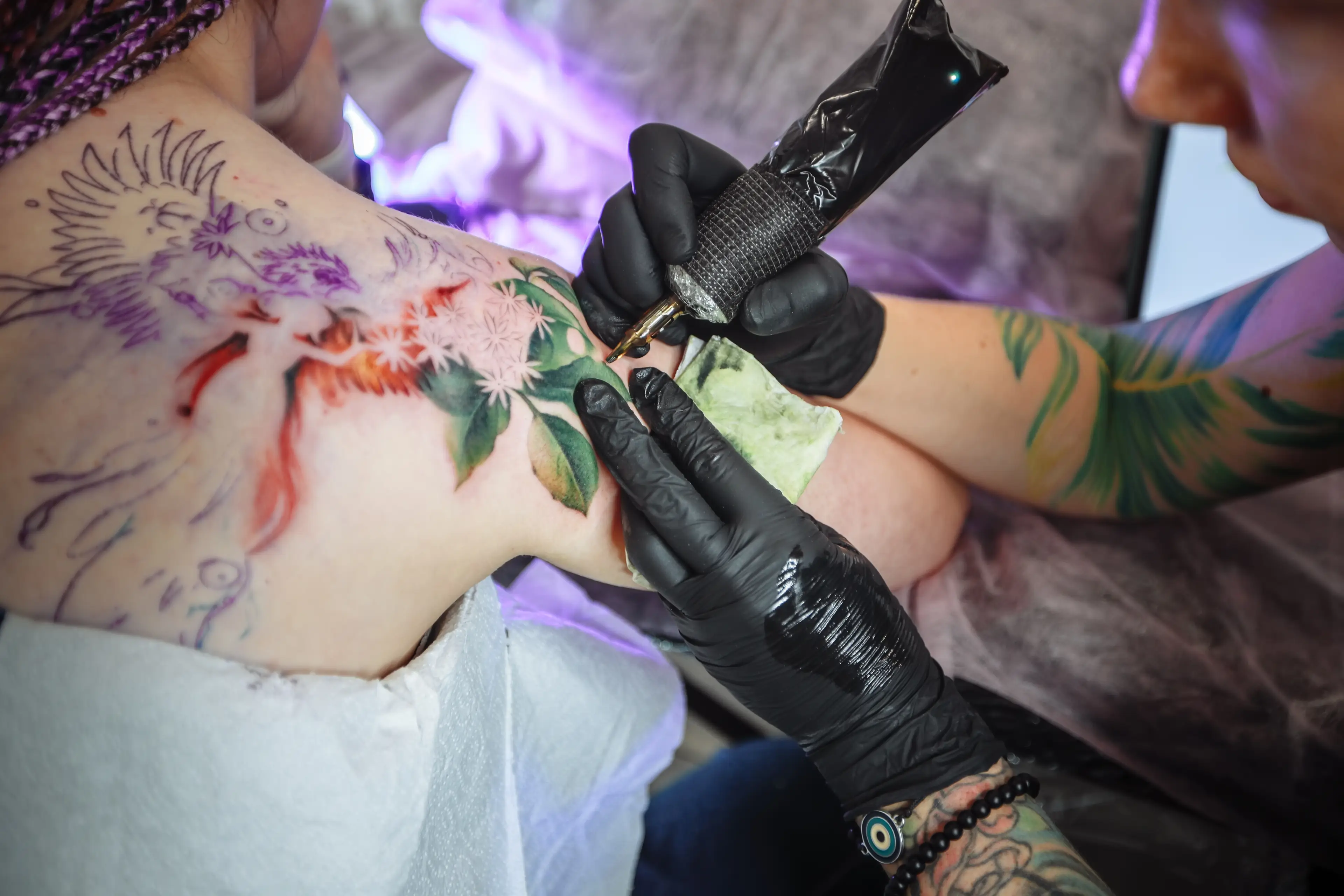
It remains unclear what caused MGK's health woes, though Professor Taylor explained how any procedure that punctures the skin sees the risk of a blood infection increasing.
"Substantial tattoos can also cause significant inflammation in tissues, which can manifest as bruising which can lead to yellowing of the skin," the expert continued.
"Tattoo needles are designed to deposit ink in the dermis which is close to surface, while lymph nodes are typically deeper into tissues than the length of a needle."
One of the most common complications following a tattoo is permanent scaring, while fresh ink can also trigger or worsen skin conditions.
Topics: Machine Gun Kelly, Health
 Callum Jones