
Urgent warning as 'natural lubricant' praised online could actually increase your risk of pregnancy or STIs

It's one of the internet's most popular bedroom hacks - but before you reach for the kitchen cupboard, there are a few things you should probably know.
Coconut oil has built up a loyal following as a natural alternative to commercial lubricants, with countless wellness influencers and online forums swearing by it.
Searches for natural lubricant have surged in recent years, with coconut oil consistently ranking among the most googled options.
But while it does have some genuine advantages, an NHS doctor is urging people to understand the risks before making it part of their sex lives.
Advert
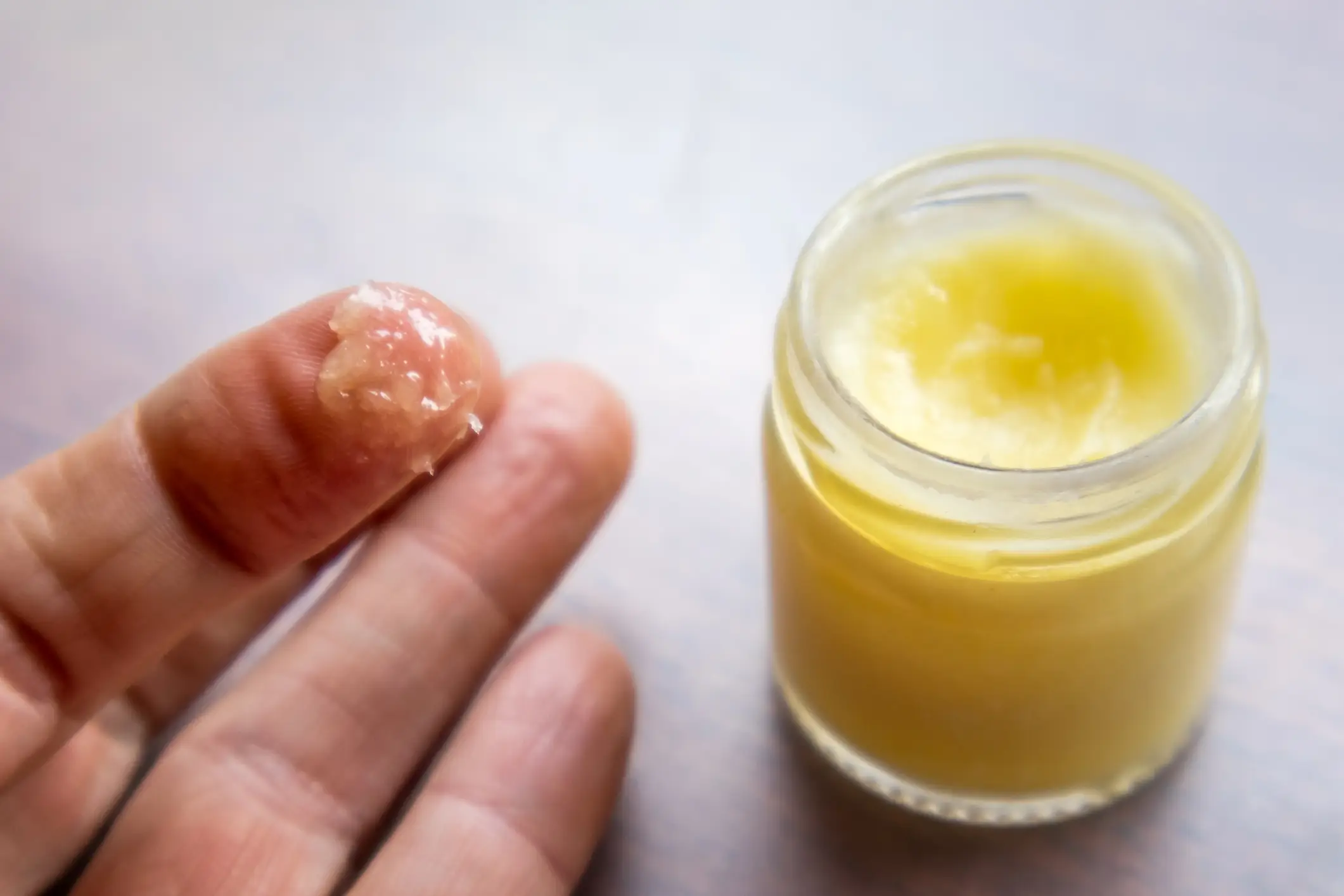
What are the benefits of using coconut oil as a lubricant?
According to Doctor Emeka, an NHS doctor and author of Your Health in Your Hands, coconut oil does have real merits in certain situations. Unlike some water-based lubricants, it doesn't evaporate quickly - meaning it tends to last longer during sex. It can also be a gentler option for people who find that commercial products cause irritation.
"There are some commercial lubricants that contain fragrances and other additives which can be a little bit irritating," he told UNILAD, "and so coconut oil can actually help with dryness and provide some soothing to the skin when used properly."

What are the risks of using coconut oil as a lubricant?
The most significant concern, Doctor Emeka says, is the impact coconut oil can have on condoms.
As an oil-based product, it can weaken latex, increasing the risk of the condom breaking during sex.
"If you're using condoms to prevent pregnancy or STIs, we generally wouldn't recommend using coconut oil as a lubricant," he warned.
Beyond contraception, there are other potential downsides for people with vaginas.
Coconut oil can alter the vaginal environment, trap moisture and microorganisms, and potentially lead to infections.
For anyone already prone to recurring yeast infections or unexplained irritation, Doctor Emeka says it may simply not be the right choice.
There are also some more practical drawbacks worth considering.
Coconut oil tends to linger, on skin, bedding and sex toys, for longer than water-based alternatives, and it isn't compatible with all sex toy materials, which can cause damage over time.
The bottom line, according to Doctor Emeka, is that coconut oil isn't inherently dangerous, but it isn't a one-size-fits-all solution either.
Whether it's right for you depends on what contraception you use, how your body responds, and what you're using it with.
Doctor Emeka is an NHS doctor and author of Your Health in Your Hands, available on Amazon at amzn.eu/d/0cneYQT4.
Follow him on Instagram at @doctor.emeka
Topics: Health, Sex and Relationships
 Thomas Bamford