
The men most at risk of prostate cancer as Jeremy Clarkson reveals 'aggressive' diagnosis

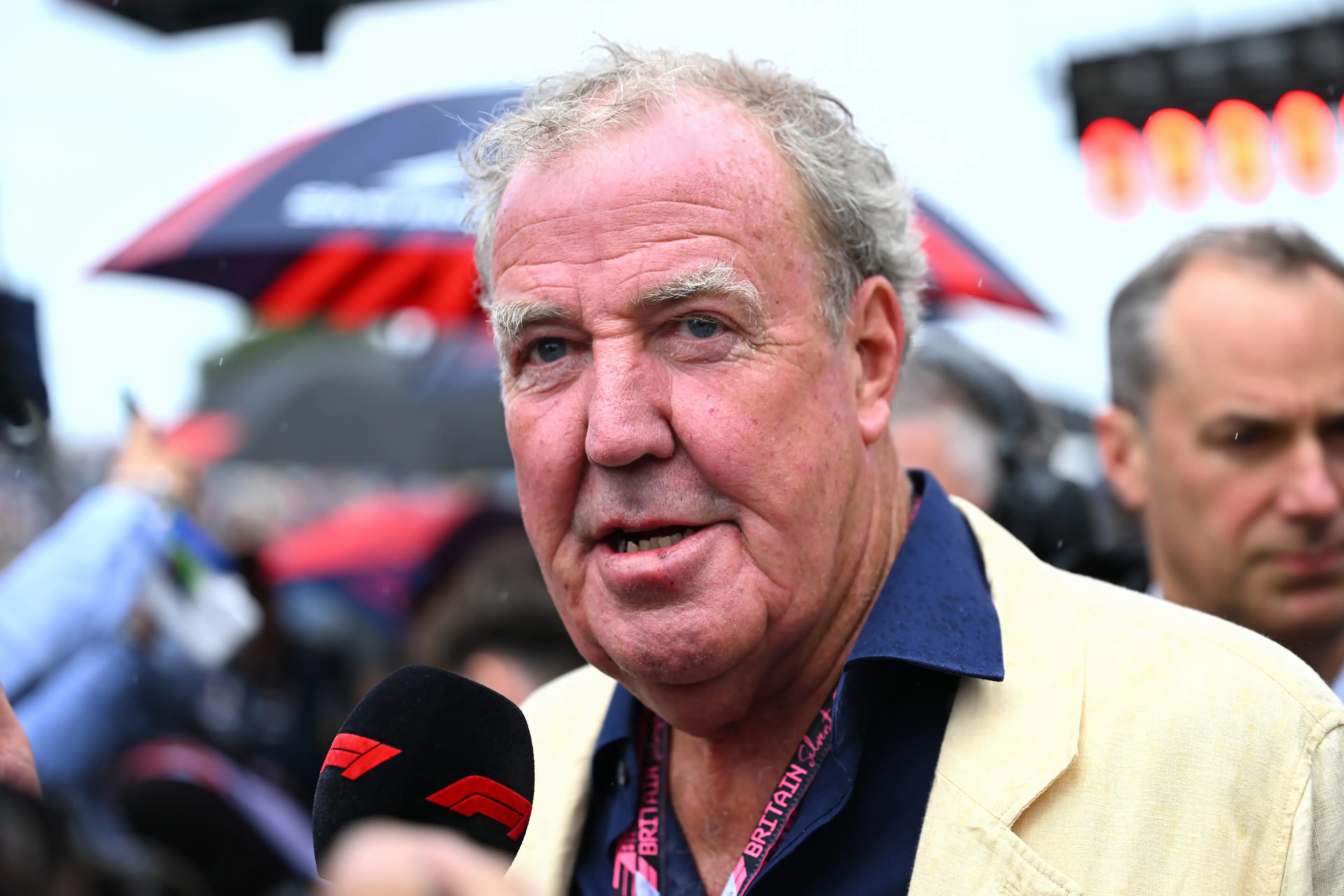
Clarkson's Farm viewers have been left devastated in recent days after the show's season five finale revealed that Jeremy Clarkson is battling cancer.
The show is known for being upbeat and comical, but it took an undeniably somber turn in the latest episodes (which dropped on Prime Video June 17). Clarkson warned before the finale was released that it was a 'difficult watch'.
"I've got cancer," he told Charlie Ireland and Kaleb Cooper, who run Diddly Squat Farm with him. "I've known since May."
Clarkson proceeded to explain that it was an aggressive form of cancer but doctors told him that they'd caught it early. He added that 10 percent of his prostate is 'dead' and that's where his cancer is.
Advert
According to the NHS, one in eight men will get prostate cancer in the UK. The same figures are shared by the American Cancer Society.
What is the prostate?
"The prostate is a small gland that sits below the bladder," explains the NHS, adding: "It helps make semen."
Cancer develops in this area of the body when cells grow in a way they shouldn't.
Some cases of prostate cancer and slow developing and don't need immediate treatment. However, in instances like Clarkson's, it can grow fast and more aggressively, meaning treatment is needed straight away.

Who is most at risk?
Men are typically older when they develop prostate cancer. Per the American Cancer Society, six in 10 prostate cancers are diagnosed in men who are 65 or older.
The average age somebody is diagnosed in 67.
Race also plays a factor in prostate cancer as one in four Black men will get it.
There is ongoing research into why this is the case. In 2024, the University of Essex in the UK said that it had conducted a pilot study that looked into why a protein called 'androgen receptor' – which involved in the growth and spread of the disease – is more prevalent in Black men.

Discussing their findings, Dr Antonio Marco said: "The mutations that we identified are in regions of our DNA that control androgen receptor levels.
"These damaging mutations are frequently found in men with African ancestry while they are virtually absent in men of European ancestry.
"If further studies confirm that these mutations are controlling androgen receptor levels, this could pave the way for a future when less Black men are dying from prostate cancer."
As well as Black men and older men (typically aged 50 and over), the NHS says men who are overweight are also more at risk of developing prostate cancer.
If you’ve been affected by any of these issues and want to speak to someone in confidence, contact the American Cancer Society on 1-800-227-2345 or via their live chat feature, available 24/7 every day of the year.
Topics: Jeremy Clarkson, Cancer, Health, News
 Niamh Shackleton