
Experts warn trendy high-protein diet could put you at risk of 'silent killer'

Experts have issued a warning about a high-protein diet that could put you at risk of a 'silent killer' which affects one in ten Americans.
Many fitness gurus are using TikTok to aid weight loss and build up muscle, but the so-called 'trendy' high-protein diet discussed on social media may be doing more harm than good.
Having a diet high in protein is often considered to be a 'healthy' option, and while protein is a key part of a balanced diet, health experts are warning people about taking the trend too far.
While high-protein diets are safe for the majority of people, doctors are warning that one in ten people on the plan may end up suffering from a 'silent killer' known as kidney disease.
Advert
Dr Carl May, a kidney expert at University of Bristol, told the Mail Online: "Protein puts a lot of stress on the kidneys because the organ struggles to process it. So consistently eating above the recommended amount is going to be tough on them.
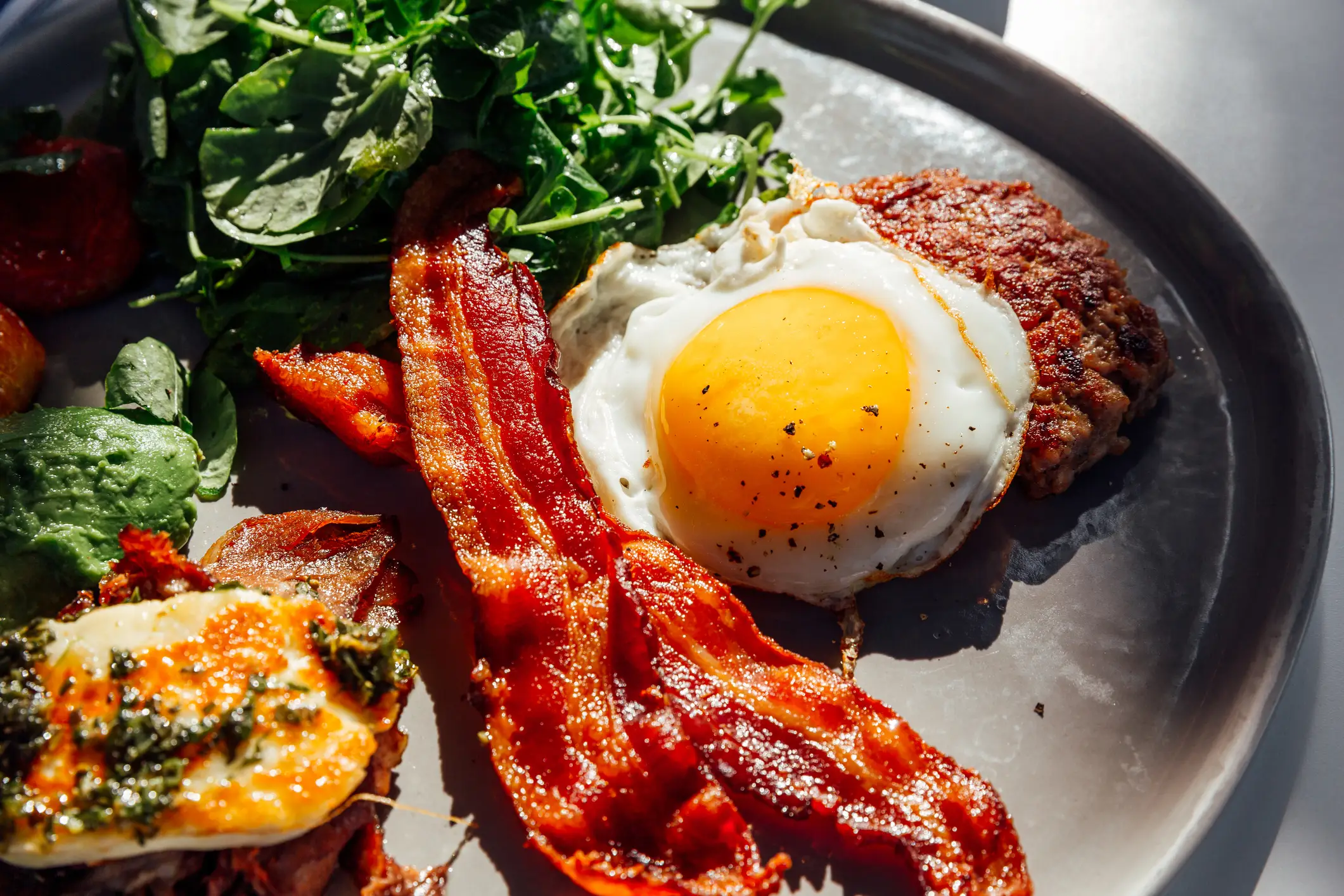
"For around nine out of ten people, this won’t lead to anything serious. But that unlucky 10 per cent could be quietly damaging their kidneys without realising it.
"This means those patients may be creeping towards kidney failure. If that happens, you’re probably looking at an organ transplant."
There's the risk of kidney stones also developing, according to ABC News' chief medical correspondent Dr. Tara Narula.
She explained: "If you eat a diet that is a carnivore diet - very high in beef, chicken, poultry or seafood - you're going to potentially break that down into uric acid, which, under the right conditions, can crystallize and form stones," Narula added.
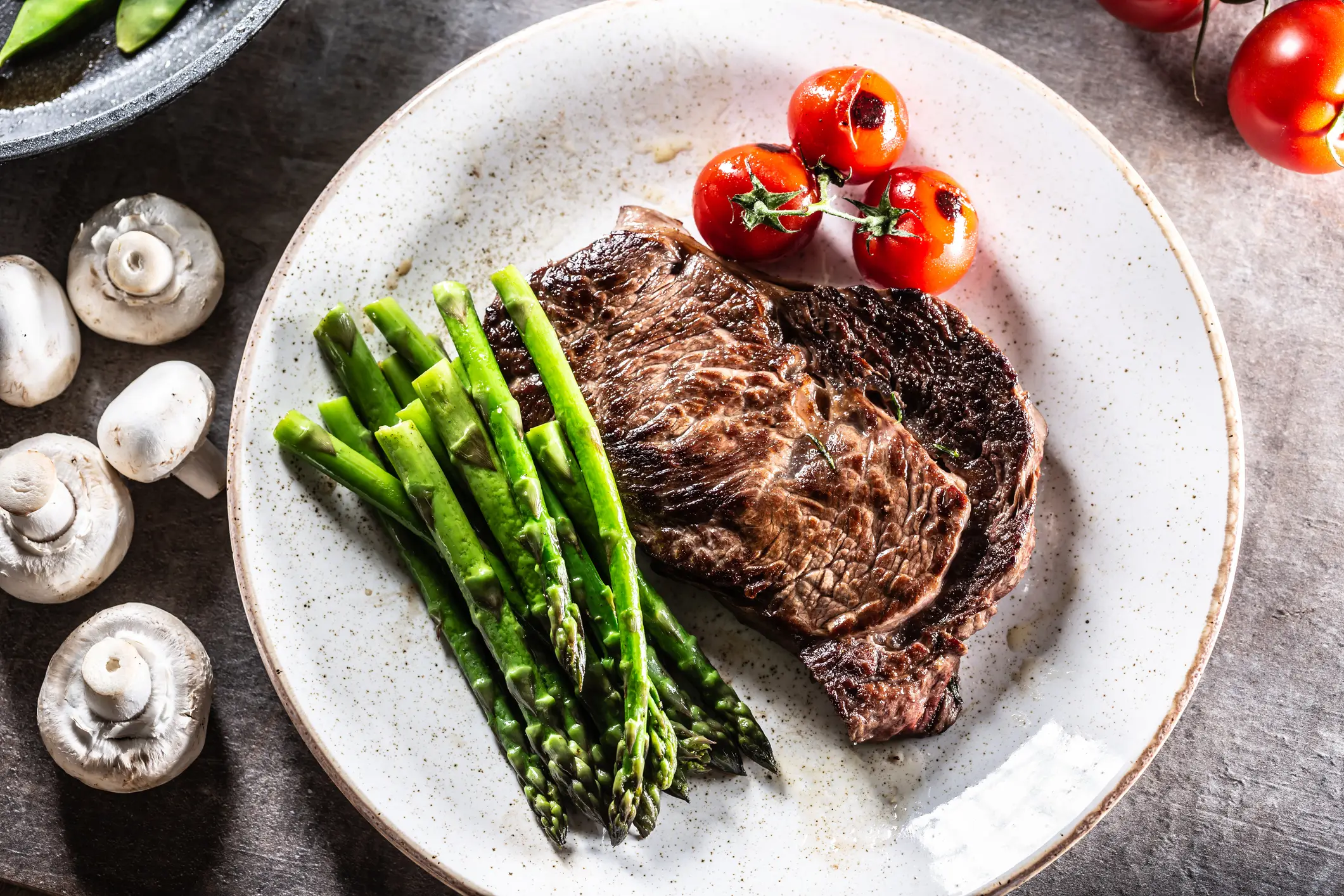
"We're talking about levels that are really two to three times the recommended level of protein, where you're not really drinking water, you're not eating fruits or vegetables and getting other carbohydrates. About 200 grams of protein or more.
"What you can do is swap in some plant protein - legumes, beans, nuts, tofu, soy - so you're not just fully focused on animal protein."
Mayo Clinic explains that protein should account for 10-35 percent of your daily calories, while the NHS recommends adults should consume 0.8g of protein per kilogram of body weight every day.
However, figures have suggested that some people may be having as much as three times the recommended allowance as a plan to better health.
Topics: Health
 Callum Jones